
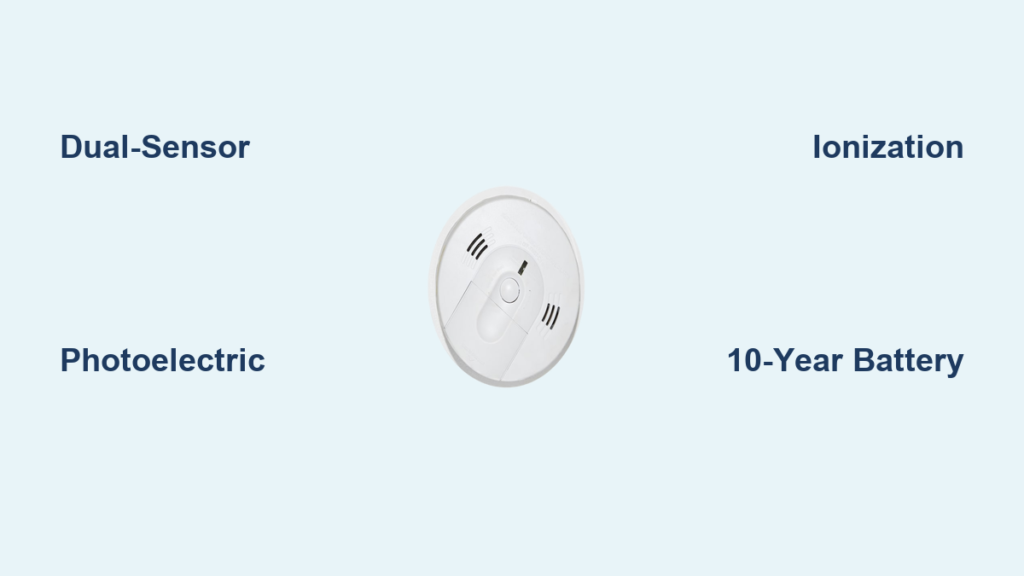
Every year, hundreds of lives are lost in home fires, and many of those homes lacked working smoke detectors. The right smoke detector can give your family critical seconds to escape. But not all detectors respond to fire the same way. With ionization, photoelectric, and dual-sensor models available, choosing wisely can mean the difference between safety and tragedy.
The U.S. Fire Administration and experts like Chief Chris Kaufman of the Saint Tammany Fire Protection District stress that any working smoke detector is better than none. However, to maximize protection, you need to understand the main smoke detector types, how they work, and where each performs best. This guide covers detection technology, power options, placement, and maintenance so you can protect your home with confidence.
Ionization vs. Photoelectric: Core Differences
How Ionization Detectors Work
Ionization smoke detectors contain a tiny amount of radioactive material, usually americium-241, positioned between two electrically charged plates. This material ionizes the air and creates a steady electrical current.
When smoke enters the chamber, it disrupts the ion flow and reduces the current, triggering the alarm. This design makes ionization detectors highly sensitive to the small, invisible particles produced by fast-flaming fires.
Best For Fast-Flaming Fires
Ionization alarms respond faster to fast-burning fires such as:
– Grease fires in the kitchen
– Paper burning in a wastebasket
– Flammable liquids igniting
They are often the first to sound when flames spread rapidly, providing early warning in high-heat scenarios.
Limitations in Smoldering Fires
Ionization detectors are slower to react to smoldering fires, like those starting in upholstery, wiring, or unattended cigarettes. These fires produce thick, visible smoke long before flames appear, and ionization sensors often fail to trigger in time.
Photoelectric Detectors: Smoldering Fire Experts
Light-Based Smoke Detection
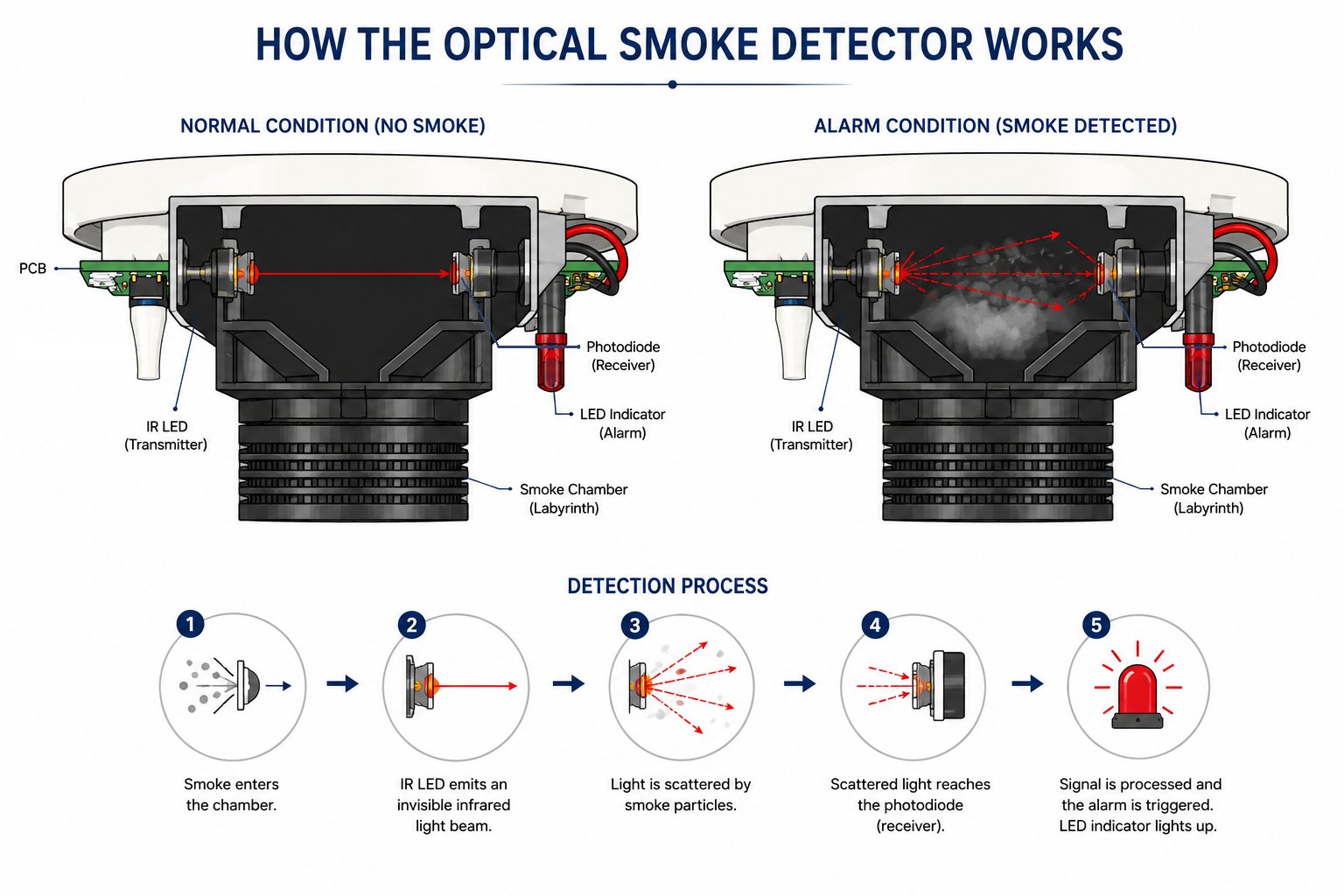
Photoelectric smoke detectors rely on a light beam and sensor system. An LED inside the chamber emits a beam that normally misses the sensor entirely.
When smoke enters, it scatters the light and directs some of it toward the sensor, activating the alarm. This method excels at detecting the larger smoke particles typical of smoldering fires.
Superior for Slow-Burning Fires
Photoelectric alarms catch fires that ionization models often miss, including:
– A cigarette burning in a couch
– Overheated electrical wiring behind walls
– Fire starting in bedding or curtains
These fires can smolder for hours, filling a home with toxic smoke while occupants sleep. Photoelectric detectors typically provide earlier warning in these scenarios.
Less Prone to Cooking Nuisance Alarms
Photoelectric models are less likely to trigger from cooking smoke or steam. This makes them ideal for placement near kitchens and bathrooms.
Dual-Sensor Alarms: Maximum Protection
Two Technologies in One Unit
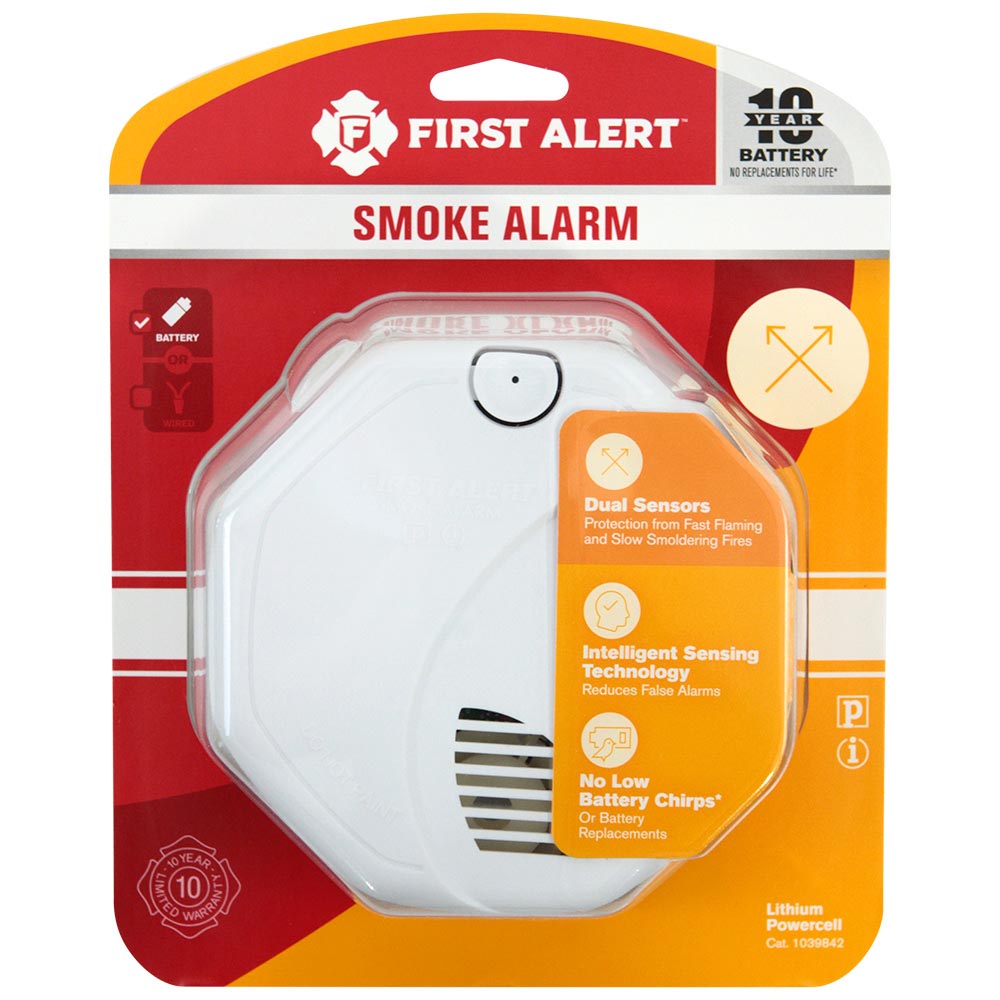
Dual-sensor smoke alarms combine both ionization and photoelectric sensors in a single device. This hybrid design delivers broader detection coverage, responding quickly to both fast-flaming and smoldering fires.
Since you cannot predict which type of fire might start in your home, fire safety experts strongly recommend dual-sensor alarms.
Expert-Backed Safety Choice
Chief Chris Kaufman notes: “We just want people to stay safe. Smoke detectors do save lives. It’s a very inexpensive cost that can save a life at any given moment.”
Dual-sensor models eliminate guesswork by offering comprehensive protection in a single unit.
Slightly Higher Cost, Worth the Investment
Dual-sensor alarms typically cost $40 and up. The added safety easily justifies the price for most families.
Specialized Alarms for Hearing-Impaired Individuals

Visual and Vibration Alerts
Standard alarms rely on loud beeping, which is ineffective for people with hearing loss. Specialized smoke detectors for the hearing impaired use bright strobe lights and bed-shaking vibration devices to ensure alerts are seen or felt.
Designed for Accessibility
These alarms are often required in accessible housing units. They can be hardwired or battery-powered and frequently interconnect with other alarms throughout the home.
Smart Integration Options
Many models connect to wireless alert systems that send notifications to smartphones or wearable devices, making them ideal for seniors and individuals with severe hearing loss.
Power Source Options Compared
9-Volt Battery Alarms
The most common and affordable option, these alarms:
– Cost $30 and up
– Install easily with no electrician required
– Require battery replacement at least once per year
A dead or missing battery renders the alarm useless, so regular checks are essential.
Pro Tip: Replace batteries when clocks change for daylight saving time to keep your schedule on track.
10-Year Lithium-Ion Alarms
These sealed, long-life batteries last the entire life of the unit. Benefits include:
– No annual battery changes
– Simple maintenance
– Higher upfront cost ($35–$50)
Best for: Hard-to-reach ceilings or households that forget regular maintenance. Replace the entire unit after 10 years.
Hardwired Alarms
Hardwired alarms connect to your home’s electrical system and include a backup battery. They:
– Provide continuous power
– Require professional installation by a qualified electrician
– Often meet building codes for new construction
Replace the backup battery at least once per year to maintain fail-safe protection.
Wireless Interconnection: Whole-Home Alert
How Radio Frequency Alarms Work
Wireless smoke alarms communicate via radio signals without physical wiring. When one detects smoke, all interconnected units sound simultaneously.
This ensures every room gets immediate warning, even if the fire starts in the basement or garage.
Easy Retrofit for Older Homes
Wireless alarms eliminate the need to tear open walls. They are ideal for existing homes where hardwiring is impractical.
Sync with Smart Home Systems
Many wireless models integrate with:
– Smart speakers like Alexa or Google Home
– Mobile phone alerts
– Home security systems
You can receive real-time notifications even when away from home.
Optimal Placement for Maximum Safety
Where to Install Alarms
Install smoke alarms:
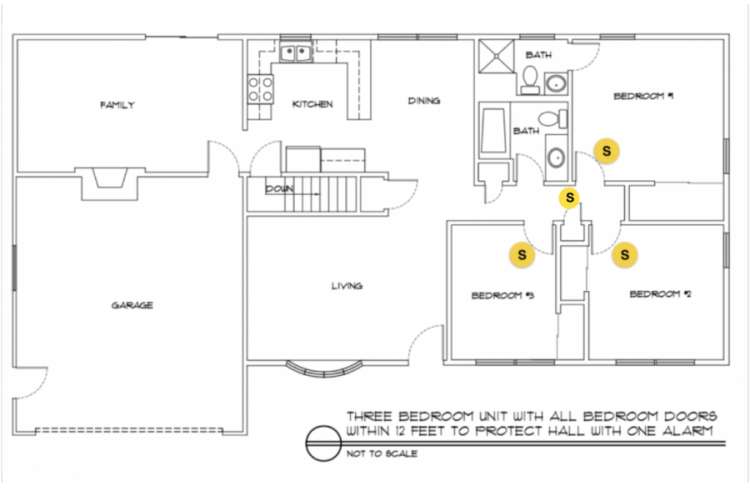
– Inside every bedroom
– Outside each separate sleeping area
– On every level of the home, including the basement
– In hallways leading to bedrooms
A closed door can slow the spread of smoke and fire, so alarms inside and outside sleeping zones ensure early detection.
Mounting Height and Position
Follow these guidelines for best results:
– Ceiling-mounted: Place at least 12 inches from walls
– Wall-mounted: Install 4 to 12 inches from the ceiling
– Check the manufacturer’s instructions for specific placement
Avoid placing alarms near windows, doors, or ducts where airflow can disrupt sensing. Keep them away from kitchens and bathrooms to prevent false alarms from cooking smoke and steam.
Monthly Testing and Maintenance
Test Every Month
Press the test button monthly to confirm:
– The alarm sounds loudly
– The battery and sensor function properly
– Interconnected units respond together
If no sound occurs, replace the battery or the entire unit immediately.
Keep Alarms Clean
Dust and insects can block sensors over time. Use a vacuum cleaner with a brush attachment or a soft cloth to wipe the exterior twice a year. Avoid sprays and cleaners that can damage internal components.
Replace Alarms Every 10 Years
Check the manufacture date on the back of each unit. After 10 years:
– Sensors degrade
– False alarms increase
– Response time slows
Even if the alarm seems to work, replace it. Age reduces performance.
Battery Replacement Guidelines
9-Volt Batteries: Yearly Swap
Replace 9-volt batteries at least once per year. Lithium batteries last longer than alkaline options. Never borrow the battery for other devices.
Warning: A chirping alarm signals a low battery. Replace it immediately to maintain protection.
Hardwired Backup Batteries
Replace the backup battery in hardwired alarms at least once per year. Test the alarm after replacement and use only manufacturer-recommended battery types.
10-Year Lithium Units: No Battery Changes
These sealed units require no battery maintenance for a decade. The alarm self-diagnoses and chirps when it approaches end-of-life, signaling time for full replacement.
Combined Smoke and CO Detectors
Two Threats, One Device
Carbon monoxide is odorless, colorless, and deadly. Combined smoke and CO detectors monitor for both hazards while reducing ceiling clutter. Many models include digital readouts for CO levels.
Recommended for:
– Homes with gas appliances
– Attached garages
– Fireplaces or wood stoves
Placement for CO Detection
Install combined units on every level, including near bedrooms. Unlike smoke, CO mixes evenly in the air, so ceiling placement is not required. Follow manufacturer instructions for optimal height.
Cost, Assistance, and Regulations
Price Comparison
| Type | Average Cost |
|---|---|
| 9-Volt Battery | $30+ |
| 10-Year Lithium | $35–$50 |
| Wireless/RF | $40+ |
| Dual-Sensor | $40+ |
| Smoke + CO Combo | Varies by model |
Tip: Buy multi-packs to save 15–20% per unit.
Free Alarms from Fire Departments
Many fire departments offer:
– Free or low-cost smoke alarms
– Free installation for seniors or disabled residents
– Battery replacement programs
Call your local fire station’s nonemergency number to learn what’s available in your area.
Check Local Regulations
Some cities require hardwired or photoelectric-only alarms. Rental properties may have specific code requirements. Contact your local fire marshal to confirm compliance.
What to Do When the Alarm Sounds
Cooking or Steam Triggers the Alarm
Never remove the battery to silence a nuisance alarm. Instead:
– Press the “hush” or “silence” button if available
– Wipe the sensor with a dry cloth
– Open a window or use a fan to clear the air
Pro Tip: Move ionization alarms at least 10 feet from the kitchen to reduce false alarms.
Evacuate Immediately If Fire Is Suspected
You may have less than 2 minutes to escape safely. Remember these critical steps:
– Crawl low under smoke, where cleaner air stays near the floor
– Feel doors with the back of your hand before opening; if hot, find another route
– Have a fire escape plan and practice it twice per year
Disabling a smoke alarm or removing the battery can be a deadly mistake. Always take every alarm seriously until you’ve confirmed there’s no danger.
Frequently Asked Questions About Smoke Detector Types
What are the main types of smoke detectors?
The three main types are ionization, photoelectric, and dual-sensor. Ionization detectors respond faster to fast-flaming fires, while photoelectric models excel at detecting smoldering fires. Dual-sensor alarms combine both technologies in one unit.
Which smoke detector type is best for home use?
Fire safety experts recommend dual-sensor alarms or a combination of ionization and photoelectric units. This approach ensures protection against both fast-flaming and smoldering fires, since you cannot predict which type might occur.
Do photoelectric smoke detectors detect smoldering fires better?
Yes. Photoelectric detectors use a light-scattering system that detects the larger smoke particles produced by smoldering fires. They often provide earlier warning than ionization models in these scenarios.
How long do smoke detectors last?
All smoke detectors should be replaced 10 years from the manufacture date. After a decade, sensors degrade and response times slow, even if the alarm still appears to function during tests.
Are combination smoke and carbon monoxide detectors worth it?
Yes. Carbon monoxide is odorless and deadly, and combination units offer comprehensive protection in a single device. They are especially valuable in homes with gas appliances, fireplaces, or attached garages.
How much do smoke detectors cost?
Prices vary by type. 9-volt battery models start at $30, wireless and dual-sensor models run $40 and up, and 10-year lithium units cost $35–$50. Many fire departments offer free or reduced-price alarms for residents in need.
Key Takeaways for Choosing the Right Smoke Detector
The best smoke detector is the one that works when you need it. To maximize your family’s safety, install dual-sensor alarms or a combination of ionization and photoelectric models on every level of your home, including inside and outside each sleeping area. Test alarms monthly, replace 9-volt batteries yearly, and swap out the entire unit every 10 years.
If you’re unsure where to start, call your local fire department’s nonemergency number. Many offer free smoke alarms and installation services, especially for seniors and residents with disabilities. A small investment in the right smoke detector types today could save your life tomorrow.