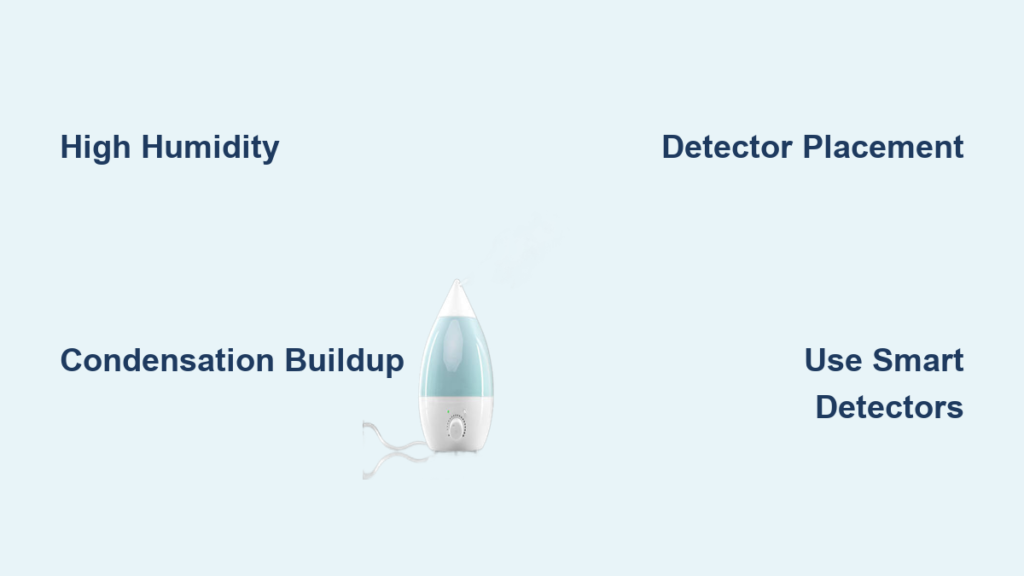
Your smoke alarm blaring at 3 AM when there’s no fire in sight is frustrating—and surprisingly common. If you’ve recently started using a humidifier, especially during dry winter months, you might be wondering if that innocent-looking mist machine is the culprit behind those false alarms. The short answer is yes, humidifiers can absolutely trigger smoke alarms, but understanding why this happens and how to prevent it will save your sanity and ensure your safety system works when you actually need it.
This guide breaks down the science behind humidity-induced false alarms and provides practical solutions to keep your home both comfortable and secure. You’ll learn exactly how water vapor tricks your smoke detector, which types of detectors are most vulnerable, and proven strategies to prevent those middle-of-the-night false alarms without sacrificing your indoor air quality.
How Humidity Triggers False Alarms in Your Home
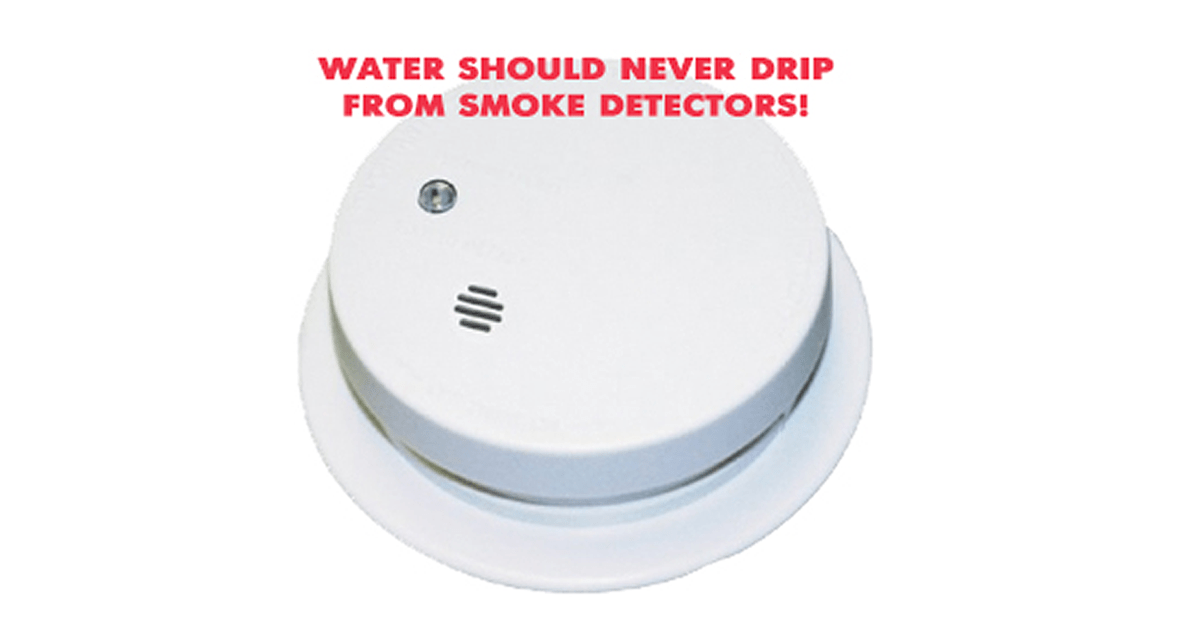
Condensation Formation Process That Sabotages Detectors
Extreme temperature fluctuations create perfect storm conditions inside your smoke detector. When warm, humid air from your humidifier meets cooler air near the ceiling—especially in poorly insulated areas—the temperature drop causes moisture to condense inside the alarm housing. This condensation buildup happens most frequently in ceilings below attics with inadequate insulation, bathrooms where hot showers and humidifiers create excessive moisture, kitchen areas combining cooking steam with humidifier output, and basements with naturally higher humidity levels.
Pro tip: Check your attic insulation first if you experience frequent false alarms during winter—this is the most common culprit for condensation-related issues. Proper insulation prevents those dramatic temperature swings that turn your humidifier into an alarm trigger.
Why Water Vapor Fool Your Smoke Detector’s Sensors
Modern smoke detectors can’t distinguish between water vapor and actual smoke particles. Both interfere with the detection mechanism in similar ways. Water droplets scatter light exactly like smoke particles, triggering photoelectric sensors. Water vapor disrupts the electrical current in ionization detectors, mimicking smoke presence. High humidity increases airborne particle density, potentially blocking sensor openings and causing false readings.
Critical warning: If your detector frequently triggers during humid conditions but fails to respond properly during actual smoke tests, replace it immediately—this indicates serious malfunction that could be life-threatening.
Static Electricity Risks in Overly Dry Conditions
Ironically, running a humidifier to combat dry air can create static electricity issues when humidity levels drop too low (below 30%). This dry air generates static charges that interfere with electronic circuits, causing either false alarms or, more dangerously, delayed responses during actual fires. You’ll notice this problem most during winter when heating systems dry out indoor air.
Quick fix: Maintain indoor humidity between 30-50% using a digital hygrometer to monitor levels. This range prevents both excessive condensation and dangerous static buildup.
Ionization Detectors: Your Most Vulnerable Smoke Alarm Type
Why Ionization Technology Fails with Humidifiers
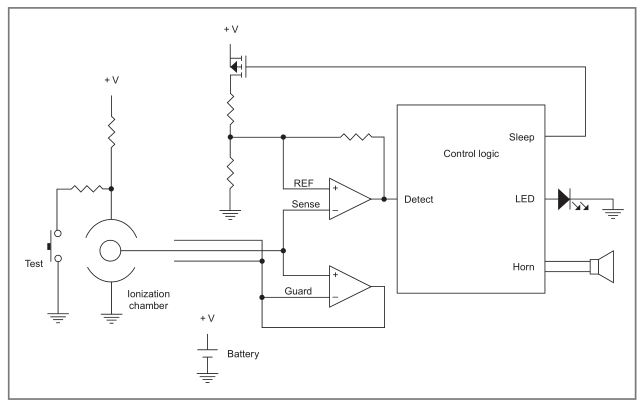
Ionization smoke detectors are particularly susceptible to humidity-related false alarms. These devices contain a small amount of radioactive material that creates an electrical current between two metal plates. When water vapor enters through tiny openings, it disrupts this ionized air current just like actual smoke would. The detector cannot differentiate between disruptions caused by water vapor versus combustion particles, making false alarms inevitable in humid environments.
Expert insight: Fire marshals increasingly recommend replacing ionization detectors with photoelectric or dual-sensor models, especially in rooms where you use humidifiers. This simple upgrade dramatically reduces false alarms while maintaining fire safety.
Strategic Placement Solutions That Prevent False Alarms
:max_bytes(150000):strip_icc()/where-to-place-smoke-detectors-1152485_V2-3c5086adfaa646d69d312b45d342c621.png)
Optimal Detector Positioning Near Humidifiers
Relocate smoke detectors to minimize humidity impact with these precise measurements:
– Keep detectors at least 20 feet from humidifier vents
– Mount 4-12 inches below ceiling peak for better air circulation
– Place detectors in adjacent rooms rather than directly in humidified spaces
– Ensure 3-foot clearance around all detectors for proper airflow
Real-world example: If you use a humidifier in your bedroom, install the smoke detector in the hallway outside your door rather than on the bedroom ceiling. This maintains safety coverage while preventing humidity interference.
Creating Humidity Control Zones in Your Home
Implement these targeted solutions to balance comfort and safety:
– Install bathroom exhaust fans with timers that run 20-30 minutes post-shower
– Use zone dampers with your HVAC system to control humidity room-by-room
– Place dehumidifiers in moisture-prone areas like basements
– Connect humidifiers to smart home systems that automatically reduce output when humidity approaches 50%
Pro tip: In multi-story homes, maintain slightly lower humidity levels on upper floors where heat and moisture naturally rise—this prevents condensation in ceiling-mounted detectors.
Essential Maintenance Protocols to Stop False Alarms
Monthly Inspection Checklist for Humidity-Prone Areas
Prevent false alarms through consistent maintenance with this simple routine:
– Visual inspection: Check for condensation, dust, or moisture damage around sensor openings
– Test functionality: Use the test button monthly and replace batteries annually
– Clean detector vents: Vacuum gently with a soft brush attachment
– Verify ventilation: Ensure no furniture or curtains block airflow around detectors
Time commitment: This maintenance takes less than 5 minutes per detector but prevents hours of frustration from false alarms.
Seasonal Deep Cleaning Procedure
Every 3-6 months, perform thorough maintenance with these steps:
1. Turn off circuit breakers for hardwired units
2. Carefully remove the detector by twisting counterclockwise
3. Use compressed air to blow out accumulated dust and moisture
4. Inspect electrical contacts for corrosion or moisture damage
5. Reinstall and test functionality before restoring power
Warning: Never use liquids or cleaning sprays on smoke detectors—compressed air is the only safe cleaning method for internal components.
Advanced Detection Solutions for Humid Environments
Technology Upgrades That Solve Humidity Problems
Modern detectors offer significant improvements for humid environments:
– Dual-sensor models: Combine ionization and photoelectric technologies for accurate detection
– Humidity compensation: Built-in algorithms automatically adjust sensitivity based on moisture levels
– Smart connectivity: Send alerts to your phone instead of blaring alarms for minor issues
– Environmental monitoring: Track temperature and humidity alongside smoke detection
Cost-benefit analysis: While advanced detectors cost $20-30 more upfront, they save you hundreds in potential fire damage from delayed responses and eliminate the stress of frequent false alarms.
When to Call Professionals for System Assessment
Consider professional evaluation when:
– False alarms occur more than 3-4 times monthly despite proper maintenance
– Multiple detectors fail simultaneously, indicating systemic humidity issues
– You’re renovating or building new construction
– Your insurance policy specifies particular detector requirements
Red flag: If your detector triggers when humidity exceeds 50% but fails to respond to actual smoke tests, this indicates critical malfunction requiring immediate professional attention.
Emergency Response Protocol for Humidifier-Triggered Alarms
Immediate False Alarm Response Steps
When your humidifier triggers a false alarm, follow this precise sequence:
1. Silence the alarm: Press the hush button or briefly remove batteries
2. Ventilate immediately: Open windows and turn on exhaust fans
3. Reduce humidifier output: Lower settings or temporarily shut off
4. Inspect the detector: Check for visible moisture or damage
5. Document the incident: Note time, humidity levels, and humidifier settings
Critical mistake to avoid: Never disable your smoke detector entirely—this creates dangerous gaps in fire protection. Use the hush feature instead for temporary silencing.
Long-term System Optimization Strategies
Create sustainable solutions with these proven methods:
– Install digital hygrometers in key rooms to monitor humidity levels
– Connect humidifiers to smart home systems that automatically adjust based on detector readings
– Modify settings seasonally—reduce output during rainy periods and increase during dry spells
– Schedule professional calibration annually to ensure all systems work together
Success indicator: You’ve solved the problem when you experience zero false alarms for 30+ days while maintaining comfortable humidity levels between 30-50%.
Maintaining comfortable humidity levels while ensuring smoke detector reliability requires balancing environmental control with proper technology choices. By understanding how humidity affects detection systems and implementing these strategic solutions, you can enjoy the benefits of your humidifier without sacrificing home safety. The right combination of detector technology, strategic placement, and consistent maintenance creates a home environment that’s both comfortable and secure—no more 3 AM false alarms disrupting your sleep.