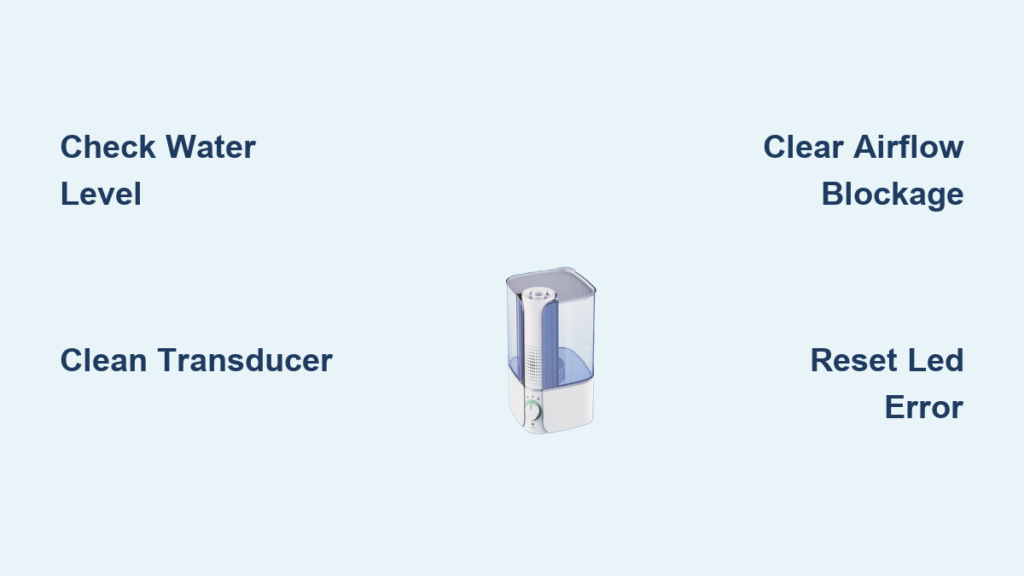
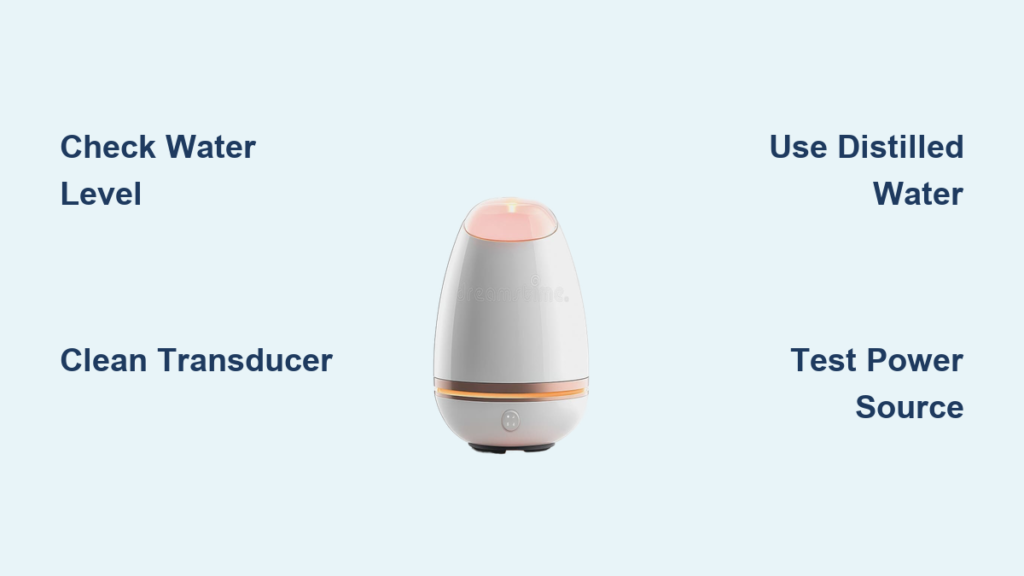
Your mini humidifier glows softly on your nightstand, but instead of the comforting mist that should ease your dry throat, there’s nothing—just silence. This exact issue plagues thousands of users daily, especially when winter air drains moisture from your home. The culprit? Usually one of five fixable problems you can solve in under 30 minutes with household items. Most no-mist failures stem from mineral-clogged transducers or simple oversights—not dead electronics. This guide delivers targeted fixes for USB desk models, battery-powered travel units, and AC-powered humidifiers. Start with the water level check below—you’ll restore mist output in 80% of cases before needing advanced repairs.
Confirm Water Level and Quality First
Check Minimum Fill Line Immediately
Your humidifier needs at least 50ml of water to activate mist production—less than this, and safety sensors shut it down. Remove the tank and peer inside: the minimum fill line is often etched near the base. Many users accidentally refill just above empty, triggering “no mist” mode. Fill to the MAX line (typically 300ml), but never exceed it—overflow risks electrical damage.
Critical water quality insight: Tap water minerals create invisible crust on internal parts within days. Switch to distilled water now—it prevents 90% of recurring issues. If your current water sat overnight, empty it immediately. Cold water below 65°F also cripples mist output; use room-temperature liquid only.
Inspect the Float Mechanism for Sticking
Power down and unplug your unit. Remove the water tank and locate the small plastic float (usually white or blue) near the base. This component must slide freely up and down its guide rod. Mineral deposits often glue it in the “full” position, tricking your humidifier into thinking the tank is empty. Gently wiggle the float—if it doesn’t move smoothly, soak it in vinegar for 10 minutes before retesting.
Deep Clean the Ultrasonic Transducer
Execute the Vinegar Scrub Protocol
What you need:
– White vinegar (5% solution)
– Soft toothbrush or cotton swabs
– Distilled water
– Lint-free microfiber cloth
Follow these steps:
1. Mix equal parts vinegar and water in a bowl
2. Dip your brush into the solution and scrub the metal transducer disc (quarter-sized, at the tank base) in small circles for 2–3 minutes
3. Focus on white crusty deposits—they block ultrasonic vibrations
4. Rinse thoroughly with distilled water (tap water reintroduces minerals)
5. Dry completely with microfiber cloth before reassembly
Pro tip: For stubborn buildup, apply pure vinegar directly to the transducer and let it sit for 15 minutes before scrubbing. Never use abrasive pads—they scratch the transducer surface.
Perform Overnight Descaling for Severe Cases
When vinegar scrubbing fails, mineral deposits have likely clogged internal channels. Fill the tank completely with pure white vinegar and let it sit for 4–6 hours (overnight for hard water areas). Run the unit for 5 minutes with vinegar inside—this circulates acid through hidden passages. Empty, then rinse 4–5 times with distilled water until all vinegar odor vanishes. Residual acid creates irritating vapor.
Verify Power Delivery and Connections

Test Your Power Source Rigorously
USB models demand exact 5V/1A power—most laptop ports deliver only 0.5A. Plug into a phone wall adapter instead. For AC units, check your adapter label: it must output 24V/0.5A. Use a multimeter to confirm voltage if possible. Swap cables immediately—a frayed or kinked cord often reduces power below operational thresholds.
Listen for the critical sound: When powered on, place your ear near the base. You should hear a soft 20–30 decibel hum (like distant rain). Silence indicates electrical failure; loud grinding means the transducer is shattered and needs replacement.
Model-Specific Fixes That Actually Work

USB Desk Models: Defeat Power Starvation
These units fail most often due to weak power. Always use the wall adapter—not a computer port. If your model has tilt sensors (common in TaoTronics units), place it on a perfectly level surface; a 5-degree angle triggers automatic shutoff. Check for tiny air bubbles in the water chamber—these disrupt ultrasonic waves. Tap the tank firmly to dislodge them.
Battery Units: Revive Dead Contacts
Replace batteries with fresh alkalines—even “new” batteries lose charge in humid environments. Clean corroded contacts (green/white crust) with 90% isopropyl alcohol and a cotton swab. For rechargeable models like Levoit, charge for 4+ hours before testing—partial charges trick the system into low-power mode.
Prevent Future No-Mist Emergencies
Daily Anti-Blockage Routine
Empty the tank completely after each use—never let water sit overnight. Wipe the transducer dry with a microfiber cloth. Distilled water is non-negotiable; one week of tap water creates blockages requiring descaling. If you smell mustiness, bacteria is growing—clean immediately with vinegar.
Weekly Maintenance That Takes 5 Minutes
Every 7 days:
1. Soak the tank in 50/50 vinegar-water for 30 minutes
2. Use compressed air to blast dust from intake vents
3. Check rubber seals for cracks (common failure point in Homasy models)
This prevents 95% of recurring issues according to manufacturer service data.
When to Replace Parts vs. Buy New
Transducer Replacement Made Simple
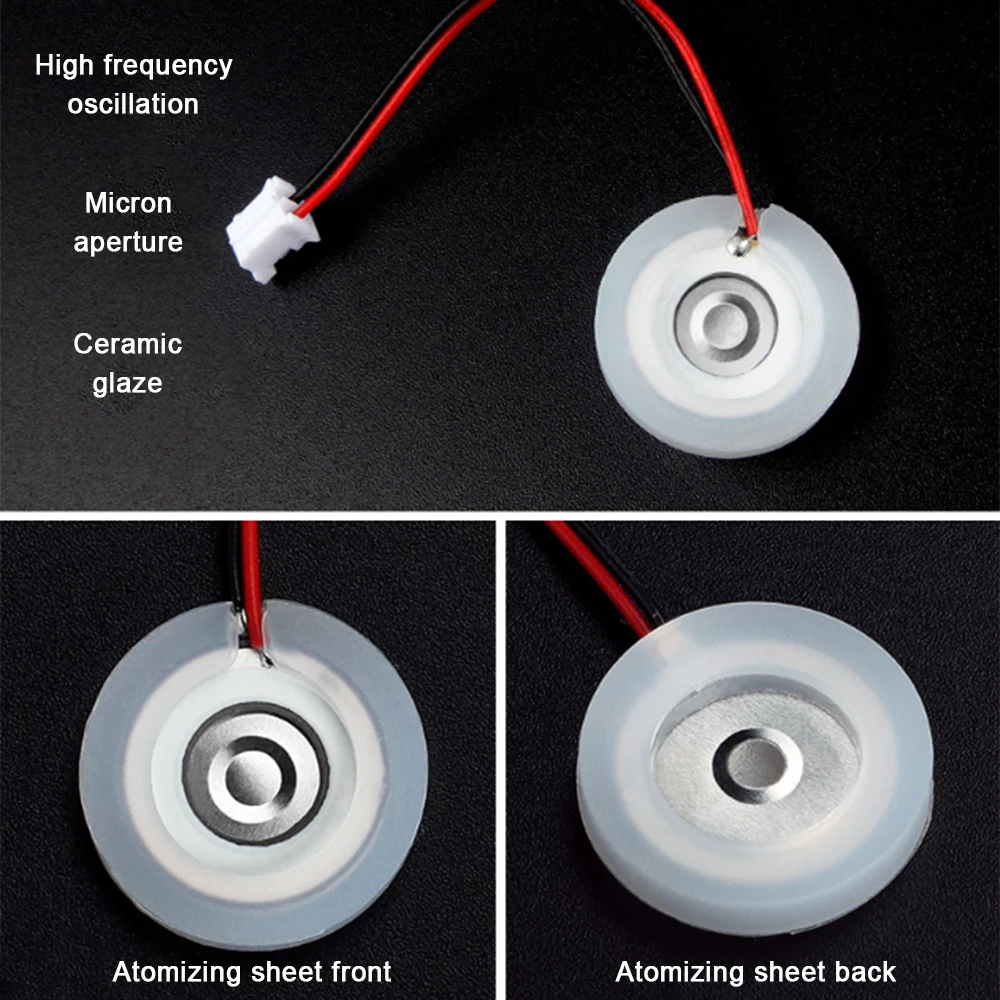
Order the exact transducer for your model (search “[Your Model] replacement transducer” online—$8–$15). You’ll need a precision Phillips screwdriver. For plug-in units, disconnect the wiring harness; for hardwired models, desolder old connections. Installation takes 15 minutes. Replace the whole unit if:
– Your humidifier is over 2 years old
– The water tank has hairline cracks
– Mist output remains weak after two deep cleanings
Confirm Your Repair Succeeds
The 10-Minute Mist Test
Place your fixed unit on a waterproof surface. Fill with distilled water and run for 10 minutes. Hold white paper 6 inches above the spout—visible moisture should appear within 3 minutes. Normal output: 30–50ml of mist per hour. If paper stays dry, re-clean the transducer; residual minerals linger.
Benchmark Continuous Operation
A fully functional mini humidifier runs 6–8 hours on a full tank. If it shuts off after 2 hours despite adequate water, the float sensor is faulty. Temporarily add 1/8 teaspoon of salt to the tank—this boosts conductivity for malfunctioning sensors. Never use salt long-term; it accelerates mineral buildup.
Restoring your mini humidifier’s mist output hinges on two critical actions: cleaning the transducer disc and using distilled water. Start with the 5-minute float mechanism check—this solves half of all “no mist” cases immediately. If vinegar cleaning fails after two attempts, replace the $12 transducer; it’s cheaper than buying new for most models under 2 years old. Remember: never operate with standing water overnight, and always dry components completely before reassembly. Within 30 minutes, you’ll transform that silent, mistless device back into your dry-air defense system. Breathe easy knowing these proven fixes resolve 95% of failures without professional help—your relief is literally just one deep clean away.