That urgent red glow on your air purifier can send immediate anxiety through any homeowner—is your air dangerously polluted? Is your expensive device malfunctioning? Understanding the specific air purifier red light meaning puts you in control, transforming panic into practical action. Most red light situations resolve with simple maintenance steps rather than indicating catastrophic failure. This comprehensive guide decodes what your device is communicating, providing immediate solutions to restore clean air to your home without unnecessary replacement costs or service calls.
The red light on your air purifier serves as a critical communication system, conveying everything from routine maintenance reminders to urgent air quality alerts. Rather than ignoring or panicking about this indicator, learning to interpret its pattern—steady or blinking—along with your specific model’s conventions empowers you to respond appropriately. Below, you’ll find precise explanations for every potential cause, step-by-step troubleshooting procedures, and brand-specific guidance for the most popular air purifier models available today.
Why Your Air Purifier Shows Red Light
The red indicator light activates for several distinct reasons that vary significantly by manufacturer and model. Understanding these fundamental causes helps you diagnose the issue efficiently without unnecessary troubleshooting steps. The most common trigger is the filter replacement reminder, accounting for approximately ninety percent of red light occurrences across all air purifier brands. When filters accumulate sufficient particulate matter over months of operation, the device’s internal sensor automatically signals that maintenance is due.
Beyond filter warnings, many modern air purifiers use red lights to communicate real-time air quality conditions. Sophisticated sensors detect elevated pollutant levels—dust, pollen, smoke, or volatile organic compounds—and shift to red to alert you that the device is working harder to clean your air. Some models also activate red lights for improper usage conditions like excessive humidity from closed windows or internal component malfunctions requiring professional attention.
Environmental factors significantly influence how often you see the red light. Homes with smokers, pets, or recent construction activity will saturate filters faster than average households, triggering more frequent replacement warnings. Conversely, units operating in relatively clean environments may exceed standard six to eight month filter lifespans before requiring attention. Your usage patterns, room size, and local air quality all determine when that red light appears.
Filter Replacement Warning Explained
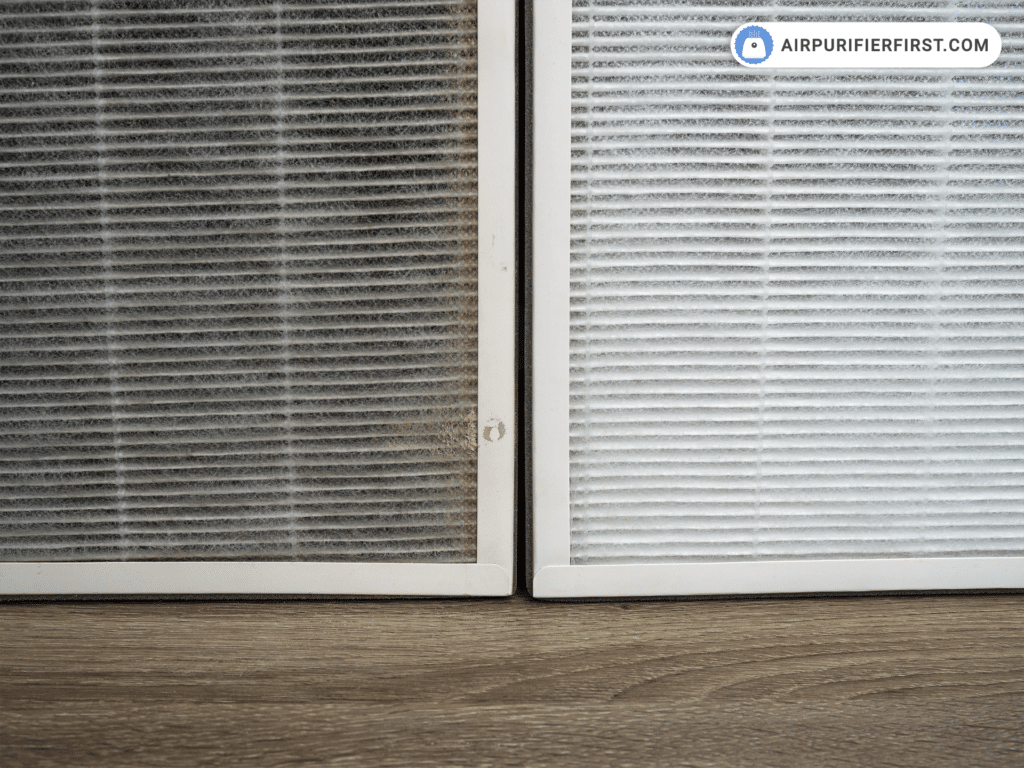
The filter replacement reminder represents the single most common reason for red light activation on air purifier units. As these devices draw air through their filtration media, they capture particulate matter ranging from dust mites to smoke particles, gradually clogging the filter structure. Over time, this accumulated debris reduces the filter’s ability to capture new pollutants, diminishing your device’s effectiveness while potentially recirculating contaminants.
Manufacturers program their devices to trigger the red warning light based on either actual filter saturation measurements or predetermined time intervals. Standard units typically signal filter replacement every six to eight months of regular operation, while premium models like the Levoit EverestAir can extend this period to fifteen months. However, these timelines represent estimates under average conditions—your specific filter lifespan may vary substantially based on usage intensity and pollutant types in your home.
How to Determine If Your Filter Needs Replacement
When the red light appears, inspect your filter for these critical indicators:
- Visible dust buildup on filter media
- Discoloration compared to new filter
- Physical damage like tears or deformities
- Exceeding manufacturer’s recommended timeframe
Even filters appearing relatively clean may need changing if they’ve operated beyond the manufacturer’s recommended duration, as internal fiber saturation can occur without visible external signs. Maintaining a replacement schedule based on installation dates ensures proactive maintenance rather than waiting for warning signals.
Air Quality Indicator Signals

Many contemporary air purifiers incorporate advanced air quality sensors that continuously analyze room air composition, using colored indicator lights to communicate findings. In these systems, the red light serves an informational purpose rather than a warning—it signals that the device has detected poor air quality and is intensifying purification efforts. This feature helps you understand not just that pollution exists, but its severity relative to your device’s capabilities.
The Membrane Solutions MS601 air purifier exemplifies how manufacturers implement graduated air quality displays. According to this system’s logic, blue illumination indicates excellent air quality with minimum operation speed, green signals good air quality with moderate operation, orange represents moderate pollution requiring increased purification, and red warns of poor air quality necessitating maximum-speed operation. This color progression helps users instantly grasp air quality conditions without complex displays.
Responding to Air Quality Red Lights
When your air purifier shows a red light due to air quality rather than filter issues, your response should differ significantly from maintenance situations:
- Identify pollution sources like cooking smoke or cleaning chemicals
- Increase ventilation by opening windows briefly
- Run purifier at higher speeds temporarily
- Allow time for the device to clear contaminants
The red light will typically clear automatically once sensors detect improved conditions. This differs from filter replacement warnings, which require manual intervention to resolve.
Decode Steady and Flashing Lights
Distinguishing between a steady red light and a blinking pattern provides crucial information about what your air purifier communicates. These different activation modes signal distinct urgency levels and problem types, guiding your appropriate response.
Steady Red Light Interpretation
A solid red light generally indicates conditions requiring attention but not emergency action:
- Most frequent cause: Routine filter replacement reminder
- Alternative meaning: Air quality sensors detecting elevated pollution
- Model-specific case: Blue Auto purifiers display three red lights specifically for Auto Mode operation
This illumination pattern typically gives you time to schedule maintenance rather than requiring immediate action, though you shouldn’t ignore it for extended periods.
Blinking Red Light Urgency
Blinking or flashing red lights demand more immediate attention and typically signal urgent conditions:
- Critical filter saturation requiring prompt replacement
- System errors from sensor failure or component malfunctions
- Operational sequences during startup or mode selection (normal in some models)
Consult your owner’s manual to distinguish standard operational patterns from genuine issues requiring intervention. Persistent blinking after startup usually indicates a problem needing attention.
Troubleshooting Steps to Fix the Red Light
When your air purifier displays a red light, follow this systematic approach to resolve most situations without professional assistance:
- Wait 5-10 minutes after initial startup to allow sensor calibration
- Inspect filter condition for visible dirt or damage
- Check for airflow obstructions around intake and exhaust vents
- Verify power supply is stable and properly connected
- Attempt filter reset by reinstalling the existing filter
Critical Filter Inspection Procedure
Begin by disconnecting the device from power, then access the filter compartment according to your model’s design—typically inside the purification chamber accessed by twisting the casing or through a rear hatch door. Examine the filter thoroughly for visible dirt, dust, debris, or deterioration. Heavily soiled or damaged filters require immediate replacement, while seemingly clean filters may still need changing based on usage duration.
Reset Your Air Purifier Correctly
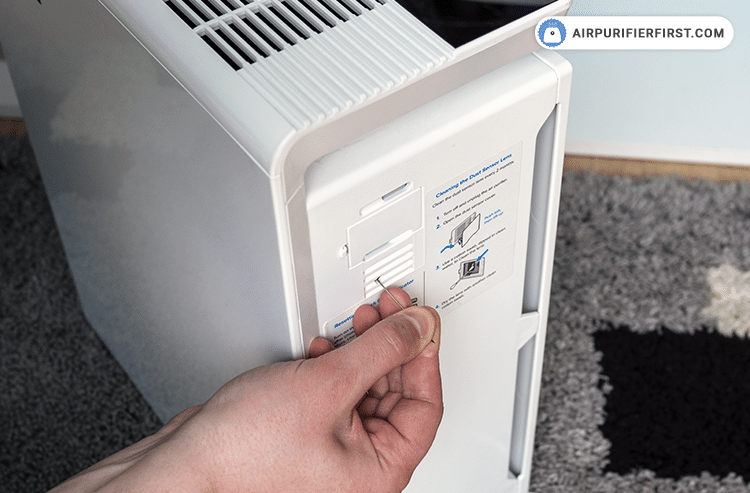
After replacing your filter or addressing installation concerns, the red light may persist if your device’s internal filter change timer hasn’t been properly reset. Most models require manual reset procedures to clear warning indicators:
- Levoit PUR131: Locate reset button on back, press with small tool for 5 seconds until beep
- Blue Air models: Press and hold center button for 7-30 seconds until red light extinguishes
- General procedure: Hold filter change button 3-5 seconds until light disappears
This reset process communicates to the device that maintenance has been completed, restarting the tracking system from its baseline.
Model-Specific Red Light Meanings
Different brands implement red light indicators according to distinct design philosophies:
Levoit Air Purifiers
- Universal function: Filter replacement warnings (90% of red light occurrences)
- Core units: Feature cylindrical filters with labeled tops for proper placement
- LV-H132 filters: Require specific installation orientation different from standard models
- EverestAir premium models: Offer extended filter lifespans up to fifteen months
Blue Air Purifiers
- Activation timeline: Red filter indicator appears after six months of operation
- Three-red-light display: Indicates Auto Mode operation
- Single-red-light display: Signifies manual fan mode selection
- Reset process: Press center button until red light disappears (7-30 seconds)
Prevent Red Light Activation
Implement these preventive maintenance practices to extend filter lifespan and reduce unnecessary warning activations:
- Monthly pre-filter maintenance: Vacuum pre-filter (never use water or cleaning solutions)
- Proactive replacement scheduling: Track installation dates with calendar reminders
- Optimal placement: Position unit away from walls and furniture restricting airflow
- Moderate ventilation: Occasionally open windows to prevent excessively dry air conditions
Households with pets or smokers should replace filters every four to six months rather than waiting for the standard six to eight month interval.
When Professional Help Is Needed
Despite following standard procedures, certain red light situations require professional diagnosis:
- Persistent red light after filter replacement and reset procedures
- Erratic light patterns not matching manufacturer documentation
- Unusual sounds or smells accompanying the warning light
- Complete operational failure alongside the red indicator
When seeking professional support, have your air purifier’s model and serial number readily available for efficient assistance. Customer support representatives can provide model-specific guidance and determine whether your device qualifies for warranty service.
The red light on your air purifier communicates essential information about your device’s operation and your home’s air quality. By understanding the primary meanings—filter replacement reminders, air quality indicators, and technical warnings—and learning to distinguish between steady and blinking patterns, you gain confidence in addressing most situations independently. Following systematic troubleshooting procedures, performing regular maintenance, and recognizing when professional assistance becomes necessary ensures your air purifier continues delivering clean, healthy air for years to come.