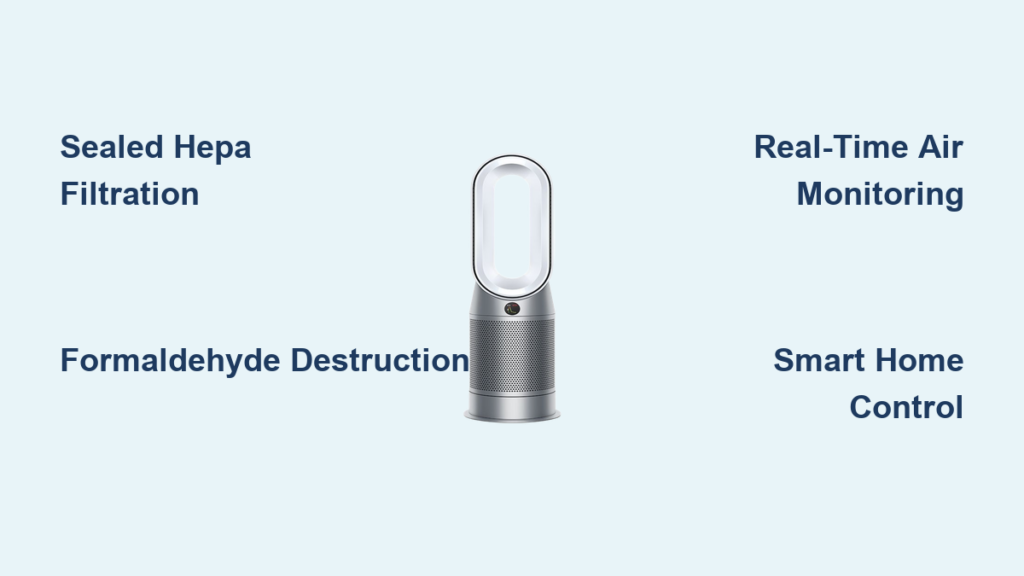
Did you know the air inside your home could be up to five times more polluted than outdoor air? With people spending approximately 90% of their time indoors—sleeping, working, cooking, and exercising—you’re constantly breathing in dust, pollen, volatile organic compounds, and microscopic particles that accumulate in sealed modern homes. Dyson air purifiers address this invisible threat through nearly three decades of dedicated air science research, combining advanced filtration technology with intelligent sensing systems. Understanding the genuine benefits of Dyson air purifier technology helps you make informed decisions about protecting your family’s respiratory health and creating a truly healthier living environment.
Dyson’s global team of over 350 engineers has developed air purifiers that go beyond simple particle removal to offer comprehensive indoor air quality management. The benefits extend to gaseous pollutant destruction, real-time air quality feedback, and versatile functionality as both an air purifier and cooling fan. This guide reveals the scientifically validated advantages that make Dyson air purifiers a premium solution for transforming your indoor air quality—without the marketing hype.
Fully Sealed HEPA H13 Filtration That Actually Works

Dyson’s engineering breakthrough lies in their fully-sealed HEPA H13 filtration system, which prevents the common problem of air bypassing the filter through housing gaps. While many competing purifiers claim HEPA filtration, Dyson engineers have re-engineered the entire airflow pathway to block every potential leak point where dirty air might escape into the purified airflow. This sealed design ensures 99.95% of particles as small as 0.1 microns actually pass through the filter—verified according to EN1822 and ISO29463 standards—rather than escaping through undetected gaps.
What to look for when testing your purifier: If you place your hand near the seams of your air purifier while it’s running and feel unfiltered air escaping, you’ve got a bypass problem. Dyson’s sealed construction prevents this secondary pollution by ensuring captured particles cannot escape back into your living space.
The multi-stage filtration addresses both particulate matter and gaseous pollutants through distinct layers. The true HEPA filter captures dust and allergens while the activated carbon layer adsorbs odors and VOCs. Premium models like the Purifier Cool Formaldehyde (TP09) feature selective catalytic oxidation filters specifically designed to capture and destroy formaldehyde—a pollutant 500 times smaller than 0.1 microns that most air purifiers fail to address effectively.
Eliminate PM2.5 and Ultrafine Particles From Your Breathing Space
Dyson air purifiers capture the complete spectrum of particulate matter found in indoor environments, from visible dust to microscopic PM0.1 particles invisible to the naked eye. The HEPA H13 filtration system effectively removes PM10 particles like pollen and pet dander that enter your lungs, PM2.5 microscopic particles from cooking and industrial emissions, and PM0.1 ultrafine particles primarily found in vehicle exhaust and tobacco smoke.
Pro tip for urban dwellers: If you live in a city or near traffic, focus on models with higher CADR (Clean Air Delivery Rate) ratings. The TP05 model achieves a particulate CADR of 164m³/hr, meaning it can effectively clean the air in a medium-sized room (up to 800 square feet) in approximately 30 minutes when operating at maximum speed.
Dyson’s microbiology labs have even detected microscopic rubber particles from tires in household dust samples, demonstrating the pervasive nature of modern pollution. The filtration system also captures bacteria and viruses that thrive in indoor environments—critical protection given germs from a single sneeze can travel up to six meters through the air.
Destroy Formaldehyde Instead of Just Trapping It
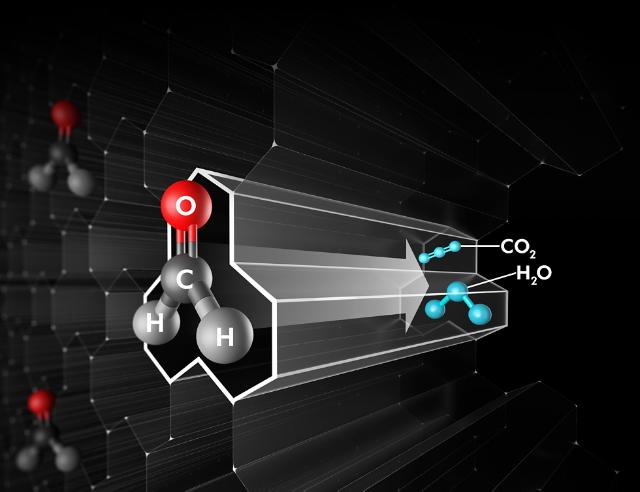
Most air purifiers merely trap formaldehyde, which can later be released back into your air. Dyson’s selective catalytic oxidation technology actually destroys this harmful compound by converting it to water and CO₂. Formaldehyde—a colorless gas released from plywood, insulation, paints, and household cleaning products—is particularly dangerous because it’s 500 times smaller than 0.1 microns, making conventional filtration ineffective.
How to verify formaldehyde protection: Look for the formaldehyde CADR rating (measured in m³/hr). The Dyson TP05 model achieves 56m³/hr according to Chinese regulatory testing (GB/T 18801-2015), providing measurable protection against this persistent indoor pollutant that can continue off-gassing from building materials for years.
The activated carbon layer also targets additional hazardous gases including:
– Nitrogen dioxide from gas stoves and wood burning
– Benzene from vehicle exhaust and tobacco smoke
– Ammonia from cleaning products
– Acetic acid and acetaldehyde from household materials
Real-Time Air Quality Monitoring You Can Trust
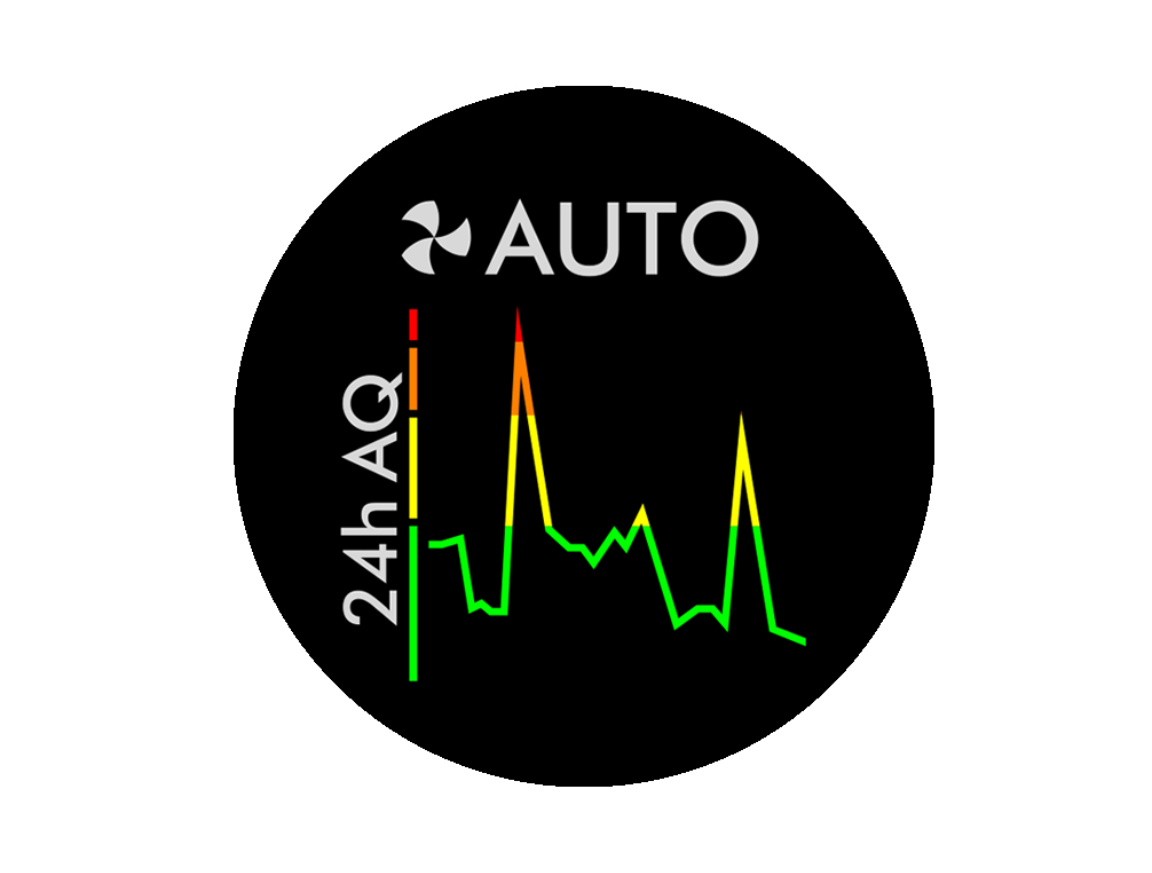
Unlike basic purifiers that run blindly, Dyson units feature multiple sensors that detect pollutants before filtering them out. The built-in LCD screen displays real-time information about specific pollutants in your room, including:
– PM10 particles (pollen, dust, pet dander)
– PM2.5 microscopic particles (smoke, bacteria)
– Harmful gases from combustion (cigarette smoke, gas stoves)
– Household VOCs (formaldehyde, benzene)
Expert note: When you first turn on your Dyson purifier, watch the particle count on the display spike as it detects existing pollutants—this isn’t the purifier creating pollution but rather revealing what’s already in your air. Within 15-30 minutes of operation, you should see significant reductions.
In Auto mode, the purifier dynamically adjusts its fan speed based on detected pollution levels, saving energy while maintaining optimal air quality. The system also distinguishes between HEPA and carbon filter life, sending precise replacement reminders through both the LCD screen and MyDyson app.
Circulate Clean Air Throughout Your Entire Room
Dyson’s Air Multiplier technology projects 77 gallons of smooth, powerful airflow each second, solving the common limitation of traditional purifiers that only clean air near the unit. The 350-degree oscillation ensures purified air reaches every corner of your space rather than creating isolated pockets of clean air.
Room placement tip: Position your Dyson purifier in an open area away from walls (at least 18 inches) for optimal air circulation. Avoid placing it behind furniture or in corners where airflow becomes restricted.
The backward airflow mode allows purification without cooling—perfect for winter months when you want clean air without additional cooling. This feature addresses a common limitation of combined purifier-fan devices, letting you benefit from air purification year-round regardless of temperature.
Certified Allergy and Asthma Relief You Can Feel
Dyson air purifiers carry the Asthma and Allergy Foundation of America certification, meaning their benefits for respiratory health have been independently verified through rigorous testing. Real users report dramatic improvements:
- A Virginia homeowner noticed his allergy-suffering wife began sleeping through the night and waking feeling refreshed
- A city dweller with a dog in a 1,100 sq ft apartment went from daily dusting to “dusting so so so much less”
For maximum allergy relief: Run your purifier continuously in bedrooms, especially during high-pollen seasons. Keep bedroom doors closed to create a purified sanctuary where you spend one-third of your life breathing.
Dual Cooling and Purification in One Space-Saving Unit
Dyson’s unique integration of air purification with Air Multiplier fan technology provides two essential functions in one device. Users report comfortable sleep even in rooms without AC when the fan operates at level six or below—eliminating the need for separate devices.
Seasonal tip: During warmer months, use the cooling function to enhance comfort while purifying air. In colder months, switch to backward airflow mode to maintain purification without affecting room temperature—perfect for homes with forced-air heating systems that circulate dust.
The tower design (4″ x 4″ footprint, 41″ height) minimizes floor space while the 16.72-pound weight allows easy relocation between rooms. This portability means you can move your purifier to where it’s needed most—bedroom at night, home office during work hours.
Smart Home Integration for Effortless Air Quality Management
Control your Dyson purifier through multiple convenient methods:
– Built-in LCD touchpad for direct operation
– MyDyson app for remote monitoring and control
– Included mini remote for point-and-click convenience
– Voice commands via Siri, Alexa, or Google Home
The night-time mode maintains air quality protection while operating at quiet airflow settings with a dimmed display—ideal for undisturbed sleep. Intelligent operation ensures the device still responds to significant pollution events even in sleep mode.
Pro setup tip: Create a smart home routine that automatically turns on your purifier when you arrive home or when outdoor pollution levels rise, ensuring clean air is always waiting for you.
Hassle-Free Maintenance With Built-In Reminders
Filter replacement is recommended every 12 months depending on usage, with automatic reminders showing exactly when each filter needs changing. The quick-release design makes filter changes simple—no tools required.
Maintenance checklist:
1. Monitor the filter life indicator on the LCD screen
2. Order replacement filters before current ones expire
3. Power off and unplug the unit before changing filters
4. Release the filter housing latch and remove old filters
5. Insert new filters and close the housing
Unlike many competitors, Dyson’s sealed filter design prevents captured particles from escaping during filter changes, maintaining your indoor air quality throughout the maintenance process.
Why Dyson Air Purifiers Deliver Superior Value
While budget alternatives exist, Dyson’s premium positioning ($750 for the Purifier Cool Formaldehyde model) reflects genuine technological advantages: dual cooling/purification functionality, formaldehyde destruction technology, comprehensive smart features, and nearly three decades of dedicated air science research. For those who spend significant time indoors—especially allergy sufferers, urban dwellers, or households with gas appliances—the benefits of Dyson air purifier technology justify the investment in cleaner, healthier air for your most important space: your home.