If you’re concerned about indoor air quality but worried about potential ozone emissions, you’re not alone. Many Levoit air purifier owners and prospective buyers specifically search “does Levoit air purifier emit ozone” before making purchasing decisions—especially if they have children, elderly family members, or respiratory conditions like asthma. The answer isn’t universal across all models, as Levoit manufactures different product lines with varying filtration technologies. Understanding which models produce ozone and which remain completely ozone-free can help you make informed decisions about the air quality equipment in your home.
This guide cuts through the confusion with evidence from independent testing, manufacturer documentation, and verified user experiences. You’ll learn exactly which Levoit models generate ozone, how to verify your specific unit’s status, and which models provide truly ozone-free operation for sensitive households. By the end of this article, you’ll have the knowledge needed to confidently determine whether your Levoit air purifier emits ozone and understand what this means for your indoor air quality.
Levoit’s Official Ozone Compliance Claims
Levoit states all their air purifiers comply with federal regulations and industry standards regarding ozone emissions, emphasizing their engineering focuses on minimizing ozone while maximizing purification efficiency. The manufacturer clearly distinguishes between model lines, noting that most Levoit air purifiers operate using purely mechanical filtration systems that draw air through multiple filter stages without generating ozone as a byproduct.
According to Levoit’s official communications, their standard filtration models utilize three-stage systems comprising a pre-filter, HEPA or HEPA-type filter, and activated carbon filter. This mechanical approach ensures no ozone production during operation since these units employ no ionization or plasma-generating technologies. The company specifically states that aside from their PlasmaPro series, all Levoit air purifiers are ozone-free and do not produce ions during operation.
However, consumers should note that comprehensive ozone emission data in measurable units like parts per billion isn’t prominently displayed on Levoit product pages. Technical documentation, user manuals, and specification sheets typically don’t include explicit ozone emission measurements for most models, making detailed safety verification challenging through standard purchasing channels.
Levoit Models Verified as Completely Ozone-Free
Multiple Levoit air purifier models have undergone independent testing and confirmation of zero ozone emissions during operation. These units rely exclusively on mechanical filtration technology that captures airborne particles through physical processes rather than ionization.
The Levoit Core 200S-P Smart Air Purifier has been explicitly verified as ozone-free through consumer inquiries and independent testing. This model operates using a three-stage filtration system with a pre-filter, H13 True HEPA filtration, and activated carbon layer—no ozone-generating technology is incorporated. Similarly, the Core 300 model has received direct consumer confirmation regarding its ozone-free operation, with verified purchasers personally guaranteeing no ozone emission from their units.
The Levoit Vital 200S has undergone rigorous independent testing confirming its ozone-free operation. Testing data shows this model completed particle removal tests in 23 minutes while generating zero detectable ozone emissions throughout its operational range. The EverestAir represents one of Levoit’s highest-performing models and has also been independently tested with zero ozone emissions confirmed. This unit achieves a Clean Air Delivery Rate (CADR) of 360 cubic feet per minute without producing any ozone, completing particle removal tests in just 16 minutes while maintaining completely ozone-free operation.
PlasmaPro Models That May Generate Ozone
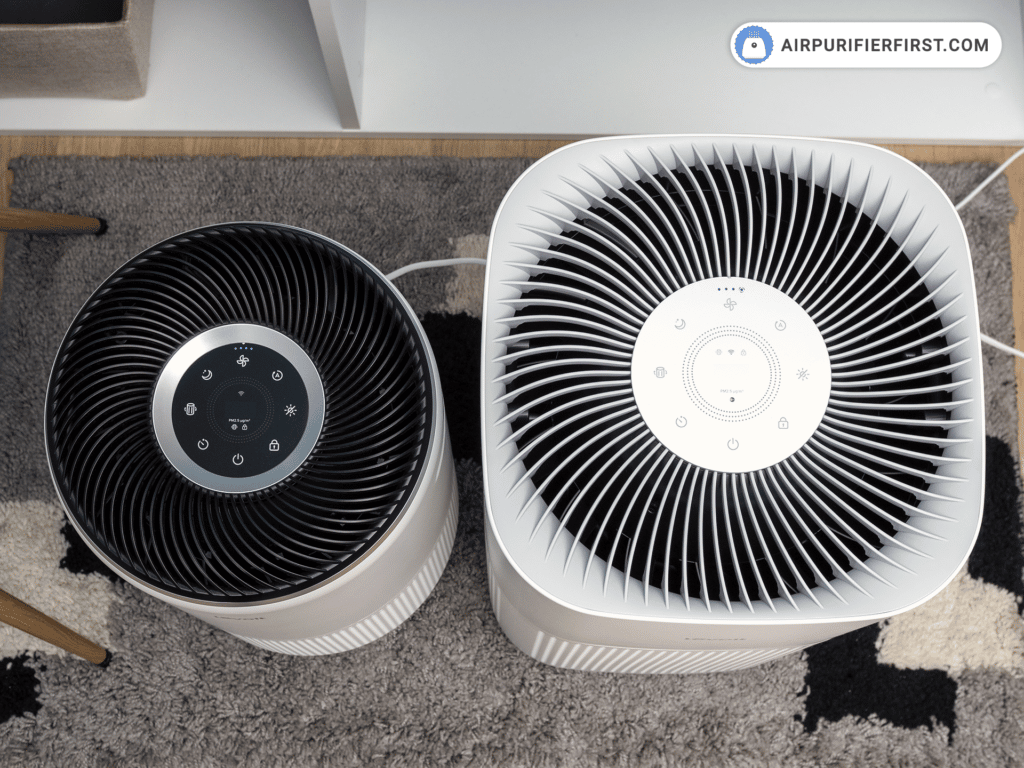
While most Levoit air purifiers operate without ozone production, certain models within their lineup incorporate plasma-generating functions that may emit ozone as a byproduct of their ionization technology. If you’re specifically searching “does Levoit air purifier emit ozone,” these are the models requiring careful consideration.
The PlasmaPro 200S, PlasmaPro 400S, and PlasmaPro 600S models feature an optional plasma function that operates using ionization technology. This technology releases charged particles into the air stream that can combine with oxygen molecules to form ozone. When the plasma function is activated on these units, ozone may be generated during the air purification process, even though Levoit maintains compliance with regulatory limits.
Importantly, Levoit offers ozone-free versions of these same model lines through their Core series. The Core 200S, Core 400S, and Core 600S represent the ozone-free alternatives to their respective PlasmaPro counterparts. These Core series models operate using purely mechanical filtration without any ionization technology, ensuring no ozone production during operation. If you’re sensitive to ozone or searching specifically for ozone-free operation, select Core series models rather than PlasmaPro versions.
Health Risks of Ozone Exposure Explained
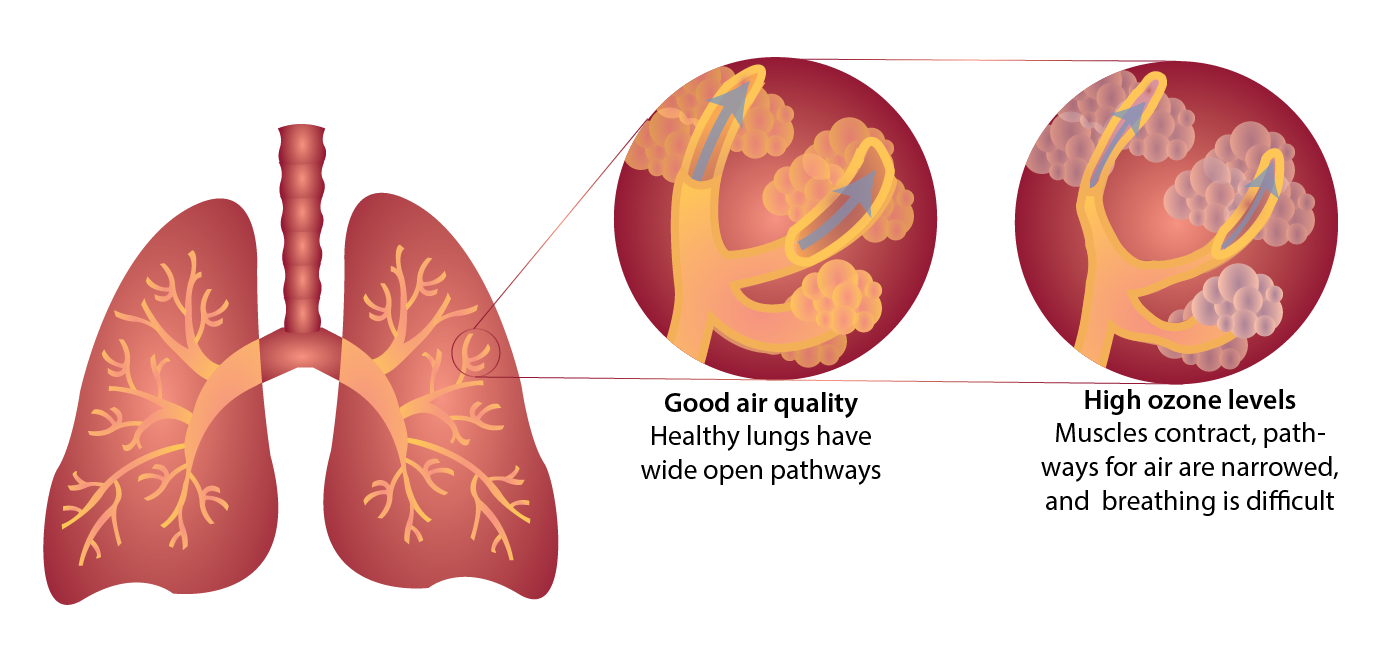
Ozone (O₃), a gas composed of three oxygen atoms, presents different implications depending on its location. While protective in the upper atmosphere, ground-level ozone carries significant health concerns. At elevated concentrations, ozone can irritate your respiratory system, triggering:
- Coughing and throat irritation
- Chest discomfort and shortness of breath
- Worsened asthma symptoms
- Reduced lung function
Regulatory bodies like the EPA and California Air Resources Board (CARB) have established strict limits on acceptable indoor ozone levels to protect public health. Even relatively low concentrations can cause respiratory irritation in sensitive individuals, while higher concentrations pose risks to otherwise healthy people.
If you have asthma, allergies, or other respiratory conditions, understanding your air purifier’s ozone status carries heightened importance. Children, elderly individuals, and those with pre-existing pulmonary conditions represent particularly vulnerable populations who may experience adverse effects at lower ozone concentrations. In smaller enclosed spaces with limited air circulation, even minimal ozone emissions could potentially concentrate to levels that sensitive individuals might detect.
How to Verify Your Levoit Model’s Ozone Status
You can verify your specific Levoit model’s ozone status through these reliable methods without relying solely on marketing claims:
Check the California Air Resources Board Database
The most authoritative verification method involves examining the CARB list of approved air purifiers. This searchable database documents certification status for models sold in California. Look for your specific Levoit model number and check the “Type” column:
- Mechanical = No ozone generation
- Electrical = May produce ozone as a byproduct
CARB requires all air purifiers sold in California to emit less than 0.050 ppm (50 ppb) of ozone, but this standard doesn’t guarantee zero emissions—only compliance with the maximum allowable level.
Examine Your Unit’s Controls and Features
Directly inspect your Levoit air purifier for these telltale signs:
- Ozone-free models display only mechanical filtration controls (fan speed, timer, sleep mode)
- Potential ozone-generating models contain ionizer switches, plasma wave buttons, or electrostatic precipitation indicators
If your unit has any controls related to plasma, ion generation, or electrostatic precipitation, it may produce ozone during operation.
Contact Levoit Customer Support Directly
Request specific technical specifications that include ozone output measurements in parts per billion. When contacting support, ask directly: “Does this specific model number contain ionization or plasma-generating technology?” rather than the more general “does Levoit air purifier emit ozone” question.
Selecting the Safest Levoit Model for Sensitive Households

For households with children, elderly members, or individuals with respiratory conditions, prioritizing ozone-free operation should significantly influence your purchasing decision. The Core series models—including the Core 200S, Core 300, Core 400S, and Core 600S—represent the safest choices as they utilize purely mechanical filtration technology verified to produce zero detectable ozone emissions.
Room size considerations also affect your selection. The Vital 200S covers rooms up to 390 square feet, making it suitable for bedrooms and smaller living spaces. The EverestAir handles larger areas up to 562 square feet with its higher CADR rating, making it appropriate for open-concept areas—both models have been independently confirmed as ozone-free.
If you already own a PlasmaPro model and have ozone concerns, you can typically disable the plasma function while maintaining mechanical filtration operation. However, this means paying for features you may not use, and the disabled plasma function may have represented part of the product’s value proposition.
Final Verification Tips for Ozone-Sensitive Consumers
Research confirms that most Levoit air purifier models operate without producing ozone emissions, providing numerous options for ozone-free air purification. For complete peace of mind:
- Before purchasing: Verify your intended model is classified as “Mechanical” on the CARB list
- After purchase: Disable any plasma or ionizer functions if your model includes them
- For sensitive individuals: Run your air purifier in a well-ventilated space for 24-48 hours before continuous bedroom use to detect any potential ozone odors
The PlasmaPro series represents the exception within Levoit’s product lineup, incorporating optional plasma functions that may generate ozone. Consumers specifically seeking ozone-free operation should select Core series alternatives rather than their PlasmaPro counterparts when both options exist for your room size.
Whether you already own a Levoit air purifier or are considering purchasing one, understanding your specific model’s technology and ozone status empowers you to make informed decisions about the air quality equipment in your home. By verifying whether your Levoit air purifier emits ozone, you ensure your pursuit of cleaner indoor air doesn’t inadvertently introduce new health concerns.