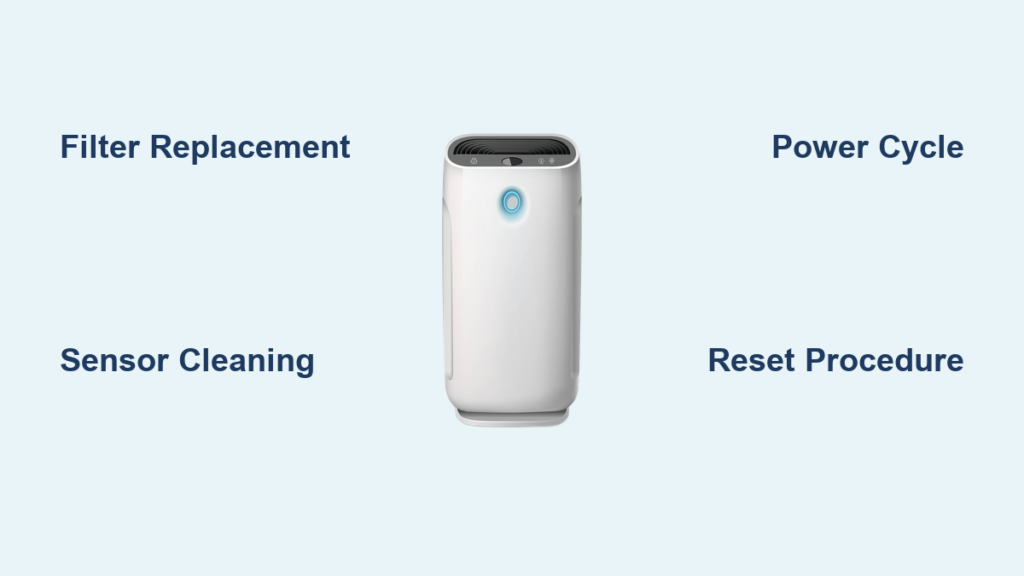
That flashing light on your air purifier isn’t random—it’s your unit’s urgent message that something needs your attention right now. When your air purifier’s indicator light starts blinking persistently, it’s communicating critical information about its operational status, filter condition, or potential malfunctions. Most homeowners don’t realize these blinking patterns follow specific coding systems designed to help diagnose issues before they escalate into complete failures. Understanding air purifier blinking light meaning transforms that annoying flash into valuable diagnostic information you can act on immediately.
Unlike error messages on smartphones or computers, air purifiers communicate through visual light patterns—different colors, frequencies, and sequences each conveying distinct warnings. A slow blue blink might signal routine maintenance while rapid red flashing could indicate a serious electrical problem. The challenge is manufacturers haven’t standardized these signals, so what means “time to change filter” on one brand might signal “immediate shutdown required” on another. This guide decodes the most common blinking patterns across major air purifier models, provides step-by-step troubleshooting for each scenario, and helps you determine when you can fix the problem yourself versus when professional service becomes essential.
Filter Saturation: The #1 Cause of Blinking Air Purifier Lights
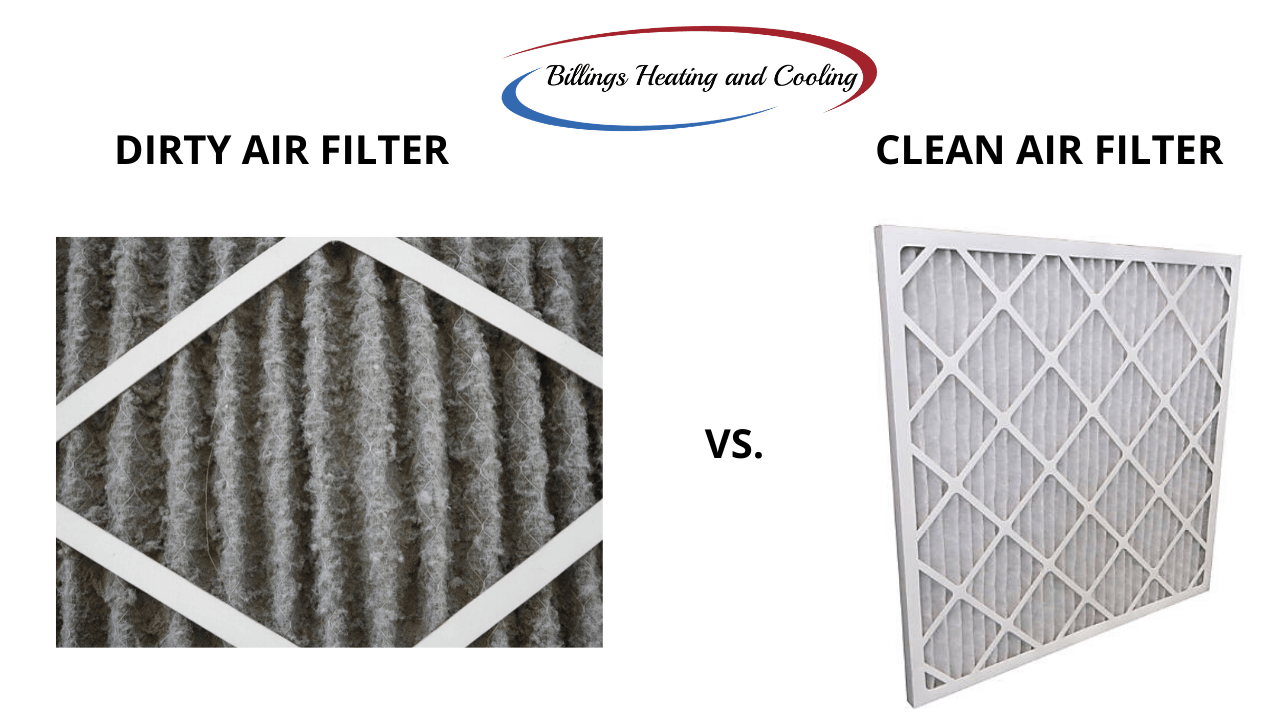
Your air purifier’s filter replacement indicator triggers more blinking incidents than any other single cause. As dust, pollen, pet dander, and other airborne particles accumulate in the filter media, they progressively restrict airflow through your unit. Most modern purifiers monitor either actual airflow resistance or operating time to determine when filter saturation reaches critical levels. When this happens, the blinking light activates as your unit’s way of saying, “I can’t breathe properly—replace or clean me now.”
Ignoring a filter saturation warning creates a double problem for your indoor air quality. First, your motor must work harder to pull air through the clogged media, straining internal components and shortening your unit’s lifespan. Second—and more critically—the saturated filter loses its ability to capture new particles effectively. This means contaminated air may bypass the filtration system entirely, circulating allergens back into your living space while your purifier appears to run normally. Homes with pets, allergy sufferers, or during high-pollen seasons typically need filter changes more frequently than the standard three-month recommendation.
Pro Tip: Even if your filter looks clean externally, microscopic debris may have clogged the internal fibers. Hold it up to bright light—if you can’t see through it clearly, it’s time for replacement regardless of appearance.
Sensor Contamination: Why Your Purifier Thinks Air Quality Is Poor

Many advanced air purifiers include particulate sensors that detect air quality and adjust purification intensity accordingly. These sensors become coated with dust over time, compromising their accuracy and triggering blinking warning lights. What makes sensor contamination particularly frustrating is that replacing the filter won’t solve the problem—you’re treating symptoms while the root cause remains.
When your sensor becomes contaminated, your unit may display persistent blinking even after filter replacement because it mistakenly believes air quality remains poor. The solution often requires professional sensor cleaning or recalibration, though some models allow careful DIY maintenance. To determine if sensors are the culprit, remove the filter completely and power on your unit. If it displays a “filter missing” error, your sensors are functional but contaminated. If no error appears, the sensor system itself has likely failed.
Critical Mistake to Avoid: Never use compressed air or liquids directly on sensor components—this can cause permanent damage. Consult your manual for approved cleaning methods before attempting any sensor maintenance.
Electrical Faults Behind Persistent Blinking Patterns
Power surges from electrical grid fluctuations or other appliances on the same circuit frequently disrupt air purifier electronics, causing blinking indicator lights. These electrical disturbances may cause temporary glitches that resolve after a power cycle or create lasting damage requiring component replacement. The blinking pattern often provides clues—random flashing typically indicates transient electrical issues while consistent, repeating patterns signal specific component failures.
Loose internal wiring connections from regular vibration and thermal cycling represent another common electrical cause. When these connections degrade, your unit experiences intermittent power delivery that triggers protective error codes. Similarly, blocked vents causing overheating can damage sensitive electronics, creating cascading failures that manifest through distinctive blinking sequences. If your unit emits unusual burning smells or unusual sounds along with the blinking light, unplug it immediately—these indicate serious electrical problems requiring professional attention.
Airflow Blockages: Silent Culprits Behind Flashing Indicators
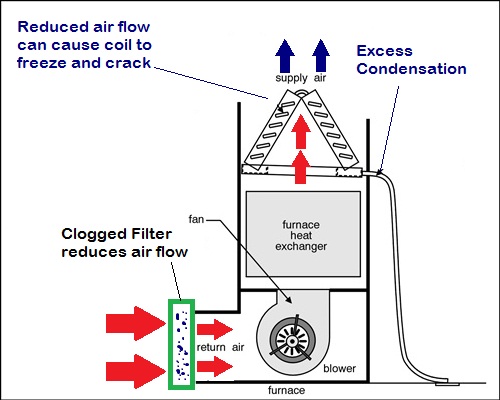
Physical obstructions in your air purifier’s ventilation system trigger protective blinking lights as a safety measure. Dust buildup on intake or exhaust vents, furniture placed too close to the unit, or accidental introduction of foreign objects can all restrict airflow. When this happens, internal temperatures rise as heat generated during operation can’t dissipate properly. Temperature sensors detect these unsafe conditions and activate warning lights to prevent potential motor damage or fire hazards.
Quick Diagnostic Test: Place your hand near the exhaust vent while the unit runs. If airflow feels significantly weaker than usual or the air feels unusually warm, you likely have an obstruction. Check both external vents and surrounding clearance—most units require at least 6-12 inches of open space on all sides for proper operation.
Proper Reset Procedures After Filter Replacement
Many homeowners replace filters only to find the blinking light persists because they skipped the critical reset step. Modern air purifiers require explicit reset procedures after filter changes to recalibrate their monitoring systems. Without this reset, your unit continues signaling “filter needs replacement” despite having fresh media installed.
The Sans Mini Air Purifier exemplifies this common issue with its specific 7-second reset protocol. For this model, press and hold the UV light button (or main power button if no UV function exists) for exactly seven seconds after installing a new filter. Other brands have equally specific requirements—some need button combinations, others require menu navigation. Always consult your manual for the exact reset procedure rather than guessing, as incorrect attempts can sometimes trigger additional error codes.
Step-by-Step Troubleshooting for Persistent Blinking
When your air purifier light won’t stop blinking, follow this systematic approach before calling for service:
-
Perform a power cycle: Unplug your unit for five minutes to discharge internal capacitors and reset the firmware. This fixes approximately 30% of blinking issues caused by temporary glitches.
-
Inspect and clean the filter: Even recently replaced filters can become prematurely clogged. Remove it and hold against bright light—if visibility is poor, clean or replace it regardless of appearance.
-
Verify adequate clearance: Ensure your unit has proper space around it—minimum 6 inches from walls and furniture on all sides. Relocate if necessary and observe if blinking stops.
-
Check for error codes: Some models display numeric codes alongside blinking patterns. Document both for accurate diagnosis.
Critical Signs You Need Professional Repair Service
Certain blinking scenarios demand immediate professional attention rather than continued DIY troubleshooting:
- Blinking resumes within minutes after completing filter replacement and reset
- Unusual burning smells or sounds accompany the flashing light
- The unit displays specific error codes (document the exact pattern)
- Blinking persists after multiple power cycles and filter maintenance
- Families with respiratory conditions, children, or elderly members experience symptom flare-ups
These situations indicate internal component failures beyond typical user maintenance capabilities. Delaying professional service risks complete unit failure and exposes vulnerable household members to compromised air quality.
Preventive Maintenance to Avoid Future Blinking Issues
Implement these simple practices to minimize blinking light incidents:
- Monthly exterior cleaning: Wipe down housing with a dry microfiber cloth to prevent dust migration to internal components
- Quarterly deep inspection: Check vents, filters, and surrounding clearance even when no blinking occurs
- Maintenance log: Track filter changes, reset dates, and any blinking incidents to identify patterns
- Strategic placement: Position your unit away from direct sunlight, heat sources, and high-traffic areas where obstructions might occur
Pro Tip: Set digital reminders for filter changes based on your specific environment—homes with pets may need changes every 6-8 weeks rather than the standard 3 months.
When your air purifier’s light starts blinking, it’s not just being annoying—it’s protecting your investment and your family’s health by alerting you to conditions that compromise indoor air quality. By understanding these signals and responding appropriately, you ensure your purifier continues delivering the clean, healthy air your household depends on. Don’t ignore those flashes—they’re your first line of defense against deteriorating indoor air quality. Address blinking lights promptly using these targeted solutions, and you’ll extend your unit’s lifespan while maintaining optimal air purification performance.