Dry winter air can leave your rabbit’s sensitive respiratory system vulnerable, making you wonder whether a humidifier could help. You’ve likely noticed your bunny sneezing more or developing dry, flaky skin during heating season, prompting the urgent question: are humidifiers safe for rabbits? Since rabbits breathe 30-60 times per minute and have delicate nasal passages, improper humidity control could do more harm than good.
While comprehensive scientific studies on this specific topic remain limited, established rabbit care guidelines and veterinary consensus provide clear safety parameters. The critical factor isn’t whether humidifiers are inherently safe or dangerous—it’s how you implement them. This guide delivers actionable steps every rabbit owner must take to safely use humidifiers without compromising your pet’s respiratory health.
Optimal Humidity Levels for Rabbit Respiratory Health
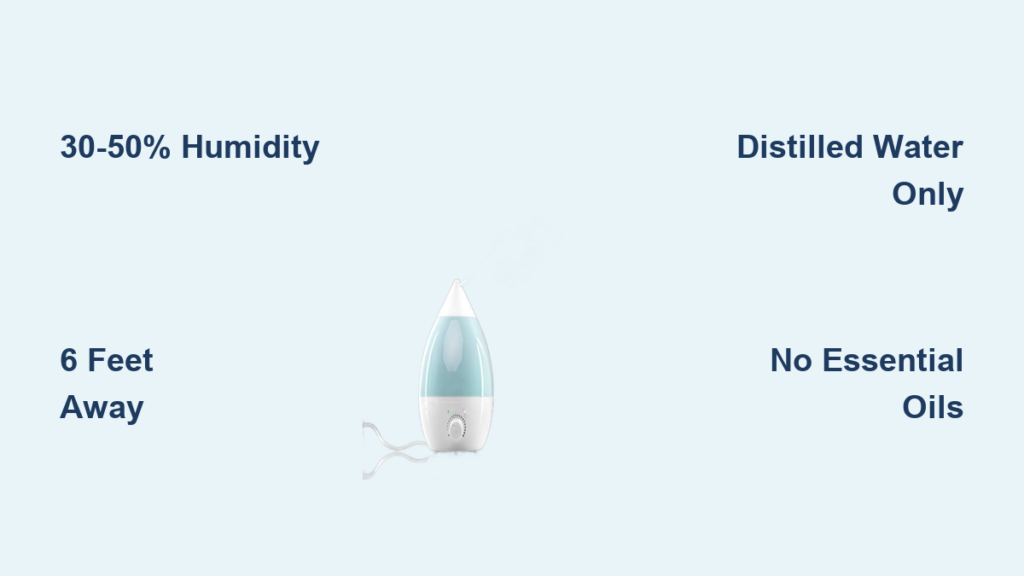
Rabbits require precise humidity control between 30-50% to maintain respiratory wellness. Levels below 30% cause dry mucous membranes that can’t effectively filter airborne particles, increasing infection risks. Humidity exceeding 50% creates ideal conditions for bacteria and mold that trigger serious respiratory infections in rabbits, who are particularly susceptible to pathogens like Pasteurella multocida.
Seasonal Humidity Requirements
- Winter: Maintain 35-45% to counteract heating system dryness without creating damp conditions
- Summer: Keep at 40-50% only if air conditioning creates excessive dryness
- Transitional seasons: Target 35-40% to prevent sudden humidity fluctuations
Breed-Specific Humidity Needs
Long-haired breeds like Angoras require humidity at the lower end (30-40%) to prevent matting and skin issues, while short-haired breeds tolerate slightly higher levels (40-50%). Elderly rabbits or those with pre-existing respiratory conditions need stricter humidity control between 35-45% to reduce pneumonia risks.
Choosing the Safest Humidifier Type for Rabbit Rooms
:max_bytes(150000):strip_icc()/humidifiers-ultrasonic-vs-evaporative-humidifiers-1908160-final-5c93ceaa4cedfd0001f1695a.png)
Ultrasonic Humidifiers: Best for Rabbit Environments
Ultrasonic models produce cool mist through high-frequency vibrations without heating elements, making them the safest option for rabbit rooms. Their near-silent operation prevents stress from noise, but they require distilled water to avoid dispersing minerals that could irritate sensitive rabbit airways. Look for models with adjustable mist output to precisely control humidity levels.
Evaporative Humidifiers: Moderate Risk
These units use fans to blow air through wet wicks, creating naturally regulated humidity. While generally safe, they require frequent filter changes to prevent bacterial growth that could harm your rabbit. The fan noise may distress noise-sensitive bunnies, so choose models with quiet operation below 35 decibels.
Steam Vaporizers: High Risk for Rabbits
Avoid steam vaporizers entirely in rooms with rabbits. The boiling water creates burn hazards if knocked over, and the warm mist significantly raises room temperature—dangerous for rabbits who overheat easily. The intense heat also concentrates any airborne pathogens, increasing respiratory infection risks.
Critical Placement Guidelines Every Rabbit Owner Must Follow
Minimum Safe Distance from Enclosures
Position humidifiers at least 6 feet from your rabbit’s habitat, with 10-12 feet being optimal for proper mist dispersion. Never allow direct mist to flow toward your rabbit’s enclosure, as localized over-humidification can cause damp bedding and respiratory distress. For small rooms under 100 square feet, use the smallest capacity humidifier available and monitor humidity hourly.
Strategic Elevation for Safe Distribution
Place humidifiers at table height (3-4 feet) rather than floor level to prevent mist from settling around your rabbit’s breathing zone. Keep units away from heating or cooling vents that create inaccurate humidity readings, and position them to maximize natural air circulation throughout the room without creating drafts in your rabbit’s living area.
Essential Monitoring and Maintenance Protocols
Daily Humidity Verification Process
Check humidity levels twice daily using a digital hygrometer positioned at rabbit eye level inside the enclosure. Morning readings should catch overnight accumulation, while evening checks identify daytime patterns. Immediately address any readings above 50% or below 30%, and watch for warning signs like wet bedding, water droplets on enclosure bars, or condensation on windows.
Weekly Deep Cleaning Routine
Empty and disinfect the water reservoir with white vinegar weekly to prevent bacterial growth. Replace filters according to manufacturer guidelines—even slight neglect creates harmful pathogens. Inspect hidden crevices for mold growth, and wipe surrounding surfaces to remove mineral deposits that could affect air quality.
Warning Signs Your Rabbit Isn’t Tolerating the Humidifier
Behavioral Distress Indicators
Excessive grooming or fur pulling signals skin irritation from improper humidity. Reduced activity, increased hiding, or respiratory noises like wheezing indicate respiratory distress. Decreased appetite lasting more than 12 hours requires immediate attention, as rabbits can develop gastrointestinal stasis rapidly when stressed.
Emergency Physical Symptoms
Damp fur around the face or chest indicates localized over-humidification. Runny nose or eye discharge often precedes serious respiratory infections. Rapid breathing exceeding 60 breaths per minute or blue-tinged ears signal oxygen deprivation requiring urgent veterinary care. If you notice these symptoms, turn off the humidifier immediately and increase room ventilation.
Water Quality and Dangerous Additives to Avoid
Safe Water Selection Criteria
Always use distilled water to prevent mineral dispersion that irritates rabbit airways. Filtered tap water is acceptable only if processed through a carbon filtration system. Tap water should be avoided unless your local water report confirms low mineral content, as hard water creates visible “white dust” that rabbits inhale.
Toxic Additives That Endanger Rabbits
Never add essential oils, Vicks VapoSteam, or antimicrobial agents to humidifier water—these contain compounds like camphor, eucalyptus, and menthol that are toxic to rabbits even in small amounts. Homemade solutions with vinegar, bleach, or alcohol create vapors that cause severe respiratory damage. Rabbits lack certain liver enzymes to process these chemicals safely.
Alternative Humidity Control Methods Without Humidifiers
Natural Humidity Solutions
Place large bowls of water near (but not inside) your rabbit’s enclosure for gentle moisture release. Live plants like spider plants and Boston ferns naturally regulate humidity while improving air quality. Hang clean damp towels in adjacent areas, or use small aquariums to provide consistent, controlled humidity increases without mechanical risks.
Room Modification Strategies
Install doorway barriers to prevent dry air from other rooms affecting your rabbit’s environment. Seal windows to block cold, dry outdoor air infiltration during winter. Create dedicated humidity zones in separate rooms, allowing you to maintain optimal conditions for both human comfort and rabbit health without direct exposure.
Critical Safety Features When Selecting a Rabbit-Safe Humidifier
Non-Negotiable Safety Elements
Choose models with automatic shut-off to prevent dangerous over-humidification. Ensure adjustable mist output for precise environmental control. Verify quiet operation below 35 decibels to avoid stress from noise. Only select cool mist units that eliminate burn risks associated with warm mist technology.
Advanced Protection Features
Models with built-in hygrometers maintain set humidity levels automatically, providing consistent conditions without constant monitoring. Timer functions limit operation to specific hours, while remote monitoring capabilities let you check levels without disturbing your rabbit. Filter change indicators ensure consistent air quality by preventing delayed maintenance.
Creating a Fail-Safe Humidity Environment for Your Rabbit
Essential Room Setup Checklist
Place digital hygrometers at rabbit eye level inside the enclosure and at room center height. Maintain minimum 6-foot distance between humidifier and habitat. Ensure good air circulation without drafts directly hitting your rabbit. Confirm no condensation forms on windows or walls, and verify all bedding remains clean and dry.
Emergency Response Plan
Designate a “rabbit-safe room” that maintains 35-45% humidity naturally, allowing immediate relocation if humidifier issues arise. Keep your exotic veterinarian’s emergency contact readily available, and never hesitate to consult them when humidity-related concerns emerge. Remember that your rabbit’s respiratory health depends on your vigilance with humidity control.
Key Takeaways for Safe Humidifier Use
Humidifiers can safely improve your rabbit’s comfort during dry conditions when implemented with precision. The critical factors are maintaining 30-50% humidity, providing adequate distance from enclosures, and monitoring for early distress signs. Always prioritize your rabbit’s respiratory health over human comfort preferences.
Start humidifiers at the lowest setting, measure humidity levels consistently at rabbit eye level, and adjust gradually based on your pet’s response. Never add any substances to the water reservoir, and maintain rigorous cleaning schedules to prevent bacterial growth. When in doubt about your rabbit’s reaction to humidity changes, consult an exotic veterinarian immediately—your bunny’s wellbeing depends on your informed decisions.