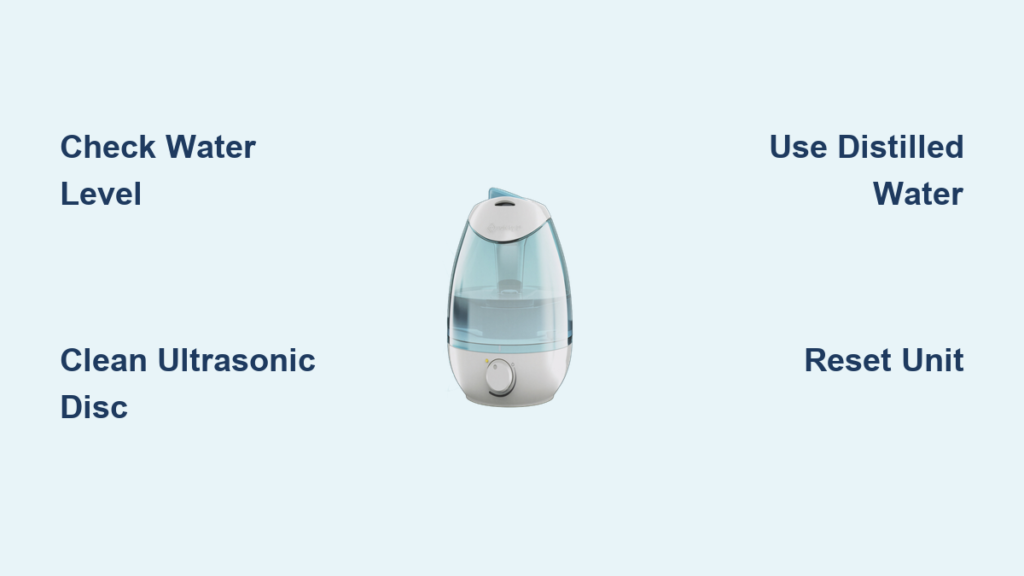
Waking up with a scratchy throat and dry skin while your cool mist humidifier sits silent is incredibly frustrating. That comforting mist has vanished, leaving you with static shocks and uncomfortable dry air. Most humidifier failures aren’t permanent—they’re caused by simple issues you can diagnose and fix in under 30 minutes. This guide delivers step-by-step solutions to restore proper function to your cool mist humidifier, whether it’s producing no mist, strange sounds, white dust, or unpleasant odors.
No Mist Production: Top Causes & Solutions
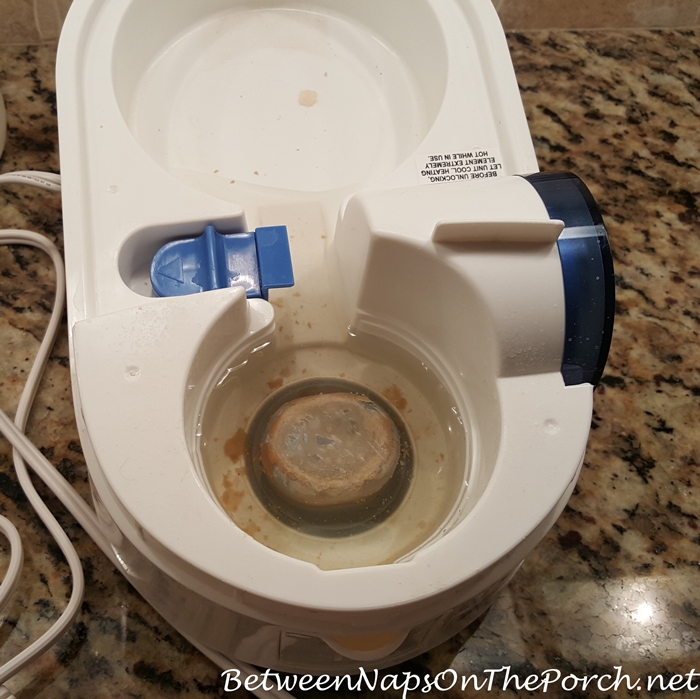
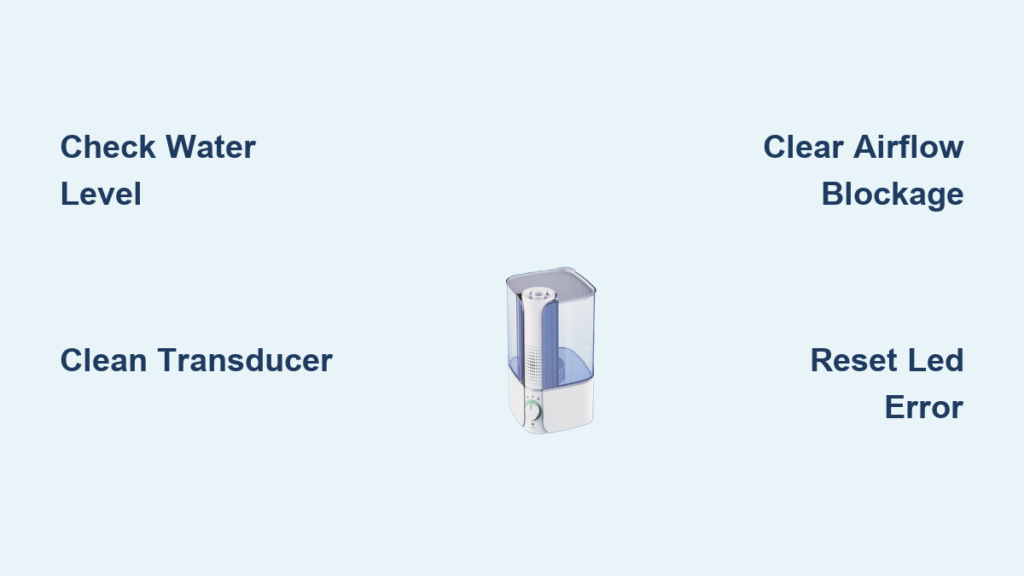
When your humidifier runs but produces no visible mist, mineral buildup on the ultrasonic disc is usually to blame. The high-frequency vibrations that create mist get blocked by scale deposits from hard water, effectively silencing your unit’s primary function.
Empty Tank Check
Verify your water tank contains adequate water—many units automatically shut off when levels drop below the minimum line. Refill with fresh water, being careful not to exceed the maximum fill mark. If the tank appears full but the unit still won’t mist, improper seating is likely preventing water flow to the ultrasonic mechanism.
Proper Tank Seating
Lift the tank entirely off the base and reposition it firmly, listening for the distinct click that indicates proper placement. A slightly crooked tank creates an air gap that disrupts the water flow path to the ultrasonic disc. Misalignment is especially common after cleaning when components aren’t fully engaged.
Power Connection Test
Confirm your outlet works by plugging in another device, then examine the humidifier’s power cord for damage or kinks. Some models have subtle indicator lights that should illuminate when properly connected—check these carefully in a dimly lit room. If the light doesn’t come on, try a different outlet before assuming internal failure.
Reset Your Unit
Unplug the humidifier for 60 seconds to reset the electronic controls, then plug it back in. This simple action resolves most temporary glitches that prevent mist production. After restarting, adjust your humidity settings incrementally while watching for mist output—sometimes the settings get accidentally changed to maintain levels higher than your current environment.
White Dust Problem: Hard Water Solutions
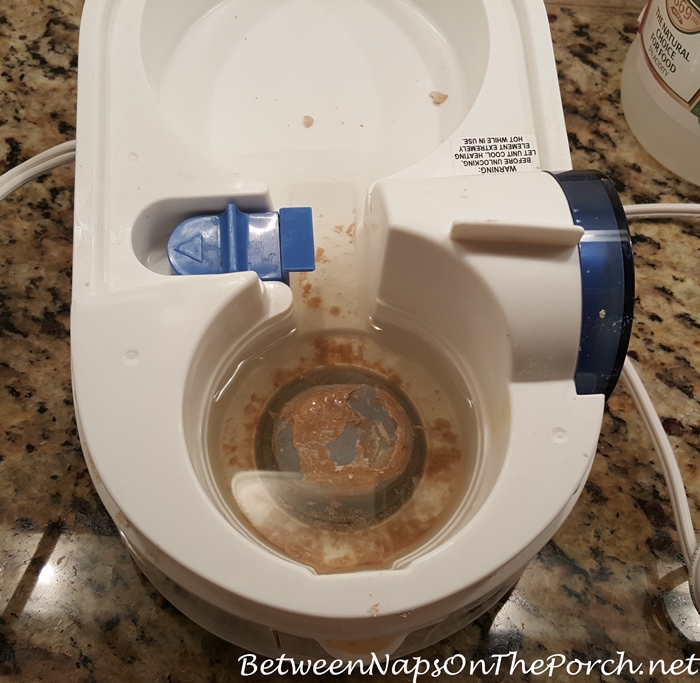
That fine white powder settling on your furniture means your humidifier is dispersing minerals from tap water. Ultrasonic models vibrate these particles into the air as mist, creating the dust problem that frustrates so many cool mist humidifier users.
Switch Water Sources
Immediately switch to distilled water to eliminate white dust production. If distilled water isn’t practical for daily use, filtered water serves as a reasonable alternative. Hard water areas should never use untreated tap water—those minerals will eventually damage internal components beyond cleaning.
Install Demineralization Cartridge
Check your user manual for compatibility with demineralization cartridges designed to trap minerals before they become airborne. These specialized filters fit between the water tank and mist chamber, capturing calcium and magnesium before they can create dust. Replacement every 1-2 months maintains their effectiveness.
Weekly Vinegar Treatment
Run a 50/50 vinegar and water solution through your humidifier weekly to dissolve mineral deposits before they harden. Let the solution circulate for 30 minutes, then rinse thoroughly until the vinegar smell disappears. This prevents white dust from forming and extends your unit’s operational life significantly.
Strange Sounds: Diagnosing Noises
Unusual operational sounds indicate mechanical problems that worsen if ignored. While normal operation includes a gentle hum, loud grinding, persistent gurgling, or rhythmic clicking requires immediate attention to prevent permanent damage.
Gurgling Sounds
Gurgling indicates air struggling through clogged water pathways. Remove the tank and inspect all water passages for debris using a flashlight. Clean mist outlets with cotton swabs and verify intake vents aren’t blocked by dust or pet hair—these obstructions disrupt smooth water flow.
Grinding or Clicking
Turn off the unit immediately if you hear grinding—this suggests mechanical wear or obstruction. Check for loose components, damaged fan blades, or worn bearings. Clicking often comes from the ultrasonic disc struggling against heavy mineral buildup that prevents proper vibration.
Bad Odors: Eliminating Mold & Bacteria
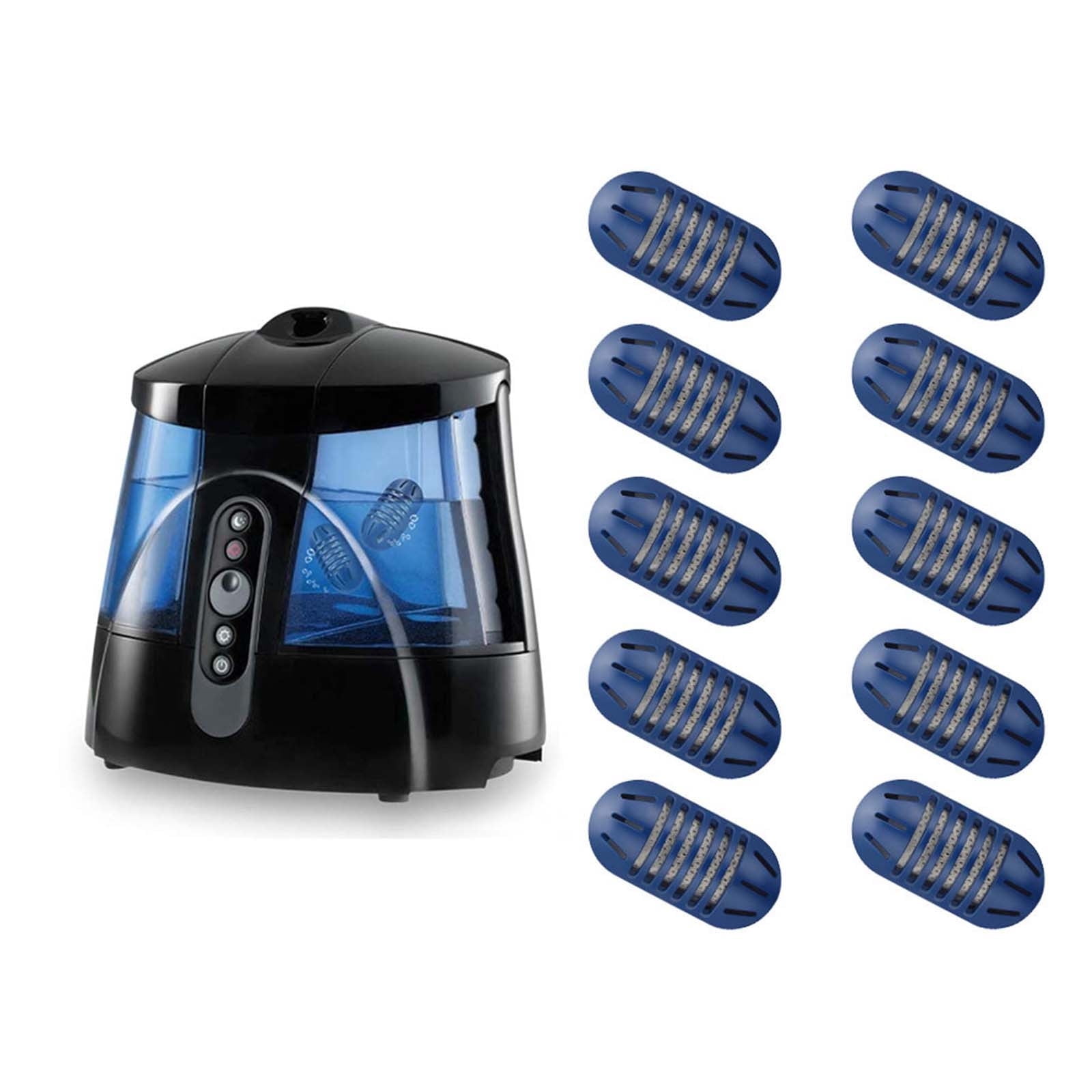
Foul odors from your humidifier mean bacteria or mold is growing inside stagnant water. These unhealthy particles get dispersed into your breathing space, potentially causing respiratory issues or flu-like symptoms with prolonged exposure.
Immediate Water Change
Empty stagnant water immediately—never let water sit for more than 24 hours. Rinse the tank with warm water and refill with fresh water daily to prevent bacterial growth. Stale water becomes a breeding ground for microorganisms within hours.
Deep Clean Protocol
Fill your tank with vinegar solution and let it soak for 30 minutes to kill bacteria and dissolve biofilm. Scrub all interior surfaces with a bottle brush, paying special attention to corners where microbial colonies develop. Rinse thoroughly until the vinegar smell disappears completely before using again.
Filter Replacement
Replace filters showing any discoloration, mold spots, or heavy mineral buildup immediately. Most filters need replacement every 1-3 months depending on usage and water quality. Document your replacement schedule to maintain consistent performance and air quality.
Water Leakage: Finding the Source

Puddles forming around your humidifier indicate a serious issue requiring immediate attention. Left unaddressed, leaks can damage flooring, furniture, and even create electrical hazards when water contacts power components.
Tank Inspection
Remove the water tank and examine it under bright light for hairline cracks, especially around seams and cap threads. Even tiny cracks become significant leaks over time as water pressure builds during operation. Rotate the tank slowly while shining light through it to spot hidden fractures.
Seal and Gasket Check
Inspect all rubber seals and gaskets for wear, cracks, or displacement. These small components prevent leaks but degrade with age and mineral exposure. Most manufacturers sell affordable replacement seal kits that restore watertight integrity when installed properly.
Optimize Performance Settings
Proper configuration ensures your humidifier works efficiently without overworking components or creating excess moisture that leads to mold problems in your living space.
Humidity Target Range
Maintain 30-50% relative humidity for optimal comfort and health. Below 30% causes dry air symptoms, while levels above 50% encourage mold growth. Use a separate hygrometer to verify your humidistat accuracy—many built-in sensors drift over time.
Room Size Matching
Small units (0.5-1 gallon capacity) serve rooms up to 300 square feet effectively. Medium units (1-2 gallons) cover 300-500 square feet, while large units (2+ gallons) handle spaces exceeding 500 square feet. Using an undersized unit in a large room strains components and delivers poor results.
Prevent Future Problems
Establishing simple maintenance routines prevents 90% of common cool mist humidifier failures. These proactive measures take minimal time but significantly extend your unit’s operational life.
Water Quality Management
Commit to using distilled water year-round—the minimal cost difference compared to tap water saves significant cleaning time and extends unit life dramatically. In hard water areas, the savings from reduced maintenance and replacement parts far outweigh the cost of distilled water.
Maintenance Calendar
Create phone reminders for weekly deep cleaning and monthly filter checks. Document any performance changes to catch problems early before they escalate. Consistent maintenance prevents most failures that leave your cool mist humidifier not working when you need it most.
Most cool mist humidifier failures stem from neglect rather than mechanical defects. Establishing simple daily water changes and weekly deep cleaning prevents the mineral buildup and bacterial growth that cause 90% of operational issues. When problems do arise, systematic troubleshooting usually reveals straightforward solutions that restore comfortable humidity levels within minutes—not days. Keep this guide handy for quick reference the next time your humidifier stops working, and enjoy consistently moist air all season long.