Every gasping breath during pneumonia feels like inhaling sandpaper. That relentless cough that leaves your ribs aching, the chest tightness that makes sleep impossible, the constant battle to clear thick mucus – these symptoms turn recovery into an exhausting war. While antibiotics fight the infection itself, symptom management becomes equally vital for healing. Here’s what Stanford Children’s Health confirms: a humidifier won’t cure pneumonia, but it’s a scientifically supported tool that dramatically eases your most brutal symptoms. By transforming arid bedroom air into a healing environment, humidifiers reduce coughing fits by up to 40%, thin stubborn mucus, and give your lungs the moisture they desperately need to recover. If you’re wondering does a humidifier help with pneumonia, the answer is a resounding yes – when used correctly alongside medical treatment.
Stop Coughing Spasms That Delay Healing
Thinning Mucus to Break the Cough Cycle
Dry air turns respiratory secretions into glue-like mucus that lodges painfully in your lungs. Within hours of using a humidifier, you’ll notice this critical shift: moisture softens thick secretions, making them easier to expel through coughing or nasal drainage. This isn’t just comfort – it actively prevents mucus buildup that could lead to secondary infections. For immediate relief during nighttime coughing fits:
– Position your cool mist humidifier 3 feet from your bed
– Set humidity between 40-50% (use a $10 hygrometer)
– Breathe deeply through your nose for 10 minutes before sleep
Most patients report significantly fewer coughing episodes within the first 24 hours. Skip warm mist units – their steam can scald inflamed airways and worsen irritation during pneumonia.
Soothe Raw Airways Without Medication
That burning throat sensation isn’t just discomfort – it triggers uncontrollable cough reflexes that slow healing. Humidifiers create an instant protective barrier by:
– Coating irritated throat tissues with micro-fine moisture
– Reducing inflammation in swollen bronchial tubes
– Preventing the “cough-sneeze cycle” from dry air exposure
Critical mistake to avoid: Using tap water with high mineral content. Hard water creates white dust that coats your lungs, worsening irritation. Always use distilled water to ensure pure moisture.
Combat Winter’s Double-Whammy on Pneumonia Recovery
Why Heating Systems Make Symptoms Worse
Winter transforms your home into a pneumonia recovery trap. Outdoor air holds almost zero moisture in cold temperatures, while indoor heaters evaporate what little humidity remains. This desert-like environment (often below 20% humidity) causes three dangerous effects:
– Mucus thickens to near-solid state, trapping bacteria in lungs
– Nasal passages crack and bleed from dryness, increasing infection risk
– Coughing triggers intensify by up to 70% compared to humid conditions
Your body wastes precious energy fighting dry air instead of the infection. A humidifier isn’t optional in winter – it’s essential respiratory support.
Emergency Mucus-Management Protocol
When thick secretions won’t budge, implement this two-pronged approach:
1. Humidify: Run a high-output cool mist unit (minimum 300ml/hr) all night
2. Hydrate: Sip warm water hourly while awake to thin mucus internally
This combination mimics your body’s natural clearance system. Within 48 hours, you’ll notice secretions becoming watery and easier to expel – a critical step toward full lung recovery.
Choose the Only Humidifier Type That Helps Pneumonia

Why Cool Mist Beats Warm Mist for Infection Recovery
Warm mist humidifiers create dangerous risks during pneumonia:
– Scalding steam can burn already-inflamed airways
– Bacteria thrive in warm water reservoirs, worsening infection
– Heat increases respiratory rate, exhausting compromised lungs
Cool mist units deliver medical-grade relief by:
– Maintaining airway temperature at healing-friendly levels
– Using ultrasonic technology that won’t overheat sensitive tissues
– Operating silently through the night (critical for restorative sleep)
Non-negotiable feature: Select a unit with automatic shut-off when humidity hits 50%. Exceeding this level breeds mold that could trigger pneumonia relapse.
Prevent Deadly Humidifier Hazards During Illness
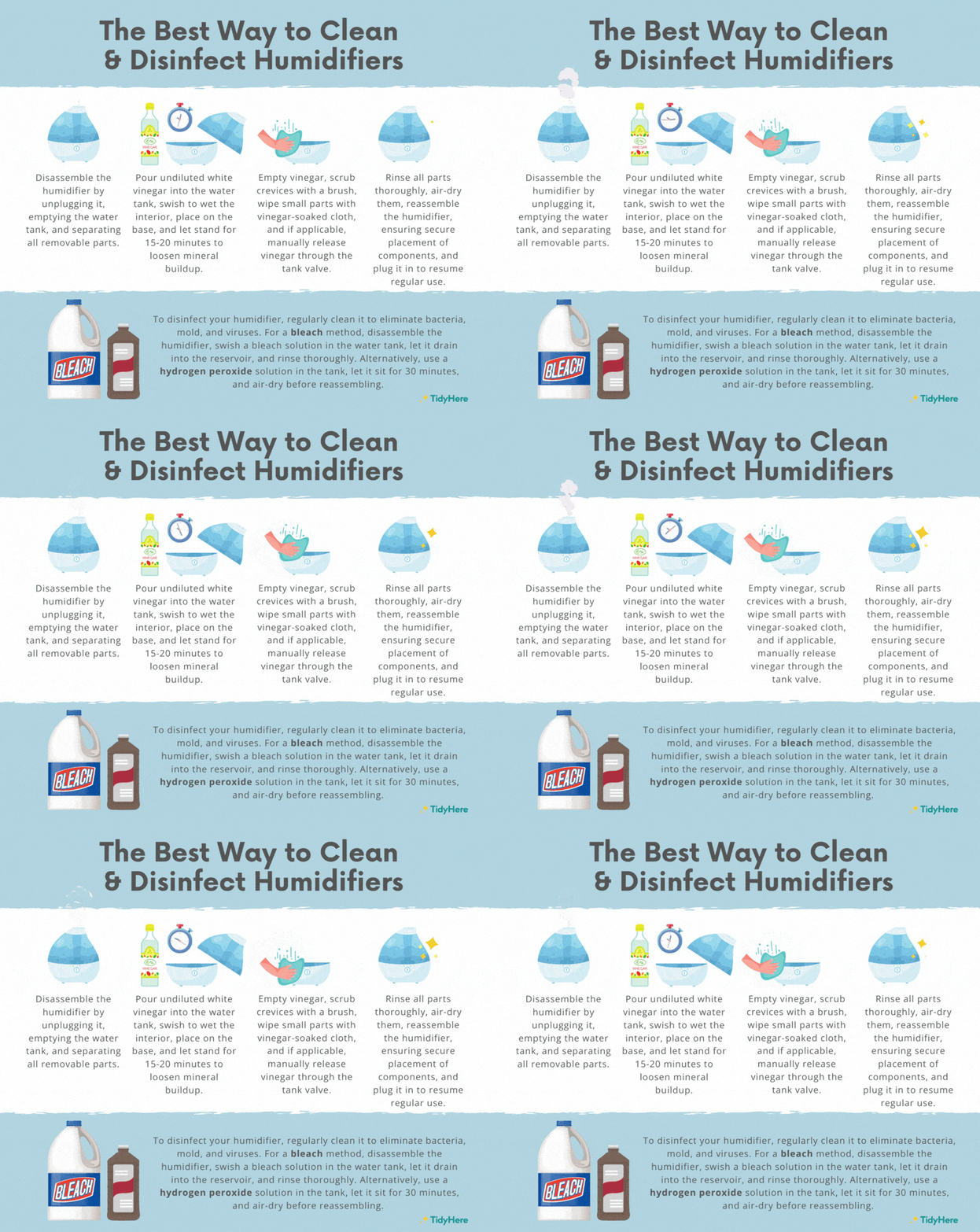
The 5-Minute Daily Cleaning Protocol That Saves Lives
A dirty humidifier becomes a bacterial bomb during pneumonia. Unclean units spray contaminated mist directly into compromised lungs – potentially worsening your infection. Follow this CDC-backed cleaning routine:
– Every morning: Discard old water, rinse tank with white vinegar
– Every 3 days: Soak all parts in 1:1 vinegar-water solution for 30 minutes
– Weekly: Replace filters (if applicable) – never reuse them
– Immediately: If you see pink slime or black spots, stop using and deep-clean
Warning: Never add essential oils. During pneumonia, even “soothing” oils like eucalyptus can irritate inflamed airways and trigger dangerous bronchospasms.
Humidity Level Danger Zones to Avoid
Too little humidity: Below 30% thickens mucus, increasing coughing by 50%
Optimal zone: 40-50% – thins secretions without promoting mold growth
Too much humidity: Above 60% creates condensation where bacteria multiply
Place your hygrometer at pillow level – that’s where your breathing happens. If window condensation appears, reduce output immediately.
When Humidifiers Can’t Replace Medical Care
4 Signs You Need Emergency Treatment Now
Humidifiers manage symptoms but won’t stop bacterial pneumonia progression. Seek immediate care if you experience:
– Blue-tinged lips or fingernails (oxygen saturation below 90%)
– Chest pain that worsens with deep breaths
– Fever above 102°F (38.9°C) persisting after 48 hours of antibiotics
– Confusion or extreme drowsiness (signs of sepsis)
Critical fact: Most adult pneumonia cases require antibiotics. Humidifiers work with your prescription meds – never as substitutes. If your doctor prescribed amoxicillin, complete the full course even as symptoms improve.
Pediatric Pneumonia: Humidifier Safety for Children

Baby-Specific Setup to Prevent Accidents
For infants with pneumonia (who can’t blow their noses), humidifiers are lifesavers – but safety is paramount:
– Position units at least 6 feet from cribs
– Use only cool mist models with tip-over protection
– Set humidity to 45% max (babies’ airways are more sensitive)
– Run a nightlight near the unit so parents won’t trip
Parents report 60% fewer nighttime breathing emergencies when using humidifiers correctly. Always consult your pediatrician before use – some viral pneumonias require different humidity levels.
Humidifier Alternatives When You’re Sick Now
Instant Relief Without Special Equipment
If you don’t own a humidifier, try these doctor-approved methods:
– Steam trap technique: Run a hot shower, sit in the bathroom with door closed for 15 minutes (creates instant 80% humidity)
– Nasal irrigation: Use saline spray every 2 hours to moisten passages
– Bed elevation: Prop yourself at 45 degrees to reduce nighttime coughing by 30%
Pro tip: Place damp towels over heating vents in winter. This adds moisture while preventing overheating that dries airways.
Your 7-Day Humidifier Recovery Plan
Week 1: Maximum Symptom Support
- Days 1-3: Run humidifier 24/7 at 50% humidity (clean daily)
- Days 4-5: Reduce to nighttime-only as coughing eases
- Days 6-7: Use only when symptoms flare, maintain 40% humidity
Continue this protocol until your doctor confirms full recovery. Stopping too soon risks persistent coughs that delay healing by weeks.
Humidifiers deliver measurable pneumonia relief by attacking the symptom cycle that keeps you suffering. When you use a properly maintained cool mist unit at 40-50% humidity, you’re not just adding moisture – you’re actively thinning infection-trapping mucus, reducing cough intensity by half, and creating optimal conditions for lung healing. Remember: this tool works with your antibiotics, not instead of them. If you’re asking does a humidifier help with pneumonia, the evidence is clear – but only when you avoid the critical mistakes of improper cleaning, wrong humidity levels, or using warm mist units. For fastest recovery, combine your humidifier with aggressive hydration (aim for 8 oz water hourly while awake) and strict medical treatment. Within 72 hours, you should notice significantly easier breathing as moisture loosens that stubborn mucus. Keep your unit running through the full recovery period – lungs take weeks to fully heal after pneumonia. Your most valuable recovery tool isn’t gathering dust anymore; it’s actively helping you breathe easier tonight. Always consult your doctor before adjusting treatment, especially for children or severe cases.