Water pooling around your furnace? Your humidifier drain hose is almost certainly clogged. This isn’t just a nuisance—it’s an emergency waiting to happen. Within hours, that small puddle can warp floorboards, trigger furnace shutdowns, or spread mold through your entire HVAC system. The culprit? Mineral scale, slimy biofilm, or stubborn debris blocking your drain line. The good news: You can clear 90% of clogs yourself in under 30 minutes with tools already in your garage. No plumber needed. This guide delivers battle-tested methods used by HVAC technicians to restore drainage fast—and prevent costly damage.
Spot Clogged Hose Symptoms Before Damage Spreads
Water where it shouldn’t be is your critical warning sign. Check these trouble zones immediately:
– Puddles forming around the furnace base or humidifier cabinet
– Wet spots on ceiling drywall below the unit (common in upstairs installations)
– Musty odors when the HVAC fan cycles on
Overflow From Drain Pan
When water backs up into the humidifier’s collection tray instead of flowing out, you’ve got a full blockage. This creates a dangerous chain reaction: Overflowing water saturates insulation, corrodes electrical components, and may trigger emergency shutoffs. Pro tip: Shine a flashlight into the pan—if water sits above the bottom metal lip, disconnect power NOW.
System Shutdown Patterns You Can’t Ignore
Modern humidifiers automatically cut power when float switches detect backup. If your furnace displays error codes like “E4” (Honeywell) or “HL” (AprilAire), the drain hose is the prime suspect. Don’t reset the system—this just repeats the overflow cycle. Critical note: Persistent “E4” codes after clearing the hose often mean mineral buildup damaged the solenoid valve.
Listen for Gurgling or Hissing Clues
Air trapped by partial blockages creates distinctive sounds during operation:
– A gurgling noise when the humidifier first activates
– Hissing during shutdown as air rushes through narrowed passages
These indicate 30-70% blockage—enough to restrict flow but not trigger full shutoff. Address immediately before complete failure.
Identify Root Causes Fast to Target Your Fix
Mineral deposits cause 70% of clogs in hard water areas (over 7 gpg hardness). Calcium and lime scale gradually cement the hose interior into a narrow straw. Steam humidifiers are especially vulnerable—their boiling cycles concentrate minerals 3-5x faster than bypass models.
Biological Growth You Can’t See
Mold and algae thrive in dark, stagnant hoses between cycles. Check the drain outlet: Black specks indicate Aspergillus mold; green film means algae colonies. These biofilms absorb moisture like sponges, swelling to block flow. Units in humid climates or with infrequent use are high-risk.
Physical Obstructions Trapped at Kinks
Sediment like rust flakes from pipes or plastic fragments from degraded components enter via the water supply. Kinked hoses are disaster zones—debris snags at bends and accumulates like a clogged artery. If your hose has sharp 90° turns, expect blockages within 6 months.
Quick Diagnostic Steps Before You Start

Safety first: Turn off power at the breaker. Water contacting live electrical components risks electrocution or furnace damage. Never skip this step.
Visual Inspection Method
Examine the entire hose path:
1. Trace from humidifier outlet to drain connection
2. Check for kinks, cracks, or visible white/green crust inside clear vinyl hoses
3. Feel for rigid sections (mineral buildup) vs. flexible areas
Critical find: If the hose slopes upward anywhere, water pools there—creating the perfect clog site.
Simple Flow Test
- Disconnect both hose ends over a bucket
- Pour 1 cup warm water through the humidifier end
- Observe flow at drain end:
– Clear hose: Should flow freely in <5 seconds
– Partial clog: Slow dribble (10+ seconds)
– Full blockage: No flow after 30 seconds
Air Pressure Check
Use a bicycle pump or compressor (max 30 PSI):
1. Seal the drain end with a finger
2. Pump air into the humidifier end
3. Resistance = blockage location
Warning: Exceeding 50 PSI can rupture rubber hoses—stop if you feel strong pushback.
Unclog Drain Hose in 30 Minutes (3 Proven Methods)
Manual Removal Method: Best for Fresh Clogs
Tools needed: Bucket, towel, 1/4″ flexible brush, pliers ($8 at hardware stores)
- Disconnect hose from humidifier and drain (place towel underneath)
- Flush with warm tap water to remove loose debris
- Insert brush tip, twist clockwise while pushing through entire length
- Repeat until brush emerges clean at drain end
- Rinse with 2 gallons water—flow must run clear before reassembly
Time-saver: For kinked hoses, straighten sections first with pliers to access bends.
Vinegar Soak Technique: Dissolves Minerals Naturally
The $2 fix that beats chemicals:
1. Mix equal parts white vinegar and hot water in a bucket
2. Submerge entire hose for 2-4 hours (set timer—don’t exceed 4 hours)
3. Agitate every 30 minutes to dislodge scale
4. Rinse with cold water until vinegar odor disappears
Pro tip: For stubborn steam humidifier clogs, add 1 tbsp citric acid to boost descaling.
High-Pressure Flush: Blasts Stubborn Blockages
When brushing fails:
1. Cap the drain end with a hose plug
2. Attach garden hose to humidifier end
3. Use spray nozzle on “jet” setting
4. Blast water for 60 seconds while wiggling hose
Critical safety step: Keep pressure below 1,500 PSI—higher pressures can burst connections.
Prevent Future Clogs: The 15-Minute Monthly Protocol
Monthly maintenance prevents 90% of clogs. Skip this, and you’ll face emergency repairs mid-winter.
Water Quality Upgrades That Pay Off
- Install a 5-micron sediment filter on the humidifier water line ($15)—stops sand and rust flakes
- For hard water (>3 gpg): Add a water softener. Scale buildup drops 80% with softened water.
DIY test: Dip a water hardness strip in the humidifier supply line—if it reads “Hard” or “Very Hard,” act now.
Hose Design Fixes You Must Implement
1. Use clear vinyl hose (1/4″ ID)—lets you spot buildup early
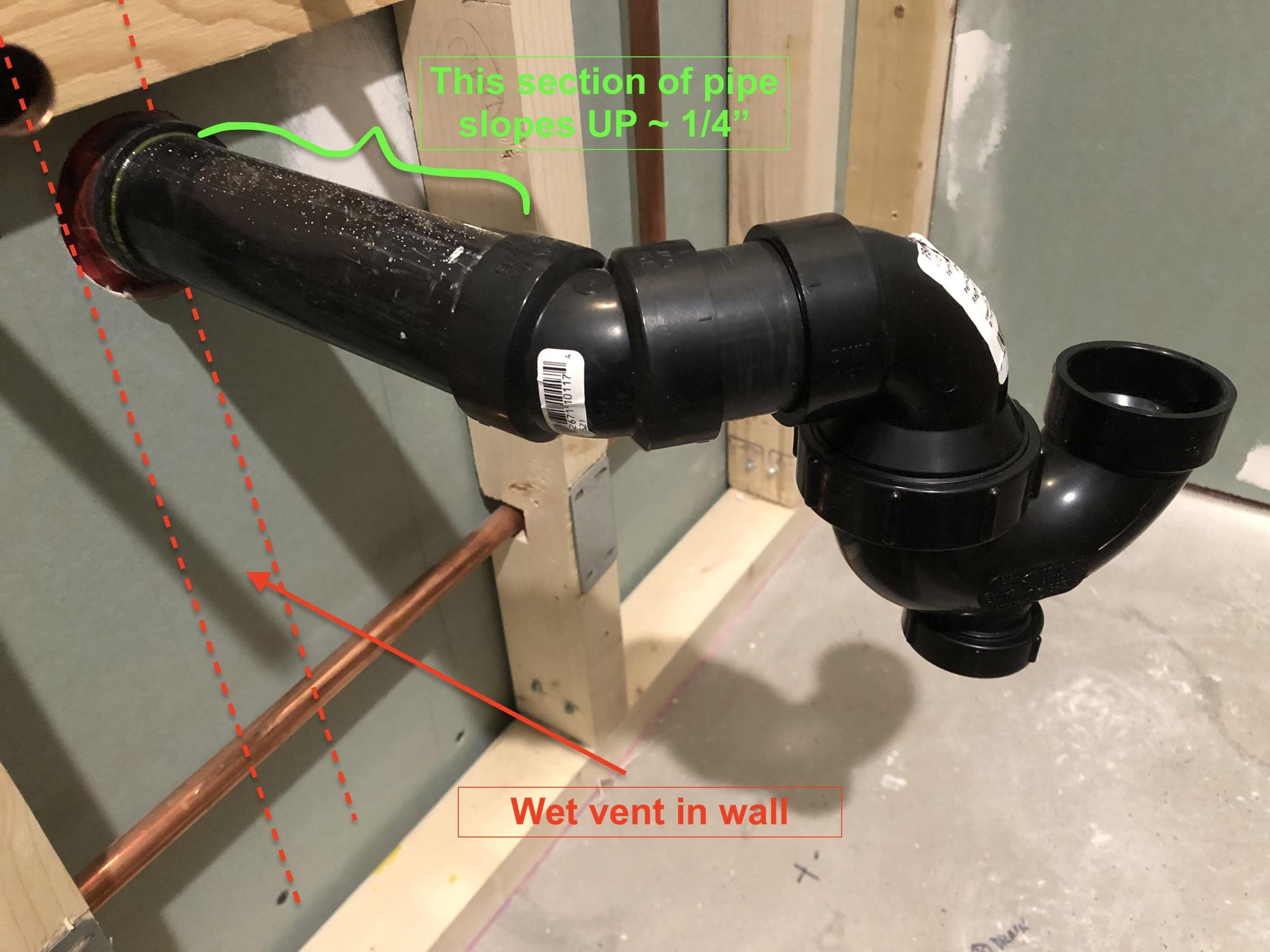
2. Maintain 1/4″ per foot slope toward drain—mark slope with Sharpie during install
3. Support every 12 inches with plastic clamps—prevents sagging pools
Critical mistake: Never route hose through unheated spaces—condensation causes ice blockages.
Seasonal Shutdown: Avoid Spring Mold Explosions
Do this before turning off humidifier for summer:
1. Disconnect hose from unit
2. Blow compressed air (20 PSI) through both ends for 30 seconds
3. Store loosely coiled in a dry basement closet
Why it matters: Trapped moisture breeds mold colonies that release spores when restarted in fall.
When to Replace Instead of Clean
Replace the hose immediately if you see:
– Cracks or brittleness when bent
– Persistent clogs after two cleanings
– Green/black streaks that won’t rinse out
Cost comparison:
– Vinyl hose ($5-15 for 10 ft): Lasts 2-3 years with maintenance
– Braided polymer hose ($20-40): Handles steam temps, lasts 5+ years
Never reuse a degraded hose—savings aren’t worth the flood risk.
Health Impact: Why This Isn’t Just About Your Furnace

Mold spores from clogged hoses circulate through your entire home via HVAC airflow. Lab tests show clogged drain lines increase airborne Aspergillus by 400%—triggering asthma attacks and allergic reactions. That “musty basement smell” when the furnace kicks on? It’s mold from your humidifier. Regular hose maintenance isn’t optional—it’s a health necessity for allergy sufferers.
Final Note: A clogged humidifier drain hose won’t fix itself—it escalates. That small puddle today becomes $2,000 in drywall repairs tomorrow. Grab your vinegar and hose brush now. Spend 15 minutes monthly flushing the line, and you’ll avoid emergency shutdowns all season. Your furnace, floors, and family’s lungs will thank you. For steam humidifier owners: Add a descaling tablet to your water panel monthly—it’s the single best defense against mineral clogs. Keep this guide handy—it could save your home.