Feeling overwhelmed by the dozens of air purifier models promising miracle air cleaning? You’re not alone. With 90% of our time spent indoors where air can be 2-5 times more polluted than outdoors, selecting the right air cleaner becomes a health necessity, not just a luxury. Indoor spaces harbor invisible threats like PM2.5 particles from cooking, VOCs from cleaning supplies, and allergens that trigger respiratory issues—yet most consumers choose units based on price alone, ending up with ineffective machines that waste money and fail to protect their families. This guide cuts through the marketing hype to show you exactly how to choose air purifier that targets your specific pollutants while fitting your space and budget. Forget generic advice—you’ll learn precise measurements for sizing, how to decode confusing ratings, and avoid dangerous models that could harm your health. By the end, you’ll have a clear roadmap to selecting an air cleaner that delivers measurable improvements in your indoor air quality.
Calculate Your Exact Room Coverage Needs
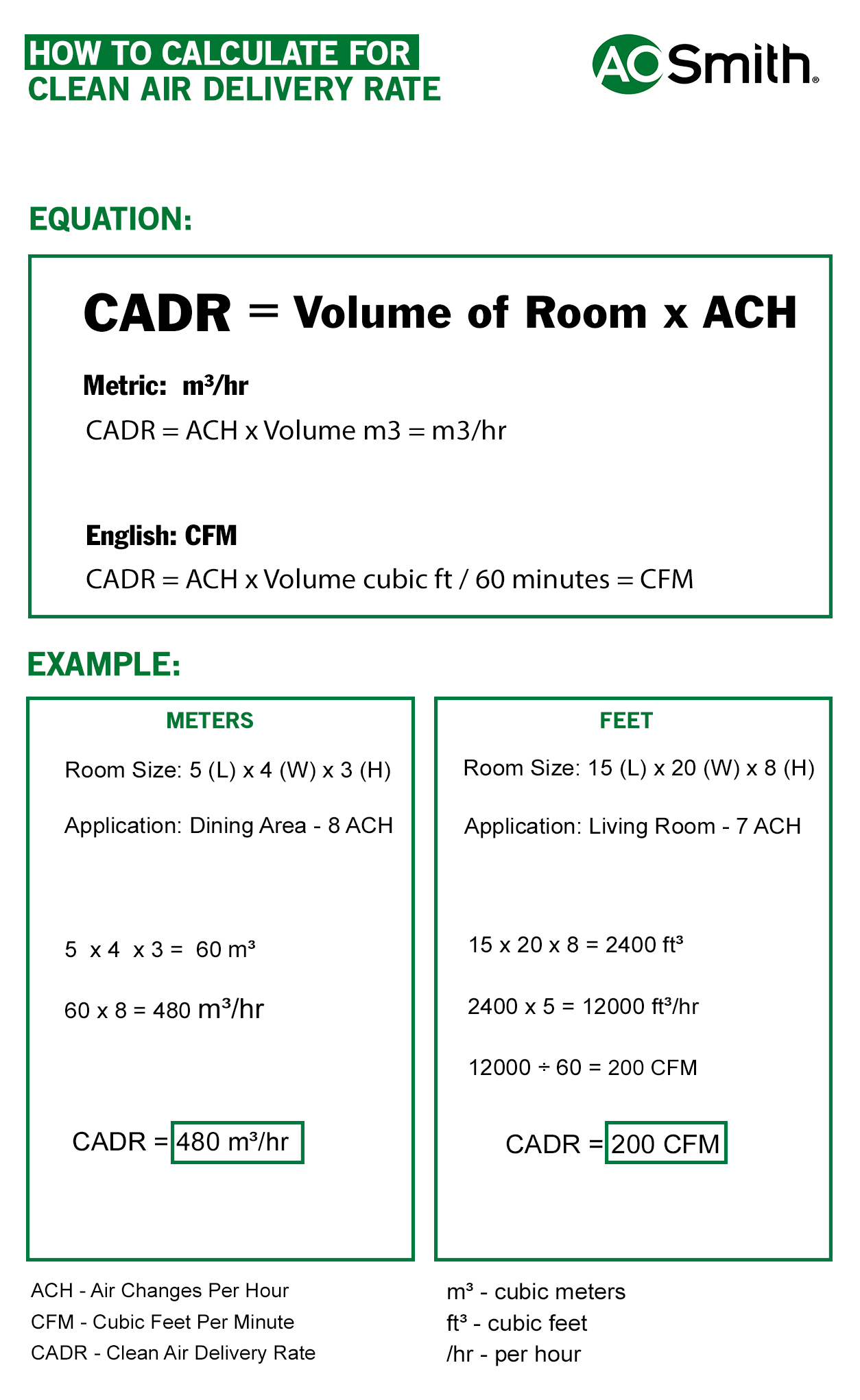
Trying to clean a large living area with an undersized air purifier is like using a coffee filter to drain a swimming pool—completely ineffective. The critical first step in how to choose air purifier is determining your precise room dimensions because undersized units simply recirculate dirty air without meaningful improvement. Measure your space by multiplying length by width to get square footage, then consult the Clean Air Delivery Rate (CADR) chart on product packaging—this tells you exactly how much clean air the unit delivers per minute for specific room sizes. For standard 8-foot ceilings, a 200-square-foot bedroom requires a minimum CADR of 130, while open concept spaces exceeding 400 square feet need units rated at 260 CADR or higher.
Match CADR Ratings to Your Specific Pollutants
Don’t just look at the highest CADR number—examine the breakdown for tobacco smoke (smallest particles), dust (medium), and pollen (largest). Prioritize smoke CADR since these ratings indicate a unit’s ability to capture the most dangerous PM2.5 particles linked to heart and lung problems. If a unit shows a smoke CADR of 200 but pollen CADR of 250, it means the purifier struggles with fine particles while handling larger allergens well. For homes near wildfire zones or with smokers, select units where smoke CADR is at least 80% of the pollen rating to ensure adequate fine particle removal.
Adjust for Real-World Conditions
Standard CADR ratings assume ideal 8-foot ceilings, but most modern homes feature 9-12 foot vaulted ceilings that dramatically increase air volume. For every additional foot of ceiling height beyond 8 feet, increase your required CADR by 15%—a 300-square-foot room with 10-foot ceilings needs a unit rated for 390 CADR instead of the standard 195. In open floor plans, measure the entire connected area rather than individual rooms; if your combined living-dining-kitchen space totals 550 square feet, you’ll need two properly sized units rather than one oversized model that creates uneven cleaning.
Identify Your Target Pollutants Before Buying

Most air purifier failures stem from mismatched technology—using a particle-focused unit when you actually need gas removal. Before spending a dime, pinpoint your specific air quality concerns through simple observation: Do you notice lingering cooking odors? Check for VOC sources like new furniture or recent painting. Persistent allergy symptoms despite clean surfaces suggest fine particulate issues. Homes in wildfire-prone areas require different solutions than those battling pet dander or musty basement smells.
Particle Pollution Solutions
For dust, pollen, mold spores, and wildfire smoke (PM2.5), HEPA filtration is non-negotiable—it captures 99.97% of particles 0.3 microns and larger. Verify that the unit maintains true HEPA standards throughout its airflow path; cheap models often use “HEPA-like” filters that bypass edges. The smoke CADR rating directly indicates fine particle performance—aim for at least 240 CADR for smoke in main living areas. In bedrooms, prioritize units with quiet operation (under 40 dB) since continuous nighttime use delivers the greatest health benefits for allergy sufferers.
Gas and Odor Elimination Strategies
Activated carbon filters remain the only proven technology for removing VOCs, formaldehyde, and cooking odors—but effectiveness depends entirely on carbon quantity. Avoid thin mesh filters barely thicker than paper; instead, seek units with carbon beds at least 1 inch thick containing 3-5 pounds of activated carbon. Check if the carbon is impregnated with potassium permanganate for enhanced formaldehyde removal in new construction. Be skeptical of “gas CADR” claims—no standardized rating exists for gas removal, so manufacturer claims often exaggerate real-world performance.
Avoid Dangerous and Ineffective Technologies
Marketing claims can be dangerously misleading when learning how to choose air purifier, especially with technologies that compromise your health while pretending to clean air. Ozone generators sold as “air purifiers” intentionally produce lung-irritating ozone gas—banned by the EPA for occupied spaces—and often hide behind terms like “energized oxygen” or “activated oxygen.” Even small amounts worsen asthma and can cause permanent lung damage with prolonged exposure. Similarly, avoid units relying primarily on UV-C light, ionizers, or photocatalytic oxidation (PCO), as independent testing shows these technologies produce minimal particle removal while generating harmful byproducts like formaldehyde.
Recognize Misleading Certifications
ENERGY STAR certification indicates only energy efficiency, not air cleaning effectiveness—the EPA explicitly states it “does not endorse any manufacturer claims of healthier indoor air.” Similarly, “HEPA-type” or “HEPA-style” labels signify inferior filters that capture less than 90% of particles. True HEPA filters will state “meets HEPA standards” with specific test data. Be wary of “medical-grade” claims without third-party verification—only units independently tested by AHAM (Association of Home Appliance Manufacturers) provide reliable CADR ratings you can trust.
Optimize Placement for Maximum Effectiveness

Where you position your air purifier impacts performance more than most buyers realize. Place units where people spend the most time—bedrooms during sleep and living areas during waking hours—rather than tucked away in closets or hallways. For optimal airflow, maintain at least 18 inches of clearance around all sides, especially the intake vents typically located at the base or sides. Never position units behind furniture or curtains that block airflow, and avoid corners where air circulation naturally stagnates.
Strategic Multi-Unit Deployment
In homes with multiple problem areas, strategic placement beats one oversized unit. Position one purifier in the bedroom for nighttime protection and another in the main living area for daytime use. For whole-home coverage, combine portable units with your HVAC system—install a MERV 13+ filter in your furnace (replacing it every 60-90 days) while using portable HEPA units in key rooms. This dual approach ensures continuous filtration even when your HVAC system isn’t actively heating or cooling (which occurs over 75% of the time in most climates).
Plan for Realistic Maintenance Costs
The true cost of air purification extends far beyond the purchase price—filter replacements typically add $100-$300 annually. Before buying, calculate your five-year ownership cost by multiplying annual filter expenses by five and adding to the initial price. A $200 unit with $150/year filters costs $950 over five years, while a $400 model with $50/year filters totals just $650—making the more expensive unit actually cheaper long-term. Check if replacement filters are readily available for your model, as discontinued units often become expensive paperweights when filters disappear from the market.
Critical Filter Replacement Timing
Most manufacturers recommend replacing HEPA filters every 6-12 months and carbon filters every 3-6 months, but actual lifespan depends on your air quality. Inspect filters monthly by holding them up to light—a clean HEPA filter shows visible fibers with light passing through, while a saturated one appears dark and opaque. Carbon filters lose effectiveness when they stop adsorbing odors; if cooking smells linger longer than before, it’s time for replacement. Never exceed manufacturer guidelines, as overloaded filters not only lose effectiveness but can release trapped pollutants back into your air.
Verify System Compatibility Before Installation
HVAC filter upgrades require special consideration when how to choose air purifier for whole-home solutions. While MERV 13 filters capture PM2.5 effectively, they create more airflow resistance that can strain older systems. Check your blower motor’s static pressure rating—if unknown, consult an HVAC professional before installation. Signs of incompatible filters include excessive dust buildup on vents, longer heating/cooling cycles, or unusual system noises. Most modern systems handle MERV 13 filters with quarterly replacements, but older units may require MERV 11 or professional modifications like upgraded blowers.
For window AC units or ductless mini-splits, standard filters won’t fit—seek manufacturer-specific solutions designed for your model. Attempting to force incompatible filters creates dangerous gaps where unfiltered air bypasses the system entirely, rendering your purification efforts useless.
Final Note: Choosing the right air purifier requires matching specific technologies to your unique air quality challenges while considering room size, maintenance costs, and safety factors. By focusing on verified CADR ratings for your space, selecting true HEPA and substantial carbon filtration for your pollutant profile, and avoiding dangerous ozone-generating models, you’ll transform your indoor air quality effectively. Remember that air purification works best alongside source control—eliminate pollutant sources where possible and ventilate with fresh outdoor air when conditions allow. With proper selection and maintenance, your air purifier becomes a valuable health investment delivering cleaner, safer air for years to come.