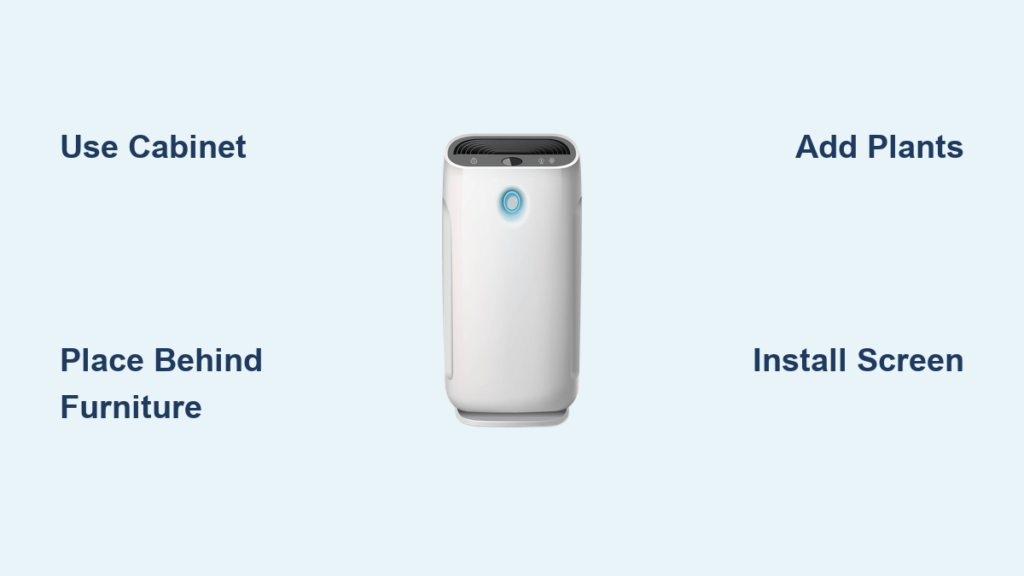
Air purifiers have become essential home appliances, but their clinical appearance often clashes with carefully curated interior design. Whether you have a sleek apartment in New York or a cozy suburban home, learning how to hide an air purifier allows you to breathe clean air without sacrificing your space’s aesthetic appeal. Modern air purifiers can be bulky, noisy, and visually distracting—yet we need them for allergies, asthma, pet dander, and overall indoor air quality. The good news is that numerous creative solutions exist to seamlessly integrate these health-promoting devices into your decor. From built-in furniture solutions to decorative screens and clever placement strategies, this guide explores twelve effective methods to conceal your air purifier while maintaining optimal performance.
Built-In Cabinet Solutions That Blend With Your Decor

Transform your air purifier from an eyesore to an integrated furniture element by housing it in a custom cabinet designed specifically for your space. This approach works particularly well for living rooms where a media console can double as an air purifier enclosure. When selecting or building a cabinet, ensure it features adequate ventilation—slatted fronts or perforated panels that allow airflow while concealing the machine inside. Measure your air purifier carefully before construction, adding at least six inches of clearance on all sides to prevent overheating and maintain efficient operation. Many homeowners match their air purifier cabinet to existing bookshelves or entertainment centers, creating a cohesive look that appears intentional rather than improvised.
Building a Custom Air Purifier Enclosure
Constructing a custom enclosure requires attention to your specific air purifier model’s airflow requirements. Start by measuring your unit’s dimensions, then add clearance space for air circulation—typically 4-6 inches on all sides. Wooden lattice panels work exceptionally well as front covers, providing visual concealment while permitting sufficient air movement. For traditional spaces, consider oak or walnut with classic diamond lattice patterns; contemporary rooms benefit from sleek metal grids or geometric cutouts. Paint or stain your enclosure to match existing woodwork for seamless integration. The critical factor is ensuring unrestricted airflow—your purifier’s intake vents must remain completely unobstructed for optimal performance.
Selecting Ready-Made Cabinet Solutions
Skip the DIY hassle by choosing from the growing market of pre-made cabinets designed specifically for air purifier concealment. These purpose-built solutions feature precise dimensions for popular models like Dyson, Coway, and Levoit units, with ventilation built into the design. Look for cabinets with cable management systems that hide power cords neatly behind the unit. Media consoles with open backs or side panels work particularly well, allowing air to circulate freely while keeping the purifier hidden from primary sightlines. When shopping, verify that the cabinet’s ventilation pattern matches your air purifier’s intake and exhaust configuration—some models pull air from the sides while others require front and back clearance.
Strategic Furniture Placement That Conceals While Functioning
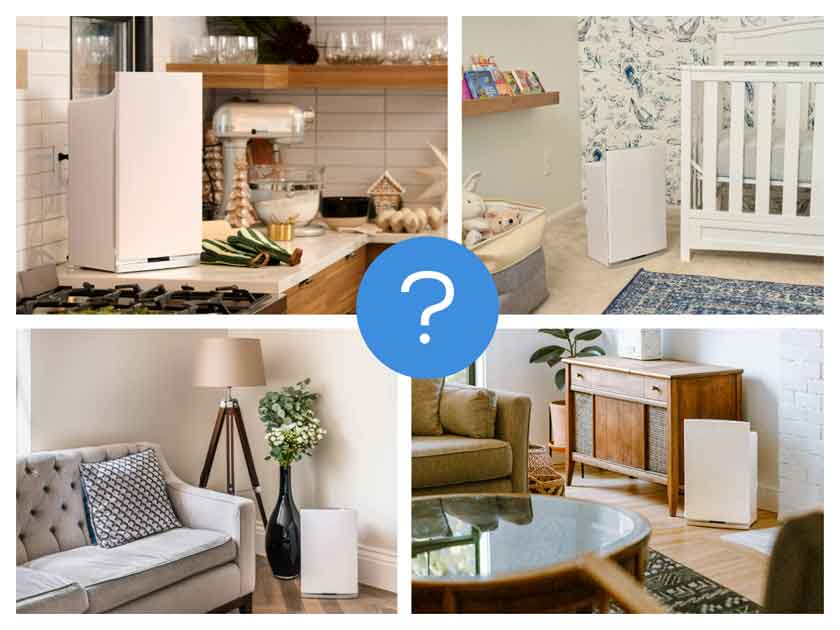
Position your air purifier behind or beside existing furniture to create natural visual barriers without sacrificing performance. This method works especially well in living rooms where sofas, bookcases, and entertainment centers provide multiple concealment opportunities. Place your purifier behind the sofa, ensuring at least 12 inches of clearance between the unit and furniture back to maintain airflow. For corner placements, position a floor lamp or tall plant beside the purifier to draw attention away from the device. Always check that furniture doesn’t block intake vents—most air purifiers require unobstructed side and front panels for proper operation.
Maximizing Under-Furniture Space for Low-Profile Units
Certain slim air purifier models can be positioned beneath console tables, desks, or credenzas for complete visual concealment. This approach works best with units designed for low-profile placement, typically under 12 inches tall. Raise the purifier slightly on a decorative platform or riser to ensure adequate clearance from the floor—dust accumulation happens faster at ground level and can clog filters. Verify that the furniture piece has an open back or sides to allow air circulation; closed cabinets will restrict airflow and reduce purification efficiency. In bedrooms, consider placing compact units beneath platform beds with storage drawers, drilling ventilation holes in the drawer front for discreet operation.
Natural Concealment Using Plants and Greenery
Tall houseplants create living screens that hide air purifiers while enhancing indoor air quality through their natural filtration properties. Position snake plants, fiddle leaf figs, or bird of paradise in front of your purifier to create organic visual barriers that add life to your space. Group multiple plants of varying heights for more effective concealment than a single specimen. This method works particularly well in corners where sightlines are limited, and the plants themselves contribute to cleaner air. Ensure at least six inches of space between plants and your air purifier to prevent moisture damage and maintain proper airflow around the unit.
Creating Layered Plant Screens for Maximum Effect
For superior concealment, build layered plant arrangements that incorporate trailing vines, upright specimens, and wall-mounted varieties. Start with a tall floor plant positioned directly in front of your air purifier, then add medium-height plants to the sides, and finish with pothos or philodendron vines trailing from shelves above. This three-dimensional approach creates depth that effectively masks the air purifier from multiple angles while enhancing your room’s biophilic design elements. The added benefit is improved air quality from both your mechanical purifier and the natural filtration provided by your plants.
Decorative Screens and Room Dividers for Flexible Concealment
Install folding screens or room dividers in front of your air purifier for an elegant solution that adds visual interest to your space. These portable barriers work especially well in open floor plans where traditional furniture placement isn’t feasible. Choose screens with natural ventilation gaps like wooden lattices or metal grids that won’t restrict airflow. For renters, tension rod systems with lightweight fabric panels provide temporary concealment without damaging walls. Position the screen approximately 12-18 inches from your air purifier to ensure adequate clearance while creating an intentional design element rather than an afterthought.
Selecting the Right Screen Material for Your Space
Match your screen material to your existing decor style for seamless integration. Traditional spaces benefit from carved wood or fabric-covered panels that complement existing furniture, while modern interiors work well with geometric metal screens or acrylic panels. In bedrooms, consider fabric screens that also help dampen operational noise for more restful sleep. For high-traffic areas, choose durable materials that can withstand occasional contact without damage. The key is selecting a screen that appears purposeful in your space—position it at an angle that creates visual interest while effectively concealing your air purifier from primary sightlines.
Closet and Utility Room Placement Strategies
Transform a standard closet into an air purification station by installing proper ventilation to maintain performance while completely hiding the unit from view. This solution works best when the closet shares a wall with the room needing purification and has adequate space for air circulation. Replace solid closet doors with louvered versions or install passive vents at the top and bottom to allow air exchange. For optimal results, position the air purifier near the closet entrance rather than deep inside, ensuring purified air can circulate effectively into the main space. This method significantly reduces visual impact while maintaining air quality benefits.
Preventing Overheating in Enclosed Spaces
Closet placement requires careful attention to prevent overheating, which can damage your air purifier and reduce its lifespan. Maintain at least 6 inches of clearance around all sides of the unit, and verify proper airflow by placing a tissue near the closet opening—it should move gently when the purifier operates. Consider adding a small, quiet fan inside the closet to circulate air if your unit runs continuously. Monitor the closet temperature during operation, especially in warmer months, and never place heat-generating items like lamps or electronics near your concealed air purifier.
Matching Concealment Methods to Your Decor Style
Tailor your air purifier concealment approach to complement your existing interior design rather than fight against it. Traditional spaces benefit from wooden cabinets with glass doors and fabric screens that match existing upholstery, while contemporary rooms work well with minimalist metal grids and geometric cutouts. In industrial-style lofts, consider leaving your air purifier partially visible but incorporating it into a curated display of functional objects. The goal is making concealment appear intentional—your air purifier should look like a designed element of your space rather than something you’re trying to hide.
Modern and Minimalist Concealment Techniques
For contemporary spaces seeking clean lines, try mounting your air purifier on a floating shelf with matching wood or metal finishes. Create a wall-mounted enclosure that resembles a picture frame or architectural panel, with discreet ventilation slots that blend with the design. Some homeowners incorporate air purifiers into media walls behind perforated acoustic panels that serve dual purposes. For the ultimate minimalist approach, select an air purifier with a design that complements your aesthetic—models with wood veneer finishes or custom color options can become intentional design elements rather than objects needing concealment.
Maintaining Performance While Hidden
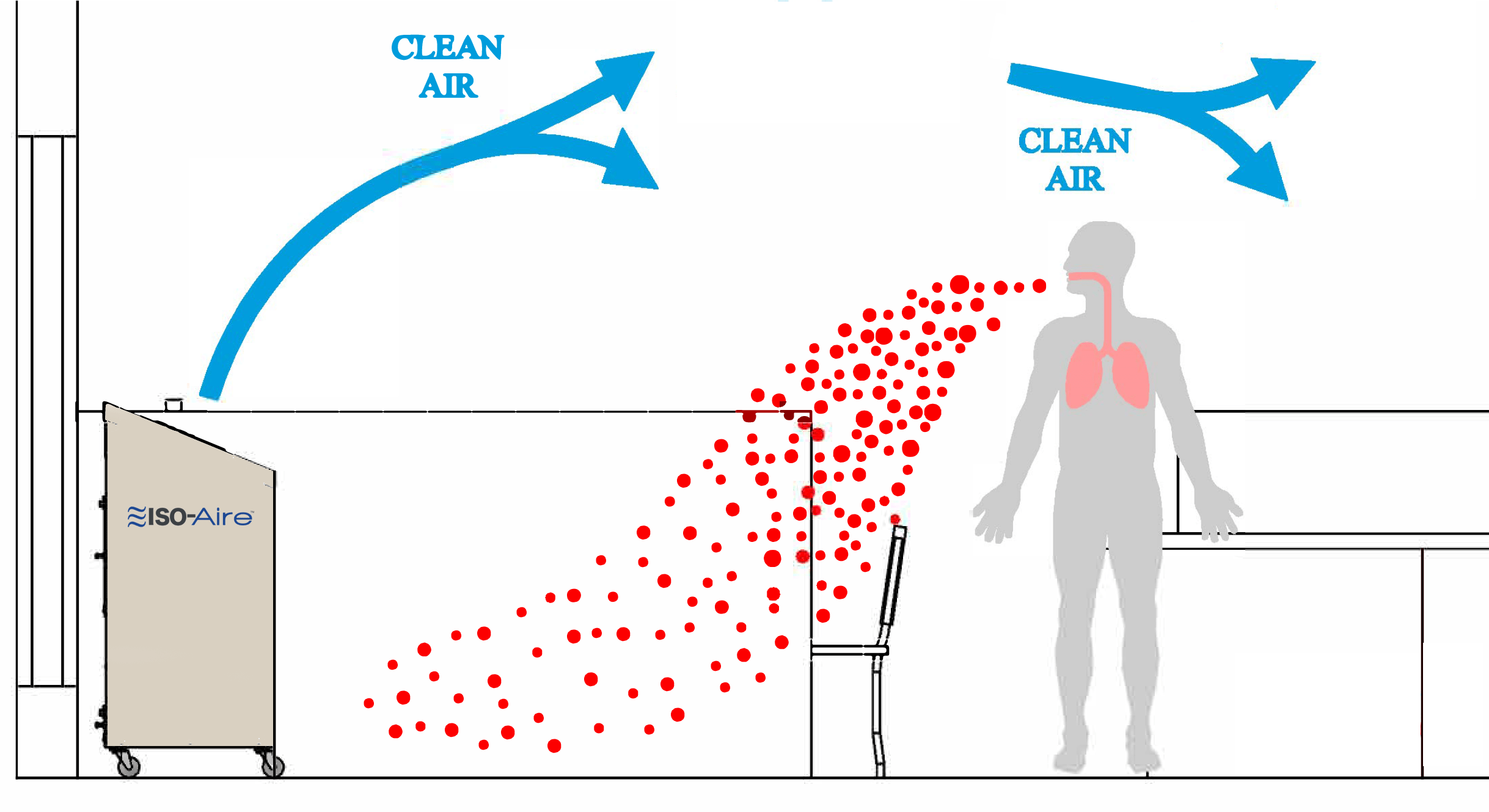
Ensure your concealed air purifier continues operating at peak efficiency by following these critical guidelines. Never block intake vents—most units require at least 12 inches of clearance on sides where air enters. Check manufacturer specifications for your specific model, as some require front and back clearance while others pull air from the top. Monitor performance indicators regularly; if your unit runs constantly or filter indicators activate more frequently, your concealment method may be restricting airflow. Schedule monthly maintenance checks to clean ventilation openings in your concealment structure, preventing dust buildup that could further impede performance.
Accessibility for Filter Changes and Maintenance
Design your concealment solution with maintenance access as a primary consideration. Cabinets should feature doors that open fully or remove completely for filter changes without requiring complete disassembly. Mark filter replacement dates on your calendar and consider setting phone reminders to ensure concealed units don’t get neglected. For screen-based solutions, position them for easy removal—avoid permanent adhesives or complex hardware that complicates access. Remember that regular maintenance keeps your air purifier working efficiently, which matters more than perfect concealment if indoor air quality is your primary concern.
Room-Specific Concealment Solutions for Every Space
Tailor your approach based on the room’s function and typical sightlines. In bedrooms, prioritize noise reduction by placing units inside closets with sound-dampening materials or behind fabric screens. Living rooms require solutions that address multiple viewing angles from various seating positions—console cabinets or room divider screens work well. Home offices benefit from under-desk placement where the unit remains hidden during video calls. Nurseries call for safe, non-toxic concealment methods that keep units out of children’s reach while maintaining optimal airflow for delicate respiratory systems.
Budget-Friendly and Rental-Safe Concealment Methods
Renters and budget-conscious homeowners can effectively hide air purifiers without permanent modifications. Repurpose existing furniture by positioning chairs, plants, or floor lamps strategically to block sightlines. Tension rods with hanging panels or lightweight curtains provide instant concealment that leaves no wall damage. Thrift store finds like decorative screens or wooden crates can be painted to match your decor for under $20. The most cost-effective approach combines multiple low-cost elements—basic furniture risers, a secondhand screen, and strategically placed plants—for comprehensive concealment that respects your budget and lease agreement.
Learning how to hide an air purifier successfully requires balancing aesthetic goals with practical performance considerations. The concealment strategies covered in this guide—from built-in cabinetry to simple furniture rearrangement—offer solutions for every space, budget, and design preference. Remember that concealed air purifiers still require adequate airflow, accessible maintenance, and appropriate power supply. Test any concealment approach by monitoring your purifier’s performance indicators and adjusting as needed. With thoughtful implementation, you can enjoy clean indoor air without compromising your home’s visual appeal—proving that health and aesthetics need not compete in your living spaces.