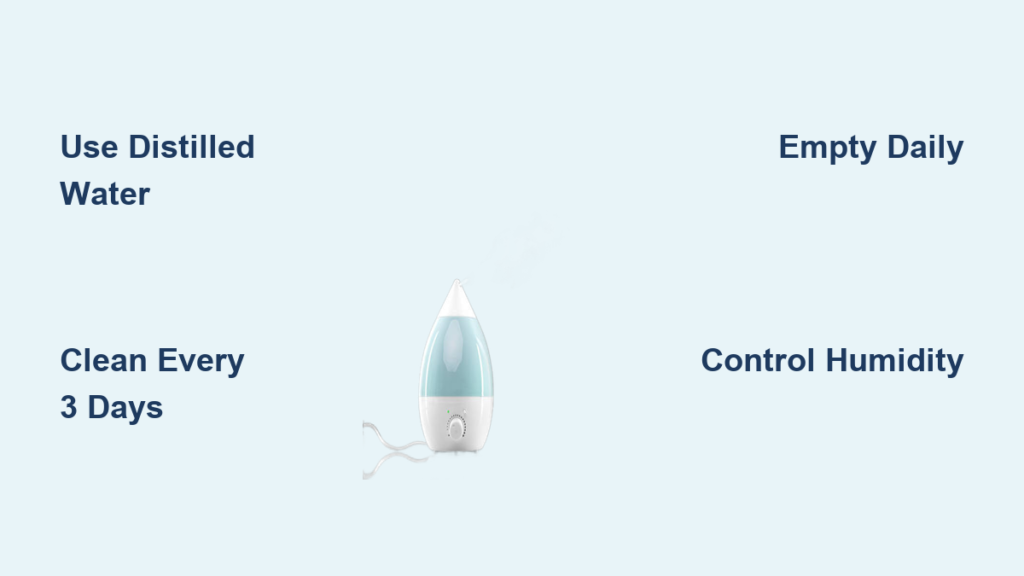
That pink slime coating your humidifier isn’t mold—it’s Serratia marcescens, a stubborn bacteria thriving in damp environments. While harmless-looking, this bacterial film can trigger respiratory infections, asthma attacks, and urinary tract infections, especially in children and elderly household members. The good news? With the right prevention strategy, you can eliminate this health hazard completely. This guide walks you through proven methods to prevent pink bacterial growth, from daily water changes to deep-cleaning protocols that keep your humidifier safe and effective year-round.
Why Your Humidifier Develops Pink Bacterial Growth (Not Mold)
That pink film in your humidifier isn’t mold—it’s Serratia marcescens, a bacteria that creates distinctive pinkish films on moist surfaces. This opportunistic organism thrives specifically in humidifier water tanks, feeding on minerals and organic debris while multiplying rapidly in stagnant conditions. Unlike mold, which requires organic matter to grow, Serratia marcescens flourishes in clean water with trace minerals, making your humidifier a perfect breeding ground.
Visual Identification Checklist:
– Slimy pink film on tank walls
– Thin pink layer on water surface
– Pink residue around vapor spouts
– Pink buildup on internal components
The bacteria’s pink pigment makes it easily noticeable, serving as an early warning system for contamination that demands immediate attention. If you’ve been wondering how to prevent pink mold in humidifier systems, recognizing this bacteria early is your first critical step.
Daily Water Replacement: Your First Line of Defense
Never let water sit overnight in your humidifier. Stagnant water becomes a bacterial paradise within hours. Empty your humidifier completely each morning, rinse the tank, and refill with fresh distilled water only. This simple habit eliminates the stagnant water conditions Serratia marcescens needs to multiply.
Quick Daily Checklist:
– Empty tank completely every 24 hours
– Rinse with warm water to remove initial residue
– Refill with distilled water only
– Add manufacturer-approved bacteriostatic treatment
Skipping this daily routine is the #1 reason homeowners struggle with how to prevent pink mold in humidifier units. Set a morning alarm as a reminder until it becomes second nature—it takes less than a minute but makes all the difference.
Distilled Water vs. Tap Water: The Critical Difference
Tap water contains calcium, magnesium, and other minerals that accumulate as deposits inside your humidifier. These deposits become bacterial food sources, while chlorine and other treatment chemicals can neutralize your cleaning efforts. Distilled water contains zero minerals, cutting off 90% of pink bacteria’s primary food source.
Calculate the cost: a gallon of distilled water ($1-2) prevents health issues worth far more. While more expensive than tap water, the investment protects your family’s respiratory health and extends your humidifier’s lifespan by preventing mineral buildup. If you’ve been using tap water and wondering how to prevent pink mold in humidifier tanks, switching to distilled water is your most effective single action.
Your 3-Day Deep Cleaning Protocol for Pink Bacteria Prevention

Every three days minimum, completely disassemble your humidifier for thorough cleaning. This schedule prevents bacterial colonies from establishing permanent footholds. Waiting longer than three days allows Serratia marcescens populations to double every 20 minutes in warm, moist conditions.
Step-by-Step Weekly Clean:
1. Unplug and empty unit completely
2. Disassemble all components (tank, base, filters)
3. Wash with mild dish soap and warm water
4. Prepare disinfecting solution (equal parts white vinegar and water OR 1 tbsp hydrogen peroxide per cup of water)
5. Submerge non-electrical parts for 30 minutes
6. Scrub away pink residue with soft brush
7. Rinse thoroughly and dry completely before reassembly
This precise cleaning frequency is non-negotiable when learning how to prevent pink mold in humidifier systems. Set phone reminders until the routine becomes automatic.
Humidity Control: Setting Your Hygrometer for Bacterial Prevention

When indoor humidity exceeds 50%, you’re creating a bacterial paradise. Over-humidification not only promotes Serratia marcescens but also encourages other harmful microorganisms. Most homes need humidity between 30-40%—anything higher invites pink bacterial growth.
Install a digital hygrometer near your humidifier and target these optimal settings:
– Winter heating season: 35-45%
– Summer cooling season: 40-50%
– Shoulder seasons: 30-40%
If condensation forms on windows, your humidity is too high and bacterial growth accelerates. Proper humidity control is a crucial but often overlooked aspect of how to prevent pink mold in humidifier environments.
Filter Maintenance: Stopping Pink Growth at Its Source
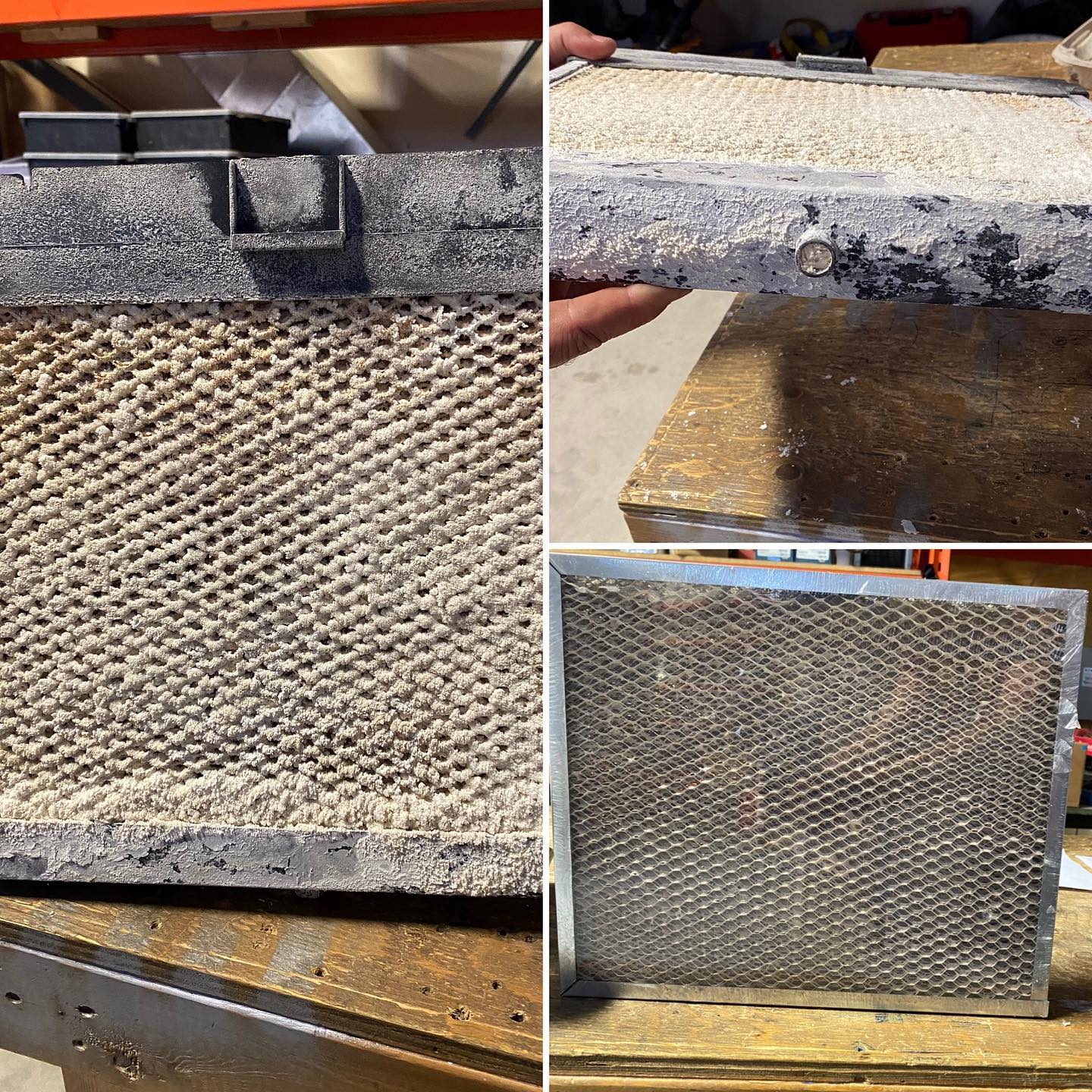
Filters trap minerals and organic matter that feed Serratia marcescens. Regular maintenance prevents these components from becoming bacterial breeding grounds. Follow this filter protocol:
- Replace filters every 1-3 months (check manufacturer guidelines)
- Inspect weekly for pink discoloration or mineral buildup
- Clean vapor spouts with cotton swabs dipped in vinegar solution
- Dry completely before reinstalling to prevent bacterial growth
Many users miss cleaning vapor spouts during routine maintenance, creating hidden reservoirs for pink bacteria. Use a flashlight to inspect hard-to-see areas where moisture accumulates.
Immediate Action Steps When Pink Residue Appears
If pink slime appears in your humidifier, stop using it immediately. This bacteria spreads quickly, contaminating your entire indoor air supply. Follow this emergency protocol:
- Stop using the humidifier immediately
- Complete deep clean following the 3-day protocol
- Replace filters regardless of age
- Monitor health of household members for respiratory issues
- Increase cleaning frequency to daily for next 30 days
After cleaning, run the humidifier with just distilled water (no additives) for 24 hours before resuming normal use. This ensures no cleaning solution residues remain in your air.
High-Risk Household Adjustments for Vulnerable Family Members
Elderly users, children under 5, and anyone with compromised immunity face serious risks from Serratia marcescens exposure. For these households, increase prevention measures:
- Clean humidifier every 48 hours instead of 3 days
- Use UV-sterilizing humidifiers with built-in disinfection
- Add 2-3 drops tea tree oil per gallon for natural antibacterial protection
- Position humidifier away from sleeping areas
- Monitor with real-time air quality sensors
Critical warning: Never use essential oils in humidifiers for high-risk households—they often promote bacterial growth rather than prevent it. Stick with manufacturer-approved bacteriostatic treatments.
Choosing a Humidifier Designed to Resist Pink Bacterial Growth
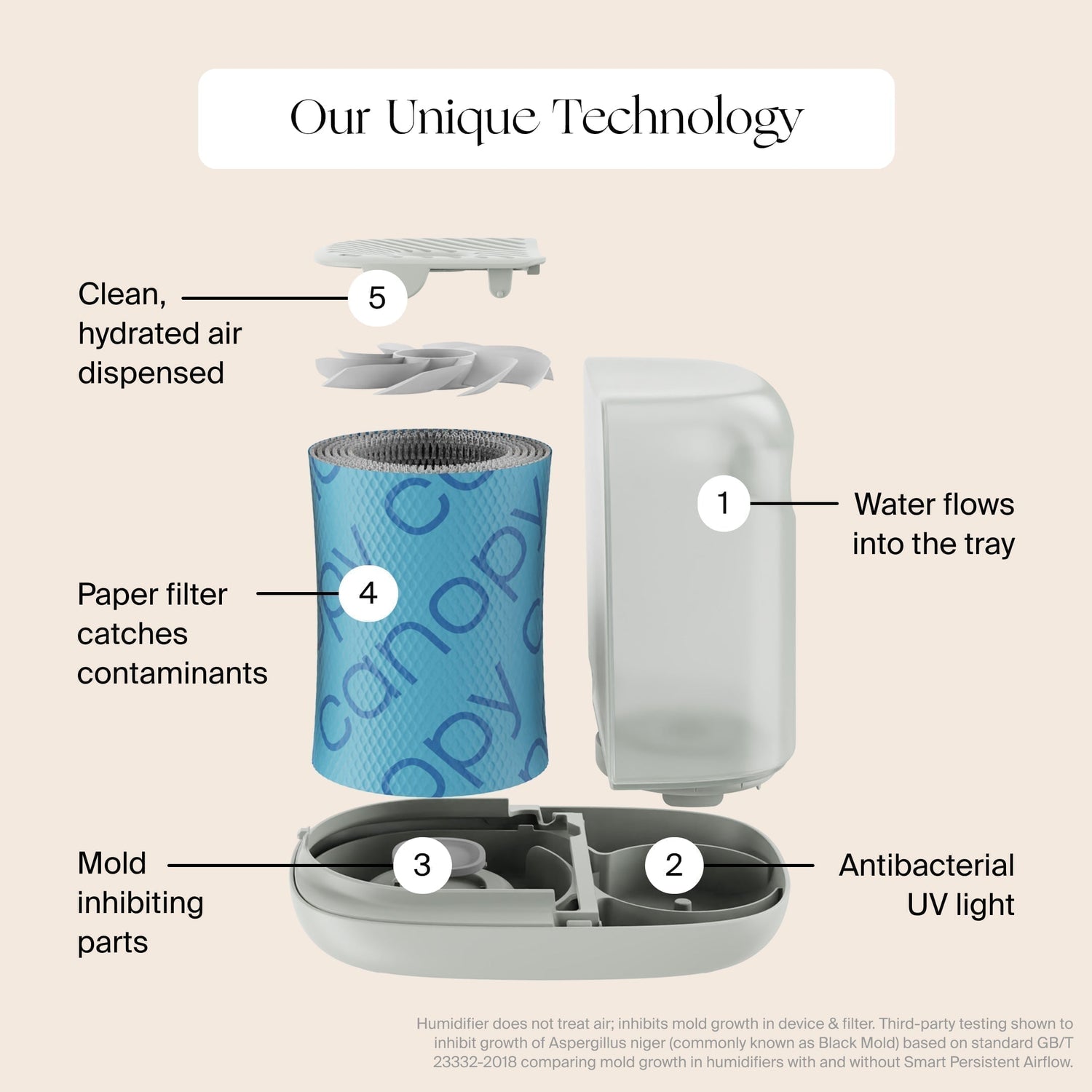
When replacing your humidifier, select models with features that simplify how to prevent pink mold in humidifier maintenance:
- Removable water tanks for easier cleaning access
- Antimicrobial materials in tank construction
- UV sterilization systems for continuous disinfection
- Automatic shut-off when water runs low
- Built-in humidistats for automatic humidity control
Look for tanks with wide openings that allow you to reach all interior surfaces with a brush. Narrow-necked tanks make thorough cleaning impossible, guaranteeing recurring pink bacterial problems.
Final Prevention Checklist: To completely eliminate pink bacterial growth, combine distilled water usage, every-3-day cleaning, and humidity monitoring between 30-50%. The small daily time investment prevents serious health risks while ensuring your humidifier provides clean, healthy moisture year-round. Remember—how to prevent pink mold in humidifier systems isn’t about occasional deep cleaning but consistent daily habits. By implementing these specific strategies, you’ll transform your humidifier from a potential health hazard into a safe, effective tool for healthier indoor air.