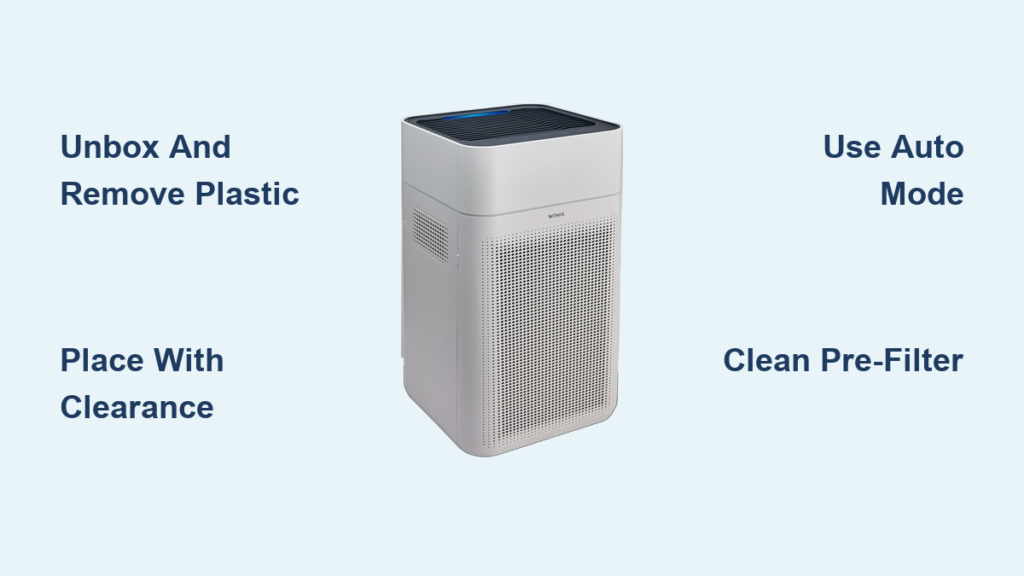
When your Winix air purifier arrives, proper setup and understanding of its features are crucial for maximizing its air cleaning capabilities. Many homeowners struggle with getting the most from their air purification systems simply because they don’t know how to use Winix air purifier units to their full potential. This comprehensive guide provides step-by-step instructions to help you properly set up, operate, and maintain your Winix air purifier for optimal indoor air quality. Whether you’re dealing with allergies, pet dander, or just want cleaner air in your home, mastering these techniques will transform your air purification experience from frustrating to foolproof.
Your Winix air purifier’s effectiveness depends entirely on correct usage—from initial unboxing to daily operation. These sophisticated devices combine multiple filtration technologies that work together to remove 99.97% of airborne particles as small as 0.3 microns. By following the precise instructions in this guide, you’ll ensure your investment delivers the clean, healthy air you deserve while extending the unit’s lifespan and reducing maintenance costs. Let’s dive into exactly how to use Winix air purifier models for maximum benefit.
Unbox and Prepare Your Winix
The first critical step in learning how to use Winix air purifier units properly begins the moment you open the box. Carefully remove all packaging materials while checking that you have the main unit, power cord, all filters (typically pre-installed), and the user manual. Many users overlook this step and later discover missing components, so verify everything is present before proceeding.
Before plugging in your Winix air purifier, remove all protective plastic from the filters. New units ship with filters sealed in plastic to maintain cleanliness during transit—leaving this covering on severely restricts airflow and renders the purifier ineffective. Locate the filter compartment (usually at the back or bottom of the unit), open it, and carefully peel away any plastic wrapping from each filter layer. Some models have pre-installed filters requiring only plastic removal without complete extraction.
Allow your Winix air purifier to sit upright for 30 minutes before initial operation, especially if it was transported on its side. This settling period ensures internal components stabilize properly. During this time, thoroughly review the quick start guide specific to your model, as Winix offers various series with slightly different features and control layouts. Skipping this preparation step often leads to reduced performance and potential operational issues.
Find the Optimal Placement Location
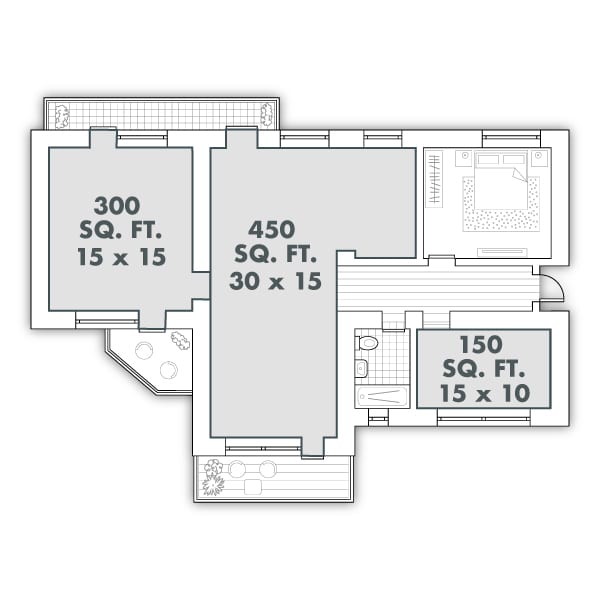
Proper placement directly impacts how effectively you can use Winix air purifier technology in your home. Position the unit on a flat, stable surface with at least one to two feet of clearance on all sides to ensure adequate air intake and exhaust. Avoid corners, tight spaces between furniture, or locations where walls block airflow—these placements create dead zones that significantly reduce purification coverage.
Elevated positioning enhances performance in specific scenarios. For households with pets, placing the purifier at approximately pet height captures dander more effectively as it becomes airborne. In bedrooms, positioning at head level while sleeping provides more direct benefit. However, never place the unit directly on bedding or furniture that might block vents or create electrical hazards near outlets.
Room size considerations are essential when learning how to use Winix air purifier units properly. Models are rated for specific square footage (typically 360-1,500 sq ft). Using an undersized unit in a large room results in inadequate air cleaning, while an oversized unit in a small space wastes energy. For multi-room homes, either purchase multiple appropriately sized units or move a single unit between rooms, running it in occupied spaces for maximum benefit.
Understand the Control Panel Features
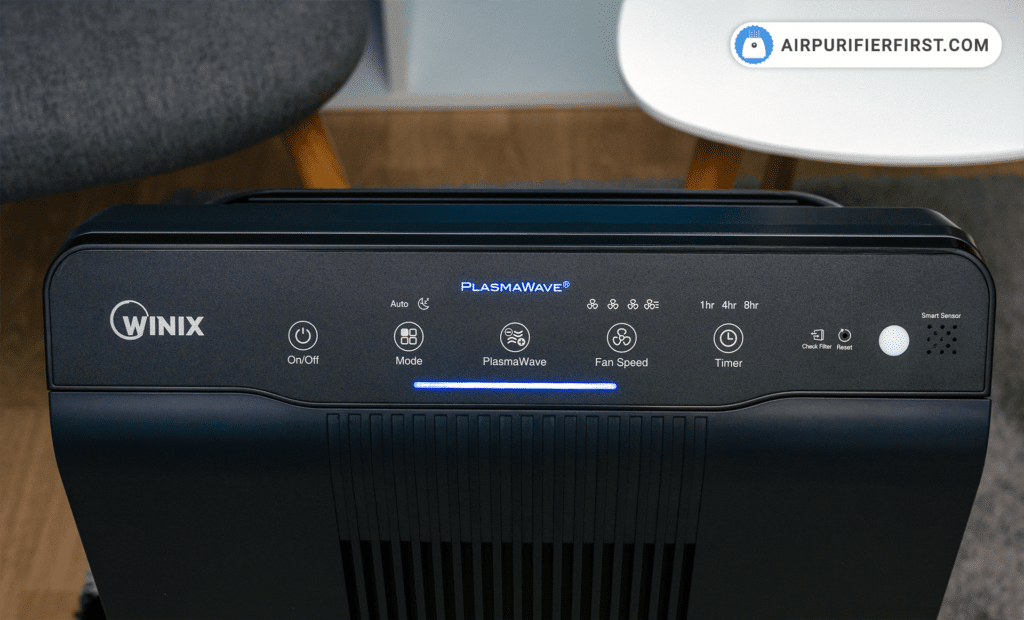
Mastering your Winix air purifier’s control panel is fundamental to using it effectively. Most models feature similar layouts with power, fan speed, mode selection, timer settings, and air quality indicators. Locate these controls (typically on top or front) and familiarize yourself with each function before regular operation.
The power button activates the unit, usually defaulting to Auto mode which adjusts fan speed based on air quality sensors. The fan speed button cycles through Low, Medium, High, and Turbo settings—lower speeds operate quietly while higher speeds provide faster purification at increased noise levels. Mode selection offers Sleep mode (quiet operation with dimmed lights), Auto mode (sensor-based adjustments), and sometimes PlasmaWave technology for enhanced odor removal.
Indicator lights provide critical feedback about air quality and unit operation. Most Winix models feature color-coded air quality indicators: blue for good air, amber for moderate pollution, and red for poor air quality. These visual cues help you understand when to adjust settings and track air quality improvements. Learning to interpret these indicators is essential when figuring out how to use Winix air purifier technology to its full potential.
Install and Maintain Filters Correctly
Proper filter maintenance represents one of the most important aspects of how to use Winix air purifier units effectively. Winix purifiers employ multi-stage filtration: a pre-filter captures large particles, a True HEPA filter traps microscopic pollutants, and an activated carbon filter absorbs odors and VOCs. Understanding each layer’s purpose helps maintain optimal performance.
Install filters according to the directional arrows on their frames—reversing them significantly reduces effectiveness. Pre-filters should be cleaned every 2-4 weeks by vacuuming or rinsing, then completely dried before reinstalling. Neglecting pre-filter maintenance causes larger particles to clog the HEPA filter prematurely, reducing overall effectiveness and potentially voiding your warranty.
Track filter replacement schedules carefully. HEPA filters typically need replacement every 12 months with regular use, while carbon filters may require changing every 3-6 months in homes with significant odor sources. Many Winix models feature filter change indicators, but also monitor performance—reduced airflow or persistent odors signal it’s time for replacement. Proper filter maintenance directly impacts how effectively you can use Winix air purifier technology long-term.
Operate Different Modes Effectively
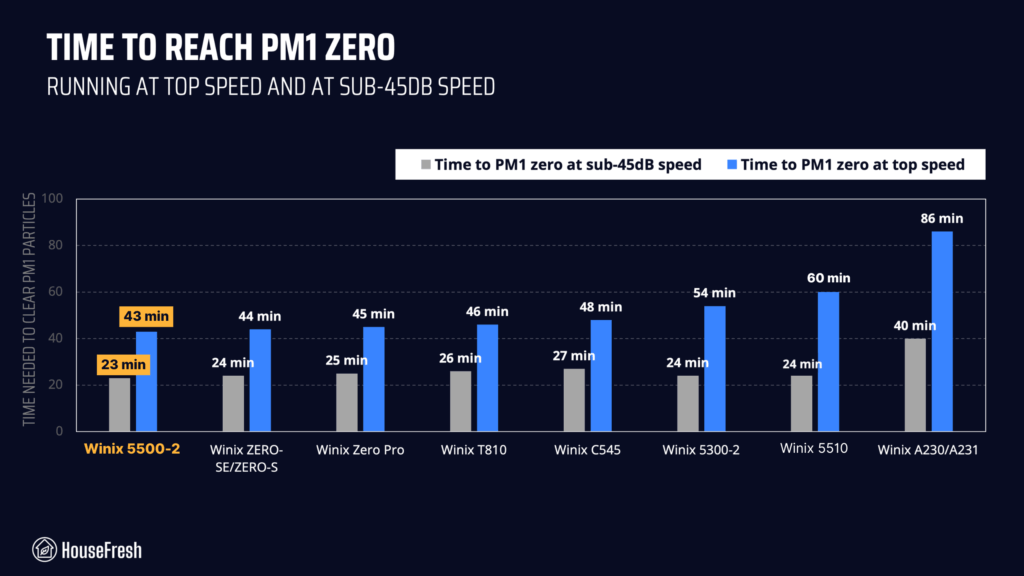
Mastering operational modes maximizes your ability to use Winix air purifier units efficiently across various situations. Auto mode provides hands-free operation as built-in sensors automatically adjust fan speed based on detected air quality—ideal for most households seeking consistent air purification with minimal intervention.
Sleep mode delivers whisper-quiet operation (below 30 decibels on most models) perfect for bedrooms. This mode reduces fan speed to the lowest setting and typically dims or turns off display lights to prevent sleep disruption. Activate sleep mode before bedtime and let the purifier run throughout the night for continuous air cleaning without noise disturbance.
Manual mode gives you direct control for specific scenarios: Low speed maintains baseline air quality quietly during work or relaxation; Medium speed balances purification rate and noise for general daytime use; High speed rapidly cleans air after cooking or cleaning; Turbo mode provides maximum airflow for quick air quality improvement when needed. Learning when to use each mode is essential to mastering how to use Winix air purifier units effectively.
Troubleshoot Common Issues
Understanding how to diagnose and resolve problems is crucial when learning how to use Winix air purifier units properly. If your unit fails to turn on, first verify the power cord is securely connected to both the unit and a functioning outlet. Try unplugging for 30 seconds then reconnecting to perform a soft reset. If issues persist, check the outlet with another device or inspect the power cord for damage.
Unusual noises often indicate specific problems requiring attention. Rattling sounds typically signal loose components or improperly installed filters. Grinding or squealing noises may suggest motor issues needing professional service. Whistling sounds usually indicate air leaks around filter seals—immediately turn off the unit, inspect filters, and ensure proper installation before resuming operation.
Weak airflow commonly results from clogged filters or blocked vents. Clean the pre-filter and vacuum HEPA filter surfaces to remove debris. Verify no furniture or objects obstruct intake or output vents. If performance doesn’t improve after these steps, filters may need replacement despite indicator lights not yet signaling change. Addressing these issues promptly maintains your ability to use Winix air purifier technology effectively.
Maximize Efficiency and Performance
Running your Winix air purifier continuously at lower speeds rather than intermittently at high speeds maximizes efficiency. Continuous operation maintains consistent air quality and is often more energy-efficient than cycling between settings, as motors consume more energy during startup than sustained operation. Most Winix models are designed for 24/7 operation without significant wear.
Close windows and doors while operating your Winix air purifier to prevent polluted outdoor air from continuously entering the space. Monitor local air quality reports and avoid running with windows open during high pollen counts. Conversely, briefly open windows when outdoor air quality is good to provide natural ventilation between purification cycles.
Reduce pollutant sources at their origin to decrease your purifier’s workload. Vacuum carpets regularly, use range hoods when cooking, bathe pets frequently, and avoid indoor smoking. These source control measures work alongside your Winix unit to maintain cleaner air with less filter consumption—essential knowledge when learning how to use Winix air purifier technology properly.
Perform Regular Maintenance Schedule
Establish a consistent maintenance routine to ensure your Winix air purifier continues operating effectively. Weekly tasks include visual inspection for dust accumulation, wiping surfaces with a damp cloth, checking vents for obstructions, and cleaning the pre-filter if visibly dirty. These quick checks prevent larger problems from developing.
Monthly maintenance involves vacuuming the pre-filter and HEPA filter surface, cleaning the air quality sensor with a soft brush, wiping down the exterior, and checking power cords for damage. Dirty sensors produce inaccurate readings that affect Auto mode performance, so regular sensor cleaning is critical.
Annual tasks typically require filter replacement and deeper cleaning. Plan to replace HEPA filters at least once per year, or more frequently with pets or allergies. Keep detailed records of maintenance activities to track performance and identify potential issues before they become serious problems—this systematic approach is fundamental to mastering how to use Winix air purifier units effectively.