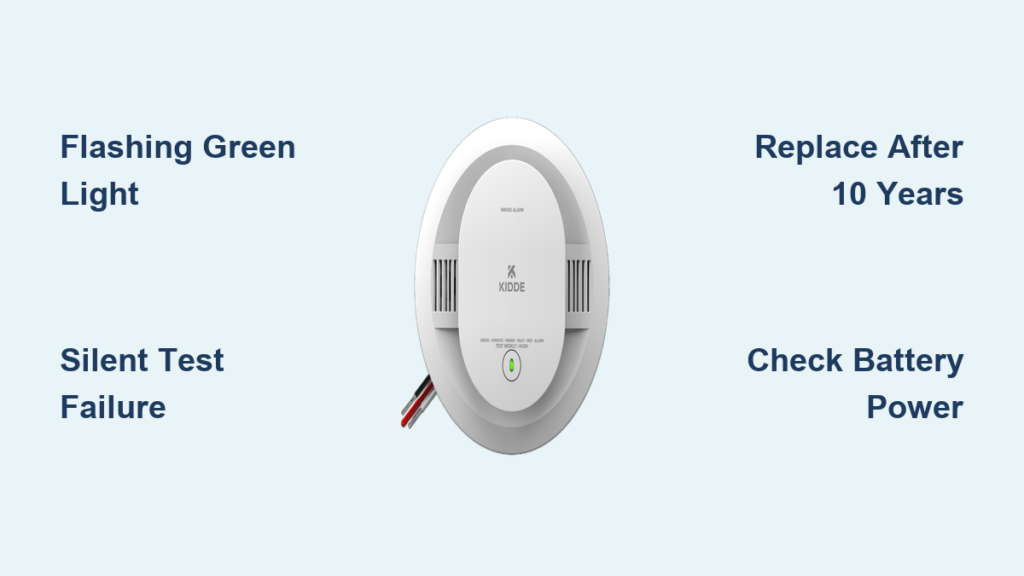
You walk through your new apartment pressing test buttons, and one Kidde alarm beeps loudly while the other just blinks a small green light every 20 seconds. No sound. Nothing. That silence during a test is unsettling, especially when you rely on these devices to protect your family. A flashing green light on a Kidde smoke detector is normal on its own, but when paired with a failed test, it can signal a real safety concern.
This guide explains what the green light really means, why one detector might not respond during testing, how to troubleshoot the issue, and when to replace or report the unit. You will learn exactly how to interpret every beep, flash, and silence so you can keep your home safe.
Green Light Behavior on Kidde Smoke Detectors
Kidde smoke detectors use LED indicators to communicate their status. Knowing what each light pattern means helps you separate normal operation from a malfunction.
Steady Green vs. Flashing Green Light
A steady green light means the alarm is receiving power and functioning normally. On hardwired models, this confirms a connection to your home’s electrical system. On battery-only models, it confirms the battery is working.
A flashing green light every 20 seconds is also normal for many Kidde models. This pattern usually means the alarm is powered and running internal self-checks. It does not indicate a fault by itself.
Model-Specific Light Patterns
Not every Kidde alarm behaves the same way. Older models may have slightly different LED patterns than newer ones. Check your unit’s label for the model number, which is usually printed on the back. Common models like the Kidde i1204, i1206, or PI2010 use the 20-second green flash as a power confirmation.
If your unit has no visible model number or was installed before 2015, it may be past its service life. Most Kidde alarms last 10 years, and after that point, performance can degrade even when the light still flashes.
Why a Flashing Green Alarm Won’t Sound During Testing
When a smoke detector fails to beep during a test, it is a warning sign. Even with a normal-looking green flash, the alarm may not work in an emergency.
Common Causes of a Silent Test
Several issues can prevent a Kidde alarm from sounding, even when the green light flashes:
- End-of-life failure: The unit has passed its 10-year lifespan and internal components have worn out.
- Internal component failure: Dust, moisture, or age has damaged the horn or circuit board.
- Power interruption: In hardwired units, loose wiring or a tripped circuit breaker can cause partial operation.
- Silent mode or hush activated: Some models enter hush mode after nuisance alarms (like cooking smoke) and stay silent temporarily.
A green flash alone does not guarantee the alarm can actually sound when smoke is present.
How to Properly Test the Alarm
To confirm whether the unit is functional:
1. Press and hold the test button for 5 to 10 seconds.
2. Listen for a loud, piercing alarm within 2 to 3 seconds.
3. If you hear nothing, repeat the test two more times.
If the alarm still does not sound, it is not working correctly, even if the green light continues to flash.
Identifying Your Alarm’s Power Source
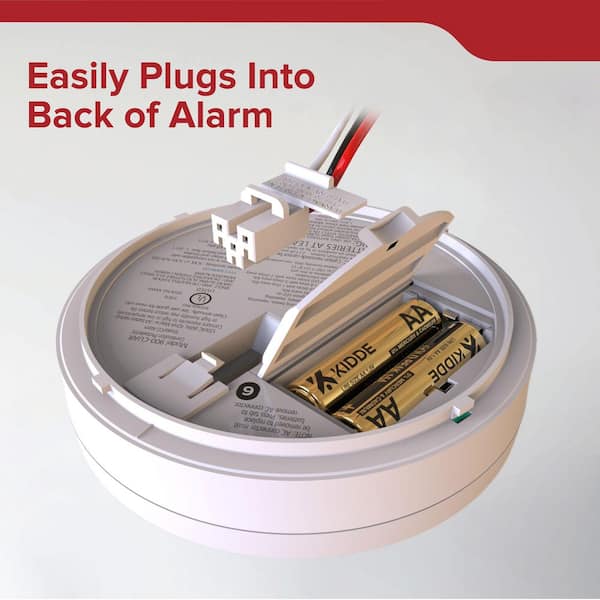
Knowing how your alarm is powered helps you troubleshoot more accurately. The power source changes how you diagnose problems and what fixes are possible.
Battery, Hardwired, or Both
Remove the unit from its mounting bracket by twisting it counterclockwise. Then check for:
– Battery-only units: A visible battery compartment (usually 9V or AA).
– Hardwired units: Wires running into the ceiling (typically black, white, and red).
– Hardwired with battery backup: Both wiring and a battery compartment.
A flashing green light on a hardwired model confirms AC power is present, but it does not guarantee the alarm can sound. Even hardwired units need a working battery backup.
Battery Inspection and Replacement
A dead, missing, or corroded battery can power the LED while leaving the alarm silent. Inspect the battery by following these steps:
1. Open the battery compartment.
2. Look for corrosion, which appears as a white or green crust.
3. Replace the battery with a fresh alkaline one if needed.
4. Reinstall the battery and test the alarm again.
Use only the battery type listed on the alarm’s label. Lithium batteries last longer and perform better in temperature extremes.
Interpreting Beeps, Chirps, and Silence
Beeping patterns give important clues about your alarm’s condition. Silence during a test is never normal, but other sounds can point to specific issues.
No Sound During a Test Is a Red Flag
A working Kidde smoke detector must sound when tested. A flashing green light plus no beep equals malfunction. Do not assume the unit will work in a real fire just because the LED looks normal.
Nuisance alarms during cooking do not prove the alarm is reliable. Those often trigger from heavy smoke, while a failed test suggests the unit may miss smaller, more dangerous fires.
What Other Beep Patterns Mean
If the silent alarm starts chirping, pay close attention to the rhythm:
– Chirp every 30 seconds: Low battery or power issue.
– Three beeps followed by silence: Sensor fault or malfunction.
– Five beeps every minute: End-of-life warning, replace immediately.
A completely silent unit that never chirps may have a dead horn or failed electronics, which makes it unable to alert you at all.
How to Reset and Retest the Alarm
A full reset can sometimes restore function, especially after a previous alarm event or power interruption. Resetting clears residual power and reboots the internal sensors.
Step-by-Step Reset Process
- Turn off power at the circuit breaker (for hardwired units).
- Remove the alarm from its mounting bracket.
- Take out the battery if one is installed.
- Press and hold the test button for 15 seconds to drain residual charge.
- Reinsert the battery.
- Restore power and remount the unit.
Wait about 2 minutes for the system to reboot. The green light should resume flashing or return to a steady glow.
Confirm the Reset Worked
After resetting, press and hold the test button again. You should hear a loud alarm and see the LED flash rapidly during the test. If the alarm remains silent, the unit is defective and needs replacement.
When to Replace the Alarm
A faulty smoke detector is a serious safety risk. Knowing when to replace it protects you and your household.
Replace the Unit If Any of These Apply
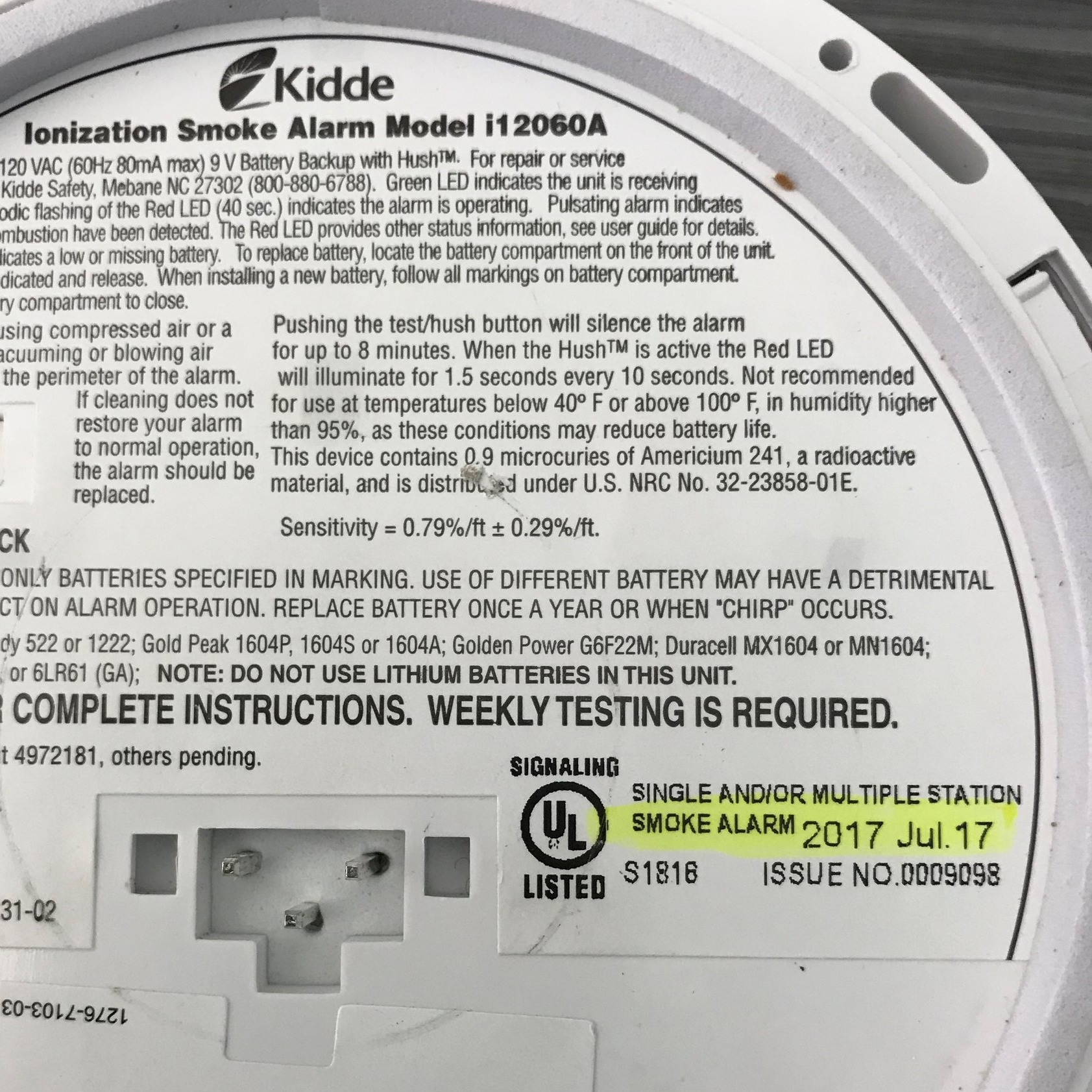
- The alarm is over 10 years old: Find the manufacture date on the back. If it is older than 10 years, replace it without delay.
- The test failed after a reset and new battery.
- The unit has no visible model number or shows physical damage.
- The alarm has chirped intermittently in the past month.
Kidde replacement alarms typically cost $20 to $35. Models with sealed lithium batteries, like the Kidde KN-SM-DCAM, offer 10 years of maintenance-free operation.
Reporting the Issue in a Rental Apartment
If you rent your apartment, report the problem promptly:
– Notify property management in writing about the non-functional alarm.
– Request a replacement within 48 hours.
– Reference local fire codes, which usually require working smoke alarms in every unit.
Keep a copy of your message. If management does not respond, contact your local fire department’s inspection division, which can enforce compliance.
Preventing Future Smoke Alarm Problems

Once your alarms are working, simple maintenance keeps them reliable for years. A small monthly habit prevents most failures.
Monthly Testing Routine
Pick one day each month to test every alarm in your home. Press and hold the test button, confirm a loud sound from each unit, and check that the green light behaves normally afterward. Do this even if the lights look fine.
Cleaning and Care Tips
Dust and grease reduce sensor sensitivity. Clean alarms every 6 months using these steps:
– Vacuum the vents with a brush attachment.
– Wipe the exterior with a dry cloth.
– Avoid sprays, cleaners, and paint, which can block sensors.
Keep alarms clear of debris and never paint over them.
Frequently Asked Questions About Kidde Smoke Detectors
Is a flashing green light every 20 seconds normal on a Kidde smoke detector?
Yes, a flashing green light every 20 seconds is normal for most Kidde models. It usually means the alarm is receiving power and running self-checks. However, if the alarm does not sound when you press the test button, the unit may be faulty.
Why does one Kidde alarm beep during testing and the other stays silent?
A silent alarm during testing suggests a malfunction, even if the green light flashes. Common causes include end-of-life failure, a dead battery, internal damage, or active hush mode. A working alarm must always sound when tested.
How long do Kidde smoke detectors last?
Most Kidde smoke detectors last 10 years. After that, internal sensors degrade even if the LED still flashes. Check the manufacture date on the back of the unit and replace any alarm older than 10 years.
What does it mean if my Kidde alarm chirps every 30 seconds?
A chirp every 30 seconds usually means a low battery or power issue. Replace the battery first. If chirping continues with a fresh battery, the unit has reached end-of-life and needs replacement.
Can a smoke alarm pass a cooking test but fail a button test?
Yes. Cooking smoke is thick and often triggers alarms easily, even partially functioning ones. A button test checks the horn and full circuitry. Passing one test does not guarantee the other.
Should I report a non-working smoke alarm in a rental apartment?
Yes. Notify your landlord or property management in writing immediately. Most local fire codes require working smoke alarms, and inspection divisions can enforce repairs if the issue is ignored.
Key Takeaways for Kidde Smoke Detector Flashing Green
A flashing green light every 20 seconds is usually normal and means the alarm is powered. A silent test, on the other hand, always signals a problem. Check the battery, reset the unit, and replace it if it is over 10 years old or still does not sound. In rentals, report the issue to management right away and keep written documentation.
Test every alarm in your home today, even the ones that look fine. A working smoke detector is one of the simplest and most powerful safety tools in any household, but only if it actually works when you need it.