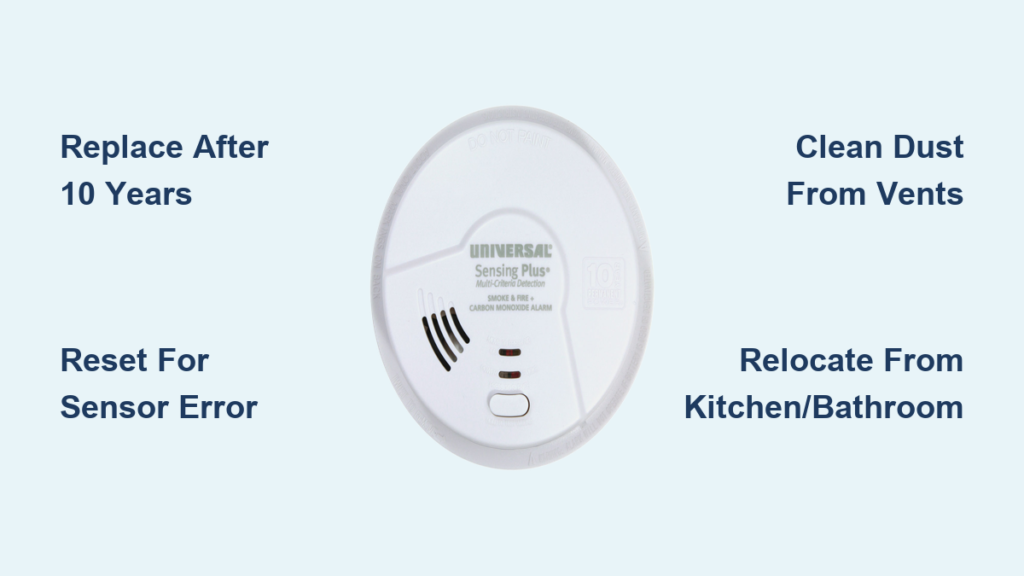
You’re settling in for the night when chirp, chirp, chirp—the USI electric smoke detector beeping starts again. It’s not a full alarm, just that maddening single chirp every minute. You’re not alone. Thousands of homeowners face this same issue with the USI AMIC3511SB 3-in-1 Smoke, Fire & Carbon Monoxide Alarm. The good news? Most causes are simple to diagnose and fix, some in under a minute. This guide breaks down exactly why your USI detector is beeping, what the different beep patterns mean, and how to stop them for good. You’ll learn when to reset, when to clean, and when it’s time to replace the unit, no guesswork needed.
Decode the Beep Patterns
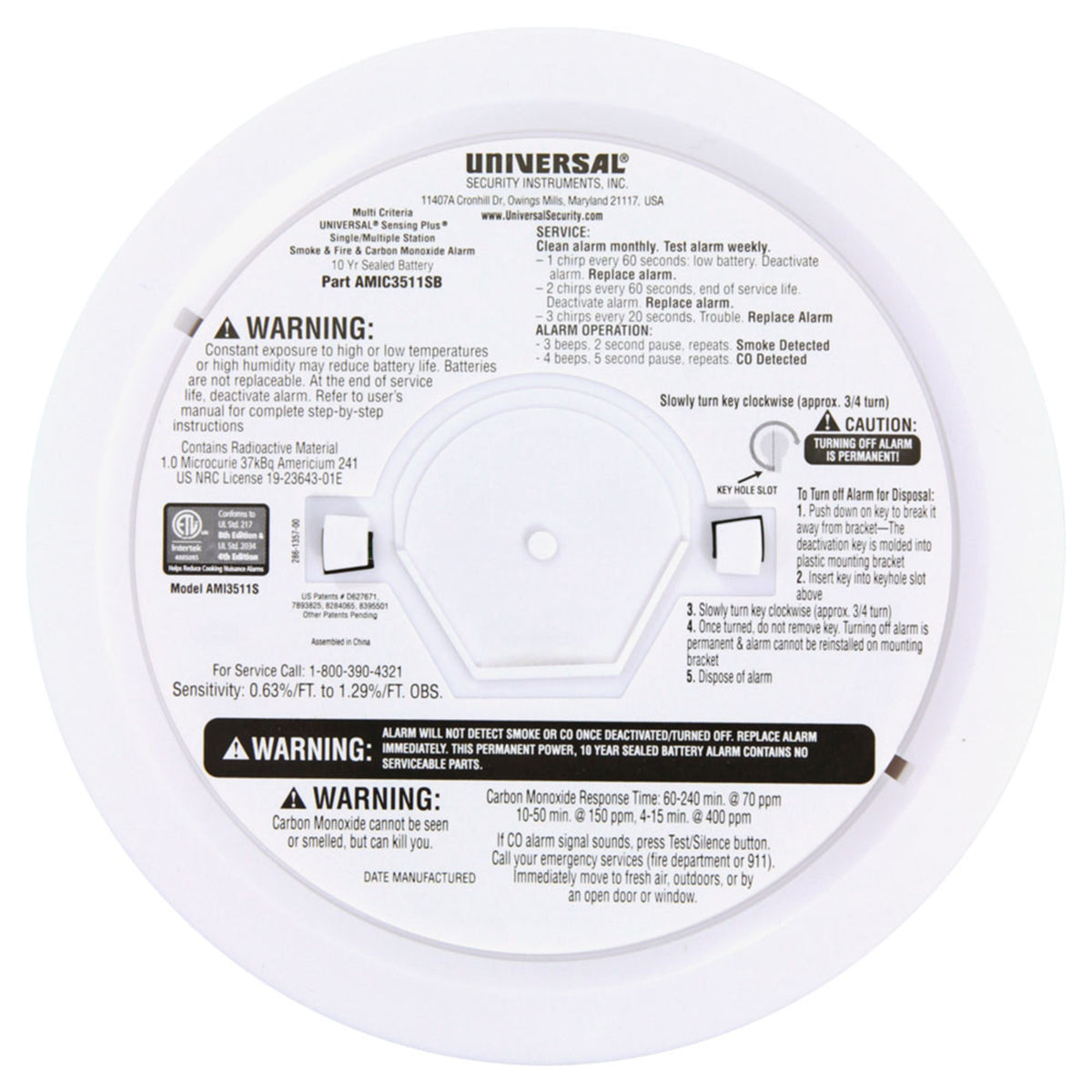
The first step to stopping the beeping is understanding what your USI detector is trying to tell you. Each beep sequence signals a specific condition. Do not ignore the pattern. It’s your alarm’s built-in diagnostic system.
Chirp Every 60 Seconds
This is the most common beeping pattern. A single chirp every minute means low battery or end-of-life. The AMIC3511SB has a sealed 10-year lithium-free battery. You cannot replace the battery. When you hear this chirp, the entire alarm must be replaced. The chirping will continue until the unit is deactivated or the internal power is fully depleted.
⚠️ Pro Tip: If your alarm is less than 10 years old and chirping, check for recent power outages or voltage drops. Some units may falsely trigger low-battery signals after electrical disturbances.
3 Chirps Every 60 Seconds
Three beeps at regular intervals indicate sensor trouble. This could be due to dust, humidity, or internal component failure. First, try resetting the unit. If the beeping returns, the sensor is likely failing, so replace the alarm.
4 Beeps with Flashing CO Light
This is not a warning. It’s an emergency. Four rapid beeps and a flashing red CO LED mean dangerous carbon monoxide levels. Evacuate all occupants immediately and call 911 or your local emergency number. Do not re-enter the home until cleared by professionals.
❗ Critical Note: Never silence or reset the alarm during a CO event. This is a life-threatening situation.
Stop the Chirping: Step-by-Step Fixes
Now that you know what the beeps mean, here’s how to stop them safely and effectively.
Reset the Alarm Unit
If you’re getting 3 chirps from sensor trouble, a reset may clear the error.
- Locate the Test/Silence button on the front of the unit.
- Press and hold for 10 to 15 seconds.
- Wait for the unit to beep once or flash the LED. This confirms reset.
- Monitor for 24 hours. If chirping returns, the unit is failing.
✅ Best Practice: Always test the alarm after resetting. Press the Test button until the full alarm sounds. If it doesn’t activate, replace immediately.
Clean Dust and Debris
Dust buildup can trigger false alarms or sensor errors.
- Turn off power at the breaker if hardwired, though the AMIC3511SB is battery only.
- Use a vacuum with a brush attachment to gently clean the vents.
- Wipe the exterior with a dry cloth.
- Avoid sprays, cleaners, or compressed air. These can damage sensors.
🕵️♂️ Visual Cue: If you see visible dust inside the mesh cover, cleaning is overdue.
Relocate Nuisance-Prone Units
If the alarm sounds without smoke or CO, it may be in a bad location.
Move the alarm if it’s within:
– 10 feet of a kitchen (cooking fumes)
– 5 feet of a bathroom (steam)
– Near furnaces, fireplaces, or gas stoves
Ideal placement:
– Ceiling, center of room or hallway
– At least 4 inches from walls
– Not near vents or windows
🔄 Pro Tip: Install a heat alarm in the kitchen instead of a smoke and CO combo to reduce false triggers.
Battery and Power Facts
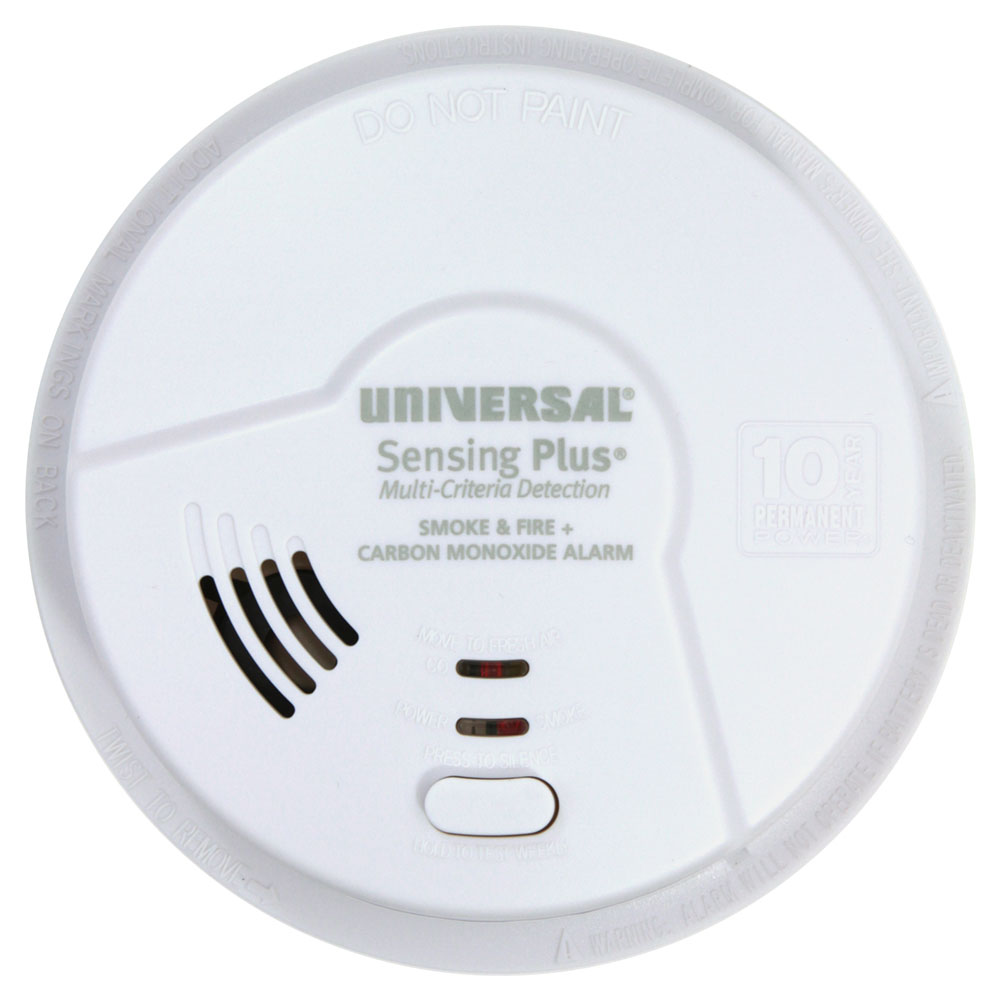
Unlike older models, the USI AMIC3511SB does not use standard 9V or AA batteries. Understanding its power system prevents unnecessary frustration.
Sealed 10-Year Battery Explained
The unit contains a non-replaceable, lithium-free sealed battery. It powers the alarm for up to 10 years. No battery replacement is possible. Attempting to open the unit voids safety certification and risks damage.
❌ Myth Busting: Online hacks suggesting battery swaps are dangerous and ineffective. This is not a user-serviceable device.
End-of-Life Signal
After 10 years, the alarm will begin chirping every 60 seconds. This is the end-of-life warning. It cannot be silenced permanently through reset. The only solution is to replace the entire unit.
📅 Set a Reminder: Mark the installation date on the unit with a permanent marker. Replace by the 10-year mark, even if it seems to work.
When to Replace the Alarm
Some issues can’t be fixed. You need a new alarm. Here’s when to replace your USI detector.
Age Over 10 Years
All smoke and CO alarms expire. The AMIC3511SB is rated for 10 years of service. After that, sensors degrade and reliability drops. Replace it, even if it’s not chirping.
Persistent Chirping After Reset
If the unit keeps beeping after cleaning and resetting, internal electronics are failing. No amount of troubleshooting will fix it.
Failed Test Response
If pressing the Test button doesn’t trigger a loud alarm within 5 seconds, the unit is dead. Replace immediately.
🛠️ Replacement Tip: Match the new model to existing mounting hardware if possible. The AMIC3511SB uses a standard twist-lock base.
Prevent Future Beeping
Stop the chirps before they start with these proactive steps.
Weekly Testing Routine
- Press and hold the Test/Silence button.
- Confirm a loud, clear alarm sounds.
- Check that all other interconnected alarms respond if applicable.
- Reset if needed.
🕰️ Time Estimate: Takes less than 30 seconds. Do it on the same day each week, like Sunday morning.
Annual Cleaning Schedule
Set a calendar reminder to clean all alarms once per year.
- Use a vacuum or soft brush.
- Focus on the side and top vents.
- Avoid water or cleaning agents.
Teach Your Household
Ensure everyone knows:
– What the different beeps mean
– How to respond to a CO alert (evacuate, call 911)
– Where the Silence button is for nuisance alarms
👨👩👧👦 Family Drill: Practice a fire escape plan twice per year. Include what to do if alarms sound unexpectedly.
Frequently Asked Questions About USI Electric Smoke Detector Beeping
Why Is My USI Detector Beeping With No Smoke?
Most often, it’s caused by an end-of-life signal (1 chirp per minute), sensor trouble (3 chirps per minute), or steam or cooking fumes triggering a nuisance alarm. Relocate or replace as needed.
Can I Silence the Low-Battery Chirp?
Temporarily, yes, using the Silence button. But the chirping will return. The only permanent fix is replacing the unit.
Is the USI AMIC3511SB Interconnected?
No. This model operates independently. It does not link to other alarms in the home. For whole-home coverage, install multiple units following placement guidelines.
What Does a Flashing Green Light Mean?
A steady or slow-flashing green LED indicates normal power and operation. If it stops flashing, check for damage or end-of-life status.
Final Replacement Steps for Your USI Detector
When it’s time to retire your old USI alarm, follow these steps.
Deactivate the Old Unit
- Use the provided deactivation key (usually a small plastic tool).
- Insert into the slot on the side or bottom.
- Twist to unlock and remove the unit from the mounting bracket.
- Dispose of properly. Do not throw in regular trash if local regulations prohibit electronic waste.
Install the New Alarm
- Attach the new mounting bracket if needed.
- Insert batteries if applicable, though not for this model.
- Align the alarm with the bracket and twist to lock.
- Press and hold the Test button to confirm operation.
✅ Verification: Listen for the startup chime and check that the green LED flashes.
The USI electric smoke detector beeping is not random. It’s a communication tool. By learning the patterns, you gain control over your home’s safety system. Most chirps are solved by resetting, relocating, or replacing the unit. Remember: no battery swaps, no long-term silencing, and no ignoring the 10-year rule. Test weekly, replace on schedule, and your peace of mind will stay intact.