A working smoke detector can mean the difference between life and death in a fire emergency. In St. Petersburg, FL, and beyond, homes with properly installed and maintained smoke alarms are far more likely to allow occupants to escape unharmed. Fires can spread rapidly, often in under three minutes, leaving little time to react. That is why smoke detector safety tips are essential knowledge for every homeowner, renter, and family member.
This guide covers where to install detectors, how to maintain them, and what to do if yours are not functioning. You will learn simple, actionable steps to ensure your alarms work when you need them most. From monthly testing to decade-long replacement schedules, these practices are backed by fire safety experts and can drastically reduce fire-related risks in your home.
Optimal Smoke Detector Placement
:max_bytes(150000):strip_icc()/where-to-place-smoke-detectors-1152485_V2-3c5086adfaa646d69d312b45d342c621.png)
Proper placement is the first line of defense in fire detection. A detector in the wrong location may not alert you in time.
Install in Every Sleeping Room
Place a smoke detector inside each bedroom or sleeping area. Since people are most vulnerable during sleep, having an alarm nearby ensures it will wake you if smoke enters the room. This is especially critical for children, elderly individuals, or those with hearing impairments who may not respond quickly to danger.
Position Outside Sleeping Areas
Install a detector just outside each separate sleeping area, such as in the hallway near bedrooms. This creates a detection zone that alerts occupants before smoke spreads from common areas like the kitchen or living room. If multiple bedrooms share a hallway, one central alarm may suffice, but never skip this location.
Cover Every Home Level
Ensure you have a working smoke detector on every level of your home, including the basement and attic if habitable. Fires often start on lower levels or in enclosed spaces, and smoke rises. A detector on each floor provides layered protection, giving you earlier warning and more escape time.
Pro Tip: Avoid placing detectors near windows, vents, or ceiling fans. Airflow can delay smoke detection.
Monthly Testing Procedures
A smoke detector that is not tested is a risk. Even if it looks fine, it may not sound when needed.
Press the Test Button Monthly
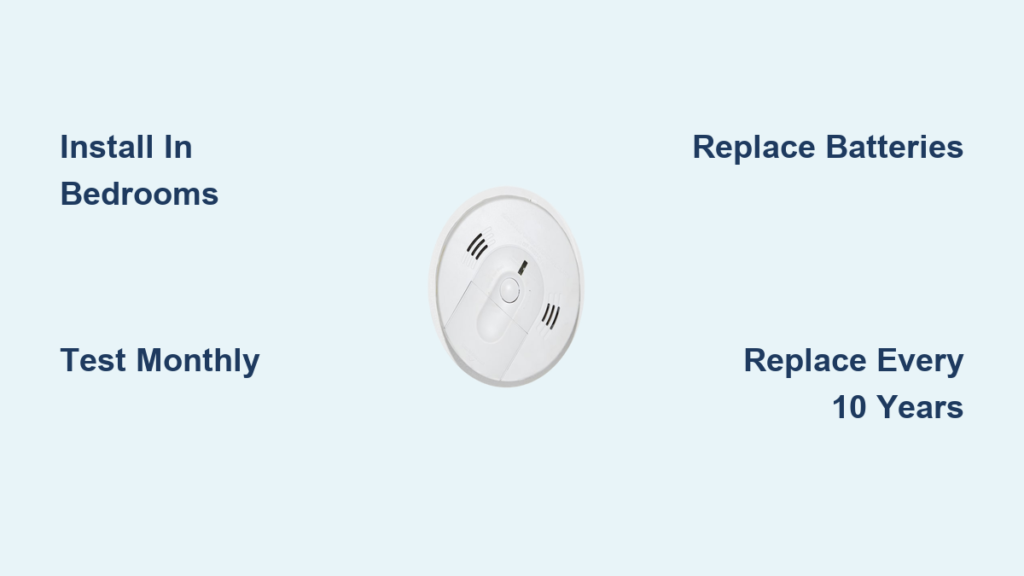
Test each smoke detector at least once a month by pressing the test button. Hold it for a few seconds until the alarm sounds. This confirms the battery, circuitry, and speaker are working. Make it a habit by choosing the same day each month, like the first or last day, to stay consistent.
Warning: If the alarm does not sound, replace the battery immediately. If it still fails, replace the entire unit.
Involve the Whole Household
Use testing as a safety drill. Let everyone in the home hear the alarm and confirm they can hear it clearly from all sleeping areas. If someone cannot hear the alarm, especially light sleepers or those with hearing loss, consider detectors with strobe lights or bed shakers.
Battery Replacement Best Practices
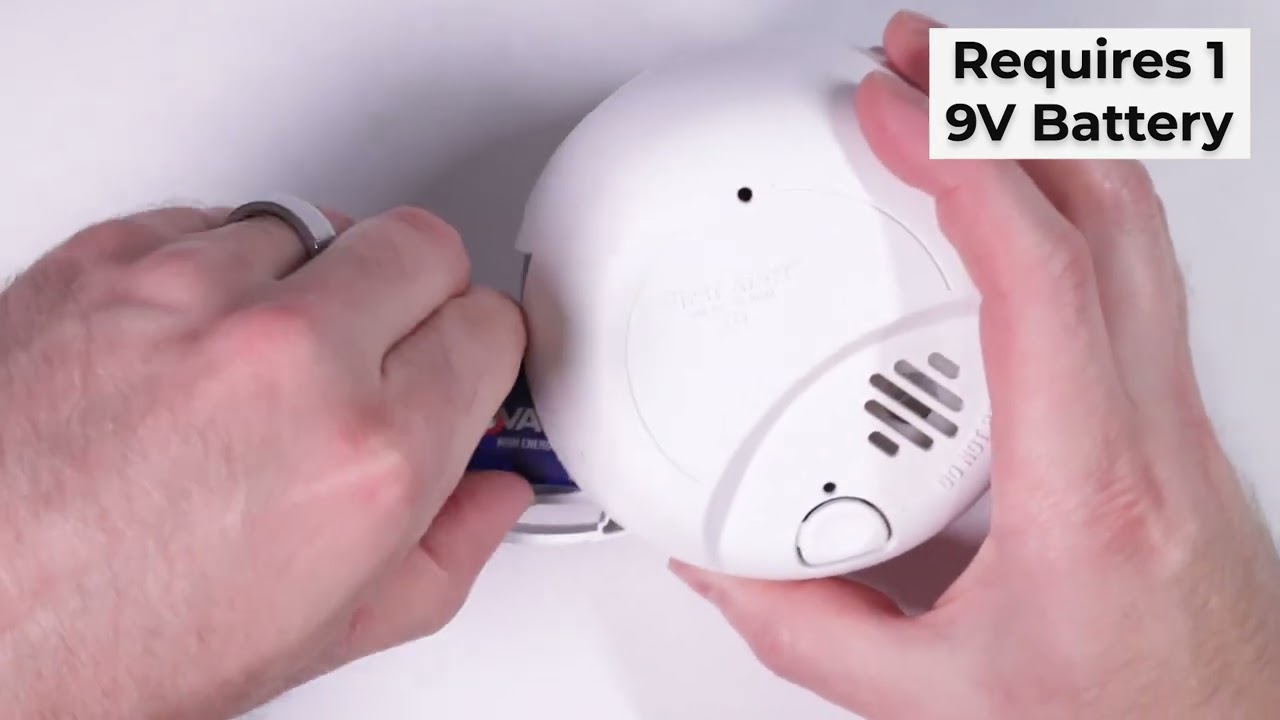
Dead batteries are the leading cause of smoke detector failure. But replacing them does not have to be complicated.
Swap Batteries Twice a Year
Replace batteries every six months, even if the low-battery chirp has not started. A simple way to remember: “Change your clock, change your battery.” When daylight saving time shifts in spring and fall, make battery replacement part of your routine.
Note: Use the battery type recommended by the manufacturer. Mismatched or low-quality batteries may fail prematurely.
Choose Long-Lasting Battery Types
Opt for lithium or 10-year sealed batteries where possible. These last longer and reduce the risk of neglect. Some modern detectors come with built-in 10-year batteries, eliminating the need for annual replacements.
Never Ignore the Chirp
A single chirp every 30 to 60 seconds means the battery is low. Replace it immediately. Do not disable the alarm or remove the battery to stop the sound, as this leaves you unprotected.
Replace Detectors Every 10 Years
Even with perfect maintenance, smoke detectors do not last forever.
Mark the Replacement Date
Every smoke detector has a manufacture date on the back. Write the 10-year replacement date on the unit with a permanent marker or tape. Set a calendar reminder. After 10 years, sensors degrade and may not detect smoke effectively.
Visual Cue: If your detector is yellowed, dusty, or makes inconsistent sounds, it is likely past its prime. Replace it now.
Upgrade to Smart or Dual-Sensor Models
Consider upgrading to dual-sensor alarms that combine photoelectric and ionization detection for broader fire coverage. Photoelectric sensors respond faster to smoldering fires, while ionization sensors detect flaming fires more quickly. For added safety, smart smoke detectors can send alerts to your phone and integrate with home security systems.
Responding to a Detector Failure
If your smoke alarm is not working, act fast. Your safety depends on it.
Troubleshoot Before Replacing
If the alarm fails a test:
– Check the battery and replace it first
– Inspect for dust or debris using a vacuum or soft brush
– Ensure it is properly mounted, since loose units may not function
If none of these fix the issue, replace the unit immediately.
What to Do Without Working Alarms
If you cannot afford or access a new detector:
– Contact the American Red Cross, as many local chapters offer free smoke alarms and installation
– St. Petersburg residents can call 727-893-SAFE (727-893-7233) for assistance from the city’s fire safety program
Never delay. Fire departments respond to thousands of preventable fire injuries each year due to missing or disabled alarms.
Avoid Common Installation Mistakes

Even with the right equipment, poor installation reduces effectiveness.
Don’t Install in Kitchens or Bathrooms
Avoid placing detectors within 10 feet of cooking appliances or bathrooms with showers. Steam and cooking fumes can trigger false alarms, leading people to disable them. Instead, install them in nearby hallways or adjacent rooms.
Avoid Ceiling Corners and Dead Air Spaces
Mount detectors on the ceiling, at least 4 inches from any wall, or high on a wall 6 to 12 inches from the ceiling. Corners create “dead air” where smoke does not circulate well, delaying detection.
Don’t Paint Over Detectors
Never paint a smoke detector. Paint can clog the sensor vents and prevent proper operation. If you are renovating, remove the unit first and reinstall it after painting.
Create a Fire Escape Plan

A working smoke detector is only the first step. Knowing how to respond is just as important.
Practice Home Fire Drills
Conduct fire drills twice a year with everyone in the home. Practice escaping within two minutes, which is the typical window before a fire becomes deadly. Include:
– Two ways out of every room
– A designated outdoor meeting spot
– A plan for helping children, pets, or mobility-impaired individuals
Update the Plan Regularly
As children grow or home layouts change, update your escape plan. Test it with lights off to simulate low visibility. Make sure windows and doors open easily and are not blocked by furniture.
Pro Tip: Teach kids to stop, drop, and roll if their clothes catch fire, and to stay low under smoke during escape.
Frequently Asked Questions About Smoke Detector Safety
How often should I test my smoke detector?
You should test your smoke detector at least once a month by pressing the test button. Hold it for a few seconds until the alarm sounds. This confirms the battery, circuitry, and speaker are working properly.
When should I replace the batteries?
Replace the batteries every six months, even if the low-battery chirp has not started. A helpful reminder is to change your batteries when the clocks change for daylight saving time in the spring and fall.
How long do smoke detectors last?
Smoke detectors should be replaced every 10 years. Check the manufacture date on the back of the unit and write the replacement date on it. After 10 years, sensors degrade and may not detect smoke effectively.
Where should smoke detectors not be installed?
Avoid placing detectors within 10 feet of cooking appliances or in bathrooms with showers. Steam and cooking fumes can cause false alarms. Also avoid ceiling corners, since dead air spaces can delay smoke detection.
What should I do if my smoke alarm keeps chirping?
A chirp every 30 to 60 seconds means the battery is low. Replace the battery immediately and do not disable the alarm. If the chirp continues after a battery change, replace the entire unit.
How can I get a free smoke detector in St. Petersburg?
St. Petersburg residents can call 727-893-SAFE (727-893-7233) for assistance through the city’s fire safety program. You can also contact your local American Red Cross chapter, which often provides free smoke alarms and installation.
Key Takeaways for Smoke Detector Safety
Smoke detector safety tips save lives, and the most important practices are simple to follow. Install alarms in every bedroom, outside sleeping areas, and on every level of your home. Test them monthly, replace batteries every six months, and replace the entire unit every 10 years. Avoid common installation mistakes like placing detectors near kitchens or in dead air spaces, and always pair your alarms with a practiced fire escape plan.
If you need help accessing a working smoke detector, reach out to local resources like the American Red Cross or St. Petersburg’s fire safety line at 727-893-SAFE. Stay alert, stay prepared, and keep your home protected.