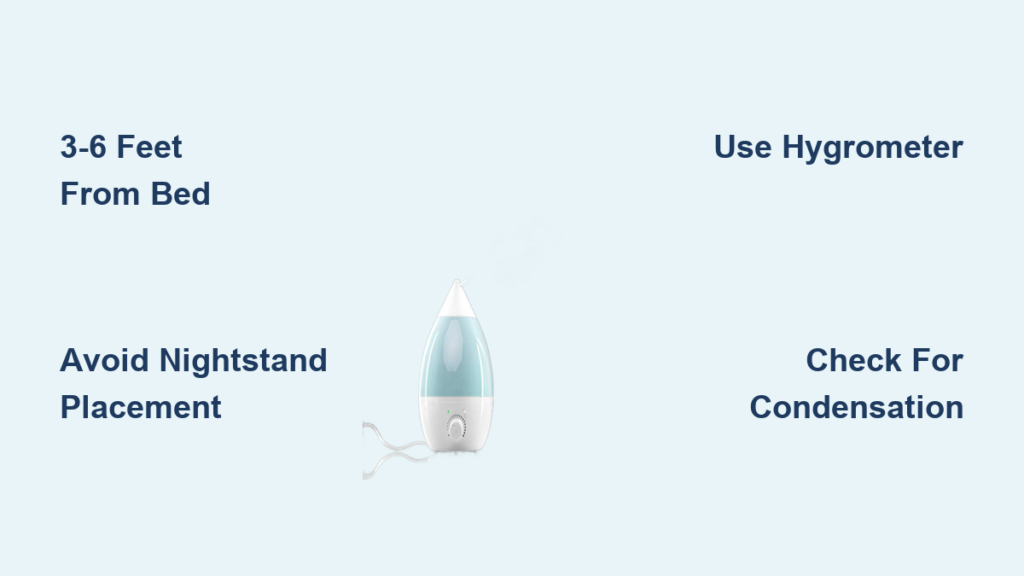
Waking up with a parched throat, congested sinuses, or scratchy eyes? Your humidifier might be working against you. Many people assume that placing their humidifier right next to their bed delivers maximum benefits, but this common mistake can actually create moisture overload in your immediate breathing zone. The truth is, positioning your humidifier too close creates concentrated humidity pockets that lead to damp pillows, potential mold growth, and even respiratory irritation—while placing it too far away wastes its effectiveness entirely.
Your bedroom’s humidity balance hinges on precise placement that considers multiple factors: room size, humidifier type, seasonal changes, and your specific health needs. Simply plugging in your device and hoping for the best won’t cut it—optimal positioning requires strategic thinking that accounts for airflow dynamics and moisture distribution patterns. This guide cuts through the confusion with science-backed distance recommendations and practical placement strategies that transform your humidifier from a potential problem into your sleep sanctuary’s secret weapon.
3-6 Feet: The Humidifier Sweet Spot for Better Sleep
Position your humidifier exactly 3-6 feet away from your headboard for optimal moisture distribution without creating condensation problems. This strategic distance creates a balanced humidity microclimate around your sleeping area—close enough to combat dry air effectively, yet far enough to prevent excessive moisture buildup on your bedding. At 3 feet, you’ll experience immediate relief from dry air symptoms without direct mist exposure, while 6 feet ensures even dispersion that benefits your entire sleeping zone.
Measure from Head Level, Not Bed Frame
Always measure distance from where your head rests on the pillow, not from the foot of the bed or the bed frame itself. Your breathing zone requires targeted humidity, so placement calculations must prioritize head-level positioning. A humidifier positioned 4 feet from the foot of your bed might seem adequately distant but could still flood your immediate breathing area with concentrated moisture if your bed is king-sized. Grab a tape measure, lie in your typical sleeping position, and check the actual distance from your pillow to the humidifier for accurate placement.
Nightstand Placement: When Space Is Limited
When bedroom layout restricts ideal positioning, use strategic elevation adjustments rather than compromising on distance. Place your humidifier on a low stool or short cabinet at floor level instead of standard-height nightstands. This lower positioning allows moisture to rise naturally through the room rather than blasting directly at pillow level. If you must use a nightstand, position the unit at the farthest corner away from your pillow and angle the mist output toward the room’s center—not your sleeping area.
Room Layout Factors That Change Ideal Humidifier Distance
:max_bytes(150000):strip_icc()/anatomy-of-the-home-furnace-humidifier-1824773color-d41575bdba834fd59ac29178949a1e2a.png)
Airflow Patterns Dictate Placement Strategy
Position your humidifier near natural air circulation paths—typically 2-3 feet from doorways or windows—to leverage existing airflow for even moisture distribution. Rooms with good air movement allow you to position units slightly farther from your bed while maintaining effectiveness. Avoid corners where air stagnates and humidity concentrates, as this creates localized moisture pockets that can damage walls and furniture. If your bedroom has ceiling fans, time your humidifier operation to coincide with fan cycles that gently circulate air without creating drafts.
Furniture Arrangement Adjustments
Keep humidifiers clear of solid furniture like dressers and headboards by at least 2 feet to prevent moisture trapping and uneven dispersion. Large furniture pieces create barriers that cause humidity to pool behind them, potentially leading to mold growth on adjacent walls. If your bedroom layout forces placement near furniture, elevate the unit on a small stand or table to allow moisture to flow over rather than around obstacles. In tight spaces, consider wall-mounted options that position the humidifier above furniture lines for unobstructed dispersion.
Flooring Type Modifications
Adjust your distance calculations based on your bedroom’s flooring material. For carpeted bedrooms, add 1-2 feet to standard recommendations since carpet fibers trap moisture and increase mold risk. Hardwood floors allow standard 3-6 foot placement as they don’t absorb excess humidity. Tile floors may require slightly closer positioning (2-5 feet) because they don’t retain moisture, allowing humidity to dissipate more quickly. In rooms with area rugs, ensure the humidifier sits on a hard surface rather than directly on fabric to prevent hidden dampness.
Critical Safety Distances You Can’t Ignore
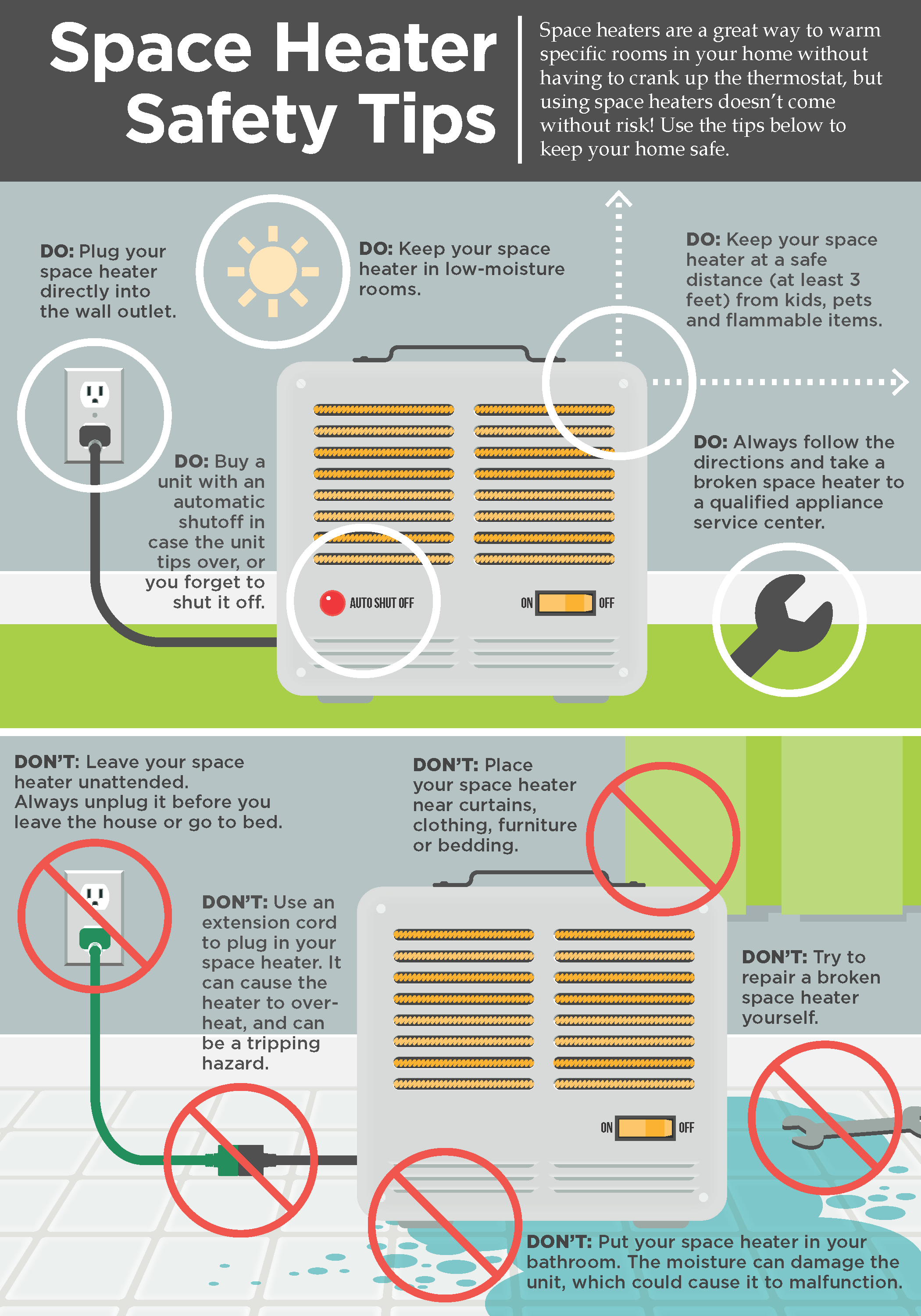
Electrical Hazard Prevention Zones
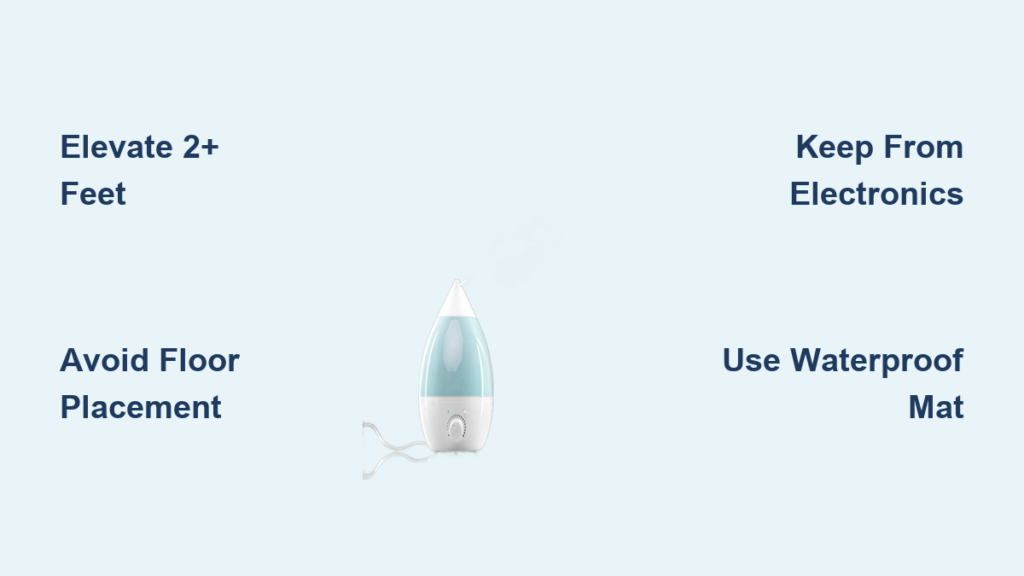
Maintain a minimum 3-foot distance from all electrical outlets, power strips, and extension cords to prevent dangerous water-electricity contact. Never run humidifier cords under rugs or between bed frames where damage might go unnoticed. Position the unit on the same circuit as your bedside lamp to avoid overloading outlets, and always plug directly into wall sockets rather than multi-plug adapters. If you must use an extension cord, choose a heavy-duty, water-resistant model rated for the humidifier’s wattage.
Child and Pet Safety Considerations
With babies, toddlers, or pets in the bedroom, extend your minimum distance to 6-8 feet and implement additional safety measures. Place the humidifier on a secure, elevated surface that’s completely out of reach—not just farther from the bed. Choose models with cool mist technology and automatic shut-off features for added safety. For infants, position units across the room with mist directed away from the crib, and monitor humidity levels closely since babies’ respiratory systems are more sensitive to moisture fluctuations.
Moisture Distribution: Matching Distance to Your Humidifier Type
Ultrasonic vs. Evaporative Placement Strategies
Ultrasonic humidifiers require more precise positioning (4-6 feet) because their visible mist streams can create localized moisture overload if too close. Evaporative models disperse invisible moisture more gradually, allowing slightly closer placement (3-4 feet) while maintaining safety. Test your specific model by operating it without bedding present—observe how far the mist travels before fully dispersing to determine your personal optimal distance. For dual-mist models, adjust placement based on which setting you use most frequently.
Real-Time Humidity Monitoring Techniques
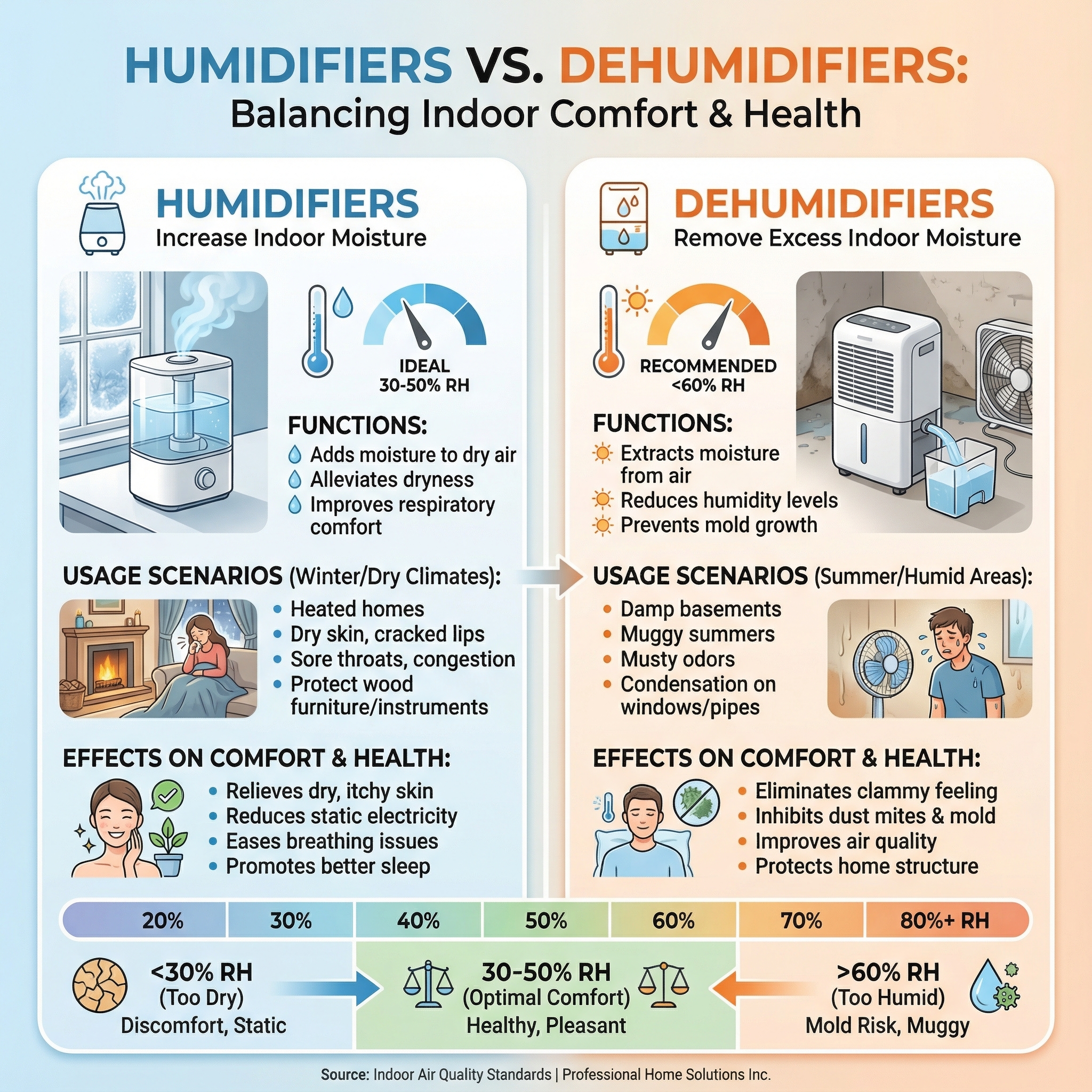
Place a digital hygrometer at pillow height—1-2 feet from your actual sleeping position—to measure the air you’ll breathe throughout the night. Check readings consistently for 2-3 nights before making placement adjustments, as humidity levels fluctuate naturally. Target 30-50% relative humidity in your sleeping zone; if readings exceed 50%, move the humidifier 1 foot farther and retest. Morning window condensation or damp sheets indicate immediate need for increased distance.
Common Placement Mistakes That Ruin Your Sleep Environment
The Nightstand Trap
Placing ultrasonic humidifiers directly on nightstands beside your head creates concentrated moisture zones that saturate pillows and encourage mold growth in bedding. Even compact personal humidifiers require minimum 2-3 feet separation from your pillow. If space constraints force closer placement, choose evaporative models with lower moisture output and implement regular pillow washing schedules to prevent moisture buildup.
Corner Placement Consequences
Pushing humidifiers into room corners restricts airflow and creates dangerous humidity pockets against walls. This concentrated moisture can lead to wallpaper peeling, paint damage, and hidden mold growth behind furniture. Instead, position units in open areas with at least 2-3 feet clearance from all walls to ensure 360-degree airflow. If corner placement is unavoidable, choose models with directional mist nozzles and point them toward the room’s center.
Seasonal Distance Adjustments for Year-Round Comfort
Winter Positioning Strategies
During cold months, reduce your standard distance by 1-2 feet (2-4 feet instead of 3-6) because dry winter air absorbs moisture more quickly. Monitor for window condensation—a sign you’ve moved too close—and adjust accordingly. In extremely cold climates, position units slightly farther from exterior walls to prevent cold spots from causing localized condensation. Run humidifiers earlier in the evening to allow moisture levels to stabilize before bedtime.
Summer Humidity Management
In humid seasons, increase your distance to 6-8 feet minimum and consider turning off humidifiers entirely when outdoor humidity exceeds 60%. Existing moisture combined with humidifier output can push indoor levels into unhealthy territory (above 60% RH). Use your hygrometer religiously during summer months—many people unknowingly over-humidify their bedrooms when air conditioning already maintains adequate moisture levels.
Finding Your Personal Optimal Distance
Start with the 4-foot baseline for one week while monitoring your comfort and humidity levels. If you still wake with dry symptoms, move the unit 1 foot closer and reassess. If you notice excess moisture signs (damp sheets, window condensation), increase distance by 1 foot. Document your daily comfort levels and corresponding humidity readings to identify your personal sweet spot. Remember that your ideal placement will change with seasons, health conditions, and even bedding material—regular monitoring beats perfect initial placement every time.
The perfect humidifier distance balances immediate symptom relief with long-term bedroom health. By following these science-backed placement strategies, you’ll transform your device from a potential problem into your most valuable sleep tool—delivering just enough moisture to soothe dry air issues without compromising your sleep environment’s integrity. Your nightly comfort depends not just on having a humidifier, but on positioning it with precision that matches your unique bedroom ecosystem.