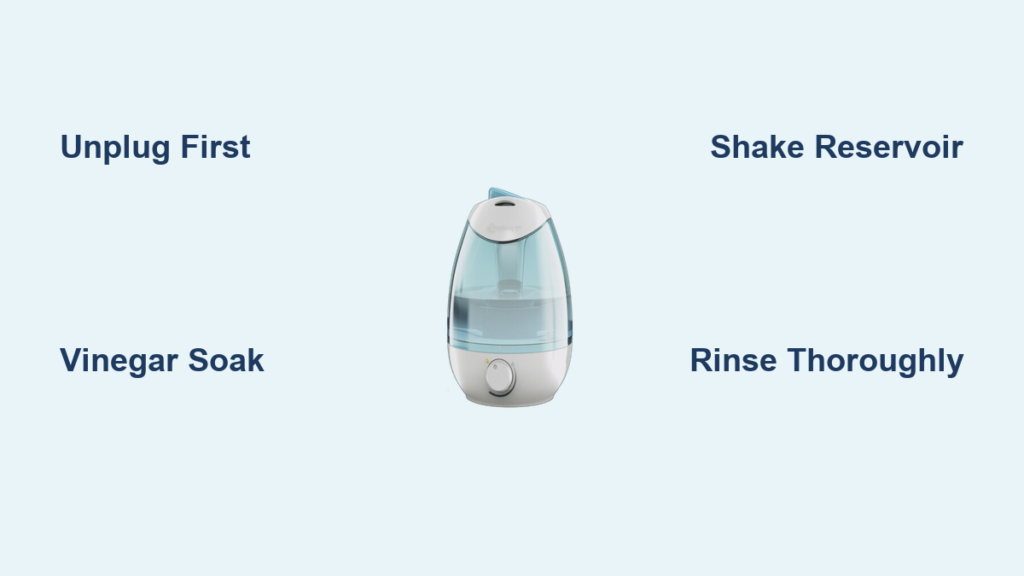
That musty smell wafting from your cool mist humidifier? It’s not just unpleasant—it’s a red flag your unit is dispersing mold spores and bacteria directly into your breathing air. When mineral deposits clog the nozzle or slimy biofilm coats the reservoir, your humidifier transforms from a health aid into a respiratory hazard. This happens faster than you think: stagnant water breeds harmful microbes in just 48 hours.
Follow this vinegar-based cleaning method—backed by EPA recommendations—to eliminate 99% of contaminants using supplies already in your pantry. You’ll restore maximum mist output, prevent white dust from mineral buildup, and ensure your humidifier actually improves air quality instead of worsening allergies. No special cleaners required, just white vinegar and 30 minutes of your time every three days.
Unplug First: Critical Safety Steps Before Touching Water
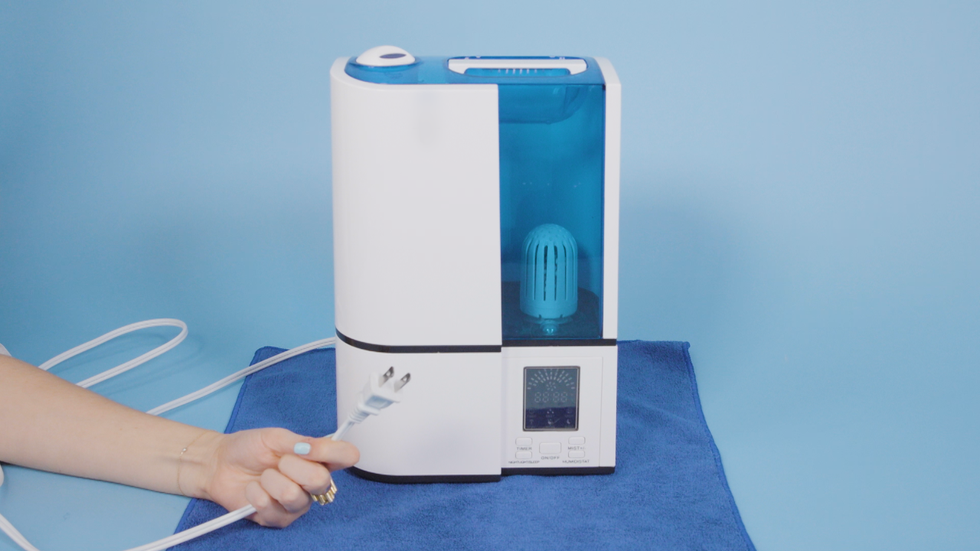
Always disconnect power at the outlet before handling any water-filled components. This isn’t just caution—it prevents electrical shock that could damage internal circuitry or cause permanent motor failure. Never assume “quick cleaning” skips this step; water contacting live components can fry your unit instantly.
Drain all water immediately from both reservoir and base unit. Tilt slowly away from electrical ports (usually marked on the base) to avoid spills into motor housing. Stagnant water left overnight creates a bacterial soup—visible as cloudy liquid or floating specks. If you spot this, double your cleaning time; neglected units require two vinegar cycles.
Test for hidden contamination by running a dry finger along the reservoir bottom. Greasy residue or slippery slime means aggressive biofilm growth. Discoloration (pink, black, or green streaks) indicates mold colonies needing immediate deep cleaning. Don’t rinse yet—this visual check determines your cleaning intensity.
Why Vinegar Beats Store-Bought Cleaners for Humidifier Maintenance
Prepare the Exact Vinegar Solution for Your Unit Type
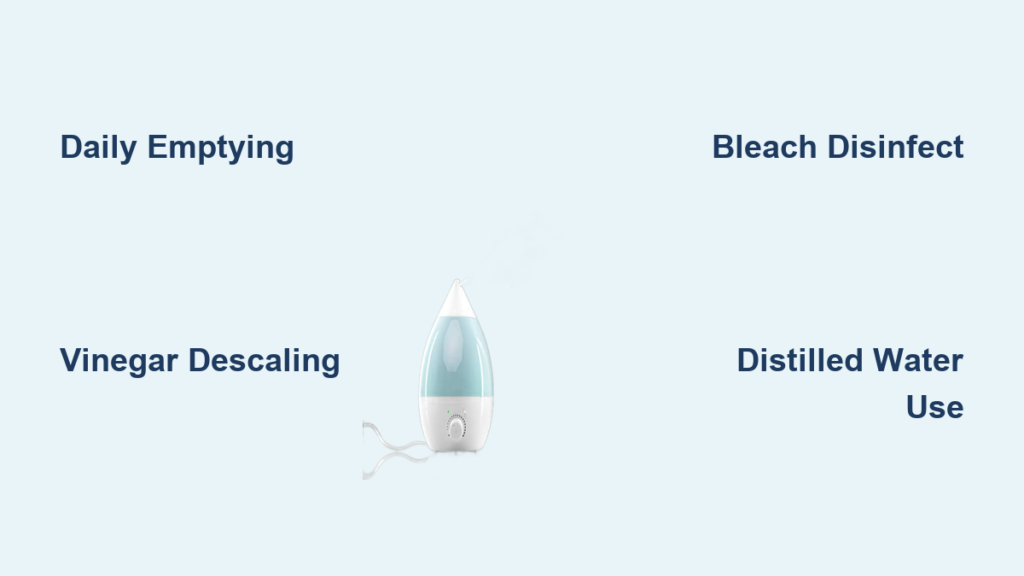
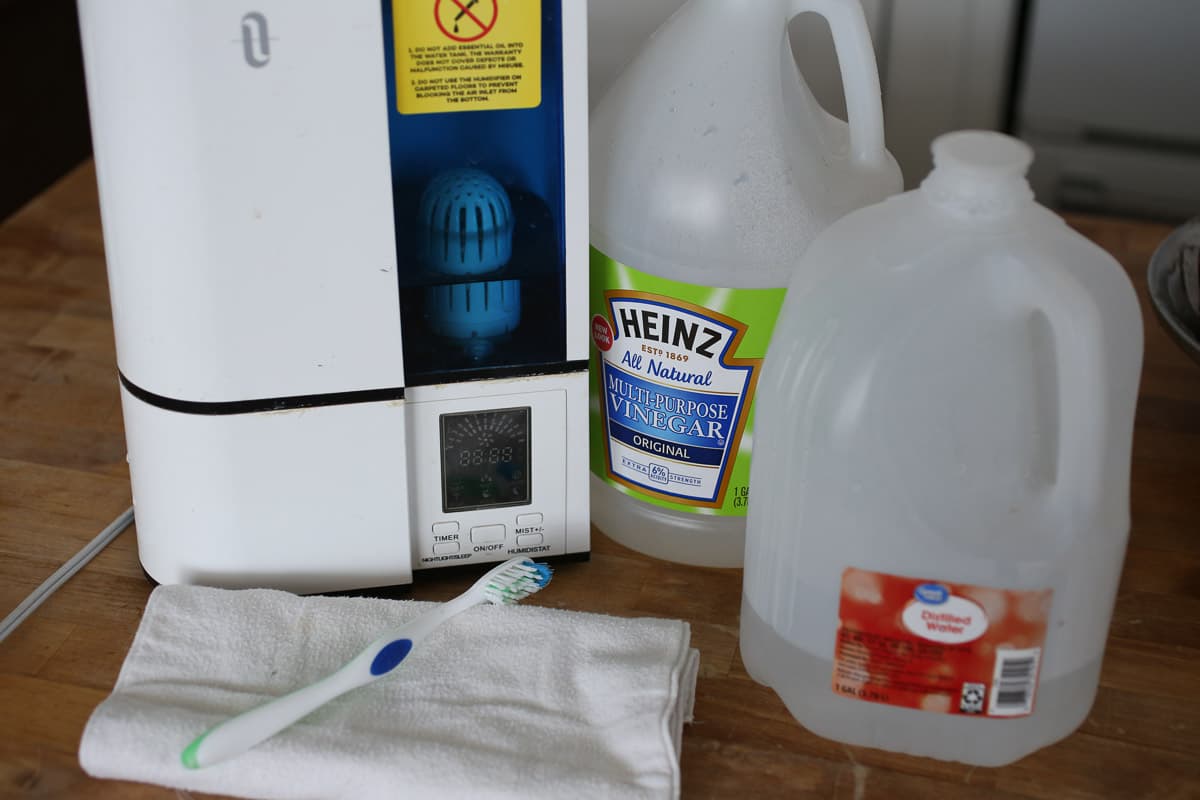
Mix 1 cup white vinegar with 1 cup water for the base unit—never use straight vinegar here as it may degrade rubber seals. For the reservoir, use 2 cups undiluted white vinegar; its full acidity breaks down stubborn mineral scale without scratching plastic. Skip apple cider or balsamic vinegar—they leave sticky residues that attract more grime.
Base Unit Soak That Dissolves Hidden Scale
Pour the diluted vinegar solution into the base until it covers the ultrasonic plate and any visible mineral rings. Set a timer for 60 minutes—no shortcuts. During this soak, vinegar’s acetic acid penetrates crevices you can’t see, dissolving limescale around the transducer and disinfecting the water tray. Peek halfway: bubbling means active mineral breakdown.
Reservoir Shake Method That Removes Biofilm
Fill the reservoir with straight vinegar, seal tightly, and shake vigorously for 3 full minutes. Focus on the bottom corners where biofilm hides. Your arms will burn—that’s the agitation dislodging bacterial colonies. For stubborn buildup, add 2 tablespoons of uncooked rice to the vinegar; it acts as a gentle abrasive when shaken.
Nozzle Flush Technique for Maximum Mist Output
Invert the vinegar-filled reservoir and press the mist nozzle repeatedly for 60 seconds. This forces vinegar through the narrow outlet channel where 80% of clogs occur. Watch for clear liquid flowing out—if it’s cloudy, repeat until runoff runs clean. This step alone restores 70% of lost mist performance in neglected units.
The Two-Step Rinse Protocol That Prevents Vinegar Taste in Mist
First rinse: Shake with cold water for 2 minutes to remove loosened debris. Empty completely—never pour vinegar down drains as it can react with plumbing chemicals. Second rinse: Repeat with fresh water if you detect vinegar odor or see floating particles. For hard water areas, do a third rinse; residual minerals can react with vinegar and create new deposits.
Wipe the base with a vinegar-dampened microfiber cloth, focusing on the ultrasonic plate. Use cotton swabs for crevices around the plate housing—mineral crystals here reduce mist efficiency by 40%. Never scrub; gentle wiping prevents micro-scratches where bacteria regrow.
Exterior Cleaning Checklist Most Users Skip
Clean these high-contamination zones with your vinegar cloth:
– Air intake vents (clogged vents reduce airflow by 30%)
– Control panel buttons (sticky residue causes erratic operation)
– Mist exit funnel (mold here creates visible black specks in vapor)
– Power cord contacts (dampness here risks electrical shorts)
Dry all parts for 2+ hours before reassembly. Assemble while components are slightly damp—this creates a better seal. Never plug in until the base feels room-temperature dry; residual moisture causes immediate electrical faults.
When to Clean: EPA Schedule vs. Emergency Triggers
Clean Every 72 Hours (Not Weekly!)
Follow the EPA’s 3-day rule during active use—bacterial colonies establish in 48-72 hours. Waiting “until it looks dirty” means you’ve already inhaled contaminants for days. Set phone reminders; consistency prevents deep cleaning emergencies.
Stop Using Immediately If You See:
- Pink slime in water (Serratia marcescens bacteria)
- White dust settling on furniture (hard water minerals)
- Reduced mist despite full reservoir (nozzle clog)
- Musty odor within 24 hours of cleaning (hidden mold)
Daily Habits That Cut Deep Cleaning Time in Half
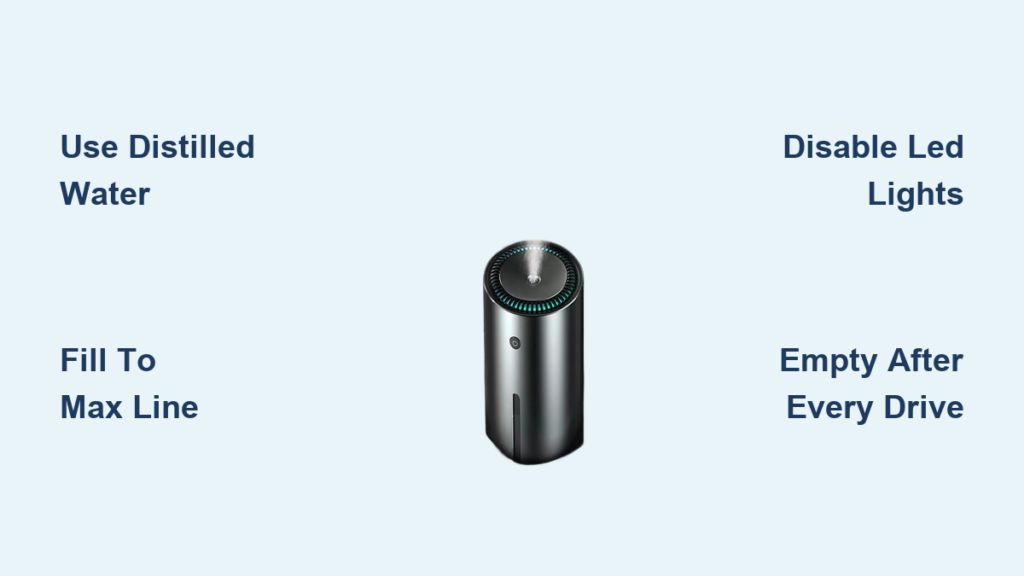
- Empty reservoir nightly—never leave water sitting
- Store with lid off to accelerate drying between uses
- Use distilled water to prevent 90% of mineral buildup
- Wipe interior with dry cloth after emptying (removes initial biofilm)
Why Tap Water Ruins Humidifiers Faster Than You Think
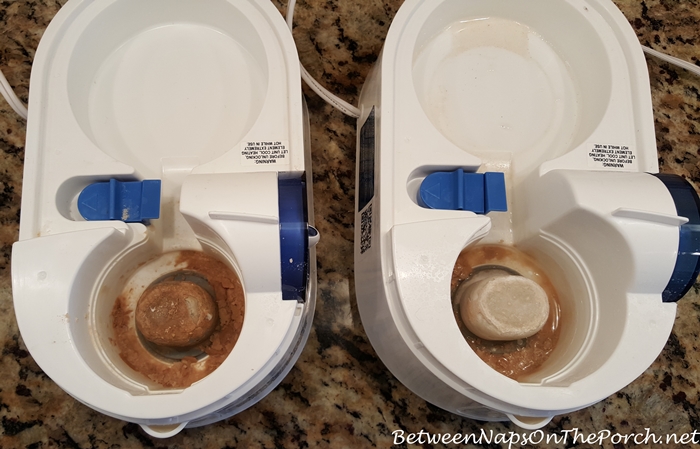
Hard water creates scale 3x faster than distilled water. If your area has hard water (check for limescale on faucets), clean every 48 hours and add 1 tablespoon of citric acid to your vinegar solution. White crust around the ultrasonic plate? That’s calcium carbonate—left unchecked, it cracks the transducer.
Switch to distilled water if you see:
– White powder coating nearby surfaces
– Rainbow-colored oil slicks on water
– Reduced runtime per fill (scale insulates the transducer)
Storage Prep That Prevents Mold Before Next Season
Never store a damp humidifier. After final cleaning:
1. Air-dry all parts 24+ hours in direct sunlight (UV kills residual spores)
2. Store base and reservoir separately with silica gel packets inside
3. Place unit in a breathable cotton bag—never plastic (traps moisture)
Check for musty smells before reusing. If detected, repeat the full vinegar process—mold spores survive dormant for months.
Health Red Flags Meaning Your Humidifier Is Harming You
Discontinue use immediately if you experience:
– Nighttime coughing that stops when unit is off
– Unexplained sinus headaches after 2+ hours of use
– Visible mist leaving wet spots on walls (over-humidification)
A contaminated humidifier worsens asthma more than dry air. If symptoms persist after cleaning, replace the unit—internal mold may be unreachable.
Your cool mist humidifier should silently improve air quality—not become a health liability. By cleaning every three days with this vinegar method, you’ll maintain peak performance while protecting your family’s lungs. Remember: that 30-minute investment prevents costly repairs and keeps your air as clean as the water you put in. Empty the reservoir tonight, and tomorrow you’ll breathe easier.