Your parrot’s dry, itchy skin and constant feather plucking might not be behavioral—it’s likely your home’s humidity levels. These tropical birds evolved for rainforest conditions, yet most homes maintain desert-like 20-30% humidity. The result? Suffering birds and frustrated owners watching their pets destroy beautiful plumage.
Proper humidification transforms parrot health, reducing dander, preventing respiratory issues, and restoring natural preening behaviors. This guide reveals exactly which humidifiers work safely for parrots, how to maintain them, and the critical mistakes that can make humidifiers deadly for your bird.
Why 55% Humidity is Critical for Parrot Health
Parrots thrive at 55% relative humidity—the precise balance that mimics their natural habitat without encouraging mold growth. This level prevents the cascade of health issues that begin when humidity drops below 40%, while staying safely below the 60% threshold where Aspergillosis becomes a real threat.
Why this specific humidity level works:
– Supports healthy respiratory function in birds with systems 300% more sensitive than humans
– Maintains supple skin and glossy feathers by preventing dryness
– Reduces problematic dust dander production that irritates both birds and humans
– Encourages natural preening and eliminates painful scratching behaviors
Spot low humidity instantly: If your parrot’s dander creates visible dust clouds when preening, your environment is too dry. Healthy humidity levels keep dander contained within the feather structure, creating cleaner air for everyone in your home.
Choosing Between Evaporative and Warm-Mist Humidifiers for Parrots
:max_bytes(150000):strip_icc()/humidifiers-ultrasonic-vs-evaporative-humidifiers-1908160-final-5c93ceaa4cedfd0001f1695a.png)
Evaporative Humidifiers: The Top Vet Recommendation
Evaporative humidifiers consistently top veterinarians’ lists for parrot households. These units use wick filters that trap minerals and microorganisms, releasing only clean, cool moisture into your bird’s environment.
Why choose evaporative models:
– Automatic humidity regulation prevents dangerous over-humidification
– Wick filters block mineral dust that irritates parrot lungs
– Cool-mist eliminates scalding risks from curious beaks
– Energy-efficient operation allows continuous use without high electricity costs
What to watch for: These units require weekly cleaning to prevent bacterial buildup and take 2-4 hours to reach target humidity levels. While the cool output is less comfortable during winter months, the safety benefits make them the preferred choice for most parrot owners.
Warm-Mist Options: Strategic Winter Use Only
Warm-mist humidifiers heat water to eliminate mold spores and fungi, making them ideal for colder months when mold risks decrease due to lower ambient temperatures.
Non-negotiable safety features:
– Cool-touch exterior materials that stay cool even during operation
– Automatic shut-off when tipped over
– Stable base design that resists curious parrot investigation
– Bird-safe construction materials verified by the manufacturer
Placement is critical: Position warm-mist units minimum 6 feet from cages to prevent accidental contact while ensuring effective humidity distribution. Never place these units where your parrot could knock them over or investigate the warm components.
Eliminating Respiratory Danger from Humidifiers for Parrots
Strict No-Additive Policy for Bird Safety
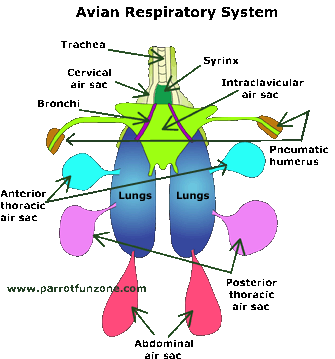
Parrots possess respiratory systems 300% more sensitive than humans. Any added fragrances, medications, or essential oils can trigger respiratory distress or death within hours.
Absolutely forbidden additives:
– Essential oils (even “bird-safe” claims are unreliable)
– Medicated vapor pads
– Scented water additives
– Cleaning chemicals in operating units
Safe water sources only:
– Distilled water (prevents mineral buildup)
– Dechlorinated tap water
– Filtered water (change filters regularly)
Verifying Teflon and PTFE-Free Construction
While most humidifiers contain minimal Teflon, request written confirmation from manufacturers regarding:
– PTFE/PFOA presence in heating elements
– Off-gassing temperatures (safe units off-gas above 500°F)
– Third-party bird-safe certifications
Never assume a humidifier is safe—always verify with the manufacturer before introducing it to your parrot’s environment.
Weekly Humidifier Maintenance That Saves Parrot Lives
Step-by-Step Cleaning Protocol for Bird Safety
Gather these supplies before starting:
– White vinegar and water (50/50 solution)
– Grapefruit seed extract (10 drops per quart)
– Soft brushes for filter cleaning
– Dedicated cleaning cloths (never shared with household cleaning)
Follow this life-saving process:
1. Power down and unplug completely—never clean while connected
2. Empty all water and disassemble removable parts immediately
3. Soak components in vinegar solution for 30 minutes to dissolve buildup
4. Scrub mineral deposits gently with soft brush (avoid scratching surfaces)
5. Rinse thoroughly until vinegar smell completely disappears
6. Air-dry completely before reassembly (moisture breeds bacteria)
7. Replace filters showing any discoloration or reduced performance
Filter Inspection and Replacement System
Weekly filter assessment checklist:
– White, fluffy appearance indicates healthy filter
– Yellow or brown staining signals immediate replacement
– Any mold spots require emergency filter change
– Reduced mist output often indicates clogged filter
Pro tip: Mark filter replacement dates on your calendar. Most wick filters last 4-8 weeks with proper maintenance, but parrot households often need more frequent changes due to increased usage and sensitivity requirements.
Aspergillosis Prevention: The Silent Killer in Humidifier Care
Recognizing Early Warning Signs Before It’s Too Late
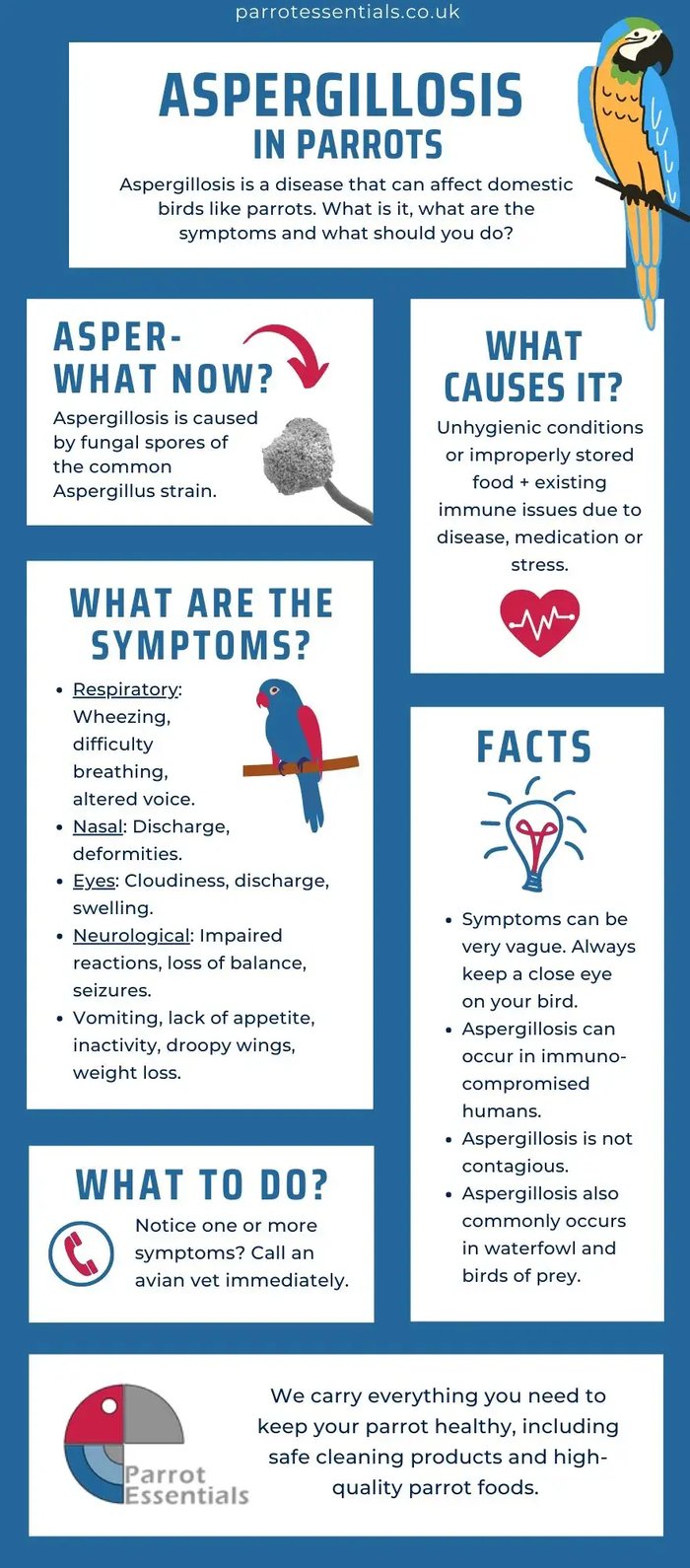
This deadly fungal infection thrives in poorly maintained humidifiers. Recognize symptoms before they become fatal:
Acute symptoms (seek immediate vet care):
– Labored breathing with visible tail bobbing
– Loss of appetite within 24 hours
– Excessive water consumption
– Bluish tint in droppings
Chronic indicators (schedule vet appointment immediately):
– Gradual decrease in activity levels
– Subtle breathing changes you notice over days
– Weight loss despite normal eating
– Increased sleeping and lethargy
Daily Environmental Controls to Stop Aspergillosis
Implement this monitoring routine:
– Check humidity levels morning and evening with a reliable hygrometer
– Visual inspection for mold in or around humidifier after each cleaning
– Observe bird behavior multiple times daily for respiratory distress
– Document any changes in eating or activity patterns
Critical environmental controls:
– Maintain 55% humidity maximum—never exceed 60%
– Ensure adequate ventilation without creating drafts
– Position cages away from direct mist flow
– Use multiple smaller units for large rooms instead of one oversized unit
Perfecting Humidifier Placement and Sizing for Your Parrot
Calculating Exact Humidifier Capacity Needs
Room sizing guide for humidifiers for parrots:
– Small birds (parakeets, lovebirds): 200-400 sq ft = 1-gallon tank
– Medium birds (conures, cockatiels): 400-600 sq ft = 2-gallon tank
– Large birds (macaws, cockatoos): 600-1000 sq ft = 3-4 gallon tank or dual units
Seasonal adjustments you must make:
– Increase capacity 25% during winter heating season
– Reduce settings 15% during humid summer months
– Monitor daily during weather transitions when humidity fluctuates
Troubleshooting Common Humidifier Problems
When humidity won’t rise despite running unit:
– Room too large for humidifier capacity
– Heating system removing humidity faster than addition
– Leaks around windows or doors
– Unit placed too far from bird’s area
Solutions that work:
– Add second humidifier for large spaces
– Seal obvious air leaks with weather stripping
– Move unit closer while maintaining safe distance
– Increase running time gradually while monitoring
Excess moisture warning signs requiring immediate action:
– Condensation on windows or walls
– Musty odors developing in room
– Bird showing respiratory distress
– Visible mold growth near unit
Creating Sustainable Humidity Routines for Long-Term Parrot Health
Monthly Deep Cleaning Schedule You Can’t Skip
Essential maintenance calendar:
– Week 1: Humidifier deep clean with vinegar solution
– Week 2: Cage and accessory steam cleaning
– Week 3: HVAC filter replacement
– Week 4: Hygrometer calibration check
Annual considerations:
– Replace humidifier every 3-5 years regardless of condition
– Schedule veterinary respiratory check-ups annually
– Review and update placement based on bird’s aging needs
Essential Monitoring Equipment Upgrades
Must-have tools for humidity control:
– Digital hygrometer with memory function
– Humidifier with built-in hygrometer for cross-reference
– Automatic shut-off models for safety
– Large tank options for overnight operation
Worth the investment: Consider whole-house humidification systems for dedicated bird rooms. These provide consistent humidity without daily maintenance requirements, creating a stable environment that significantly improves your parrot’s quality of life.
Final Takeaway: The right humidifier, properly maintained at 55% humidity, transforms your parrot’s health within days. Start with an evaporative model sized for your space, commit to weekly cleaning, and watch your bird’s plumage regain its natural luster. Your parrot’s respiratory system depends on this single environmental factor—make humidity control your top priority today. Proper humidifiers for parrots aren’t just a convenience; they’re a vital component of responsible bird ownership that directly impacts your feathered friend’s longevity and quality of life.