That sudden fever, chills, and body aches hitting you Monday morning isn’t just stress—it’s likely humidifier fever from contaminated systems. You empty your humidifier reservoir expecting relief, but the symptoms linger because you’re still breathing aerosolized bacteria and fungi. The critical truth? How to get rid of humidifier fever starts with stopping exposure before cleaning, as 90% of sufferers see symptoms vanish within hours once the source is neutralized.
This isn’t the flu—it’s microbial contamination from your humidifier’s water tank or HVAC system turning your air into an infection vector. Left unchecked, it triggers recurring “Monday sickness” patterns where symptoms flare after weekends away. But here’s the good news: by following these exact steps—verified by occupational health guidelines—you’ll eliminate both the fever and its source within 24 hours. No more guessing games with medications that don’t work; just targeted actions to reclaim your air quality.
Stop Humidifier Fever Exposure Immediately
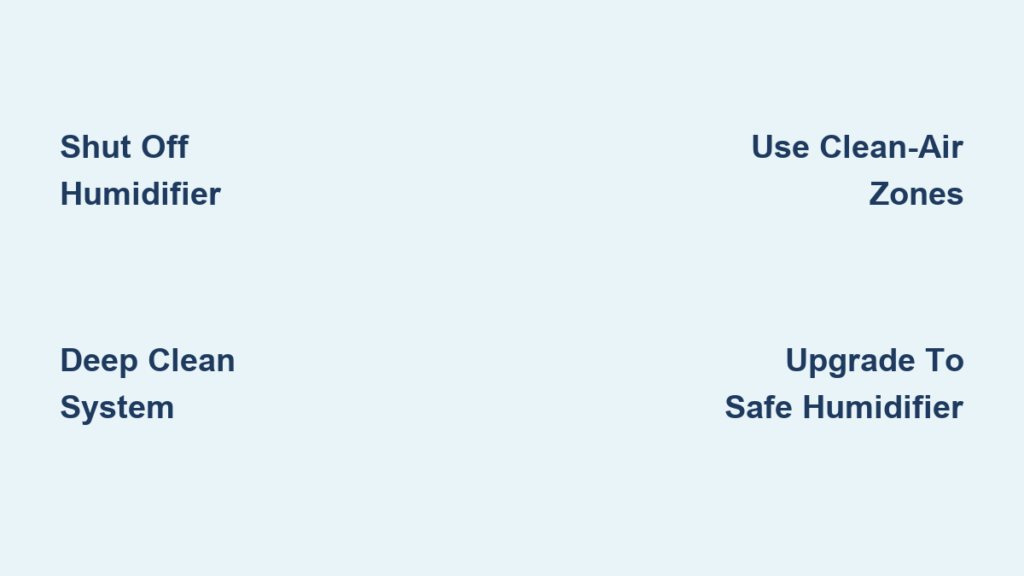
Your first move must be cutting off contaminated air—this single action resolves symptoms faster than any medication. When fever strikes, shut down the humidifier or leave the area within minutes. Most people peak at 4-8 hours post-exposure but achieve full recovery within 24 hours once aerosols stop. Watch for the classic “Monday sickness” pattern: symptoms vanish by Wednesday due to temporary immunity, only to return after weekends away. This cycle confirms humidifier fever—not the flu—as your culprit.
Quick Symptom Relief Protocol
While removing exposure, take these precise steps to ease discomfort:
– Take antipyretics immediately: Use paracetamol or ibuprofen for fever above 38°C and muscle aches
– Hydrate aggressively: Drink 500ml electrolyte water hourly to counter fever-induced dehydration
– Rest in clean-air zones: Move to rooms with open windows or HEPA-filtered air (no humidifiers)
– Seek urgent care if: Breathing difficulty worsens, oxygen drops below 94%, or fever exceeds 39°C for over 12 hours—these signal possible bacterial superinfection
Pro Tip: Keep a humidifier fever emergency kit with thermometer, electrolyte packets, and ibuprofen by your bed. Acting within the first 30 minutes of symptoms cuts recovery time by 50%.
Identify Your Contaminated Humidifier System
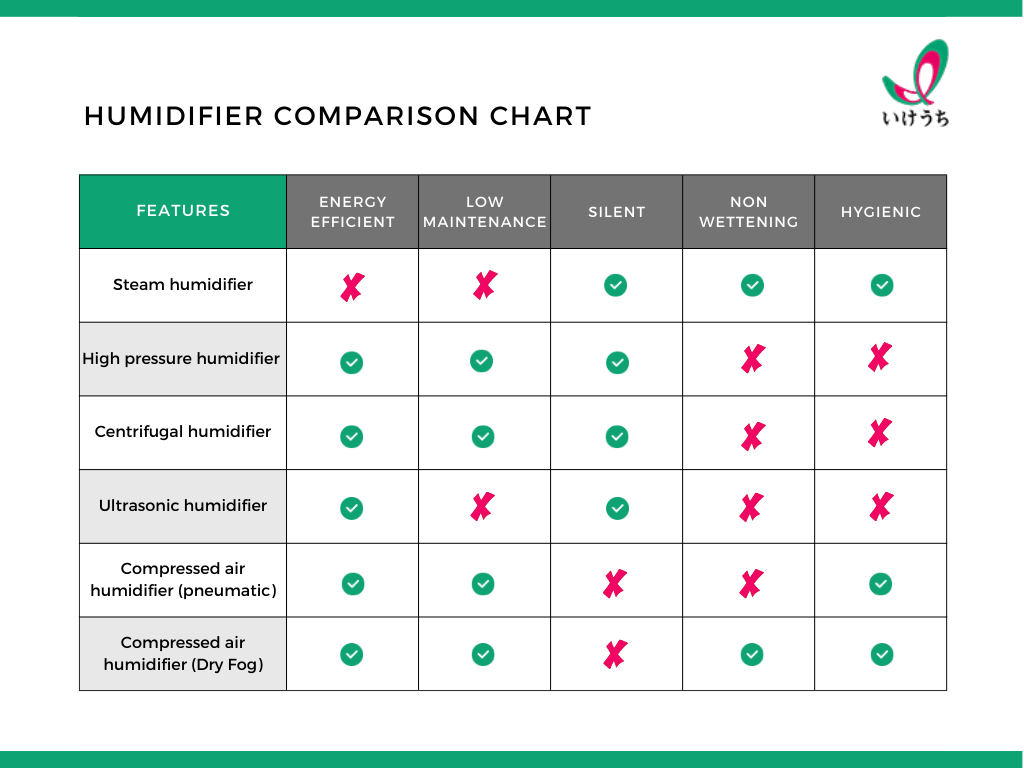
Not all humidifiers cause fever—only systems aerosolizing contaminated water. Check these high-risk units immediately: recirculating HVAC humidifiers, evaporative pan models with standing water, and ultrasonic/impeller portable units. Visible slime, scale, or biofilm on tanks or baffles confirms contamination. Safer alternatives like steam humidifiers or “once-through” systems (which discharge used water) rarely trigger outbreaks. If your office or home uses central humidification and multiple people share Monday-morning symptoms, test water sumps for microbial growth before proceeding.
Deep Clean Contaminated Humidifier Systems
Cleaning isn’t optional—it’s your fever’s off switch. Skip this step and symptoms will return. This protocol eliminates bacteria, fungi, and endotoxins from both commercial and home systems.
Industrial/Commercial System Decontamination
For building HVAC units, follow this 30-minute emergency protocol:
1. Drain all water from sumps, reservoirs, and drip pans
2. Scrub visible biofilm from baffle plates, pipework, and recirculation loops using stiff nylon brushes
3. Disinfect with one solution:
– 500-1000 ppm sodium hypochlorite (1:50 bleach dilution) for 30 minutes, or
– Undiluted 3% hydrogen peroxide for 30 minutes, or
– EPA-approved biocides like chlorine dioxide
4. Rinse thoroughly to prevent chemical corrosion
Critical Mistake: Skipping biofilm removal before disinfection. Microbes hide in slime layers—scrub first or sanitizers won’t penetrate.
Portable Humidifier Emergency Clean
For home units, execute this 20-minute rescue:
1. Unplug and empty all water immediately
2. Disassemble tanks, wicks, filters, and ultrasonic discs
3. Soak parts 30 minutes in equal white vinegar and water to dissolve scale
4. Scrub gently with soft toothbrush (avoid scratching surfaces)
5. Sanitize 10 minutes in either:
– 1 tsp bleach per liter of water, or
– Undiluted 3% hydrogen peroxide
6. Rinse 3x and air-dry 24 hours before reuse—never reassemble damp parts
Upgrade to Fever-Proof Humidification Systems
Cleaning stops today’s outbreak; prevention stops tomorrow’s. Replace high-risk units with these solutions:
– Steam injection systems: Use potable water in dedicated boilers (zero standing water)
– Once-through humidifiers: Discharge used water to waste instead of recirculating
– Evaporative wick models: Choose units with antimicrobial-treated filters for homes
Portable unit owners: ditch ultrasonic/impeller types—they aerosolize contaminants most aggressively. Switch to evaporative wicks or warm-mist vaporizers that boil water during operation.
Install Continuous Microbial Suppression
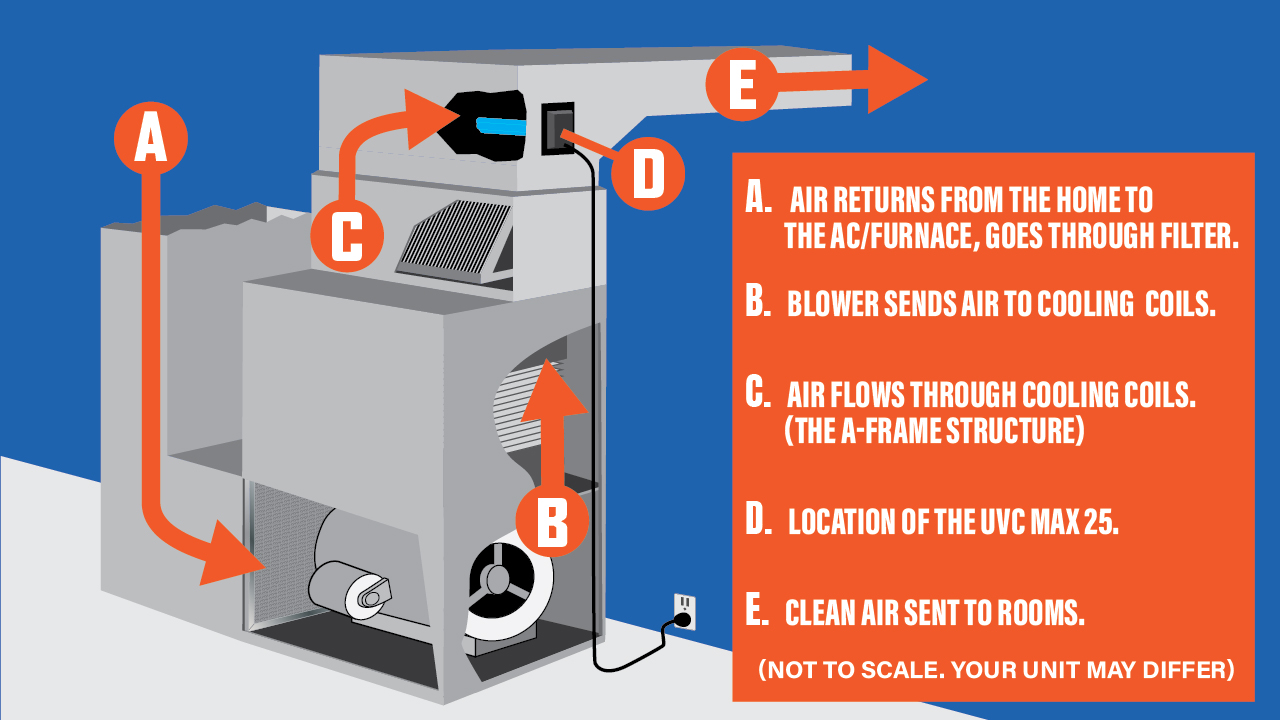
For systems requiring recirculation (like some commercial HVAC), add these non-negotiable defenses:
– UV-C lamps: Install 254 nm wavelength units in air handlers (40+ mJ/cm² dose)
– EPA-registered biocides: Use isothiazolinones or polyhexamethylene biguanide with strict residual monitoring
– Temperature control: Keep water below 18°C or above 50°C to suppress growth
Pro Tip: Add MERV 13+ intake filters to block organic dust—the “food” microbes need to thrive in your system.
Follow the Humidifier Maintenance Schedule That Prevents Fever
Prevention requires military-grade consistency. Anchor this ASHRAE-based schedule to your humidifier:
| Task | Frequency | Critical Failure Point |
|---|---|---|
| Drain sump/reservoir | Weekly during use | Skipping = biofilm regrowth in 72 hours |
| Clean baffles & drip pans | Monthly | Scale buildup shelters microbes |
| Replace filters | Quarterly or at 25% pressure drop | Clogged filters increase organic load |
| Microbiologic testing | Monthly | Silent contamination without visible slime |
| Full disinfection | Pre/post heating season | Dormant colonies reactivate |
Verify Your Humidifier Fever Elimination Success
Don’t assume—it prove. Test air quality for:
– Bacterial/fungal counts below 500 CFU/m³
– Endotoxin levels under 100 EU/m³ (LAL test)
– Zero pathogenic species (e.g., Legionella, Aspergillus)
In homes, track symptom recurrence for 30 days. In offices, require medical surveillance with spirometry for exposed workers. Document before/after microbial counts—true success means zero fever cases through one full heating season.
Humidifier Fever Elimination Checklist
Print and post this near your system—your 24-hour action plan:
- [ ] Shut off contaminated humidifier immediately when symptoms start
- [ ] Relocate affected people to clean-air zones with symptom relief
- [ ] Deep clean entire water system using vinegar/bleach protocol
- [ ] Upgrade to steam or once-through humidification within 7 days
- [ ] Install UV-C or biocides for continuous suppression
- [ ] Log all maintenance with dates and microbial test results
- [ ] Verify air quality meets safety thresholds (<500 CFU/m³)
- [ ] Train everyone to recognize early fever symptoms
Bottom line: Humidifier fever disappears completely when you eliminate the contaminated water source and prevent microbial aerosolization. By stopping exposure within minutes, deep-cleaning with targeted disinfectants, and installing fever-proof systems, you’ll break the “Monday sickness” cycle permanently. Follow this exact protocol, and your next Monday morning will bring productivity—not fever. Start tonight—your clean air awaits.