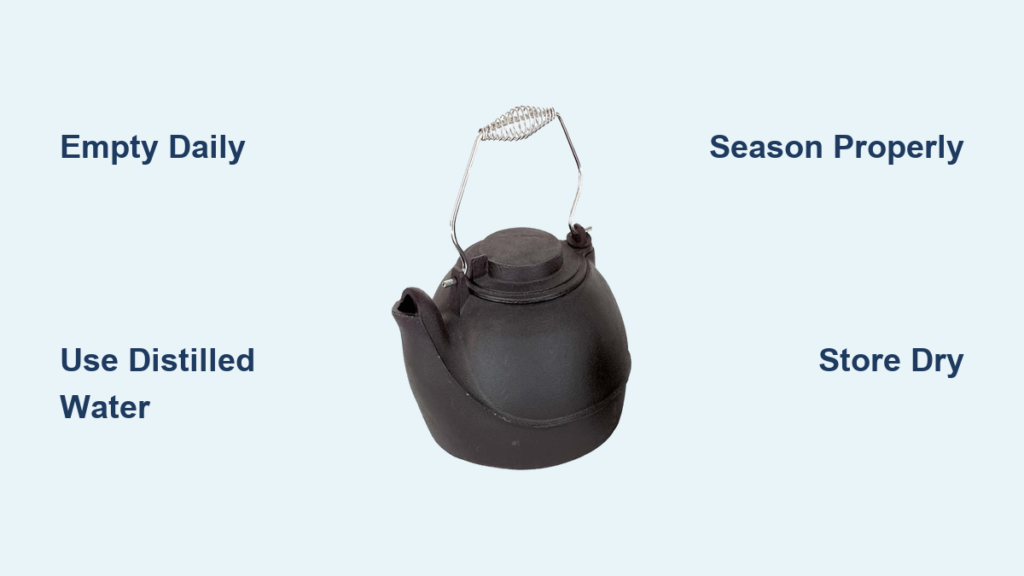
That cast iron humidifier perched on your wood stove is working hard to combat winter dryness, but beneath its steady steam lies a hidden threat—rust creeping across its surface. Many owners mistakenly believe rust is inevitable with cast iron humidifiers, but the truth is that with proper care, your humidifier can last decades without a single orange spot. You’ll discover the exact methods that transform frustrated owners into rust-prevention experts, saving you from the tedious restoration work that plagues most humidifier users.
This guide reveals the daily two-minute routine that prevents 90% of rust formation cases, along with professional seasoning techniques and water management strategies you won’t find in the instruction manual. Whether you’re dealing with a new humidifier or trying to rescue one showing early rust spots, these methods address the root causes of corrosion rather than just treating symptoms.
Why Cast Iron Humidifiers Rust Despite Proper Use
Rust forms through a chemical reaction where iron combines with water and oxygen—a perfect storm created by your humidifier’s very purpose. The constant moisture exposure, temperature fluctuations between heating cycles, and mineral content in water all accelerate this destructive process. Your humidifier isn’t failing you; it’s simply operating in conditions that naturally promote oxidation.
Key rust accelerators specific to humidifiers:
– Mineral-rich water leaving deposits that compromise protective layers
– Extended water contact beyond 24 hours creating prolonged oxidation opportunities
– Temperature shock from rapid heating and cooling cycles
– Damaged seasoning exposing bare metal to moisture
– Poor ventilation during storage trapping moisture against metal surfaces
Understanding these factors helps you target prevention efforts where they’ll have maximum impact, rather than applying generic rust remedies that fail on cast iron humidifiers.
Essential First-Time Seasoning Protocol
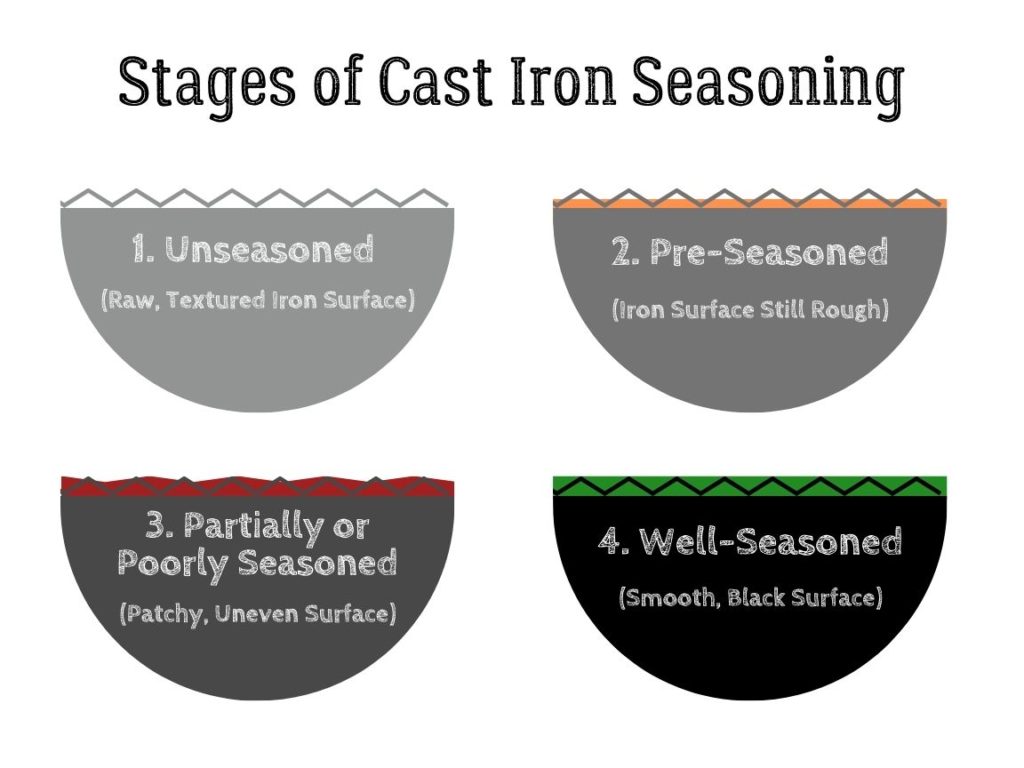
Your humidifier’s rust resistance begins with proper initial seasoning—a process many skip, do incorrectly, or misunderstand as a one-time task. Seasoning creates a polymerized oil barrier that prevents direct contact between iron and moisture, effectively stopping rust before it starts.
Correct seasoning preparation steps:
- Remove manufacturing residues using hot water and mild detergent with a non-metallic brush until water sheets evenly across surfaces
- Thoroughly dry by heating the empty humidifier on medium heat for 15 minutes to ensure all moisture evaporates
- Apply foundation oil using a lint-free cloth with flaxseed or grapeseed oil—just enough to darken surfaces without pooling
- Create polymerization by heating at 425°F for one hour, allowing slow cooling, then repeating 3-4 times
Pro tip: Test your seasoning quality by checking for a dark, semi-gloss appearance after final cooling. A properly seasoned surface should feel smooth, never sticky.
Daily Water Management to Prevent Rust Formation
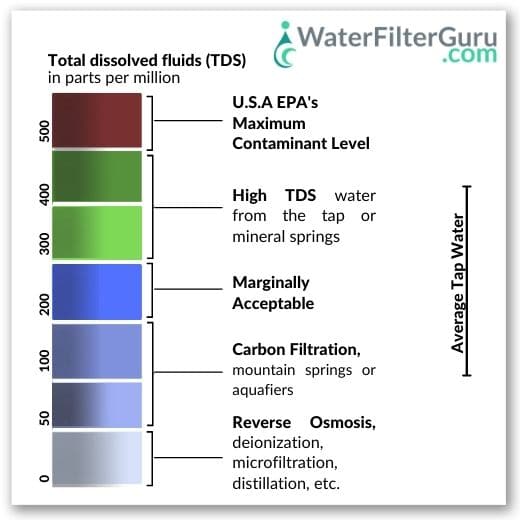
Your water choice directly determines your humidifier’s rust resistance. Hard water contains minerals that attack seasoning and accelerate corrosion, while distilled water provides moisture without the mineral assault that triggers rust.
Water selection guide for rust prevention:
– Best: Distilled water (zero minerals)
– Good: Filtered water (<50 ppm TDS)
– Acceptable: Rainwater (naturally soft)
– Avoid: Tap water over 150 ppm TDS, softened water, well water with iron content
Your daily rust-prevention routine:
1. Empty completely when not in use—never leave water standing overnight
2. Heat empty humidifier 5-10 minutes to evaporate residual moisture
3. Wipe interior with thin mineral oil coating while warm
4. Store with lid slightly open for air circulation
This simple two-minute routine prevents 90% of rust formation cases by eliminating the moisture-oxygen combination that triggers corrosion.
Optimal Storage Techniques Between Seasons
When heating season ends, proper storage determines whether your humidifier emerges ready for duty or requires major restoration. The transition from daily use to months of inactivity creates unique rust challenges many owners overlook.
Short-term storage (daily):
– Empty completely and heat dry
– Light mineral oil wipe-down
– Lid cracked open for ventilation
Long-term seasonal storage:
1. Complete restoration cycle including deep cleaning and full re-seasoning
2. Protective coating with food-grade mineral oil or beeswax
3. Environmental control in dry location below 50% humidity
4. Moisture barriers with silica gel packets and breathable cotton wrapping—never plastic
Warning: Store on wooden shelves, never directly on concrete floors which wick moisture and create rust pockets.
Spot Rust Removal Methods for Early Detection
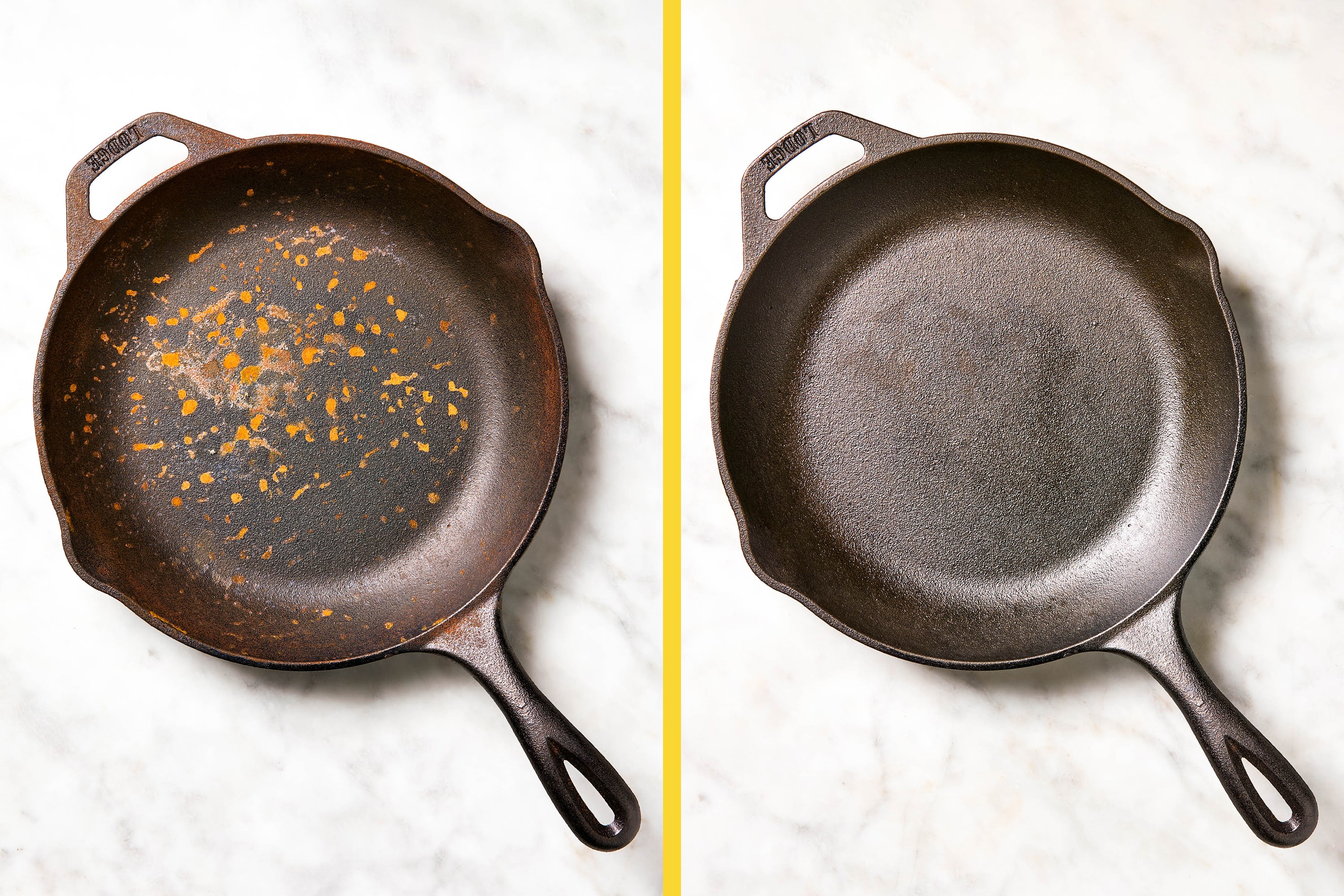
Despite best efforts, rust spots occasionally appear—usually where seasoning has been compromised. Early intervention prevents minor spots from becoming major problems that require complete restoration.
Light surface rust treatment:
– Create baking soda paste (equal parts water and soda)
– Apply with soft cloth using circular motions
– Rinse thoroughly, dry completely, re-season immediately
Moderate rust removal:
– Use 0000 steel wool following cast iron grain pattern
– Vacuum away rust particles, wash with mild detergent
– Complete re-seasoning cycle required
Critical warning signs requiring immediate action:
– Orange or reddish discoloration
– Metallic taste in steam
– Visible rust particles in water
– Rough, pitted surface texture
Environmental Controls for Long-Term Protection
Your humidifier’s environment plays a crucial role in rust prevention. Temperature fluctuations create condensation, while high humidity accelerates corrosion even during storage.
Optimal storage conditions:
– Temperature: 60-75°F stable range
– Humidity: Below 50% relative humidity
– Ventilation: Good air circulation prevents moisture pockets
– Elevation: Keep off concrete floors and damp surfaces
Humidity control methods:
– Dehumidifier in storage areas during summer months
– Moisture absorbers like DampRid or silica gel packets
– Breathable storage containers that allow air exchange
– Regular monitoring with digital hygrometer
Maintenance Schedule That Prevents Rust Buildup
Consistency trumps intensity when preventing cast iron rust. A simple calendar approach ensures critical tasks happen before problems develop.
Monthly maintenance:
– Visual inspection for rust spots or seasoning damage
– Light re-seasoning if surface appears dull or dry
– Water quality check and filter replacement
– Exterior cleaning and oiling
Quarterly deep maintenance:
– Complete emptying and thorough drying
– Seasoning assessment and touch-ups
– Storage area inspection
– Supply inventory (oils, cloths, steel wool)
Annual restoration:
– Professional inspection for structural integrity
– Complete re-seasoning cycle
– Review water treatment system effectiveness
– Replace worn accessories and tools
Troubleshooting Common Rust-Related Issues
White mineral deposits indicate hard water evaporation leaving mineral residue. Solution: vinegar rinse (1:3 ratio) followed by thorough rinsing and re-seasoning. Prevention: switch to distilled water exclusively.
Flaking seasoning results from thermal shock or improper initial seasoning. Remove loose seasoning with fine steel wool, clean thoroughly, and re-season using gradual heating cycles.
Persistent rust spots suggest compromised seasoning or water quality issues. Increase oil treatment frequency and check water source for iron content or high mineral levels.
Pro tip: Healthy seasoning evolves from silver-gray to dark brown to deep black over time. A properly maintained cast iron humidifier develops a smooth, slightly glossy surface with no sticky areas or metallic odor.
Your cast iron humidifier doesn’t have to become another rusted relic abandoned in the basement. With these proven techniques, daily two-minute routines, and quarterly deep maintenance, you’ll enjoy decades of reliable service. The key lies not in perfection but in consistency—empty it daily, oil it weekly, and inspect it monthly. Your reward will be a rust-free humidifier that improves your home’s air quality year after year, becoming more efficient as its seasoning matures into a bulletproof barrier against corrosion.