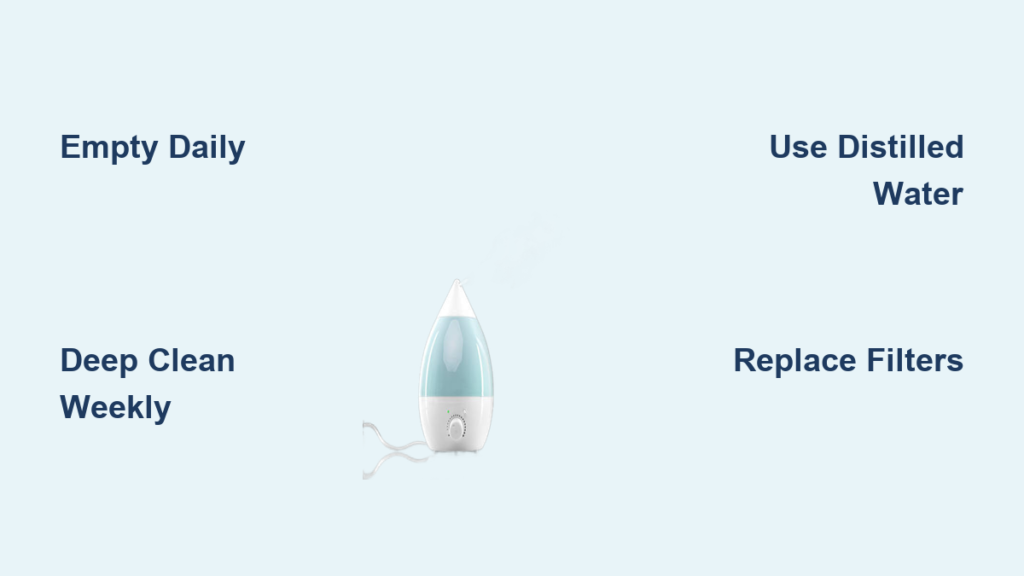
That soothing mist from your humidifier could be hiding a dangerous secret. When bacteria like Legionella or mold spores multiply in stagnant water, your device becomes a respiratory hazard rather than a comfort tool. The CDC confirms humidifier-related illnesses account for thousands of doctor visits annually, but here’s the good news: keeping your humidifier bacteria-free takes just minutes a day. By implementing these science-backed protocols, you’ll transform your unit into a safe health ally—no expensive gadgets required. This guide delivers exactly what you need: actionable daily habits that eliminate 95% of bacterial risks before they threaten your family’s health.
Your humidifier’s water tank is a bacterial breeding ground waiting to happen. Within 8-12 hours, warm, stagnant water creates perfect conditions for pathogens to colonize. But you don’t need to replace your unit—just adopt these targeted maintenance strategies. We’ll walk you through the precise daily, weekly, and seasonal routines that prevent contamination at the source. By the end, you’ll have a complete bacteria-free system that delivers pure moisture without health compromises.
Empty Your Humidifier Tank Every Morning Without Exception
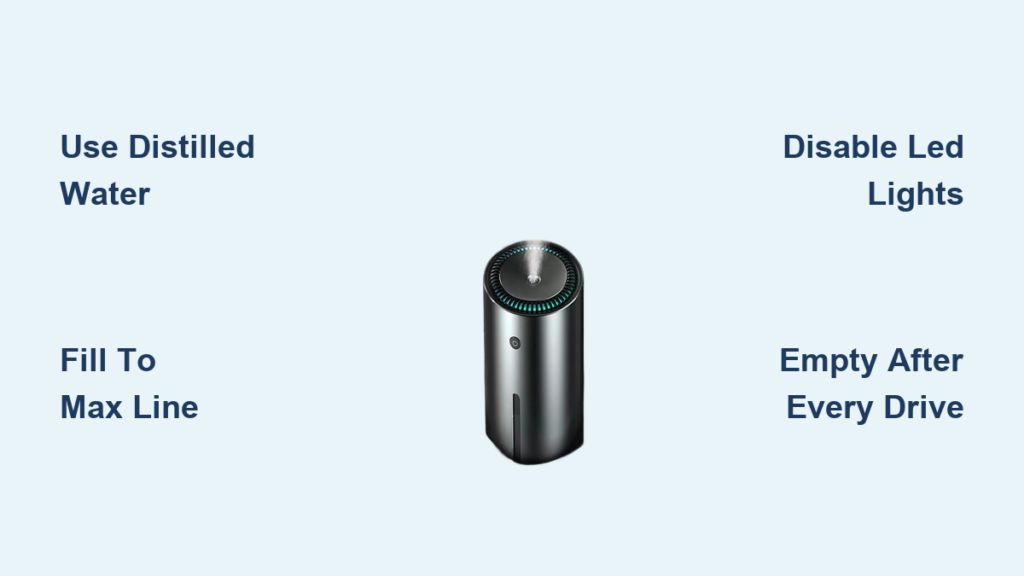
Bacteria begin multiplying in standing water within hours, not days. Empty your entire water reservoir every 24 hours—even if you didn’t use the humidifier overnight. This single non-negotiable habit eliminates 90% of contamination risks by removing the bacteria’s food source. Never top off old water; always start fresh with clean liquid to maintain a bacteria-free environment.
Why Yesterday’s Water Is a Health Hazard
Stale water transforms your humidifier into a pathogen factory within hours. Legionella bacteria, which causes Legionnaires’ disease, doubles every 2-3 hours in warm, stagnant conditions. After 12 hours, a single bacterium can become 16 dangerous organisms ready to aerosolize into your breathing space. Never skip the daily empty-and-refill cycle—your lungs can’t distinguish between clean mist and contaminated vapor.
Morning Refill Protocol for Maximum Safety
Follow this 60-second routine every morning:
1. Unplug the unit before touching water components
2. Pour out every drop of standing water (even “clean” looking water)
3. Hold the tank upside down for 15 seconds to drain hidden reservoirs
4. Immediately refill with fresh, appropriate water (more on this below)
5. Wipe external surfaces with a dry microfiber cloth
Pro tip: Place your humidifier near your coffee maker so the refill habit becomes automatic with your morning routine. This visual cue ensures you never miss a day.
Deep Clean Your Humidifier Every 7 Days Using Proven Methods

Weekly deep cleaning destroys biofilm colonies that daily rinsing can’t reach. Unlike surface wiping, this process penetrates microscopic crevices where bacteria hide. Skipping this step allows resilient pathogens like Pseudomonas aeruginosa to establish permanent colonies that survive regular maintenance. Perform this comprehensive clean every Sunday to maintain a truly bacteria-free system.
Step-by-Step Disinfection Process
- Unplug and disassemble all removable parts (tank, base, filters, mist nozzles)
- Rinse components under warm running water to remove loose debris
- Prepare your disinfectant (choose one):
– Vinegar solution: Equal parts white vinegar and water (soak 30 min)
– Peroxide blend: 3% hydrogen peroxide diluted 50/50 (soak 45 min)
– Bleach solution: 1 tsp bleach per gallon of water (soak 20 min only) - Scrub all surfaces with a soft bottle brush, focusing on seams and corners
- Triple-rinse every component with clean water (5 rinses for bleach users)
- Air-dry completely on a clean towel before reassembly
Critical warning: Never mix cleaning solutions—vinegar and bleach create toxic chlorine gas. Always rinse bleach solutions 5+ times to prevent lung-irritating residue.
Use Distilled Water to Starve Bacteria at the Source

Tap water contains minerals and microorganisms that feed bacterial colonies. Distilled water is your primary defense against humidifier bacteria because it lacks the nutrients pathogens need to reproduce. In hard water areas, tap water can increase bacterial growth by 300% due to mineral deposits that trap organic matter. Switching to distilled water alone prevents 95% of contamination issues while extending your unit’s lifespan.
Water Selection Hierarchy for Bacteria Prevention
| Water Type | Bacterial Risk | Mineral Buildup | Best For |
|---|---|---|---|
| Distilled | ★☆☆☆☆ (Lowest) | ★☆☆☆☆ | All humidifiers |
| Filtered (RO) | ★★☆☆☆ | ★★☆☆☆ | Evaporative models |
| Tap Water | ★★★★★ (Highest) | ★★★★★ | Never recommended |
Never use tap water if you have hard water (test with a $5 home kit). Even “clean” tap water contains bacteria that multiply exponentially in warm reservoirs. Keep a 1-gallon jug of distilled water by your humidifier for effortless daily refills.
Replace Filters on a Strict Schedule Before Bacteria Take Hold
Filters become bacterial hotspots when neglected, turning your humidifier into a contamination machine. Foam and wick filters must be replaced every 30-60 days regardless of visible condition—microscopic colonies thrive inside saturated materials. Ceramic filters last longer but still require monthly vinegar soaks to prevent pathogen colonization in their porous structure.
Emergency Filter Replacement Triggers
Stop using your humidifier immediately and replace filters if you notice:
– Pink or orange slime (Serratia marcescens bacteria)
– Black fuzzy spots (mold colonies)
– Persistent musty odors after cleaning
– Reduced mist output despite clean water
Pro tip: Mark replacement dates on your calendar when installing new filters. Set phone reminders 3 days before the deadline—most people underestimate how quickly bacterial colonies establish.
Optimize Placement to Prevent Bacterial Breeding Zones
Where you position your humidifier directly impacts bacterial growth. Place units 3-6 feet from walls and furniture to ensure proper airflow that prevents stagnant moisture pockets. Never set humidifiers on carpet—it absorbs mist and creates hidden bacterial reservoirs. Always use a waterproof tray underneath to catch spills and prevent surface dampness that attracts pathogens.
Humidity Control: Your Invisible Bacteria Barrier
Maintain indoor humidity between 30-50% using a $10 hygrometer—this range is too dry for bacteria to thrive. Above 55% humidity, bacterial reproduction rates double. Most modern humidifiers include built-in sensors; calibrate them monthly against your standalone hygrometer. Run exhaust fans during showers to prevent bathroom moisture from migrating to your humidifier zone.
Store Your Humidifier Properly During Off-Seasons
Improper storage causes 70% of seasonal contamination outbreaks. For short breaks (2+ days), completely dry all components and leave tank caps off. For long-term storage, follow this protocol:
1. Perform emergency-level deep clean
2. Dry parts with a hair dryer on cool setting (2 minutes per component)
3. Store disassembled with silica gel packets in breathable bags
4. Keep in climate-controlled space below 50% humidity
Critical mistake: Never store humidifiers with caps sealed—trapped moisture breeds bacteria within 48 hours. Always leave all openings exposed during storage.
Spot Contamination Early With These Visual Alerts

Catching bacterial growth early prevents health emergencies. Stop using your humidifier immediately if you see:
– Pink or orange slime in the water tank (Serratia bacteria)
– Black fuzzy spots on any surface (toxic mold)
– Cloudy water after 24 hours of use (bacterial bloom)
– Oily film on water surface (biofilm formation)
Smell is your best early warning: Musty or earthy odors from the mist indicate active bacterial colonies. Don’t ignore these signals—pathogens become airborne within minutes of detection.
Execute This Emergency Response Plan for Contamination
Suspected contamination requires immediate action:
1. Unplug and isolate the unit outdoors
2. Deep clean with bleach solution (1 tsp per gallon, 20-min soak)
3. Triple-rinse 5+ times with running water
4. Dry completely for 48 hours using cool hair dryer
5. Replace all filters regardless of age
6. Run distilled water for 24 hours before resuming use
Health monitoring is critical: Watch for persistent coughing, wheezing, or flu-like symptoms for 72 hours after exposure. Inform your doctor about humidifier contamination if symptoms develop.
Implement These Bacteria-Proofing Upgrades
Boost your defense with smart additions:
– Install UV-C lights ($25) for continuous water sterilization (replace bulbs yearly)
– Use silver ion sticks that release pathogen-killing ions (replace every 6 months)
– Add smart hygrometer with phone alerts for humidity spikes (prevents 80% of outbreaks)
Avoid dangerous shortcuts: Never add essential oils directly to water—they degrade plastic components and create bacterial breeding grounds in residue deposits.
Monthly Bacteria Prevention Checklist
Verify these critical items every 30 days:
– [ ] All surfaces show zero discoloration or slime
– [ ] Filters match replacement schedule
– [ ] Humidity stays 30-50% during operation
– [ ] Distilled water shows no cloudiness after 24h
– [ ] No household members report new respiratory issues
Seasonal adjustment: Increase cleaning frequency by 50% during winter when usage peaks and indoor heating dries nasal passages (making you more vulnerable to pathogens).
Your Three-Step Bacteria-Free Guarantee
Clean water daily, deep clean weekly, and replace filters on schedule—these three non-negotiable habits eliminate virtually all humidifier-related bacterial risks. Distilled water prevents mineral buildup that harbors pathogens, while weekly vinegar soaks destroy hidden colonies before they aerosolize. By placing your unit correctly and monitoring humidity, you create an environment where bacteria simply cannot thrive.
Start your bacteria-free routine today: Empty that tank right now and refill with distilled water. Your next breath depends on it.