Your Vicks humidifier suddenly stops producing mist, leaving dry air aggravating your sinuses. You know it needs cleaning, but that stubborn base won’t budge—forcing it risks cracks and voided warranties. This happens daily to thousands of humidifier owners battling mineral buildup from hard water. Knowing how to open Vicks humidifier units correctly takes just 3-5 minutes once you identify your model’s specific mechanism. Skip the guesswork and prevent costly damage with this model-specific guide covering warm mist, cool mist, and filter-free designs.
Most users make the critical mistake of attempting disassembly while the unit is wet or powered. Water contact with electrical components creates serious shock hazards, especially in warm mist models with exposed heating elements. Never skip the cooling phase—thermal shock from sudden temperature changes cracks plastic housings. By following this precise sequence, you’ll access internal components safely while extending your humidifier’s lifespan. This guide reveals exactly where to apply pressure for each Vicks model type, transforming frustrating struggles into routine maintenance.
Power Down and Unplug Before Any Disassembly
Disconnect your humidifier from the power source immediately—this eliminates electrocution risks from residual moisture. Warm mist models require extra caution since heating elements retain dangerous heat long after shutdown. For cool mist units, run until the tank empties to minimize water spillage during disassembly. Never attempt how to open Vicks humidifier components while plugged in or wet.
Empty Water Reservoir Completely
Remove the water tank by lifting straight upward and pour remaining water down the drain. Tilt the base over a sink to drain hidden reservoir sections—you’ll hear water sloshing near the base seam. Critical warning: Never force open a humidifier with liquid inside—this floods electrical components and causes permanent damage. Check for hidden water pockets by shaking the base near your ear before proceeding.
Identify Your Exact Vicks Model First

Your humidifier’s opening method depends entirely on its specific model number. Check the label on the bottom housing—this determines whether you’re dealing with twist-lock, snap-fit, or hidden button mechanisms. Using the wrong technique for your model cracks plastic housings and voids warranties. Most common variants follow these patterns:
Warm Mist Models (V750, V745 Series)
These feature prominent circular bases with molded “LOCK” and “UNLOCK” arrows. The heating chamber requires rotational release rather than pulling. Look for raised indicators near the water fill opening that align when twisting.
Cool Mist Filter Models (V4600, V5100)
Identify these by their visible wick filters and textured base seams. They use 3-4 internal snap tabs requiring downward pressure at specific points. The filter housing exposes fan assemblies once opened.
Filter-Free Ultrasonic Models
Sleek, modern designs hide release mechanisms under decorative caps or within tank connection points. These require locating recessed buttons before base separation.
Twist-Lock Base Opening for Warm Mist Units
For V750/V745 models, place the unplugged unit on a towel-covered surface with the base facing upward. Secure the upper housing with one hand while rotating the base counterclockwise toward “UNLOCK.” Apply steady, gradual pressure—you’ll feel initial resistance from mineral buildup that yields after 15-30 degrees of rotation.
Remove Base Assembly Safely
Once unlocked, lift the base straight downward while supporting the upper housing. You’ll see the heating element chamber separate from the water reservoir. Stop immediately if you hear grinding—this indicates scale deposits jamming the mechanism. Soak in vinegar first (see troubleshooting section) rather than forcing separation.
Snap-Fit Tab Release for Cool Mist Models

For filter-based cool mist units like the V4600, locate 3-4 rectangular tabs where the base meets the upper housing. Press each tab inward with your thumbs while simultaneously pulling the base downward. Work sequentially around the unit—start at the front tab, then move to sides and back. Never force all tabs simultaneously as this cracks plastic.
Hidden Button Release Technique
Newer filter-free models conceal release buttons under the water tank connection area. Remove the tank first, then locate a small recessed button near the center shaft. Press firmly with a plastic tool while pulling the base downward—metal objects scratch internal components.
Access Critical Components After Opening
With the base removed, identify your model’s internal configuration before proceeding. Take smartphone photos at each disassembly stage—this prevents reassembly errors later. Key components vary significantly by type:
Warm Mist Heating Element Inspection
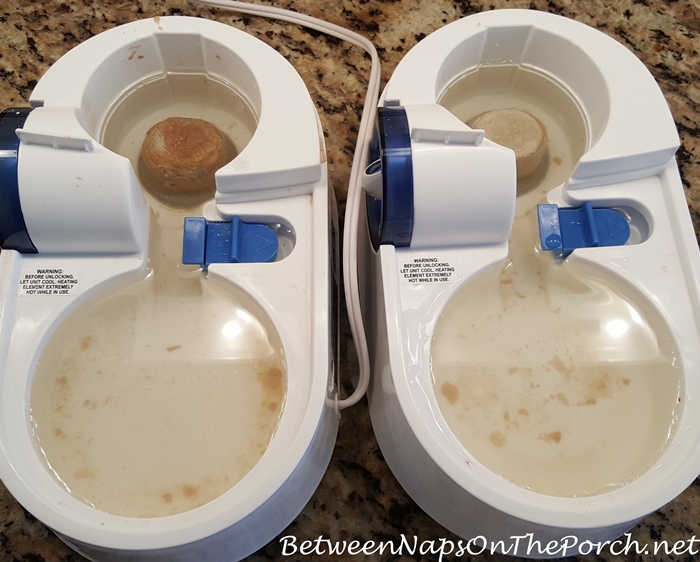
Check the rubber seals around the steam chamber for cracks or warping. Note mineral crust patterns around steam vents—these indicate where vinegar soaking is most needed. The heating element should sit flush without wobbling.
Cool Mist Filter and Fan Assessment
Remove discolored or hardened wick filters immediately—they restrict airflow and harbor mold. Inspect the fan blades for dust buildup that reduces mist output. Replace filters every 30-60 days depending on water hardness.
Ultrasonic Transducer Cleaning Access
Filter-free models expose the vibrating metal transducer plate. This critical component requires gentle descaling—aggressive scrubbing damages its precision surface. Look for white mineral crusts that reduce mist production.
Deep Clean While Components Are Exposed
Opening your Vicks humidifier provides the only opportunity for thorough internal cleaning. Never use bleach or abrasive pads—these degrade plastic and leave harmful residues. Focus on mineral deposits that cause operational issues.
Effective Scale Removal Process
For warm mist chambers, submerge the heating element housing in undiluted white vinegar for 30 minutes. Use a soft toothbrush to dislodge stubborn deposits around steam vents—never metal tools. Rinse thoroughly before reassembly.
Filter Replacement Timing Guide
Install new filters when you notice reduced mist output or visible discoloration. Hard water areas require replacement every 30 days; soft water areas can stretch to 60 days. Mark replacement dates on your calendar to maintain optimal performance.
Reassemble With Critical Safety Checks
Improper reassembly causes 70% of post-cleaning leaks and malfunctions. Verify all rubber seals are fully seated before closing—pinched seals create water pathways into electrical components. Test fit components without locking first to confirm alignment.
Warm Mist Model Locking Sequence
Align the base so steam vents face forward, then rotate clockwise until you hear a distinct “click.” The “LOCK” indicator should align perfectly with the housing mark. Gently tug the base—no movement should occur.
Cool Mist Tab Engagement Test
Press the base upward until all tabs audibly snap into place. Test security by attempting to rotate the base slightly—if it moves, one tab remains unseated. Recheck each tab individually before proceeding.
Prevent Future Opening Difficulties Proactively
Mineral buildup turns routine maintenance into frustrating struggles over time. Clean your humidifier weekly using vinegar solutions to prevent scale accumulation that seizes mechanisms. This simple habit makes opening effortless for years.
Strategic Lubrication Points
Apply petroleum jelly to twist-lock threads every 3 months using a cotton swab. Focus on contact points where mineral deposits cause binding. Wipe excess to avoid attracting dust—this maintains smooth rotation without residue.
Water Quality Management
Hard water users should switch to distilled water or install demineralization cartridges. This reduces mineral deposits by 80%, preventing the crusty buildup that makes how to open Vicks humidifier units increasingly difficult. Test your water hardness with $5 strips from hardware stores.
Troubleshoot Stuck Units Without Damage
When standard methods fail, mineral seals have likely fused components together. Never use pliers or excessive force—this cracks plastic housings beyond repair. Try these safe dissolving techniques first:
Vinegar Soak Dissolution Method
Fill the water tank with undiluted white vinegar and let sit for 60 minutes. The acid penetrates mineral seals between components. Empty completely, rinse twice, then attempt opening—most units release after this treatment.
Controlled Heat Expansion Technique
For warm mist models only, run the unit for 2 minutes to gently warm plastic housings. Immediately unplug and wait 10 minutes before attempting opening—the slight expansion breaks mineral bonds. Never handle hot components directly.
Mastering how to open Vicks humidifier units transforms intimidating maintenance into a simple 5-minute ritual. Remember that 90% of opening difficulties stem from neglected mineral buildup rather than mechanical failure—consistent weekly cleaning prevents most issues. Always identify your specific model first, never force components, and use vinegar dissolving techniques for stubborn seals. By following this precise sequence, you’ll maintain optimal mist output while avoiding costly replacements. Keep this guide bookmarked for your next cleaning session—your lungs (and wallet) will thank you when dry winter air returns.