That desperate sound of your baby struggling to breathe through a stuffy nose can make any parent feel helpless. When your little one can’t blow their nose or tell you what’s wrong, that congested snorting keeps you both up at night—especially since infants are obligate nose breathers who can’t effectively switch to mouth breathing. A properly used cool-mist humidifier provides drug-free relief by thinning mucus and soothing irritated nasal passages, but incorrect usage can create new problems like mold exposure or even worsen breathing difficulties.
This guide delivers exactly what you need to know about using a humidifier for baby congestion—no fluff, just actionable steps that deliver safe results. You’ll learn how to position the unit correctly, maintain optimal humidity levels, and implement a cleaning routine that prevents dangerous bacterial growth while providing immediate breathing relief.
Pick the Only Safe Humidifier Type for Nurseries
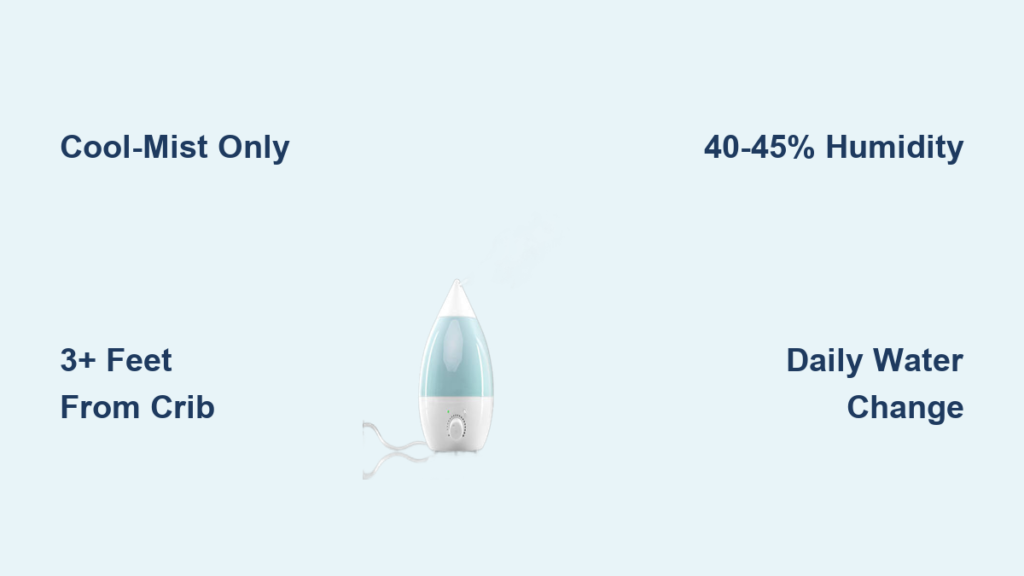
Cool-mist humidifiers are your only safe option—warm-mist models risk severe burns from hot water and steam, making them dangerous in any room where babies or toddlers spend time. Cool-mist units disperse room-temperature vapor through ultrasonic vibration or wicking filters without generating heat, eliminating scald risks while effectively thinning mucus.
Critical Features That Prevent Nursery Disasters
- Ultrasonic operation runs silently so it won’t disturb light sleepers
- Adjustable mist control lets you respond to seasonal humidity changes
- Automatic shut-off prevents motor damage when water runs low
- Wide-opening tanks enable complete cleaning of hidden crevices
- Filter-free design avoids costly replacements and mineral buildup
- Soft LED night light allows nighttime checks without full room lighting
Match Capacity to Your Nursery Size
For most baby rooms (100-400 square feet), choose a 0.5-1 gallon tank that runs 12-24 hours between refills. Units too small won’t combat congestion effectively, while oversized models create window condensation that promotes mold growth. Measure your space before purchasing—this simple step prevents 80% of humidifier-related issues.
Position Your Humidifier 3+ Feet From Crib
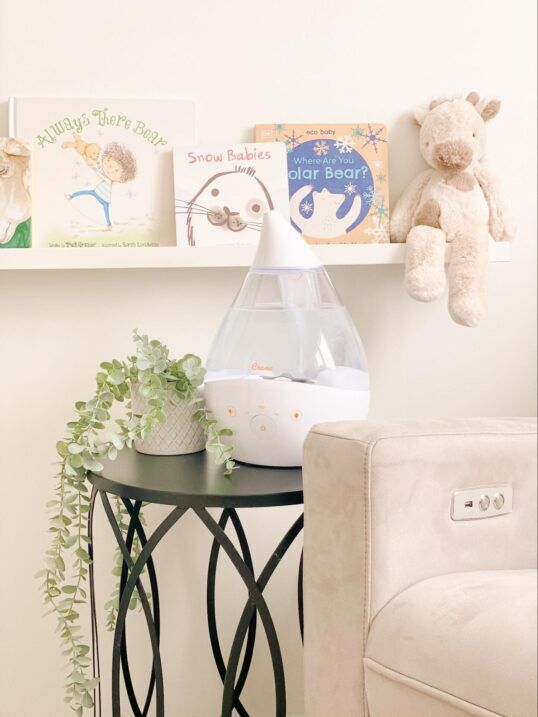
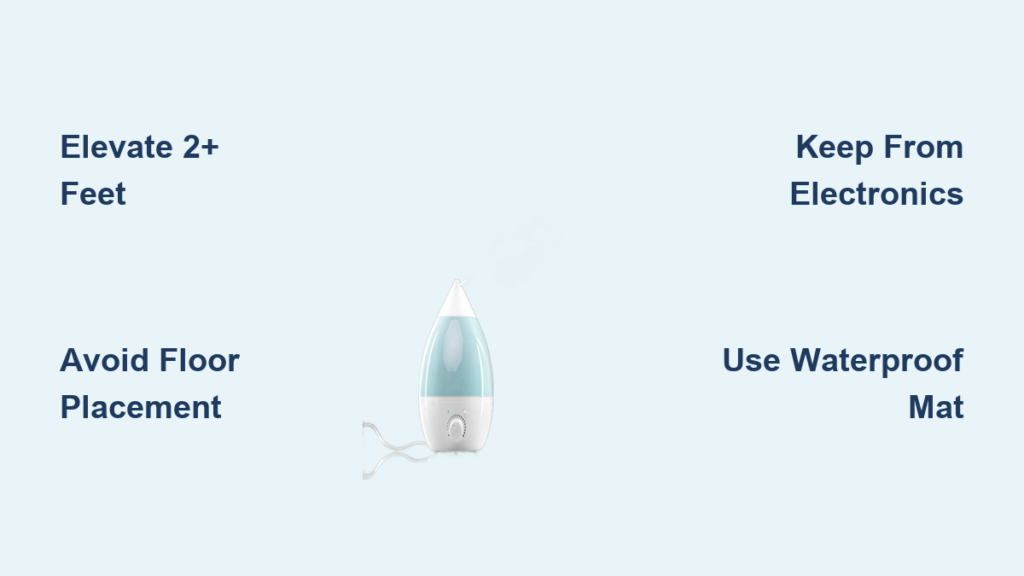
Never place the unit closer than 3 feet to your baby’s sleeping area—direct mist exposure on bedding creates damp conditions where bacteria thrive. Instead, position it on an elevated, stable surface like a dresser or shelf opposite the crib, ensuring it’s completely out of reach from curious hands and feet.
Nursery Setup Safety Checklist
- Place on a waterproof mat to protect furniture surfaces
- Maintain minimum 3-foot distance from crib at all times
- Secure electrical cords along baseboards using cord covers
- Keep door slightly ajar for proper air circulation
- Remove moisture-sensitive items like stuffed animals from immediate area
Maintain 40-45% Humidity for Congestion Relief

Use a separate hygrometer—built-in humidistat readings often vary by 15-20% from actual levels. Target 40-45% humidity specifically for congested babies; below 30% won’t thin mucus effectively, while above 50% accelerates dust mite reproduction and mold growth in walls.
Recognize Dangerous Humidity Signs Immediately
- Water droplets on windows = humidity too high (reduce output)
- Crackling static shocks = humidity too low (increase output)
- Musty smells in the room = active mold growth (deep clean unit)
- Damp feeling on skin = immediate humidity reduction needed
Implement Daily Water Change Protocol
Why Distilled Water Is Non-Negotiable
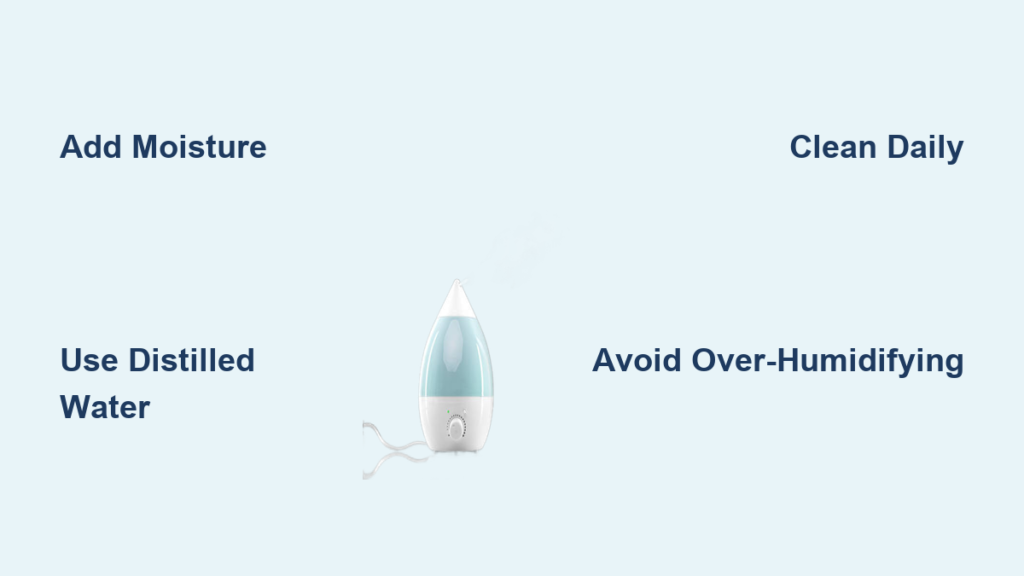
Tap water creates white dust from mineral deposits that irritates delicate airways—always use distilled or demineralized water. Change water every 24 hours without exception; stagnant water becomes a breeding ground for bacteria that could worsen respiratory symptoms within hours.
Optimal Running Schedule for Maximum Relief
Run continuously during sleep periods when congestion disrupts breathing most severely. For daytime relief, operate 30 minutes before feedings when stuffiness causes frustration. Monitor breathing patterns—if congestion improves within 20 minutes of starting, you’ve confirmed it’s working correctly.
Execute 3-Tier Cleaning System
60-Second Daily Maintenance (Non-Negotiable)
- Empty tank completely—never top off existing water
- Rinse with warm water and mild dish soap
- Wipe dry with microfiber cloth
- Refill with fresh distilled water
20-Minute Weekly Deep Clean
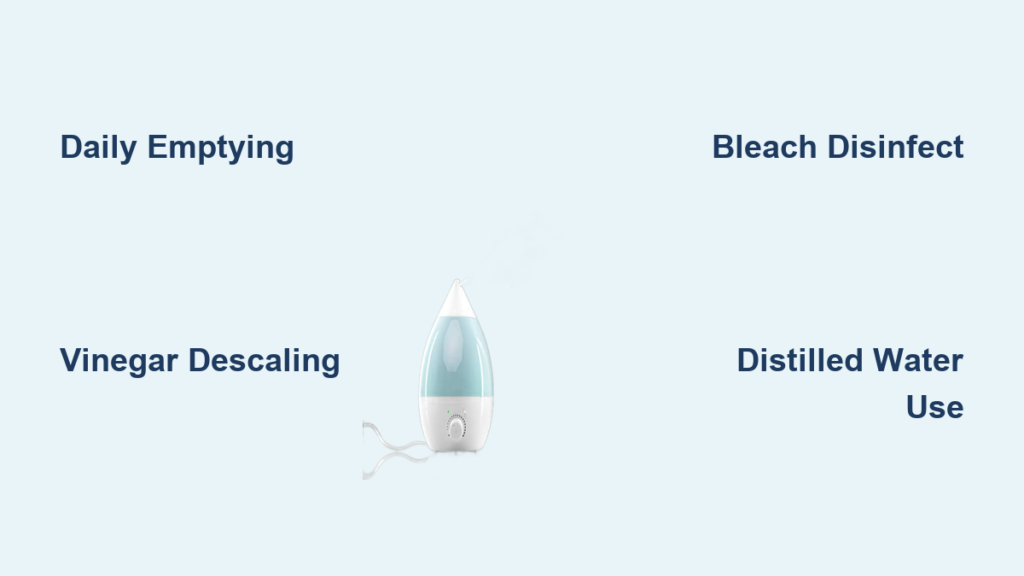
Disassemble all parts and soak in 1:3 vinegar-water solution for 30 minutes. Use a soft toothbrush to scrub ultrasonic plates where mineral deposits hide. Rinse until vinegar smell disappears—any residue could irritate your baby’s airways.
Monthly Sanitizing Must-Dos
Use 1 teaspoon bleach per gallon of water for complete sanitization. Soak all parts for 20 minutes, then rinse under running water for 5+ minutes. Air dry completely before reassembly. Replace filters every 60 days regardless of visible condition—hidden mold grows in porous materials.
Troubleshoot White Dust and Mold Immediately
Eliminate Chalky Residue in 24 Hours
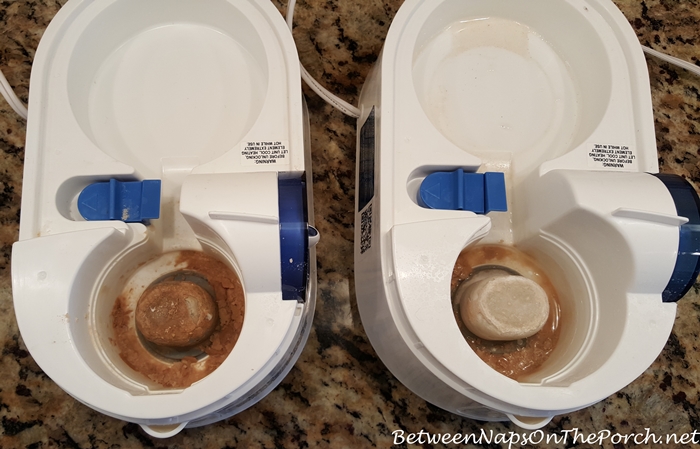
White dust comes from tap water minerals—not harmful but irritating to sensitive airways. Switch to distilled water immediately and run a vinegar cleaning cycle. Consider adding a demineralization cartridge to ultrasonic models if you occasionally forget to use distilled water.
Destroy Mold Before It Spreads
Visible mold requires emergency action: Disassemble completely and soak in bleach solution for 30 minutes. If mold persists after two thorough cleanings, replace the unit immediately—no amount of cleaning removes embedded spores from plastic crevices.
Combine With Doctor-Approved Relief Methods
Triple-Action Congestion Routine
- Apply 2-3 saline drops to each nostril
- Wait 30 seconds for mucus thinning
- Gently suction with bulb syringe
Elevate crib head 30 degrees using a rolled towel under the mattress (never pillows). For instant steam relief, sit with baby in a steamy bathroom for 10-15 minutes before bedtime—this opens airways faster than humidifier alone.
Critical Environmental Controls
- Maintain nursery temperature at 68-72°F—warmer rooms dry nasal passages
- Ban all smoke and strong fragrances from baby’s environment
- Wash bedding weekly in hot water to reduce allergens
- Run air purifier simultaneously to remove airborne irritants
Adjust Usage for Seasonal Changes
Winter Emergency Protocol
Heating systems drop indoor humidity to desert levels (10-20%). Check humidity twice daily and run continuously during extreme cold snaps. If window condensation appears, reduce output slightly but maintain minimum 40% humidity.
Summer Smart Usage
Air conditioning creates dry conditions despite outdoor humidity. Monitor levels daily—many parents mistakenly turn off humidifiers in summer when AC actually requires supplemental moisture. Clean twice weekly during high-usage periods to prevent bacterial growth in warm environments.
Recognize When to Call Your Pediatrician
While humidifiers ease mild congestion, seek immediate medical attention for:
– Breathing faster than 60 breaths per minute
– Fever above 100.4°F in infants under 3 months
– Less than 6 wet diapers in 24 hours
– Blue-tinged lips or fingernails
– Congestion lasting beyond 10 days
Remember: Humidifiers manage symptoms but don’t treat underlying infections. Trust your instincts—if something feels wrong, contact your pediatrician immediately.
Using a humidifier correctly for baby congestion transforms restless nights into peaceful sleep for everyone. By implementing these specific steps—from precise placement to the 3-tier cleaning system—you’ll provide safe, effective relief while avoiding common hazards. Consistent daily water changes and weekly deep cleans make the difference between healing moisture and dangerous mold growth. When congestion strikes, you now have the exact protocol pediatricians recommend for safe, drug-free breathing relief. Keep this guide handy for your next sick season—you’ve got this, parent.