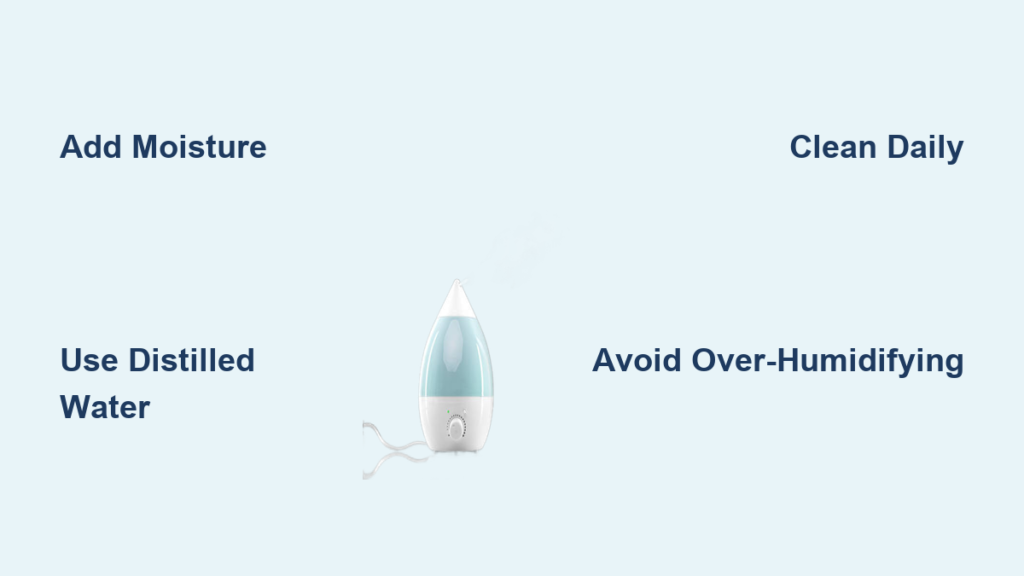
Your throat feels sandpapery, static shocks leap from every doorknob, and your houseplants are wilting despite regular watering. These aren’t random annoyances—they’re screaming signals that your indoor air has dropped below 30% relative humidity. A humidifier is your solution, but what is a humidifier beyond that mist-spewing appliance? Simply put, it’s any engineered device that raises moisture levels in enclosed spaces by converting liquid water into vapor, mist, or steam. This moisture-adding device targets the critical 30-50% humidity sweet spot where your health, home, and comfort thrive. In the next few minutes, you’ll discover exactly how humidifiers transform dry, damaging air—and why choosing the wrong type could worsen your problems.
How Humidifiers Actually Add Moisture to Your Air

Every humidifier performs one non-negotiable task: turning water into airborne moisture. But the method creates dramatic differences in safety, maintenance, and effectiveness. Ultrasonic models use high-frequency vibrations to blast water into invisible micro-droplets. Evaporative units pull dry air through a saturated wick filter, naturally adding moisture as it passes. Steam generators boil water into pure vapor, cooling it slightly before release. What is a humidifier doing scientifically? It’s precisely increasing your room’s absolute humidity until relative humidity hits that vital 30-50% range—no more, no less. Under-humidified winter air typically sits at 10-20% RH, requiring about 1 gallon of water daily for every 500 square feet to reach healthy levels.
Ultrasonic vs Evaporative: Which Stops White Dust?
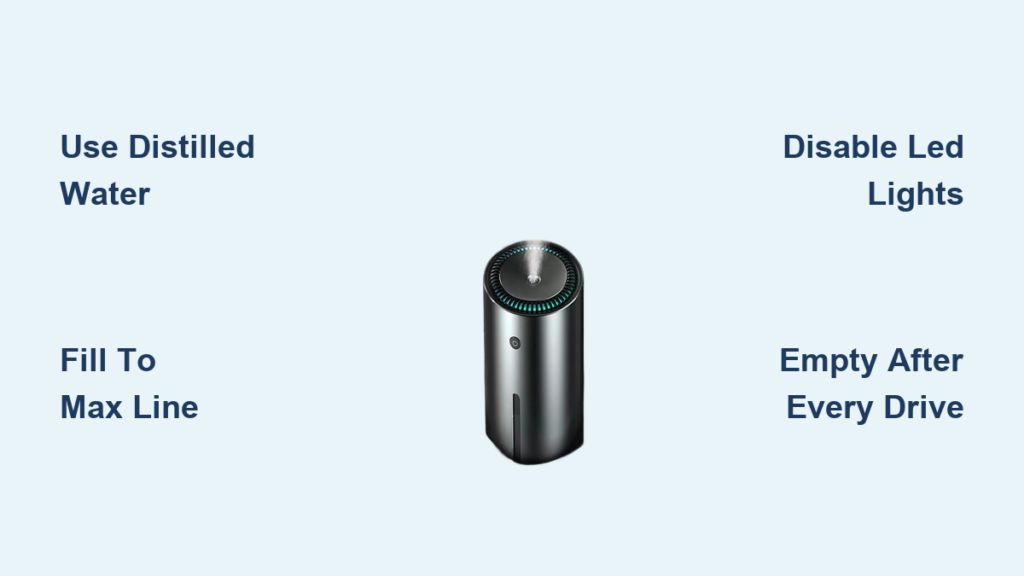
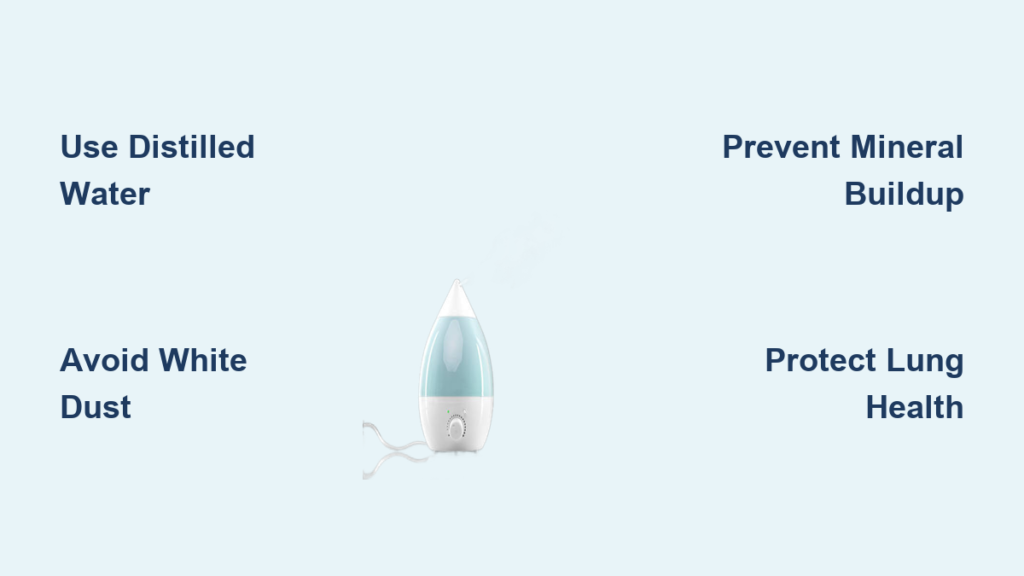
Ultrasonic humidifiers work silently using piezoelectric technology but create “white dust” when using tap water—the minerals nebulized into breathable particles that settle on your furniture and in your lungs. Evaporative models avoid this entirely since only pure water vapor enters the air, but require filter replacements every 1-3 months. If you see chalky residue on surfaces within hours, you’re likely using hard tap water in an ultrasonic unit—a quick fix is switching to distilled water.
Steam Generators: The Germ-Killing Trade-Off
Steam humidifiers boil water at 212°F, killing bacteria and mold before releasing warm vapor. This makes them ideal for flu season—studies show humidified rooms reduce influenza particles by 58%—but the hot water reservoir poses scalding risks near children. Never place these within reach of kids, and always use the auto-shutoff feature.
Why Humidity Below 30% Is Damaging Your Home and Body
Your Skin and Lungs Pay the Price Immediately
Dry air below 30% RH strips moisture from your nasal passages and throat, triggering nosebleeds, scratchy throats, and worsened allergy symptoms. Within days, you’ll notice increased eczema flare-ups, brittle hair, and contact lens irritation as your body struggles to compensate. Proper humidification lubricates airways, reducing snoring intensity by up to 30% and helping you wake without that familiar morning cough.
Wood Floors and Instruments Crack in Dry Air
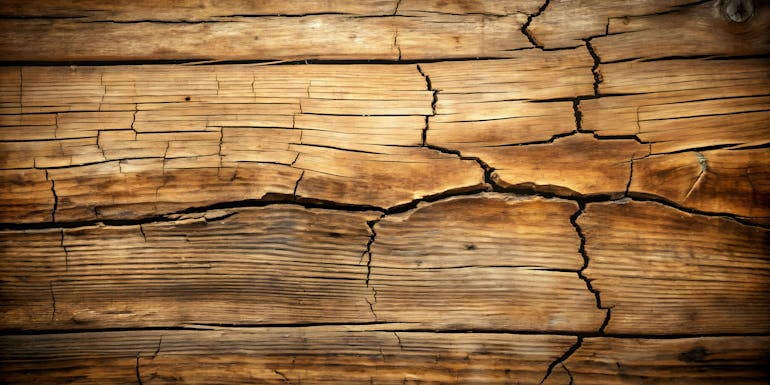
Wood loses moisture when humidity drops, causing gaps in flooring, loose furniture joints, and warped guitar necks. Piano technicians confirm that humidity swings below 40% cause soundboard cracks and tuning instability. Even your book collection suffers—pages become brittle and curl at the edges when RH falls too low.
Over-Humidification Dangers You Must Avoid
When 50% Humidity Becomes a Health Hazard
Pushing humidity above 50% RH creates a dust mite paradise—these microscopic pests thrive in moist environments and trigger asthma attacks. Cross 60% RH, and condensation forms on windows and walls, activating mold spores that release mycotoxins into your air. If you smell mustiness or see black spots near baseboards, turn off your humidifier immediately and run a dehumidifier.
Bacterial Breeding Grounds in Dirty Tanks
Unclean humidifier tanks become toxic soup within 48 hours. Stagnant water breeds Legionella and Pseudomonas bacteria, which disperse into your air as fine mist. This causes “humidifier lung”—a serious inflammatory condition mimicking pneumonia. Never skip daily tank rinsing, and disinfect every 3 days with hydrogen peroxide.
The Exact Maintenance Schedule That Prevents Problems
Daily Non-Negotiables (2 Minutes)
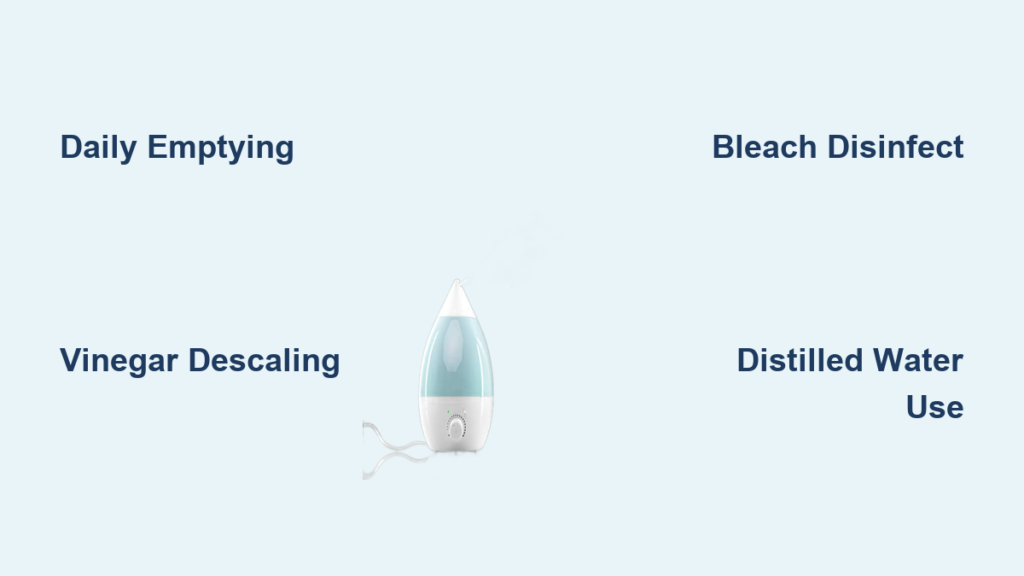
Empty your tank completely each evening—stagnant water breeds bacteria overnight. Rinse with cool water and leave all parts upside down to air-dry. This single step prevents 90% of microbial issues.
Critical Weekly Tasks (15 Minutes)
Soak mineral deposits with undiluted white vinegar for 30 minutes, then scrub heating elements with a soft brush. For evaporative wicks, replace when you see dark discoloration or reduced mist output. Always use distilled water—it cuts cleaning frequency by half by eliminating mineral buildup.
Choosing Your Humidifier: Size, Tech, and Hidden Features

Match Output to Your Room Size
- Bedrooms (100-300 sq ft): Need 0.5-1 gallon/day output (ultrasonic or impeller)
- Living Rooms (300-600 sq ft): Require 1-2 gallons/day (evaporative console)
- Whole House: Only central HVAC units handle 10-20 gallons/day uniformly
Must-Have Features for Safety and Convenience
Prioritize units with built-in hygrometers that auto-adjust to maintain 45% RH—manual models often overshoot into dangerous territory. Auto-shutoff when tanks run dry prevents motor burnout. For nurseries, choose cool-mist ultrasonic models (not steam) with tip-over protection.
When to Deploy (or Ditch) Your Humidifier
Use Immediately If You Notice:
- Static shocks when touching metal objects
- Cracks appearing in wooden furniture
- Frequent nosebleeds during winter
- Indoor humidity readings below 30% on your hygrometer
Stop Using If:
- Your windows sweat condensation
- You detect musty odors in humidified rooms
- Someone develops coughing fits near the unit (sign of contamination)
- Humidity consistently exceeds 50% RH
Industrial Secrets: Why Data Centers and Wineries Rely on Humidifiers
Beyond homes, what is a humidifier doing in unexpected places? Data centers maintain 45-55% RH to prevent static discharges that fry servers—just 5% humidity drop increases electrostatic damage risk by 300%. Wineries humidify cellars to 70% RH so corks don’t shrink and leak oxygen into bottles. Textile mills run industrial humidifiers 24/7 to prevent thread breakage—dry air increases fiber snapping by 40% during weaving.
Storage and Longevity: Getting 5+ Years From Your Unit
Most portable humidifiers last 3-5 years with disciplined maintenance. Before storing seasonal units, disassemble every component and dry thoroughly for 48 hours in a well-ventilated area—trapped moisture causes mold growth inside hidden crevices. Store in the original box with silica gel packets to absorb ambient moisture. Never store with water left in the tank.
Bottom line: What is a humidifier? It’s your precision tool for hitting the 30-50% humidity zone where health thrives and homes stay intact. Ultrasonic units win for quiet bedrooms but demand distilled water. Evaporative models handle large rooms without white dust but need filter changes. Steam types kill germs but risk burns. Commit to daily tank rinsing and weekly disinfecting—this single habit transforms your device from a health hazard into your winter wellness essential. Within 72 hours of correct use, you’ll stop waking with a scratchy throat, notice fewer static shocks, and see your wood floors stabilize. When humidity drops below 30%, your humidifier isn’t just comfortable—it’s medically necessary.