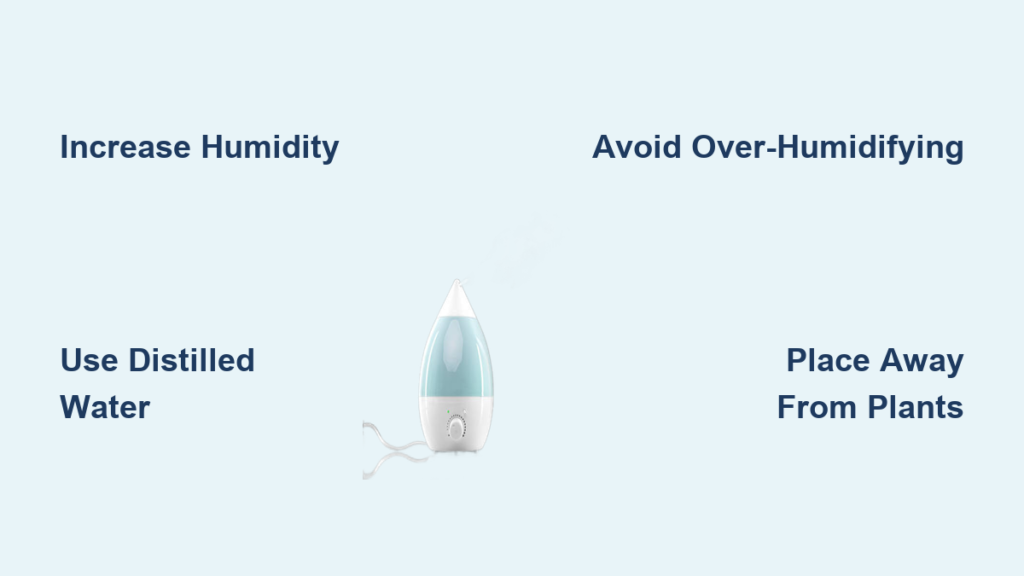
That familiar sight of brown leaf tips on your prized calathea or crispy edges on your fern probably means your indoor air has turned into a desert for your tropical plants. Most houseplant enthusiasts battle dry air conditions created by heating and cooling systems, which leave moisture-hungry plants struggling to thrive. While scientific studies specifically linking humidifiers to plant health are limited, practical experience shows that adding moisture to the air can transform the health and appearance of humidity-loving houseplants.
If you’ve ever stood in your living room with a misting bottle, wondering if there’s a better solution than daily spritzing, you’re not alone. This guide reveals exactly how humidifiers can benefit your indoor jungle, which plants need them most, and how to use these devices without accidentally harming your green companions. You’ll discover the optimal humidity levels for different plant types, avoid common mistakes that backfire, and learn maintenance practices that keep both your humidifier and plants thriving.
Why Your Tropical Plants Suffer in Dry Indoor Air
Your home’s climate control systems create conditions that would shock plants native to tropical environments. Where these plants evolved with 60-80% humidity, your living room likely maintains a parched 30-40%—more suitable for cacti than calatheas. This constant moisture deficit forces plants to close their stomata (leaf pores) to conserve water, effectively shutting down their ability to photosynthesize and grow properly.
How to Recognize Humidity Stress in Your Plants
- Leaf edges turning brown and crispy that progress inward from the tips
- Premature yellowing and leaf drop, particularly on older foliage
- New growth emerging stunted or failing to unfurl completely
- Increased spider mite activity which multiplies rapidly in dry conditions
- Soil drying out abnormally fast—sometimes within a day of watering
Which Plants Benefit Most from Added Humidity
- Calatheas and prayer plants that visibly fold their leaves when humidity drops
- Fern varieties like maidenhair and bird’s nest that develop brown fronds
- Orchids that refuse to bloom or drop buds prematurely
- Monsteras and philodendrons that produce smaller leaves with fewer splits
Choosing the Right Humidifier for Your Plant Collection
:max_bytes(150000):strip_icc()/humidifiers-ultrasonic-vs-evaporative-humidifiers-1908160-final-5c93ceaa4cedfd0001f1695a.png)
Ultrasonic Cool Mist Models: Best for Most Plant Setups
These near-silent units create microscopic water droplets through high-frequency vibrations, making them energy-efficient without affecting room temperature. They work particularly well for delicate plants that can’t handle temperature fluctuations. Look for models with adjustable mist output so you can fine-tune humidity levels as seasons change—critical for maintaining consistent conditions your plants need.
Evaporative Wick Systems: The Self-Regulating Option
These units pull water through a wick filter while a fan blows air across the moist surface to create humidity. Their natural regulation prevents over-humidification, and the filtered output minimizes mineral deposits on plant leaves—a common problem with ultrasonic models using tap water. Ideal for plant rooms where consistent, moderate humidity is the goal rather than dramatic increases.
Steam Vaporizers: Limited but Strategic Use
While generally less suitable for plant care, these warm mist humidifiers can help during extremely cold winter months when both additional warmth and moisture are needed. Use them cautiously and only for short periods, as excessive heat can damage sensitive plants and cause rapid temperature fluctuations that stress foliage.
Optimal Placement and Operation for Plant Health
:max_bytes(150000):strip_icc()/anatomy-of-the-home-furnace-humidifier-1824773color-d41575bdba834fd59ac29178949a1e2a.png)
Strategic Positioning for Maximum Benefit
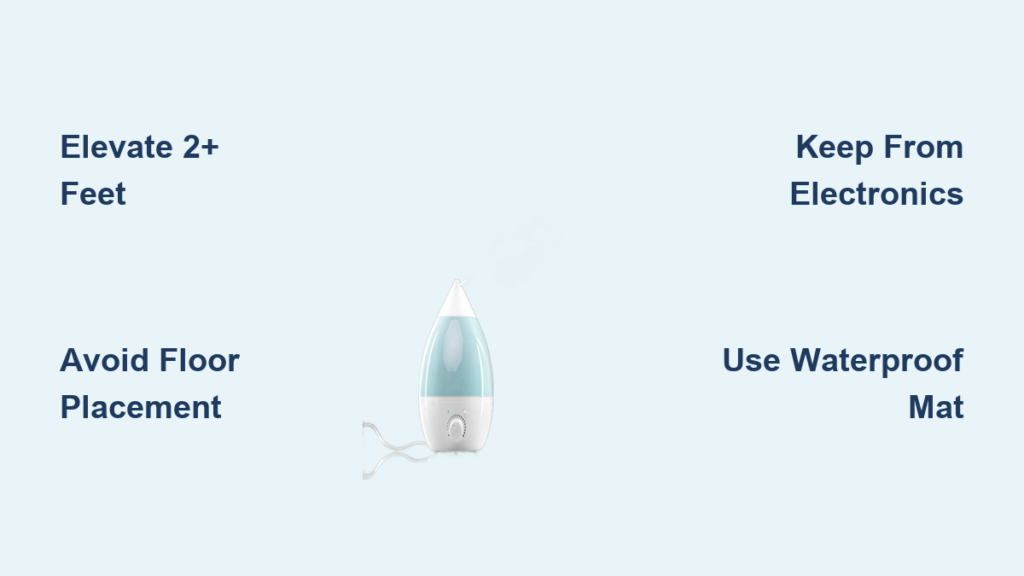
Place humidifiers 3-6 feet away from your plants to prevent water droplets from settling directly on leaves, which invites fungal diseases. Create targeted humidity zones by grouping plants with similar moisture needs around the unit—this forms natural microclimates that maintain consistent conditions while conserving energy. Avoid positioning units near windows or doors where drafts will dissipate the moisture before plants can benefit.
Timing Your Humidifier for Natural Plant Cycles
Run humidifiers during daylight hours (10 AM – 4 PM) when plants actively transpire and can utilize the moisture. Never operate them overnight, as cooler nighttime temperatures combined with high humidity create perfect conditions for fungal growth. Start with 2-4 hours daily, then adjust based on your plants’ response—most tropical varieties show improvement within 10-14 days of consistent humidity.
Seasonal Adjustments Every Plant Parent Must Make
Increase operation time by 2-3 hours daily during winter when heating systems run constantly and strip moisture from the air. Reduce usage during summer months when natural humidity rises, or when using air conditioning which dehumidifies as it cools. Monitor your plants closely during seasonal transitions—sudden humidity changes can cause more stress than consistently lower levels.
Critical Mistakes That Harm Plants Instead of Helping
Over-Humidifying: The Silent Killer
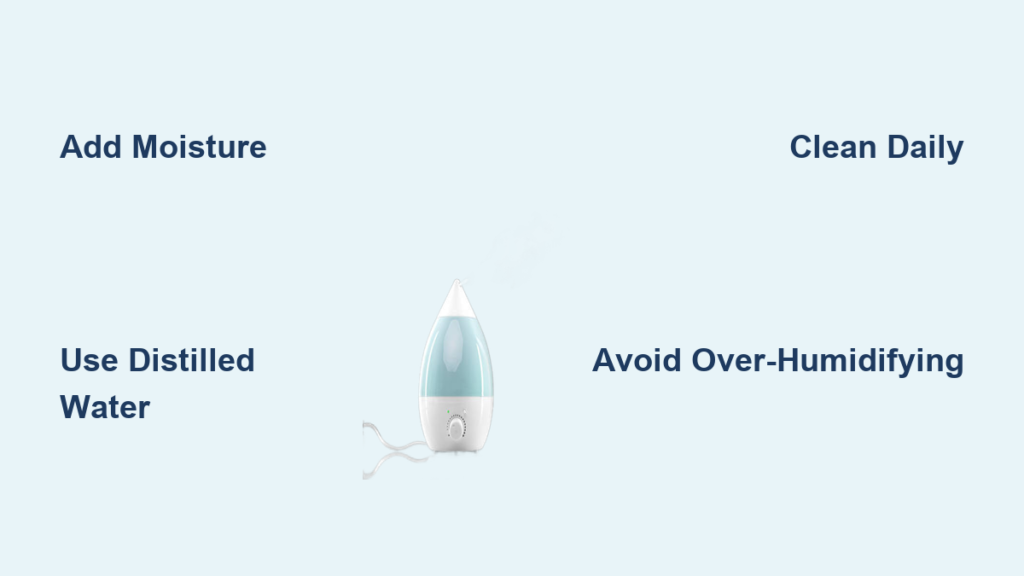
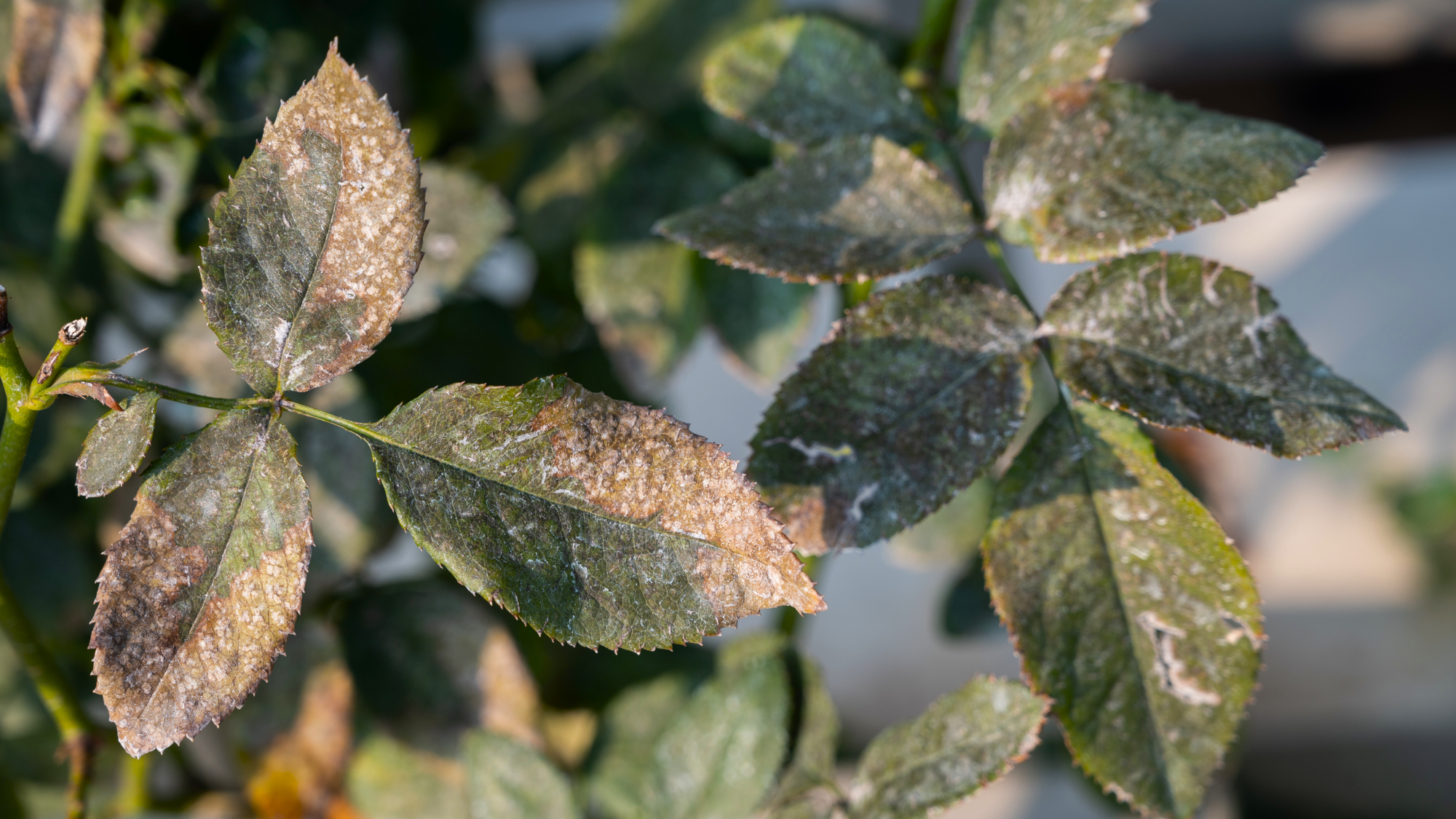
Excessive humidity creates breeding grounds for powdery mildew, root rot, and fungal gnats. Watch for persistent condensation on windows or water droplets that remain on leaves longer than 30 minutes—these indicate dangerous humidity levels above 80%. At this point, plant tissues literally suffocate as they can’t exchange gases properly, leading to yellowing leaves and stunted growth.
Tap Water Hazards for Plants and Humidifiers
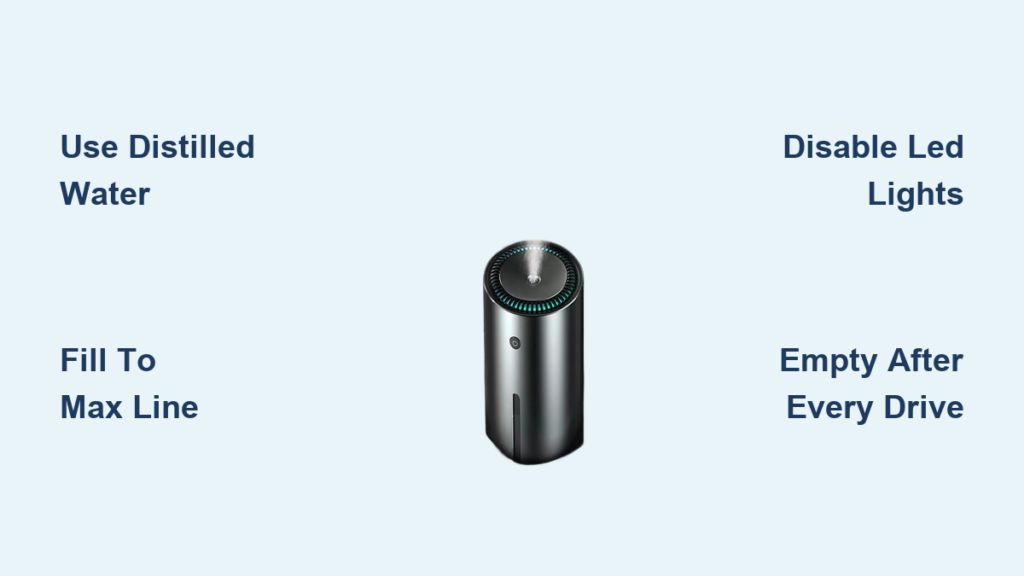
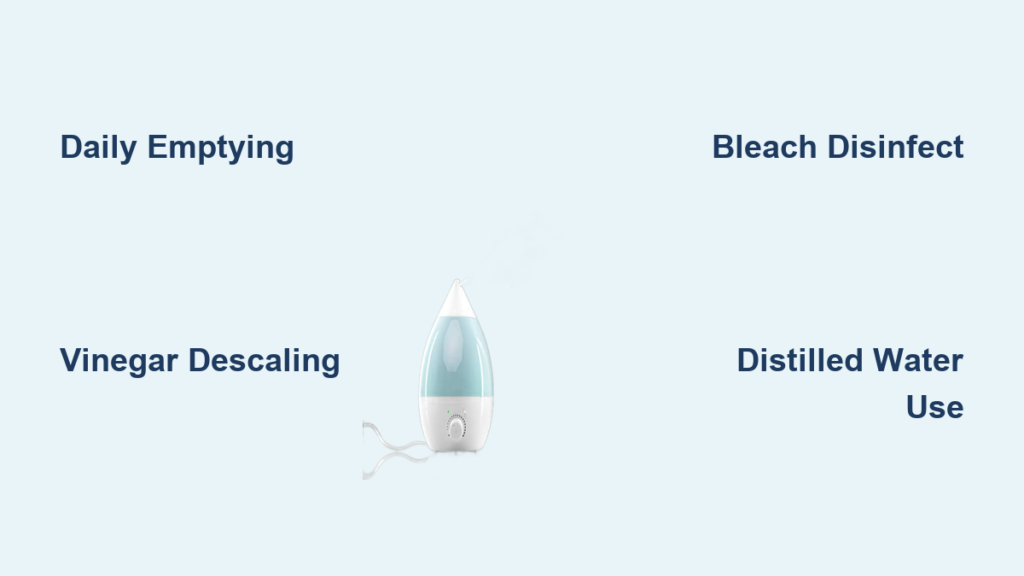
Minerals in tap water create white dust on leaves that blocks pores and creates unsightly buildup. This same residue clogs humidifier mechanisms, reducing efficiency. Always use distilled or filtered water, or install a demineralization cartridge—this simple step prevents 90% of mineral-related issues while ensuring your plants receive pure moisture.
Stagnant Air: The Hidden Danger
Humid air without movement creates microclimates where pests thrive and prevents proper transpiration. Position a small oscillating fan on low setting to circulate air gently throughout your plant area. This mimics natural forest breezes that keep humidity beneficial rather than oppressive—critical for preventing fungal issues while maintaining moisture levels.
Maintenance Practices That Protect Your Plants
Weekly Cleaning Protocol
Empty and rinse the water tank every 2-3 days to prevent bacterial and algae growth. Disinfect weekly using a 3% hydrogen peroxide solution or white vinegar rinse—neglected humidifiers become pathogen factories that can infect your entire plant collection. After cleaning, run a cycle with fresh water before placing the unit near plants to flush any cleaning residue.
Filter Replacement Schedules
Replace evaporative wick filters every 30-60 days depending on water hardness. Clogged filters not only reduce efficiency but harbor bacteria that get dispersed into your plant environment. Set calendar reminders for replacements—this simple habit prevents 80% of maintenance-related issues while ensuring consistent humidity output your plants depend on.
Measuring Success: How to Know Your Humidifier Works
Essential Monitoring Tools
Invest in a digital hygrometer with min/max tracking placed at plant level—not on walls where readings differ. Calibrate monthly using the salt test method to ensure accuracy, as cheap models often drift significantly over time. Track readings alongside plant observations to establish what humidity levels work best for your specific environment.
Plant Response Indicators
Within 2-3 weeks of proper humidity adjustment, watch for healthy new growth without brown edges. Leaves should unfurl fully, and you’ll notice increased transpiration visible as morning dew on leaf tips. Take weekly photos to objectively track improvements—most humidity-stressed plants show dramatic recovery within one month of consistent proper conditions.
Final Tips for Humidifier Success with Houseplants
Start with one humidifier in your most challenging plant area rather than trying to humidify your entire home. Monitor results for 2-3 weeks before expanding your setup, as different rooms may have varying humidity needs. Remember that proper humidity reduces watering frequency by 20-30% since plants lose less moisture through their leaves—this prevents the common mistake of overwatering in response to humidity stress.
The relationship between humidifiers and houseplant health may not be extensively documented in scientific literature, but practical experience from serious indoor gardeners proves that properly managed humidity transforms struggling plants into thriving specimens. By following these specific guidelines for selection, placement, and maintenance, you’ll create the ideal environment for your tropical plants to flourish year-round.