That mysterious white film coating your furniture and electronics isn’t just annoying—it’s your humidifier screaming a warning. When your ultrasonic unit leaves chalky residue on everything near it, you’re breathing mineral dust straight from your tap water. Most users don’t realize can you use tap water in a humidifier is the wrong question—the real issue is why you’d risk damaging your device and health when safer alternatives exist.
Filling your humidifier straight from the faucet seems convenient until white dust clogs your child’s toys, scaling destroys internal components, or respiratory symptoms flare up. Municipal water contains invisible minerals and microbes that become airborne hazards when vaporized. Let’s cut through the confusion with science-backed facts about water choices, model-specific risks, and the hidden costs of taking the easy route with tap water.
Tap Water Risks in Humidifiers
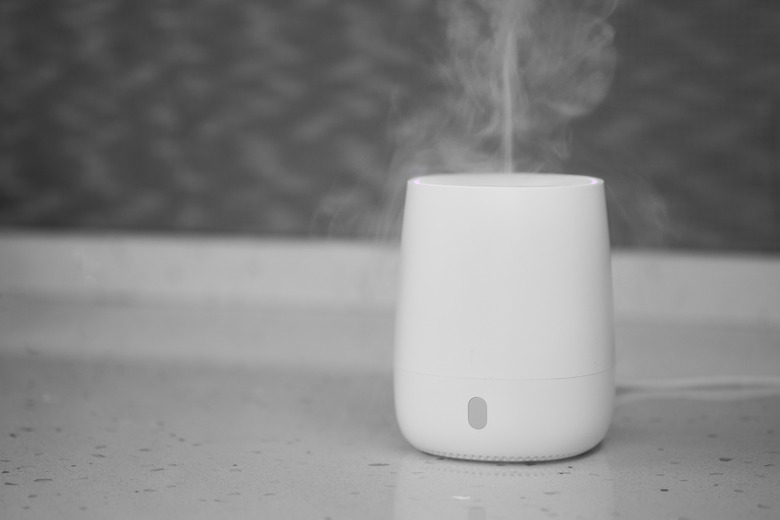
Mineral Buildup Destroys Critical Components
Tap water’s dissolved calcium and magnesium transform into destructive limescale the moment it enters your humidifier. As water evaporates or heats, these minerals crystallize into rock-hard deposits inside tanks, heating elements, and ultrasonic transducers. Hard water regions accelerate this damage exponentially—thick scale layers reduce steam output by 40% within weeks while creating bacterial breeding grounds in hidden crevices.
Critical failure points include:
– Ultrasonic transducers becoming coated, slashing mist production
– Heating elements in steam models burning out prematurely
– Evaporative wick filters clogging beyond cleaning redemption
– Water sensors malfunctioning due to mineral crusts
White Dust Health Hazards
Ultrasonic humidifiers blast mineral particles directly into your breathing space as invisible aerosols. These microscopic shards settle as white film on electronics, furniture, and nursery surfaces—but far worse, they infiltrate lungs. Sensitive individuals report immediate coughing fits and asthma attacks when exposed to this mineral dust, while allergy sufferers experience worsened symptoms despite medication.
High-risk exposure zones:
– Within 3 feet of ultrasonic units (where concentration peaks)
– Children’s rooms (dust accumulates on toys and bedding)
– Home offices (coating keyboards and screens with abrasive residue)
– Pet areas (inhaled by animals with smaller lung capacity)
Bacterial Growth Acceleration
Tap water’s minerals feed dangerous pathogens like Legionella and Aspergillus mold inside your humidifier’s warm, stagnant reservoir. Municipal chlorine volatilizes when heated, eliminating its disinfecting properties while creating foul odors. Within 48 hours of filling, untreated tap water develops visible biofilm that pumps contaminated mist into your living space—especially dangerous for immunocompromised individuals.
Water Type Impact by Humidifier Model
:max_bytes(150000):strip_icc()/humidifiers-ultrasonic-vs-evaporative-humidifiers-1908160-final-5c93ceaa4cedfd0001f1695a.png)
Ultrasonic Units: Highest Risk Category
Never use tap water in standard ultrasonic humidifiers—they’re mineral dust factories. These units vibrate water into breathable mist without filtration, launching calcium and magnesium particles directly into your air. Within 72 hours of tap water use, expect reduced mist output, persistent white dust on surfaces, and chlorine odors from volatilized tap water chemicals. Only models with built-in demineralization cartridges (like some Honeywell units) tolerate hard water—and even then, cartridges need weekly replacement.
Evaporative Models: Filter-Dependent Solution
Evaporative humidifiers trap minerals in wick filters before mist exits, protecting air quality but sacrificing filter longevity. Standard units require filter swaps every 30 days with tap water versus every 90 days with distilled. The exception? The Levoit Superior 6000S uses elevated wick filters and “Dry Mode” to minimize mineral contact—but still demands filter replacements twice as often with tap water. Pro tip: Always pre-rinse new filters with distilled water to remove manufacturing dust.
Steam Vaporizers: Mineral Separation Benefits
Boiling separates minerals from steam, preventing white dust—but concentrates scale in the heating chamber. While air quality stays clean, you’ll battle rapid limescale buildup requiring weekly vinegar soaks. Tap water also volatilizes municipal chlorine into pungent chloramine odors during operation. Critical maintenance step: Run a descaling cycle with white vinegar after every 10 uses to prevent element failure.
Water Quality Alternatives That Work
Distilled Water: The Clear Winner
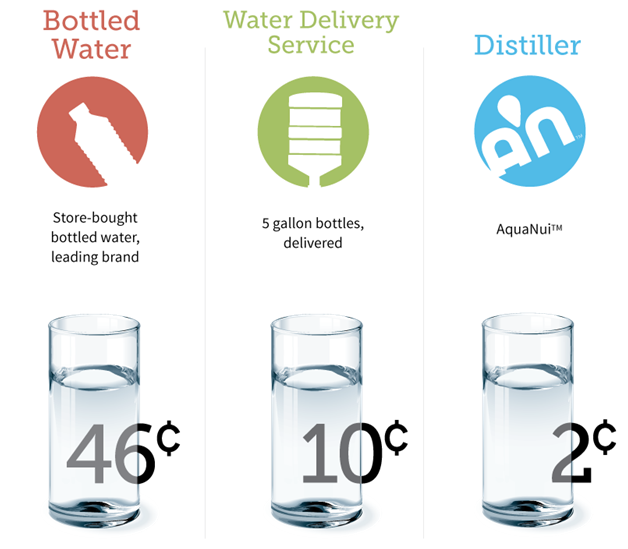
Distilled water’s near-zero mineral content ($1.25–$1.50/gallon) prevents scaling, eliminates white dust, and starves bacteria. For daily users, this costs about $45 monthly—but saves $75–$200 every 2–3 years by extending humidifier life. Expert note: Store distilled water in glass containers; plastic jugs can leach chemicals over time.
Reverse Osmosis: Home System Solution
RO systems remove 95% of minerals at $0.02/gallon after initial setup ($200–$500). This becomes cost-effective for households running multiple humidifiers or whole-house systems. Key limitation: RO membranes don’t remove volatile organic compounds (VOCs), so pair with carbon filtration for medical-grade purity.
Emergency Tap Water Treatment
Boiling Process Limitations
Boiling tap water kills microbes but concentrates minerals by 20–30% through evaporation. If absolutely necessary:
1. Boil for 3 full minutes (extend to 5 minutes above 6,500 ft elevation)
2. Cool completely before pouring into humidifier
3. Use within 12 hours to avoid bacterial regrowth
4. Expect scaling within 5 days despite treatment
Maintenance Requirements with Tap Water
Weekly Deep Cleaning Protocol
Tap water demands aggressive weekly maintenance:
1. Unplug unit and disassemble all components
2. Soak mineral-coated parts in equal parts white vinegar and water for 45 minutes
3. Gently scrub transducers or heating elements with a soft toothbrush
4. Rinse 3x with distilled water to remove vinegar residue
5. Air-dry completely before reassembly
Warning: Never use bleach or citric acid—they corrode seals and leave toxic residues.
Filter Replacement Schedule
Tap water shreds evaporative filters:
– Standard wick filters: Replace every 22 days (vs. 90 days with distilled)
– Carbon filters: Swap bi-weekly in hard water areas
– Critical indicator: Reduced mist output or musty odors signal immediate replacement
Warning Signs to Stop Tap Water Use
Health Symptoms
Discontinue tap water immediately if you notice:
– Wheezing or chest tightness during humidifier operation
– Eye irritation within 30 minutes of turning on the unit
– Increased nighttime coughing that stops when humidifier is off
– Skin rashes on arms or face after room exposure
Performance Degradation
Technical red flags include:
– Ultrasonic units producing 50% less mist despite full tanks
– Steam models taking 2x longer to heat water
– Evaporative units emitting musty odors even after cleaning
– Automatic shutoffs triggered by mineral-coated sensors
Cost-Benefit Reality Check
Hidden Tap Water Costs
Tap water’s “free” label hides brutal economics:
– $25/month for extra filters and descaling supplies
– $120/year in shortened humidifier lifespan (2–3 years vs. 5–7 with distilled)
– 3 extra hours monthly on deep cleaning versus distilled water users
Break-Even Analysis
Distilled water users break even in 14 months:
– Year 1 distilled cost: $540 ($45/month)
– Year 1 tap hidden costs: $480 (filters, supplies, time) + $150 (early replacement)
– Health savings: Avoided doctor visits for respiratory issues
Professional Recommendations
EPA Guidance Summary
The EPA mandates distilled water for ultrasonic units and warns tap water increases Legionella risk by 300% in poorly maintained humidifiers. Their emergency protocol: If using tap water, run vinegar cycles every 5 days and replace filters monthly—never exceed 30 days.
Medical Community Consensus
Pulmonologists require distilled water for:
– Asthma patients (mineral dust triggers bronchospasms)
– Infants and toddlers (underdeveloped lungs absorb more particles)
– COPD sufferers (mineral dust accelerates lung decline)
– Post-viral recovery (prevents secondary infections)
Bottom line: While technically possible to use tap water in evaporative or steam humidifiers with extreme maintenance, the risks outweigh convenience for 95% of users. Distilled water pays for itself through extended device life and avoided health issues—making it the only smart choice for ultrasonic models. Switch today to protect your lungs, furniture, and wallet from the insidious dangers of mineral dust. Your humidifier’s performance—and your family’s breathing—depend on it.