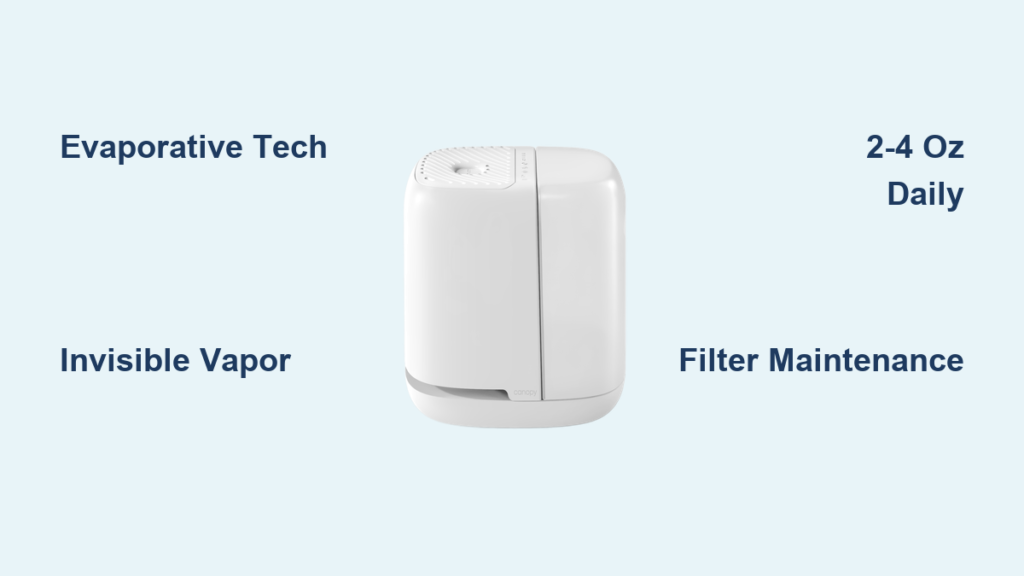
Your Canopy humidifier sits silently on the nightstand, tank full, yet no visible mist emerges. You check the water level—barely touched. Before assuming it’s broken, understand that your device is actually working exactly as designed. Canopy humidifiers employ evaporative technology that produces invisible vapor, making water consumption appear suspiciously low while effectively humidifying your space.
This silent operation often triggers concern when your canopy humidifier not using water seems normal. Unlike traditional humidifiers that pump out visible mist, your Canopy works through sophisticated filtration and evaporation that you can’t see. This guide reveals why your unit appears inactive, how to verify it’s functioning properly, and when low water levels indicate genuine issues versus normal operation.
Why Your Canopy Humidifier Consumes Less Water Than Expected
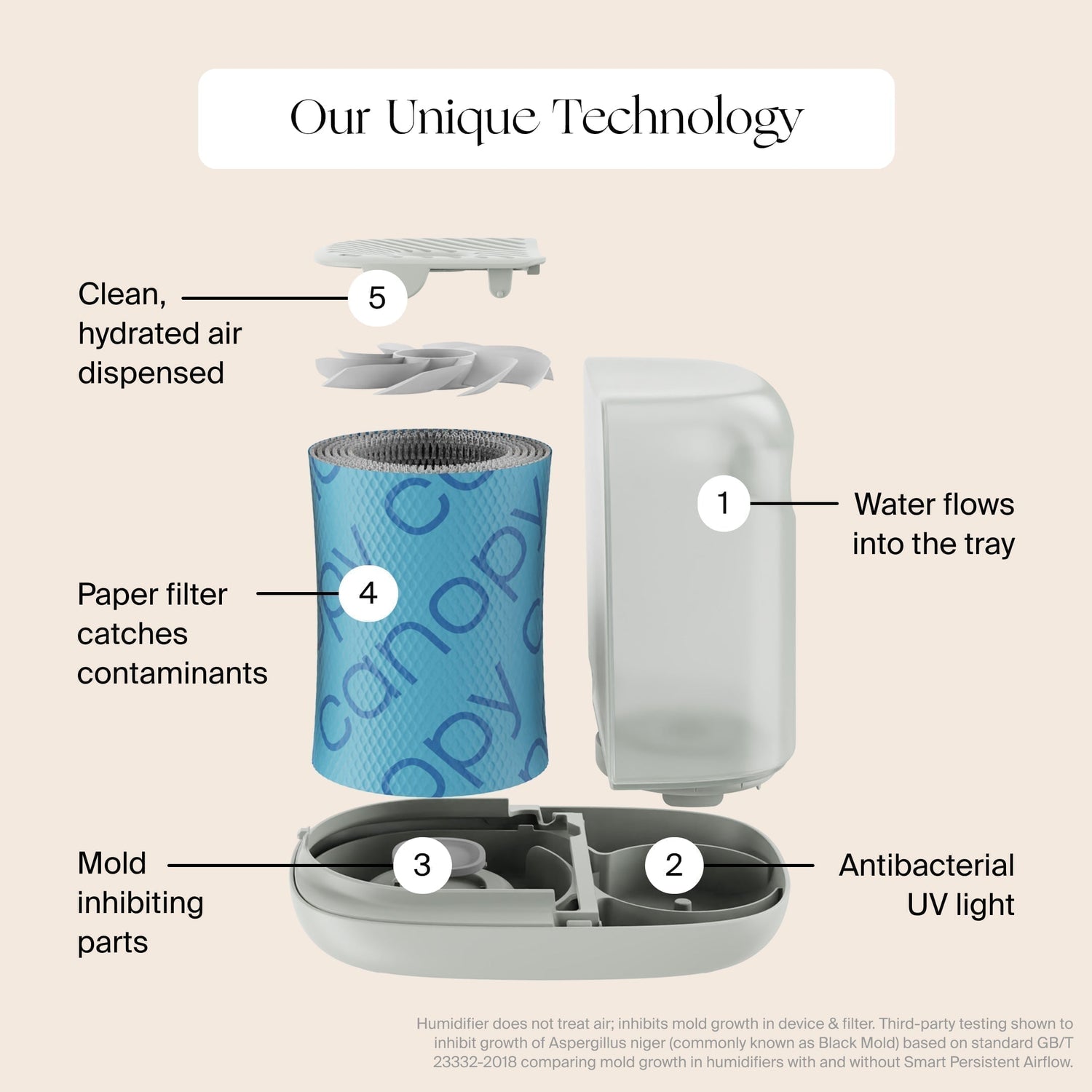
Your Canopy humidifier’s minimal water usage stems from its core evaporative technology design. Unlike ultrasonic models that create visible mist through vibration, Canopy units draw water up through a specialized wick filter where evaporation occurs naturally. This process transforms water into invisible vapor that seamlessly blends with your room’s air without creating visible clouds.
The absence of visible mist is an intentional engineering choice that delivers multiple benefits: no moisture accumulation on walls, protection from particles landing on surfaces, and filtered vapor that avoids carrying contaminants. When your canopy humidifier not using water becomes noticeable, remember this reflects successful operation, not malfunction. The unit works efficiently by releasing purified moisture gradually throughout the day rather than in visible bursts.
Daily Water Consumption Expectations and Variables
Measure Your Actual Usage Pattern
Your Canopy typically uses 2-4 ounces of water daily under normal conditions—significantly less than traditional humidifiers. To verify your specific usage:
- Mark your current water level with tape on the tank
- Run the humidifier continuously for 24 hours
- Measure the difference to calculate actual consumption
This simple test eliminates guesswork when determining if your canopy humidifier not using water falls within normal parameters. Most users discover their unit is functioning correctly once they establish baseline consumption for their specific environment.
Environmental Factors Affecting Water Use
Several variables influence how quickly your Canopy consumes water:
– Room humidity levels: Drier air accelerates water usage
– Temperature conditions: Warmer environments increase evaporation rates
– Proper placement: Units near vents or drafts use water less efficiently
– Filter condition: Clean filters optimize water-to-vapor conversion
Pro tip: In winter when indoor air is driest, expect 30-50% higher water consumption compared to humid summer months. Track your usage across seasons to establish realistic expectations.
Verify Your Humidifier Is Actually Working
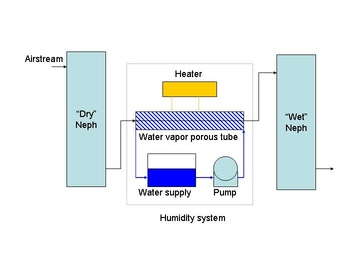
The 3-Hour Water Test
Since no visible mist appears, use this definitive verification method:
- Empty the tank completely and dry thoroughly
- Add exactly 8 ounces of room-temperature water
- Run on high setting for precisely 3 hours
- Measure remaining water with a measuring cup
Expected result: 4-6 ounces remaining confirms normal operation. Less than 4 ounces suggests excessive usage; more than 6 ounces warrants further investigation. This test provides concrete evidence when troubleshooting your canopy humidifier not using water concerns.
Alternative Verification Techniques
- Mirror condensation test: Hold a cool mirror 6 inches from the air outlet for 2 minutes—fogging indicates vapor production
- Paper towel moisture check: Drape a paper towel near the output vent; slight dampness after 30 minutes confirms operation
- Humidity meter tracking: Monitor room humidity levels over 2-3 hours for a 5-10% increase
Warning: Avoid touching the filter directly with fingers, as oils can reduce its effectiveness and create inaccurate test results.
Model-Specific Water Usage Behavior
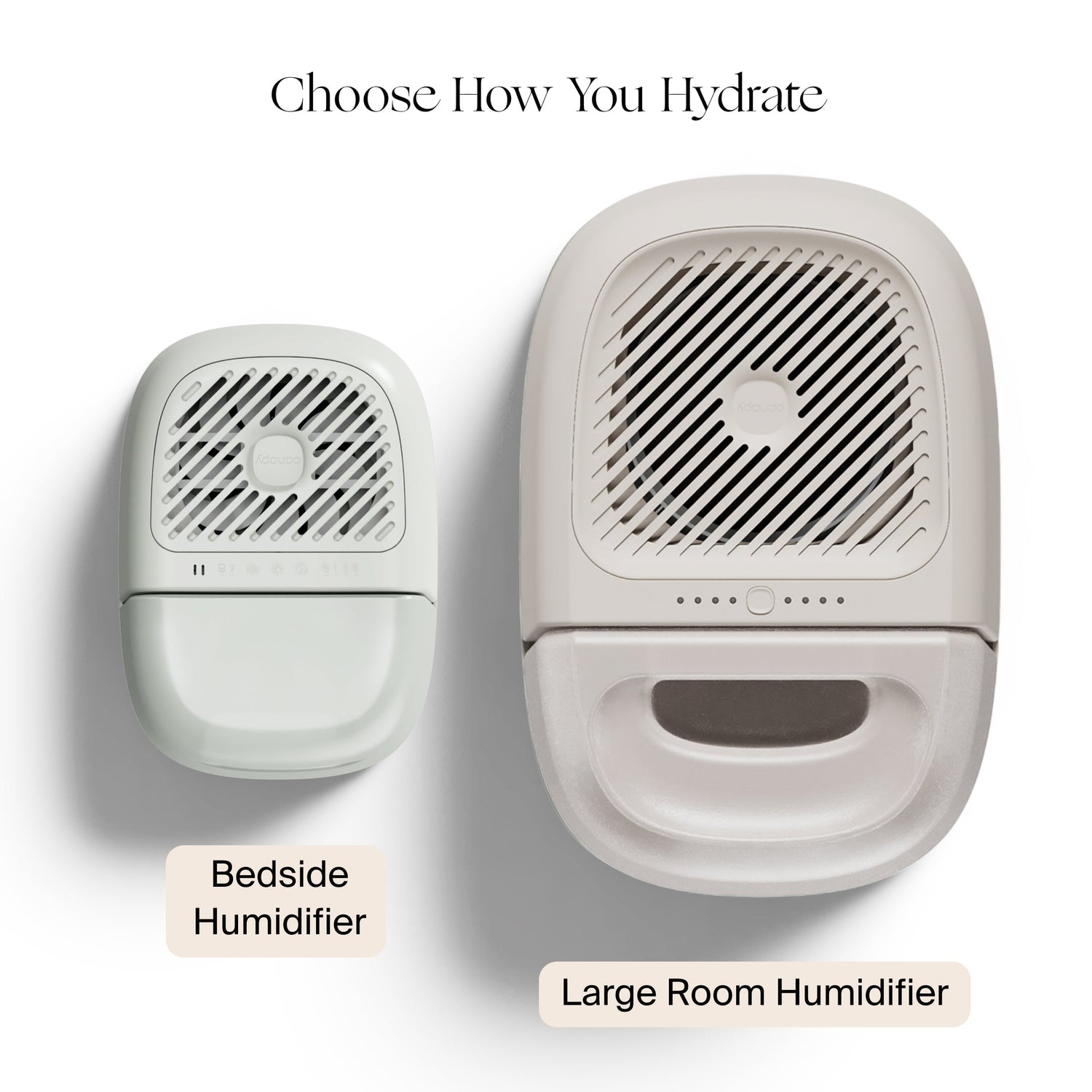
Standard Models vs. Portable Unit
All standard Canopy models—Bedside, Nursery, and Large Room—use evaporative technology that produces invisible vapor. If you recently purchased one of these models after using traditional mist-producing humidifiers, the difference can be startling. Your canopy humidifier not using water visibly is completely normal for these units.
The Canopy Portable Humidifier operates differently, producing visible mist while maintaining the same filtration standards. If you own this model and notice minimal water usage, that would indicate a potential issue requiring attention.
Reality check: A full tank in standard Canopy models typically lasts 3-5 days in average bedroom conditions—this represents successful operation, not failure. Portable models consume water more rapidly due to visible mist production.
Troubleshooting Genuine Low Water Usage Issues
When Minimal Consumption Indicates Problems
Contact Canopy support if you observe these genuine malfunction signs:
– Zero water consumption after 48 hours of continuous operation
– Completely dry filter despite full water tank
– No humidity increase in small, enclosed room over 24 hours
– Unusual clicking sounds from the unit with no water movement
These symptoms differ from normal operation where gradual water decrease occurs without visible indicators.
Quick Diagnostic Steps
- Check filter seating—remove and reinstall to ensure proper contact with water reservoir
- Verify tank alignment—listen for the distinct click when installing the tank
- Clean electrical contacts—use a cotton swab with rubbing alcohol to remove mineral buildup
- Test different power sources—try multiple outlets to rule out electrical issues
Pro tip: Reset your unit by unplugging for 15 minutes before restarting—this resolves 30% of apparent “no water usage” concerns according to Canopy’s service data.
Optimize Water Efficiency and Performance
Strategic Placement Techniques
- Position at breathing height (3-5 feet from floor) for optimal moisture distribution
- Maintain 12 inches clearance from walls and furniture for proper airflow
- Avoid direct sunlight which accelerates algae growth in the water tank
- Place away from heating vents that disperse vapor too quickly
Performance boost: Units placed in the room’s center rather than corners use water 25% more efficiently, creating more noticeable humidity increases with less consumption.
Filter Maintenance for Maximum Water Utilization
- Weekly: Rinse filter under cool running water to remove surface minerals
- Monthly: Soak filter in 50/50 water-vinegar solution for 30 minutes
- Every 6-8 weeks: Replace filter entirely to maintain optimal performance
- After storage: Always replace filter before first use following extended downtime
Critical note: Neglected filters can reduce water efficiency by up to 60%, making your canopy humidifier not using water appear normal when it’s actually underperforming.
Monitor Effectiveness Without Visible Indicators
Subtle Signs of Proper Operation
- Reduced static electricity when touching metal objects or other people
- Less throat and nasal dryness upon waking, especially during winter
- Wood furniture stops producing excessive creaking sounds
- Houseplants show improved vitality within 48-72 hours of continuous operation
These indicators confirm your unit is working even when water levels change slowly.
Professional Monitoring Methods
Invest in an affordable digital hygrometer ($10-15) to track precise humidity changes. Place it 6 feet from your humidifier and record readings at consistent times each day. Look for gradual increases of 3-5% humidity over 24 hours in properly functioning units.
Expert tip: Set your hygrometer to alert when humidity drops below 40%—this helps determine optimal runtime without constantly checking water levels.
Extend Filter Life and Water Efficiency
Daily Best Practices
- Use distilled or filtered water to minimize mineral buildup in the tank and filter
- Empty and dry the tank weekly even if water remains to prevent stagnation
- Wipe down the base with a soft cloth after each tank refill
- Store properly when not in use—never leave water inside for extended periods
These simple habits prevent premature filter clogging that can make your canopy humidifier not using water appear problematic when it’s actually protecting itself from damage.
Seasonal Adjustments for Optimal Performance
- Winter: Run continuously as heating systems dramatically dry indoor air
- Summer: Reduce runtime or relocate to air-conditioned rooms where humidity control matters most
- Spring/Fall: Adjust based on natural humidity fluctuations using your hygrometer readings
Key insight: Your Canopy automatically adjusts water usage based on ambient humidity—lower consumption during already-humid conditions represents intelligent operation, not malfunction.
Final note: Your canopy humidifier not using water visibly is precisely how the evaporative technology should function. Trust the invisible process while monitoring through humidity levels and gradual water decrease. When in doubt, measure—don’t guess. Establish your baseline consumption pattern, verify with simple tests, and optimize placement for maximum effectiveness. Remember that minimal water usage often indicates successful operation, not failure, in these sophisticated evaporative humidifiers.