That raw, scratchy feeling in your throat when you wake up can make even swallowing water feel like an ordeal. Whether it’s from dry winter air, seasonal allergies, or the aftermath of a cold, you’ve likely wondered: does a humidifier help with sore throat discomfort? The answer is a resounding yes—when used correctly. Proper humidity levels actively rehydrate your throat’s protective lining, transforming that painful “sandpaper” sensation into comfortable breathing within hours. This guide reveals exactly how to leverage humidifier technology for maximum throat relief, with science-backed strategies you can implement tonight.
Dry indoor air is a silent throat irritant that steals moisture from your mucus membranes faster than you realize. When humidity drops below 30%, your throat tissues begin dehydrating, creating inflammation that makes every swallow painful. A humidifier counters this by restoring optimal moisture levels, preventing the vicious cycle where dryness causes irritation, which leads to more mouth breathing and further dehydration. You’ll notice significant improvement in throat comfort within one to two nights of proper humidification.
How Humidifiers Directly Soothe Throat Tissue
Your throat’s mucus membranes function like a protective sponge—when properly hydrated, they trap irritants and viruses before they reach your lungs. Dry air evaporates this natural defense, leaving throat tissues vulnerable to inflammation. A humidifier replenishes this critical moisture barrier by continuously releasing water vapor that your throat absorbs with each breath, restoring flexibility to irritated tissues.
Immediate Moisture Restoration Process
Think of your throat as a garden needing consistent watering. Just as plants wilt in arid conditions, your throat tissues become brittle and inflamed without adequate moisture. Within minutes of running a humidifier at the right setting, you’ll experience direct rehydration of these tissues. This isn’t just temporary relief—the restored moisture barrier actually helps your throat heal faster by maintaining the natural environment where healing occurs.
Breaking the Mouth Breathing Cycle
When colds or allergies force you to breathe through your mouth during sleep, each exhale acts like a mini hair dryer on your throat tissues. This explains why sore throats often feel worse in the morning. Humidifiers interrupt this damaging pattern by ensuring even mouth breaths carry sufficient moisture. The result? You’ll wake without that familiar “cotton mouth” sensation and reduced morning throat pain within 48 hours of consistent use.
Achieving the Perfect Humidity Level for Throat Relief
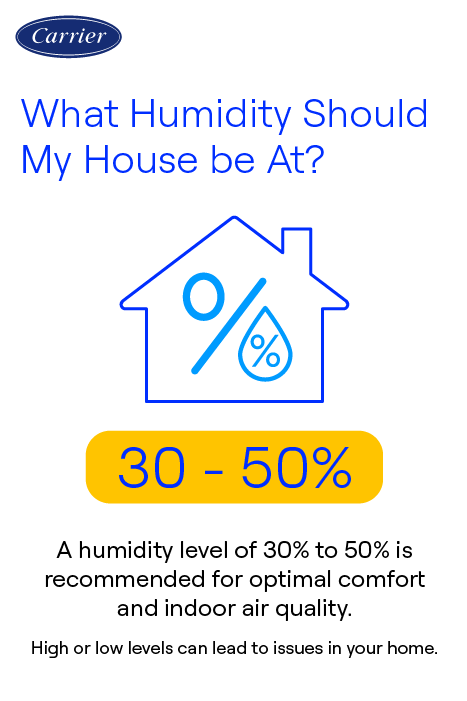
The magic number for sore throat relief sits between 30-50% humidity. Below this range, your throat continues drying out. Above 50%, you risk encouraging mold growth that can worsen respiratory symptoms. This narrow therapeutic window makes precise monitoring essential—not just for immediate relief but for preventing recurring sore throats.
Essential Humidity Monitoring Techniques
Skip guessing games with your humidifier settings—invest in a $10-15 hygrometer from any hardware store. Place it at breathing level near your bed or workspace to get accurate readings. Check it twice daily during sore throat episodes, adjusting your humidifier to maintain that critical 30-50% range. This simple tool prevents both ineffective under-humidification and dangerous over-humidification.
Recognizing Humidity Levels Without Equipment
- Too dry (under 30%): Frequent static shocks, cracked lips, dry skin, and that persistent throat tickle
- Just right (30-50%): Comfortable breathing, no static, normal skin moisture, and reduced throat irritation
- Too humid (over 50%): Window condensation, musty odors, and damp surfaces that promote mold growth
Choosing the Right Humidifier for Throat Relief

Not all humidifiers deliver equal benefits for sore throat sufferers. Your specific needs—room size, noise tolerance, and symptoms—should guide your selection to maximize therapeutic effects.
Cool Mist Humidifiers for Targeted Relief
Cool mist units disperse room-temperature vapor that provides immediate soothing without adding heat that might further inflame sensitive throat tissues. These work best during warmer months or in heated homes where additional warmth isn’t needed. Their fine mist penetrates throat tissues quickly, offering faster relief for acute soreness.
Warm Mist Options for Deep Comfort
Warm mist humidifiers release heated vapor that creates a steam-like effect particularly beneficial during cold seasons. The gentle warmth can feel exceptionally soothing on severely irritated throats, helping to loosen mucus and reduce coughing. While they use slightly more electricity, their therapeutic heat makes them worth considering for winter sore throats.
Ultrasonic Models for Undisturbed Sleep
Ultrasonic humidifiers operate silently through high-frequency vibrations—crucial when throat pain disrupts your sleep. Place one 3-4 feet from your bed to maintain optimal humidity throughout the night without noise interference. You’ll wake with significantly less morning throat dryness, as these units provide consistent moisture while you sleep.
Critical Maintenance Practices for Effective Relief
A poorly maintained humidifier can worsen throat irritation by dispersing bacteria and mold into your air. Daily cleaning isn’t optional—it’s essential for transforming your unit from throat soother to potential throat irritant.
Non-Negotiable Daily Cleaning Routine
- Empty and rinse the water tank every morning with vinegar solution
- Use distilled water exclusively to prevent mineral buildup and white dust
- Wipe all surfaces with mild soap and water daily
- Replace filters according to manufacturer guidelines—typically every 1-3 months
Warning Signs of Contamination
White dust settling on surfaces indicates mineral deposits that can irritate your throat. Musty odors signal mold growth inside the unit. Both require immediate deep cleaning with a vinegar solution and switching to distilled water. Ignoring these signs turns your relief tool into a source of throat irritation.
Maximizing Nighttime Throat Recovery
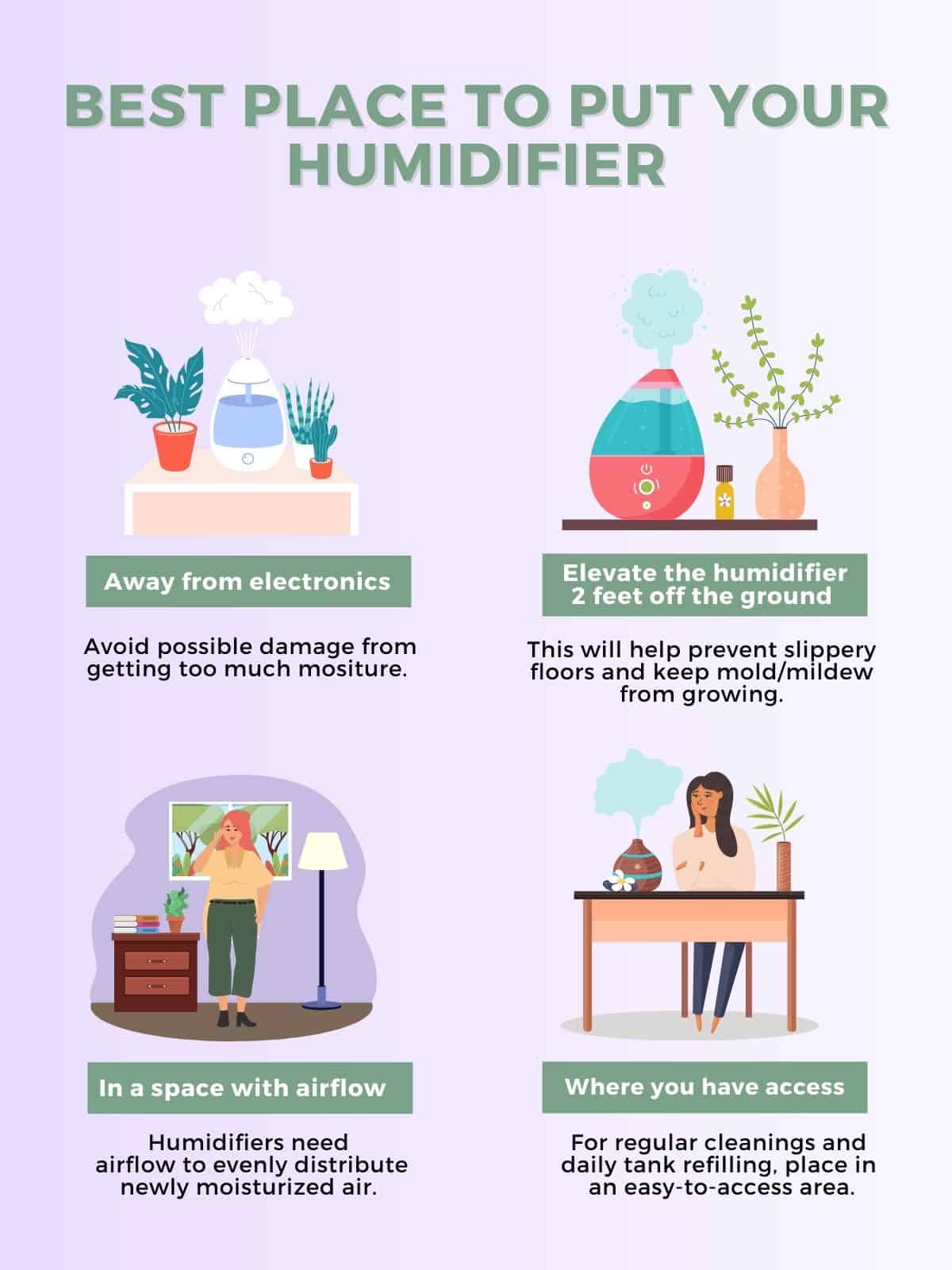
Proper overnight humidification is your secret weapon against morning throat pain. Dry air during sleep creates a perfect storm—snoring increases, sleep becomes fragmented, and you wake with throat dryness that feels worse than your initial symptoms.
Strategic Bedroom Placement
Position your humidifier 3-4 feet from your bed at breathing level, ensuring the mist reaches your face without creating damp spots on bedding. Run it continuously throughout the night, not just at bedtime. Most users report dramatically reduced morning throat discomfort within 2-3 nights of proper nighttime use.
Breaking the Cough-Throat Pain Cycle
That persistent throat tickle often stems from dry airways triggering unproductive coughing. Proper humidity helps loosen mucus, transforming painful dry coughs into productive ones that actually clear irritants. This reduces cough-induced throat trauma, allowing your tissues to heal rather than being repeatedly damaged.
Integrating Humidification Into Your Daily Defense System
Making humidifier use automatic ensures consistent protection rather than reactive treatment when throat pain strikes. Strategic placement in high-traffic areas creates a protective moisture barrier throughout your day.
Seasonal Humidity Adjustments You Must Make
Winter heating systems can drop indoor humidity to desert-like levels below 20%. This requires running your humidifier on higher settings during heating season. Surprisingly, summer air conditioning presents the same challenge—cooled air holds less moisture, creating the need for humidification even during hot months.
Tracking Your Throat Health Progress
Notice these specific improvements within days of proper humidifier use:
– Morning: Wake without throat dryness or that “cotton mouth” feeling
– Daily: Reduced need to constantly clear your throat
– Weekly: Fewer sore throat episodes, especially during weather changes
Recognizing When Medical Help Outweighs Humidifier Relief
While humidifiers effectively treat environment-related throat irritation, certain symptoms require professional attention regardless of humidity levels.
Emergency Symptoms Requiring Immediate Care
Seek medical attention immediately if you experience difficulty swallowing, breathing problems, swollen tonsils with white patches, hoarseness lasting over two weeks, or persistent symptoms despite proper humidifier use. These may indicate bacterial infections like strep throat that require antibiotics.
Chronic Throat Issues Needing Professional Assessment
Those with asthma, allergies, or recurring throat problems should consult healthcare providers before relying solely on humidifiers. An ENT specialist can determine if chronic dryness signals underlying conditions requiring targeted treatment beyond environmental adjustments.
Key Takeaway: A properly maintained humidifier operating at 30-50% humidity provides substantial relief from sore throat caused by dry air, mouth breathing, or minor respiratory irritation. The critical success factors are consistent use, daily cleaning with distilled water, and strategic placement in your sleeping area. Within 48 hours of proper implementation, you should notice significantly reduced throat pain and morning discomfort. Remember that while humidifiers effectively address environmental causes of sore throats, persistent symptoms require medical evaluation—don’t let throat pain linger beyond a week without professional consultation. Start tonight with your humidifier running at the right setting, and wake up to noticeably more comfortable swallowing tomorrow morning.