That single chirp at 2 a.m. is enough to jolt you out of sleep. Silence follows, then another chirp a minute later. Your hardwired smoke detector is beeping, and you cannot silence it until you figure out why.
A chirping hardwired smoke detector is not random noise. It is a coded alert designed to warn you about low battery, power loss, environmental triggers, or an expired unit. Ignoring the sound puts your home and family at risk if a real fire occurs.
This guide explains exactly why your hardwired smoke alarm chirps, how to read the beep patterns, and what to do step by step. You will learn how to replace the battery correctly, perform a full reset, troubleshoot electrical issues, and recognize when it is time to replace the entire alarm.
Low Battery: The Most Common Trigger
Most chirping starts with a low backup battery. Even when connected to your home’s electrical system, hardwired alarms rely on a 9V battery for outages.
One Chirp Per Minute With Flashing Green LED
This pattern signals a weak battery. You may notice it more often at night.
- Why night? Cooler temperatures raise battery resistance, making weak batteries more likely to trigger alerts between midnight and 6 a.m.
- Battery dies within weeks? The unit is not receiving AC power. Check the breaker and wiring.
Replace the Battery the Correct Way
A careless swap can leave the chirping going.
- Twist the alarm counterclockwise to release it from the mount.
- Unplug the power connector inside.
- Slide open the battery tray and press the side tabs to lift it.
- Match the polarity markings and insert two fresh 9V batteries.
- Twist the alarm back into place until it clicks.
A solid green LED confirms the unit recognizes the new battery.
Pro Tip: Use name-brand alkaline batteries. Off-brand or expired cells fail faster and cause false alerts.
Reading the Beep Patterns
Each pattern points to a different problem. Learning to decode them saves time.
Three Beeps Every Few Minutes
This often signals a deeper issue than a simple battery swap.
- Faulty or incompatible battery
- Loose wiring
- Sensor malfunction
- Stored error in the processor
A full reset is required to clear the error memory.
Solid Red Light Without Chirping
A steady red light means the alarm is powered and active. No action needed unless chirping accompanies it.
Green Light Keeps Flashing After Battery Change
The alarm has not reset. It still thinks the battery is weak. Perform a manual reset using the steps below.
Perform a Full Reset on a Hardwired Smoke Detector
A reset clears error codes and forces the unit to recheck power and battery status. This resolves chirping when a battery swap fails.
Reset for AC Units With Battery Backup
- Switch off the breaker for the smoke alarm circuit.
- Twist the alarm off the mounting bracket.
- Unplug the power connector.
- Remove the battery.
- Press and hold the test button for 15 seconds. A brief chirp is normal.
- Reconnect the power, reinstall the battery, and twist the alarm back on.
- Wait for a single confirmation chirp. No further chirping should occur.
Reset for Battery-Only Units
- Remove the battery.
- Hold the test button for 15 seconds.
- Reinsert the battery. One chirp is normal. Continued chirping means the unit still needs attention.
Warning: If chirping returns within hours, the battery is not the root cause. Move to the electrical checks below.
Troubleshoot Electrical Power Issues

Hardwired alarms draw power from your home’s electrical system. Power interruptions or unstable voltage will trigger chirping even with a good battery.
Test for AC Power
Run this quick check after replacing the battery.
- Turn off the breaker.
- Remove the alarm and disconnect the battery.
- Turn the breaker back on.
- Test the wires in the ceiling box with a voltage tester. You should read 120V.
No voltage means the circuit is off, tripped, or damaged.
Handle Power Surges and Grid Switching
Chirping at the same time daily often points to external electrical events.
- Power company grid switching
- HVAC or large appliances cycling on
- Voltage drops during storms
Turn off the breaker for 30 seconds, then restore it. This clears the alarm’s power monitoring memory.
Inspect Wiring and Connections
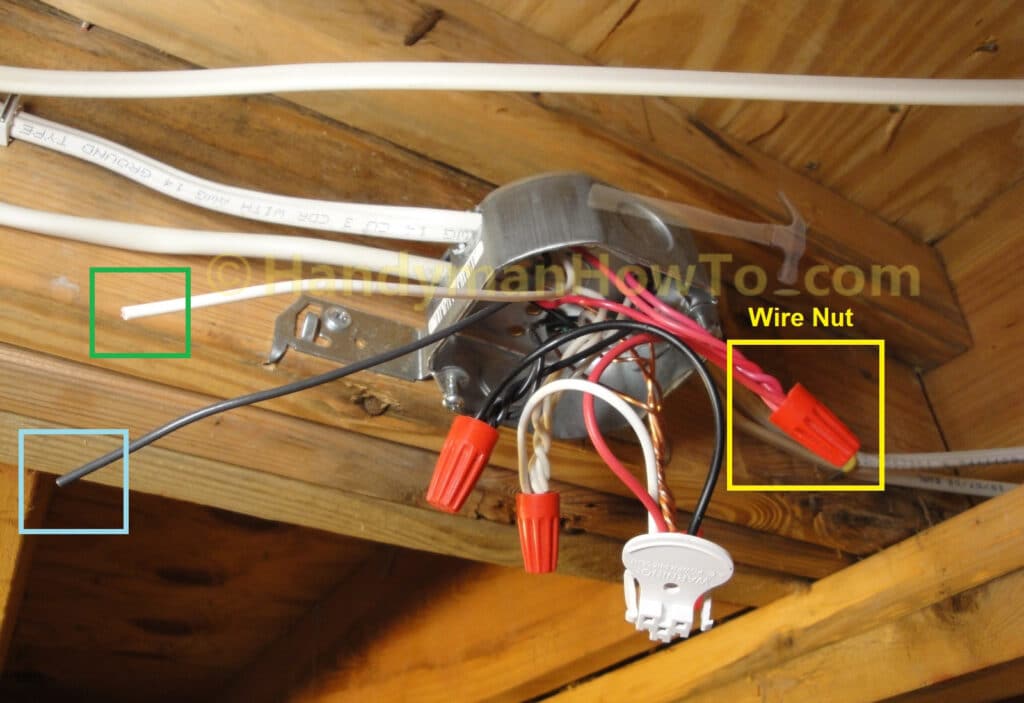
A loose wire at the junction box or alarm base interrupts the power supply and triggers chirps.
How to Check the Wiring Safely
- Switch off the breaker.
- Remove the alarm and unplug the connector.
- Inspect the wires in the ceiling box. Look for loose connections, damaged insulation, or corrosion.
- Check the connector pins on the alarm base. Bent or dirty pins block proper contact.
Tighten wire nuts, replace damaged sections, and clean corrosion with electrical contact cleaner.
Safety First: Never touch wires without confirming the breaker is off.
Rule Out Environmental Triggers
Sometimes the chirping is a response to your environment, not a malfunction.
Humidity, Steam, and Moisture
Alarms near bathrooms, kitchens, or laundry rooms react to steam and condensation.
- Chirping after showers or cooking
- Located within 10 feet of a moisture source
- Silent during dry weather
Relocate the alarm at least 10 feet from humidity sources or add a dehumidifier in problem areas.
Airborne Particles From New Devices
Air purifiers, 3D printers, and humidifiers can release tiny particles that mimic smoke and trigger photoelectric sensors.
Turn off suspect devices one at a time. If chirping stops, you found the source. Move the device or upgrade to a unit that filters output particles.
Check Temperature and Placement
Smoke alarms operate best between 40°F and 100°F (4°C to 38°C). Outside that range, performance and battery life suffer.
Locations to Avoid
- Uninsulated attics
- Near HVAC vents
- Garages with temperature swings and exhaust fumes
In winter, attic or garage alarms chirp when cold temperatures weaken batteries and sensors. Relocate the alarm to a climate-controlled area or replace it if it has endured prolonged extremes.
Replace the Alarm Based on Age
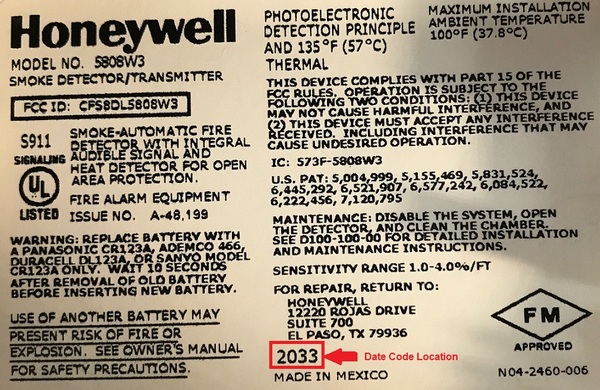
Sensors degrade and electronics fail. Age is one of the leading causes of false chirps.
Lifespan Guidelines
- Smoke and heat alarms: Replace every 10 years.
- Carbon monoxide and combination alarms: Replace every 7 years.
Check the date code on the back of the unit. It usually ends with the month and year of manufacture.
Replace Immediately If You Notice
- Chirping persists after reset and battery change
- Frequent unexplained alarms
- Cracked or yellowed casing
- Dust or insect debris inside the sensor chamber
Expert Note: An expired alarm may pass a button test but fail to detect smoke in a real fire.
Manage Interconnected Alarms
Most modern homes have interconnected alarms. When one chirps, they all respond, making the source harder to locate.
How to Find the Trigger Unit
- Press the hush button on each alarm if available.
- Remove one alarm at a time from its mount.
- Wait 5 to 10 minutes. If chirping stops, that unit is the source.
- Reset, repair, or replace only the problem alarm.
Never disconnect all alarms at once. You will be unprotected during the process.
Know When to Call a Professional
Some problems require expert hands.
Call an Electrician For
- No AC power reaching the alarm
- Loose or damaged wiring in the junction box
- Breaker that trips when the alarm reconnects
- Any situation where you are unsure about working with electrical systems
Contact the Manufacturer For
- Units still under warranty
- Model-specific reset steps
- Persistent issues after troubleshooting
First Alert Product Support: 1-800-880-6788. Have your model number and date code ready.
Prevent Future Beeping With Routine Maintenance
A few minutes each month keeps chirping away.
Monthly Tasks
- Press the test button
- Wipe dust from vents with a dry cloth
- Vacuum the alarm gently using a brush attachment
Annual Tasks
- Replace the backup battery even if no chirping
- Verify AC power with a multimeter
- Confirm all interconnected alarms respond during the test
Consider a Smart Upgrade
Sealed 10-year lithium battery models eliminate annual battery swaps and reduce false alerts from weak cells.
Frequently Asked Questions About Hardwired Smoke Detector Beeping
Why Does My Hardwired Smoke Detector Chirp at Night?
Cooler nighttime temperatures increase internal battery resistance. Weak batteries that pass unnoticed during the day trigger the low-battery chirp after midnight. Replace the battery with a fresh alkaline 9V.
How Do I Stop My Hardwired Smoke Detector From Beeping After a Power Outage?
Turn off the breaker for 30 seconds, then restore power. This resets the alarm’s power monitoring system and clears the chirp in most cases. If beeping continues, replace the backup battery and perform a full reset.
Will a New Battery Stop the Chirping Immediately?
Usually yes. If chirping continues after a battery swap with a name-brand alkaline battery, perform a full reset. The alarm may be retaining an old error code in its processor memory.
How Long Do Hardwired Smoke Detectors Last?
Smoke and heat alarms should be replaced every 10 years. Combination smoke and carbon monoxide alarms should be replaced every 7 years. Check the date code on the back of the unit to confirm the manufacture date.
Can Humidity Cause a Hardwired Smoke Detector to Beep?
Yes. Steam from showers, cooking, and condensation can trigger the sensor chamber. Relocate the alarm at least 10 feet from moisture sources or install a dehumidifier in the affected room.
When Should I Call an Electrician for a Beeping Smoke Detector?
Call an electrician if there is no AC power to the alarm, the breaker trips when the unit is connected, or you suspect loose or damaged wiring in the junction box. Do not attempt electrical repairs beyond simple battery replacement unless you are trained.
A chirping hardwired smoke detector is a warning, not a nuisance. Start with a fresh battery and a full reset. If the chirping continues, work through the electrical and environmental checks above. Replace the alarm if it is past its lifespan or still beeps after every fix. Test your alarms monthly and replace the backup battery every year to keep your home protected and your nights quiet.