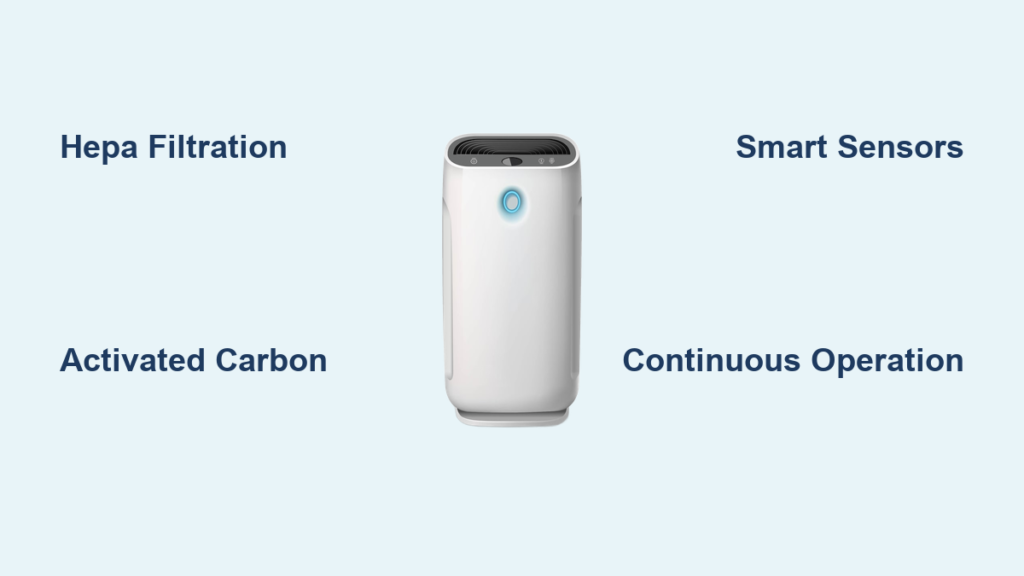
You’ve probably wondered exactly how does an air purifier work when you see one quietly humming in the corner of a room. These increasingly essential home appliances don’t just magically clean your air—they use precise engineering and multi-stage filtration to systematically remove pollutants from your indoor environment. Understanding how does an air purifier work helps you select the right model for your needs and maximize its effectiveness in creating a healthier living space. At its core, an air purifier functions as an electromechanical system that continuously draws in surrounding air, traps contaminants through specialized filters, and releases purified air back into your room—repeating this cycle multiple times per hour for progressively cleaner air.
The magic happens through three critical components working in perfect harmony: an internal motor providing power, a fan system moving air through the unit, and specialized filters designed to capture different pollutant types. When you turn on your air purifier, its fan begins pulling air from your room through intake vents typically located on the sides or rear of the device. As this air passes through the filtration system, particles become trapped while clean air exits through top or front outlets. This directional airflow pattern ensures optimal circulation throughout your space and maximum cleaning efficiency. For best results, match your unit’s capacity to your room size—most experts recommend one air purifier per room rather than trying to cover multiple spaces with a single unit.
Why Directional Airflow Determines Your Purifier’s Effectiveness
The specific airflow pattern in your air purifier directly impacts how well it cleans your indoor environment. Most quality units feature intake vents on the sides or rear and output vents at the top, creating a natural circulation pattern that draws air from all areas of the room. This design prevents “dead zones” where pollutants could accumulate without ever reaching the filtration system. Placing your unit with at least 12 inches of clearance around it—away from walls, furniture, or other obstructions—allows this airflow pattern to function optimally.
Pro Tip: Position your air purifier near common pollution sources like pet beds or kitchen areas (without blocking vents) to capture contaminants before they disperse throughout your room. Avoid placing units in corners or behind furniture where airflow becomes restricted.
The Hidden Dangers of Indoor Air Pollution You Can’t See
Understanding how does an air purifier work requires recognizing why indoor air quality matters more than many realize. According to EPA research, indoor air pollutant exposure is typically two to five times higher than outdoor levels—a startling fact that explains why clean indoor air has become so crucial. Your home constantly generates invisible threats through everyday activities: cooking releases microscopic oil particles, candles produce smoke particulates, pets shed dander, and even furniture off-gases volatile organic compounds (VOCs) over time.
Common indoor pollutants include:
– Dust mites and their allergenic waste
– Pet dander and hair particles
– Mold spores circulating in the air
– Cooking emissions and smoke particles
– VOCs from cleaning products and building materials
– Outdoor pollutants like pollen that enter through windows
The health consequences of breathing these pollutants range from immediate irritation to serious long-term conditions. Short-term effects include coughing, sneezing, and eye irritation that many mistake for common colds. Over time, continued exposure contributes to worsening asthma symptoms, respiratory diseases, and even increased risk of cognitive conditions like dementia. This is precisely why knowing how does an air purifier work becomes essential for protecting your health.
How HEPA Filters Capture 99.95% of Harmful Particles
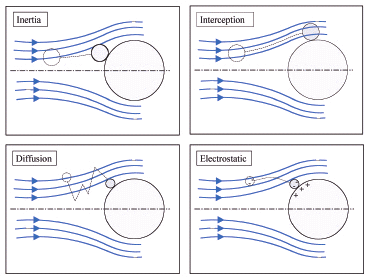
True HEPA filtration represents the most critical component in understanding how does an air purifier work for particle removal. These filters must remove at least 99.95% of particles measuring 0.3 microns in diameter—the most challenging size for filtration systems to capture. HEPA filters accomplish this remarkable efficiency through four simultaneous mechanisms:
- Direct impaction: Larger particles collide with filter fibers and get trapped
- Interception: Medium-sized particles following air streamlines contact fibers
- Diffusion: Tiny particles undergo Brownian motion and randomly contact fibers
- Electrostatic attraction: Charged particles adhere to oppositely charged fibers
Filter efficiency matters: H12 filters remove ≥99.95% of pollutants while the more demanding H13 HEPA filters achieve ≥99.97% efficiency. For most homes, H12-rated filters provide sufficient protection against common indoor pollutants including dust mites, pollen, and mold spores.
Why Activated Carbon Filters Are Essential for Odor Removal
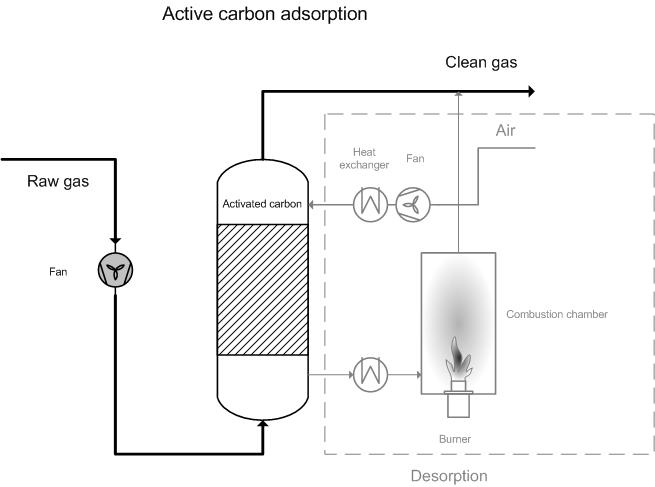
While HEPA filters capture particles, activated carbon filters address the gaseous pollutants and odors that mechanical filtration cannot trap. The activated carbon layer works through adsorption—where pollutant molecules chemically bind to the carbon’s enormous internal surface area. This process effectively removes volatile organic compounds (VOCs), cooking smells, smoke particles, and other gaseous contaminants from your air.
Critical factor: Carbon filter effectiveness depends on both quantity and thickness. Thicker carbon beds provide greater air contact time and improved contaminant removal. Without adequate carbon volume, your air purifier will clean particles but leave odors and gases unaffected. Look for units with substantial carbon layers (at least 1-2 pounds) for meaningful gas and odor reduction.
Advanced Technologies That Go Beyond Basic Filtration
Modern air purifiers incorporate several advanced technologies targeting specific contaminants through different scientific principles.
Electrostatic Precipitation for Fine Particle Removal
These systems pass air through an ionization section where particles receive electrical charges, then attract them to oppositely charged collection plates. This technology effectively captures ultrafine particles that might escape traditional mechanical filters. Unlike HEPA filters, electrostatic precipitators don’t require filter replacements but need regular cleaning of the collection plates. Most quality units achieve 99.95% or higher synthetic dust removal ratings on the arrestance scale.
UV-C Light and Photocatalytic Oxidation for Pathogen Destruction
Some premium air purifiers incorporate UV-C light systems that destroy microorganisms rather than just trapping them. When combined with a photocatalyst like titanium dioxide, UV light breaks down harmful organic compounds at the molecular level. Research from Cambridge University demonstrated these systems could significantly reduce or eliminate airborne SARS-CoV-2 virus particles in clinical settings. However, some UV-based systems may produce trace ozone as a by-product, which can irritate sensitive lungs.
Essential Components That Make Your Air Purifier Effective

Why Fan Design Determines Real-World Performance

The fan system serves as your air purifier’s mechanical heart, moving air through filters at optimal velocities. Quality units balance airflow with noise levels—typically consuming 15-20 watts in normal mode, below 10 watts in sleep mode, and potentially doubling in turbo mode. Premium models incorporate “white noise” generation that actually helps some people fall asleep while maintaining air cleaning. For bedroom use, look for units with sleep modes operating below 25 decibels—the equivalent of a whisper.
Smart Sensors That Automatically Adjust Cleaning Power
Laser particle sensors provide the most accurate air quality measurements, detecting changes in pollutant levels within seconds. When these sensors detect rising pollution, your air purifier automatically increases fan speed for rapid cleaning, then returns to energy-efficient operation once air quality improves. This intelligent operation ensures effective cleaning while avoiding unnecessary power consumption during clean air periods.
Critical Maintenance Steps You’re Probably Neglecting
When to Replace Filters (And Why Waiting Too Long Reduces Effectiveness)
Most filters provide effective service for approximately 12 months under normal conditions, but actual lifespan varies based on your home’s air quality. Warning: Overused filters become saturated, allowing particles to bypass the filtration media and circulate back into your air. Check your unit’s filter indicator regularly and replace filters promptly—don’t wait until you notice reduced performance.
The Simple Cleaning Step That Boosts Airflow by 30%
Many users overlook cleaning the pre-filter and air intake vents, which accumulate dust over time. Pro Tip: Vacuum intake vents monthly and wash reusable pre-filters every 2-4 weeks to maintain optimal airflow. This simple step prevents 20-30% reduction in air cleaning efficiency that occurs when vents become partially blocked.
How Air Purifiers Specifically Improve Your Health
Asthma and Allergy Relief Through Targeted Filtration
For the one in twelve adults with asthma, HEPA-filter air purifiers removing 99.95% of airborne pollutants provide measurable symptom relief. By capturing dust mites, pet dander, pollen, and mold spores before they reach your airways, these units reduce both the frequency and severity of asthma attacks. Many users report decreased medication usage after consistent air purifier use in bedrooms and living areas.
Sleep Quality Improvements You’ll Notice in Just One Week
Since humans spend one-third of their lives sleeping, bedroom air quality directly impacts daily functioning. Airborne allergens trigger nighttime symptoms like nasal congestion and coughing that disrupt sleep cycles. Placing an air purifier in your bedroom creates a cleaner sleeping environment—users commonly report falling asleep faster and waking less frequently within the first week of continuous use.
The One Mistake 90% of Users Make With Their Air Purifiers
Why Turning Off Your Unit at Night Undermines Its Benefits
Contrary to intuition, turning off your air purifier while sleeping allows pollutants like pet dander and dust mites to accumulate unchecked. Without active filtration, these contaminants trigger allergies and asthma symptoms that disrupt sleep quality. For maximum health benefits, run your unit continuously—especially in bedrooms—using sleep mode to maintain quiet operation. If budget constraints limit you to one unit, prioritize bedroom placement for the greatest health impact given the significant time spent sleeping.
Pro Tip: Set a timer to run your air purifier on high for 30 minutes before bedtime to rapidly clean the air, then switch to sleep mode for the remainder of the night. This strategy delivers immediate air quality improvement while maintaining quiet operation.