Your air purifier works tirelessly to keep your home’s air clean, but that crucial filter inside needs attention before it stops protecting you. Many homeowners waste money replacing filters too soon or unknowingly breathe poor air by waiting too long. The truth is, there’s no universal “how long to change air purifier filter” schedule that fits every home. The ideal replacement timeframe depends on your specific filter type, household conditions, and air quality challenges. This guide cuts through the confusion with precise timelines, visual indicators, and smart strategies to maximize both your filter’s effectiveness and your investment.
When to Replace Each Filter Type Based on Real-World Performance
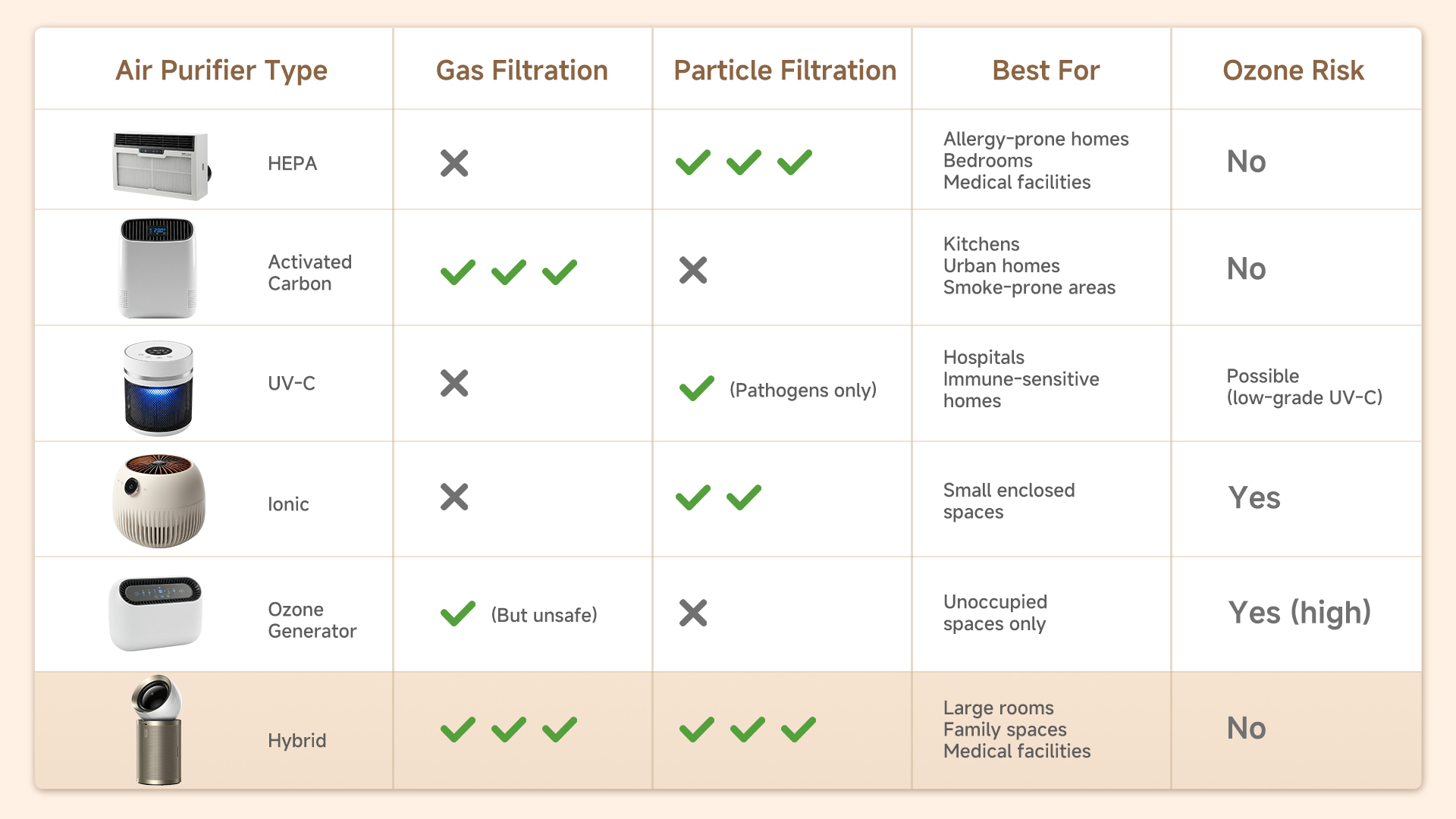
Understanding your specific filter type is the first step to determining how long to change air purifier filter components. Different filter technologies have vastly different lifespans based on their design and function.
Pre-Filters: Monthly Cleaning, 1-3 Month Replacement
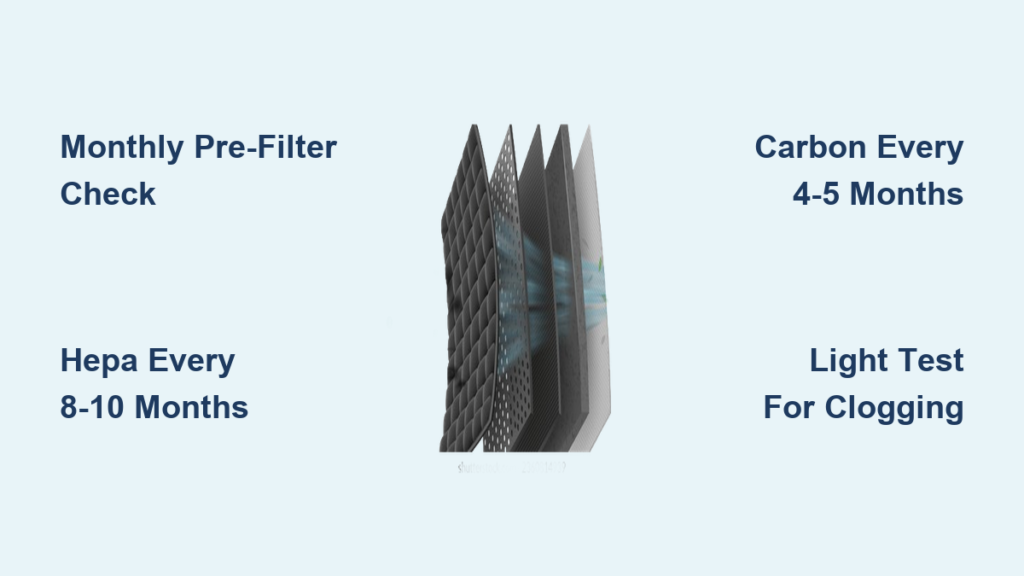
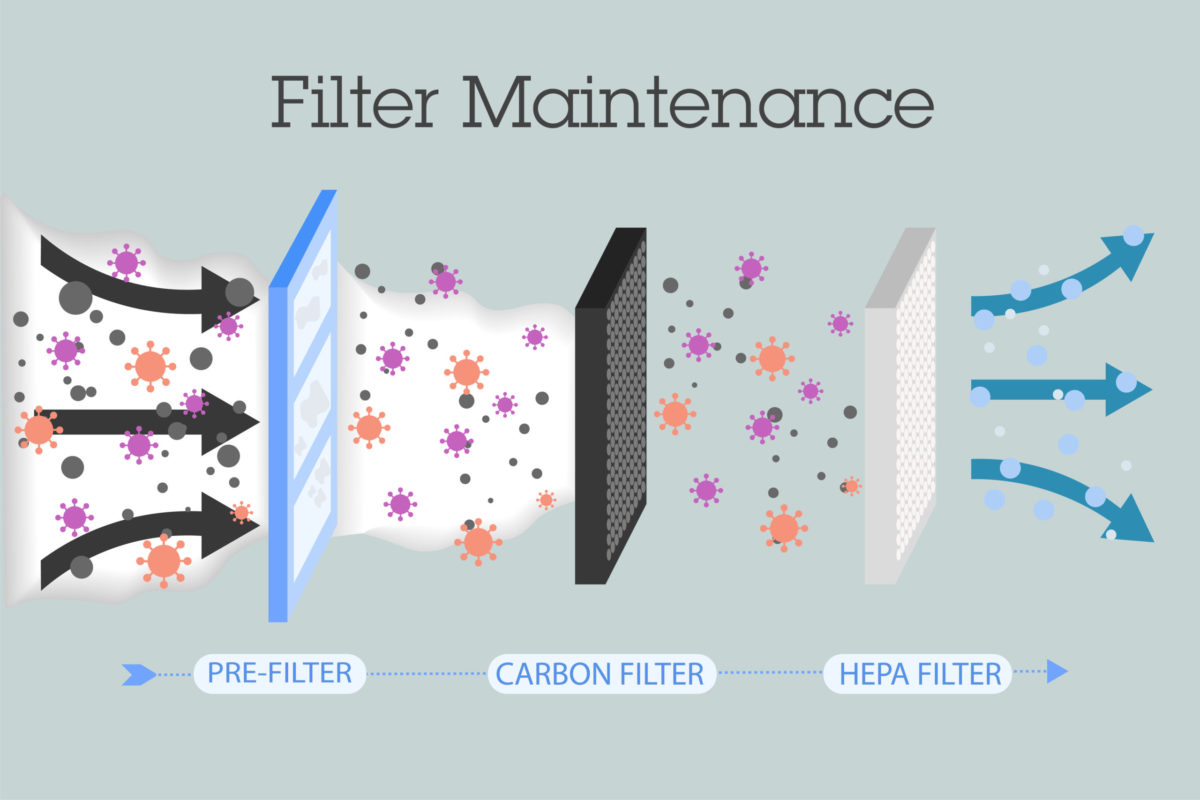
Your pre-filter catches large particles like pet hair, dust bunnies, and fabric fibers before they reach more expensive components. Check your pre-filter monthly by holding it up to light—if you can’t see through it, clean it immediately. Vacuum washable pre-filters thoroughly or rinse them according to manufacturer instructions. In homes with multiple pets or high traffic, replace pre-filters every 4-6 weeks. Pet-free homes with average dust levels can often stretch to 3 months between replacements. Ignoring pre-filter maintenance prematurely clogs your HEPA filter, potentially cutting its lifespan in half.
HEPA Filters: The 8-10 Month Sweet Spot for Most Homes
True HEPA filters capture 99.97% of particles as small as 0.3 microns—dust mites, pollen, and mold spores. While manufacturers often cite “up to 12 months,” real-world testing shows most households achieve optimal performance by replacing HEPA filters every 8-10 months when running units continuously. Homes with allergy sufferers should lean toward the 8-month mark for maximum protection. If your unit indicates “HEPA-type” rather than true HEPA, replace it every 6-8 months as these less efficient filters clog faster. Never wait beyond 12 months—saturated HEPA filters can actually release trapped particles back into your air.
Activated Carbon Filters: Replace Every 4-5 Months for Odor Control
Carbon filters neutralize cooking smells, pet odors, and volatile chemicals through adsorption. Their effectiveness diminishes as the carbon pores fill up. Most households need fresh carbon filters every 4-5 months to maintain odor elimination. If you notice last night’s garlic stir-fry lingering or pet smells returning, replace the carbon filter immediately—don’t wait for the calendar. Homes with smokers or strong indoor pollutants require replacement every 2-3 months. Unlike HEPA filters, carbon filters don’t capture visible particles, so odor return is your primary indicator of depletion.
Combined Filters and Washable Alternatives
Many budget units combine pre-filter, HEPA, and carbon layers into a single cartridge needing replacement every 6-8 months. While convenient, these integrated filters force you to replace functional components when just one layer is spent. Alternatively, washable electrostatic filters require cleaning every 2-4 weeks but never replacement—ideal for cost-conscious households willing to maintain them regularly. Consider total cost of ownership when choosing: a $150 unit with $80 annual filter costs may cost more over 5 years than a $250 model with washable filters.
Critical Signs Your Filter Needs Immediate Replacement
Don’t rely solely on calendar dates—your filter communicates its condition through clear physical and performance indicators.
Visible Clogging: The Light Test You Should Perform Monthly
Remove your filter and hold it against a bright light source. If less than 30% of light passes through the media, it’s time for replacement regardless of the calendar. HEPA filters should show uniform particle distribution—not heavy clumping in one area, which indicates improper airflow. Pre-filters that appear dark gray or black rather than light gray need immediate attention. For carbon filters, visible dust buildup on the surface (not just inside the media) means the pre-filter isn’t doing its job.
Performance Drop: When Your Purifier Sounds Strained
Listen for changes in your unit’s operation. A 20% increase in fan noise or noticeable reduction in airflow signals a clogged filter forcing the motor to work harder. Place your hand near the output vent—healthy units produce steady, strong airflow. If the breeze feels weak despite maximum fan speed, check your filters immediately. Many users mistake this for unit failure when a $30 filter replacement would restore performance.
The Smell Test: When Odors Return or Allergies Worsen
Your nose and sinuses don’t lie. If previously eliminated odors resurface or allergy symptoms increase despite continuous operation, your filters have reached capacity. Carbon filters lose effectiveness before HEPA filters, so persistent smells indicate carbon replacement is urgent even if your HEPA is still functional. For allergy sufferers, returning symptoms often correlate with HEPA saturation—replace immediately rather than waiting for the scheduled date.
Proven Strategies to Maximize Filter Lifespan Without Sacrificing Air Quality
Smart maintenance extends filter life while keeping your air clean, saving you money without compromising protection.
Pre-Filter Maintenance: The 5-Minute Monthly Task That Saves $100s
Vacuum your pre-filter with a brush attachment every 4 weeks—this single habit extends HEPA filter life by 30-50%. For washable pre-filters, rinse under lukewarm water (never hot) and air dry completely before reinstalling. Skipping this step forces your primary filter to capture larger particles it’s not designed for, accelerating clogging. Set phone reminders to make this routine maintenance automatic.
Strategic Placement: Where You Put Your Purifier Matters More Than You Think
Position units away from walls (minimum 18 inches clearance), direct sunlight, and high-dust areas like laundry rooms. Place purifiers in the center of rooms rather than corners for optimal air circulation. Avoid locations near cooking areas where grease particles can coat filters, or bathrooms where humidity promotes mold growth inside the filter media. Proper placement reduces contaminant load by up to 25%, extending filter life significantly.
Smart Speed Management: Why Auto Mode Beats Max Speed
Run your purifier on auto mode whenever possible—this feature adjusts fan speed based on real-time air quality. Units operating continuously at max speed wear filters 40% faster than those using auto mode. During sleep hours, lower speeds provide adequate purification while reducing particle accumulation. Modern smart purifiers learn your home’s pollution patterns, optimizing performance while maximizing filter longevity.
Climate and Household Factors That Shorten Filter Life
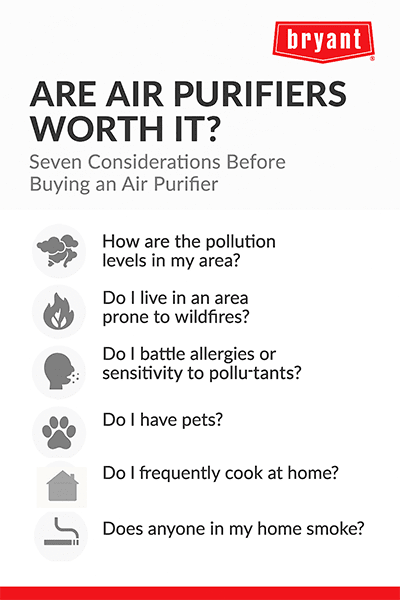
Your local environment dramatically impacts how long to change air purifier filter components. Adjust schedules based on these critical factors:
Urban vs. Rural: The Pollution Divide
City dwellers should reduce all filter replacement intervals by 25% compared to manufacturer recommendations. Traffic pollution, industrial emissions, and construction dust overload filters faster than rural environments. If you live near major highways or industrial zones, replace HEPA filters every 6-7 months instead of 12. Use real-time air quality apps to anticipate high-pollution days that accelerate filter loading.
Pet Owners: Double Your Filter Vigilance
Homes with pets require carbon filter replacement every 3 months and HEPA every 6-7 months. Pet dander, hair, and associated odors work filters harder than standard household dust. For multiple pets or heavy shedding breeds, consider adding a second pre-filter layer if your model allows. Never skip pre-filter cleaning—pet hair clogs these components within weeks.
Humidity’s Hidden Impact on Filter Performance
In humid climates (above 60% RH), inspect filters monthly for mold growth—saturated filters in damp environments become breeding grounds. Coastal homes face additional salt air corrosion that degrades filter media. If you notice musty smells from the unit, replace all filters immediately and consider a dehumidifier to protect future replacements.
Smart Features That Take the Guesswork Out of Filter Replacement
Modern purifiers eliminate uncertainty with technology that tracks actual filter condition:
Filter Life Monitoring: Beyond Simple Timer Systems
Advanced models measure pressure differentials across the filter media to determine actual saturation levels rather than just tracking time. These systems provide 90%+ accuracy in predicting remaining filter life. When the indicator shows 20% remaining, order replacements to avoid protection gaps. Units without this feature require diligent manual monitoring using the light test and performance checks.
App Integration: Never Forget a Replacement Again
Smart purifiers with companion apps send push notifications 2 weeks before filters expire and often include direct purchase links. Track historical usage to identify seasonal patterns—many users discover they need more frequent replacements during wildfire season or high pollen months. Some apps even suggest optimal fan speeds based on current air quality to extend filter life.
Final Replacement Strategy: The 3-Step Maintenance System
Follow this simple routine to optimize your “how long to change air purifier filter” schedule:
- Monthly: Check pre-filters, vacuum if washable, note any visible HEPA/carbon loading
- Quarterly: Perform light test on primary filters, verify airflow, reset filter indicators
- Biannually: Replace carbon filters, deep clean purifier housing, verify sensor accuracy
Your ideal replacement schedule emerges from combining manufacturer guidelines with your home’s actual conditions. By paying attention to visual indicators, performance changes, and environmental factors, you’ll replace filters neither too early (wasting money) nor too late (compromising air quality). Keep a simple log of replacement dates and observed conditions—within a year, you’ll have a personalized schedule that ensures your family breathes the cleanest possible air while maximizing your investment.