That quiet hum from your humidifier is a double-edged sword. While it soothes dry sinuses and protects wooden furniture, the moisture it creates also transforms your unit into a hidden breeding ground for dangerous bacteria and mold within hours. Most households wait until they spot pink slime or smell mustiness before cleaning, but by then, contaminated mist has likely been circulating through your home for days. Knowing exactly how often to clean humidifier components isn’t just about maintenance—it’s your frontline defense against respiratory infections and costly replacements. Follow this evidence-based schedule to ensure every breath of mist supports your health instead of sabotaging it.
Daily Emptying Stops Bacteria Before It Starts
Bacteria colonies establish themselves in stagnant water within 4-6 hours—long before visible slime appears. Your humidifier’s reservoir becomes exponentially more hazardous with each passing hour of continuous use. Simply turning off the unit overnight isn’t enough; residual moisture creates perfect conditions for pathogens like Legionella to multiply. This daily ritual takes just 90 seconds but breaks the contamination cycle at its source.
Execute this non-negotiable daily routine:
– Unplug and carry the tank to your sink (never top off existing water)
– Empty all water—mineral-rich residue accelerates scaling
– Rinse the tank with warm water only (soap residue attracts bacteria)
– Wipe the base dry with a microfiber cloth
– Leave components disassembled for 30 minutes before reuse
Top-off water contains triple the mineral concentration of fresh water, creating a bacterial superhighway. Daily emptying removes this concentrated residue while preventing the initial biofilm layer that weekly cleaning must later destroy.
Why Skipping One Day Doubles Your Cleaning Work
When you skip daily emptying, mineral deposits harden overnight into rough surfaces where bacteria anchor themselves. This transforms your next weekly cleaning from a simple scrub into a battle against embedded colonies requiring extended vinegar soaks. Hard water users who skip daily emptying often face clogged mist nozzles within 72 hours—forcing emergency cleaning that disrupts your schedule.
Weekly Deep Cleaning Eliminates Hidden Threats
Mark your calendar: every humidifier demands complete disassembly and sanitization within 7 days of last cleaning, regardless of water type. This 25-minute process destroys established biofilm and dissolves mineral crusts that daily rinsing can’t touch. Waiting “just one more day” allows bacterial colonies to reach critical mass—releasing spores with every mist cycle.
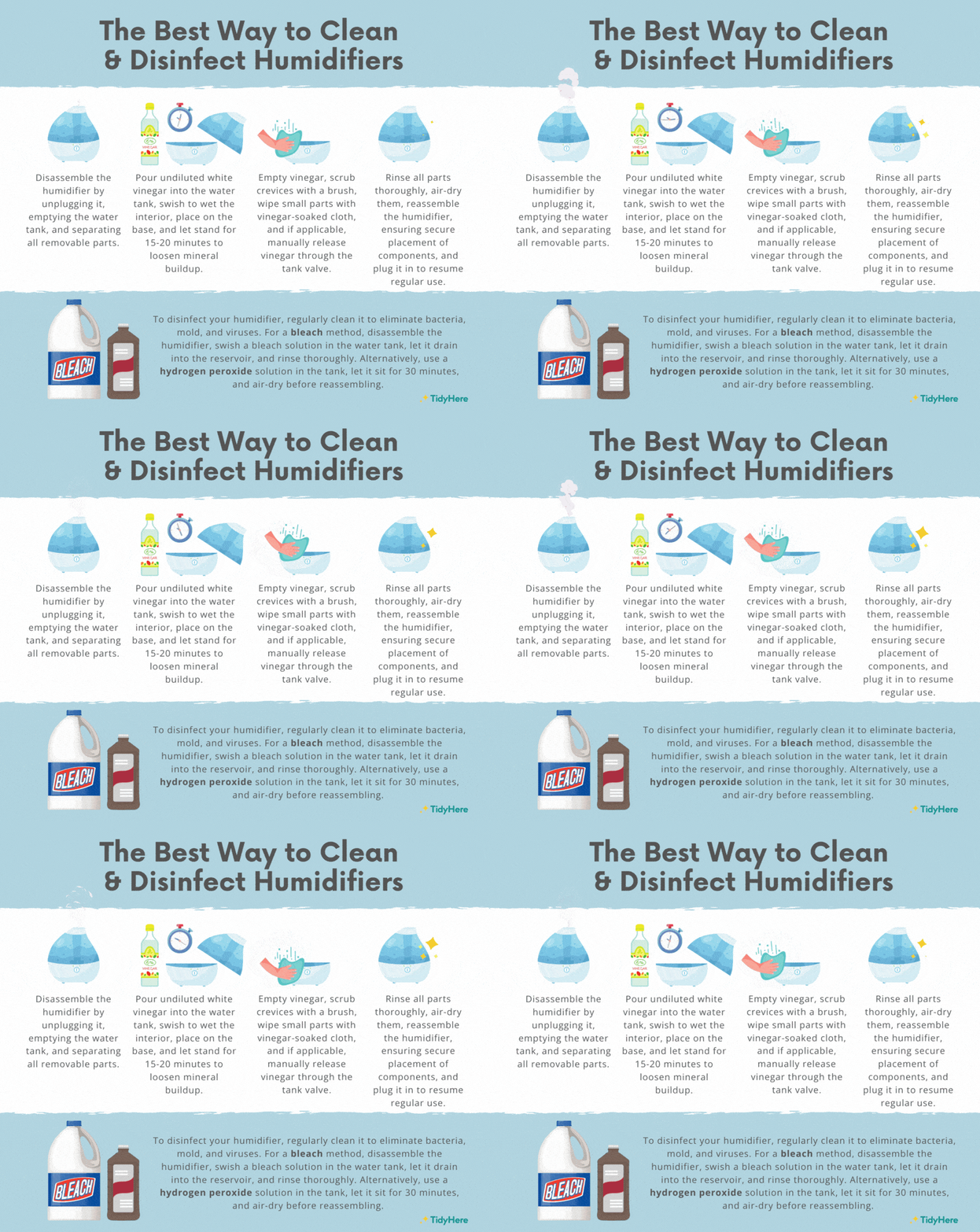
Follow this foolproof weekly protocol:
1. Disassemble all components (tank, base, filter, mist nozzle)
2. Scrub tank interior with bottle brush and 3% hydrogen peroxide
3. Clean base crevices using cotton swabs dipped in white vinegar
4. Soak mineral-encrusted parts in 1:1 vinegar solution for 20 minutes
5. Rinse each component under running water 3 times
6. Air-dry completely on a clean towel for 2+ hours
Hard water households (7+ grains per gallon) must clean twice weekly. Mineral deposits form 3x faster in hard water, creating porous surfaces where bacteria hide from standard cleaning. These deposits also insulate heating elements, causing units to overheat and fail prematurely.
Filter Replacement Prevents Contamination Recycling
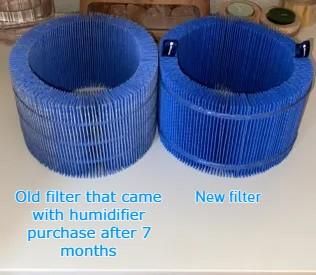
Wick filters become bacterial reservoirs when saturated—circulating contaminants instead of trapping them. Replace disposable filters every 14 days under normal conditions. In hard water areas or if scaling appears, switch to weekly replacements. Never attempt to clean disposable wicks; rinsing merely redistributes trapped pathogens.
Replace filters immediately when you spot:
– Discoloration beyond light beige (yellow/brown indicates bacterial growth)
– Musty odors persisting after tank cleaning
– 20%+ reduction in mist output
– Visible white crust on filter surfaces
Ultrasonic humidifiers without filters require extra vigilance—mineral deposits accumulate directly on transducers, forcing you to clean the base 50% more often than tank-style units.
Usage Patterns That Demand Schedule Adjustments
Your cleaning frequency must match your humidifier’s workload. Continuous operation (24/7) accelerates contamination so severely that weekly cleaning becomes insufficient. The constant heat and moisture create ideal bacterial breeding conditions—doubling colony size every 20 minutes.
Adjust your schedule based on real-world use:
– Nursery/child rooms: Clean every 72 hours minimum (developing immune systems need pristine mist)
– Pet households: Clean twice weekly (dander combines with moisture to create bacterial sludge)
– Post-illness: Disinfect immediately after any respiratory infection (viruses survive 48+ hours in reservoirs)
– High-dust environments: Clean every 4 days (airborne particles accelerate biofilm formation)
Units running nonstop develop biofilm thick enough to clog mist nozzles within 96 hours. Set calendar alerts for day 3 and day 6 of continuous use to avoid emergency cleanings.
Warning Signs Requiring Emergency Cleaning

Never ignore these critical red flags—they mean your humidifier is actively harming your health right now:
- Pink slime or black spots anywhere inside the unit (immediate mold colonization)
- Sour/musty odors during operation (indicates established bacterial colonies)
- Cloudy or discolored water (visible pathogen concentration)
- Mist output reduced by 30%+ (mineral blockages forcing contaminated water through)
When any warning appears, perform this emergency protocol:
1. Disassemble all components
2. Soak in 1 tbsp bleach per gallon of water for 30 minutes
3. Scrub with dedicated brush (never use kitchen tools)
4. Rinse under running water for 5+ minutes
5. Air-dry completely before reassembly
Bleach solutions must be freshly mixed—degraded solutions won’t kill resilient biofilm. Always wear gloves during emergency cleaning.
Storage Prep That Prevents Seasonal Surprises
Before storing your humidifier after winter, perform a deep clean that prevents mold growth during dormancy. Units stored with residual moisture develop environmental contaminants within 30 days—making spring startup a biohazard.
Follow this storage sequence:
– Complete disassembly and deep cleaning
– Wipe every seal and gasket with vinegar
– Air-dry components for 48 hours in a warm room
– Store tank and base separated in breathable cotton bags
– Replace all filters before next season’s first use
Humidifiers stored longer than 30 days require full disinfection before reuse—even if they appeared clean. Dormant mold spores reactivate instantly when water returns.
Master Your Personalized Cleaning Schedule
Your ideal how often to clean humidifier rhythm depends on three factors: water hardness, usage intensity, and household environment. Hard water plus pets demands bi-weekly deep cleaning. Distilled water with light nursery use requires cleaning every 72 hours. The non-negotiable rule? Never exceed 7 days between deep cleanings—regardless of other conditions.
Create your perfect schedule in 3 steps:
1. Test your water hardness (free strips at hardware stores)
2. Track daily runtime hours (24/7 use = 3-4 day cycles)
3. Note household factors (pets, kids, dust levels)
Miss one weekly cleaning? Perform two deep cleans 72 hours apart to destroy regrown colonies. Consistent adherence to your personalized schedule transforms your humidifier from a potential health threat into your home’s silent wellness ally—delivering pure, pathogen-free moisture all season long. Your family’s respiratory health depends on never skipping that calendar alert.