That chalky white crust lining your humidifier’s tank isn’t just ugly—it’s actively pumping mold spores and bacteria into your bedroom air while you sleep. Every 24 hours you skip cleaning, mineral deposits harden and microbial colonies multiply exponentially, transforming your health device into a respiratory hazard. In fact, neglected humidifiers can trigger “humidifier lung,” a serious inflammatory condition caused by inhaling contaminated mist. But here’s the relief: a foolproof cleaning routine takes just 15 minutes weekly and prevents 95% of health risks while maximizing mist output.
This isn’t generic advice—it’s your exact roadmap to sanitize any humidifier type safely. You’ll learn why daily rinsing with tap water backfires, the vinegar-to-bleach ratio that nukes mold without damaging components, and how to spot the pink slime warning sign most users miss. Skip the guesswork; these steps come straight from EPA-backed protocols for preventing indoor air contaminants.
Daily Humidifier Maintenance That Actually Works
Time required: Under 3 minutes daily
Critical mistake to avoid: Using tap water for refills
Empty your humidifier’s tank completely every single morning—even if water remains. Stagnant water becomes a bacteria breeding ground within 12 hours, especially in warm environments. Wash the reservoir with hot water and a drop of dish soap using a soft sponge (never abrasive pads that scratch surfaces where mold hides). Rinse thoroughly while holding the tank upright to prevent water from seeping into the motor housing.
Pro tip: Always refill with distilled water. This single switch reduces mineral buildup by 90% compared to tap water, cutting your weekly cleaning time in half. If you must use tap water, discard remaining water before refilling—even when levels seem adequate. That “low water” light? It’s a signal to empty and rinse immediately, not just add more.
Weekly Deep Cleaning: Universal Prep Steps
Time required: 10-15 minutes
Workstation must-haves: Kitchen counter near sink + waterproof mat
Unplug and Disassemble Completely
Power off and unplug your humidifier 30 minutes before cleaning—condensation inside warm mist units can cause electrical shorts. Consult your manual (usually downloadable online) to safely remove tanks, bases, filters, and trays. Empty all water into the sink, then place components on a towel-lined surface. Never submerge the entire base unit; only specific parts contact liquids during cleaning.
Why This Step Prevents Costly Mistakes
Skipping disassembly leaves hidden crevices where mold thrives. The nebulizer disc in cool mist models and heating elements in warm mist units trap minerals in microscopic pores. If you clean without removing these, scale buildup accelerates, reducing mist output by 40% within weeks.
Clean Warm Mist Humidifiers: Eliminate Scale Safely
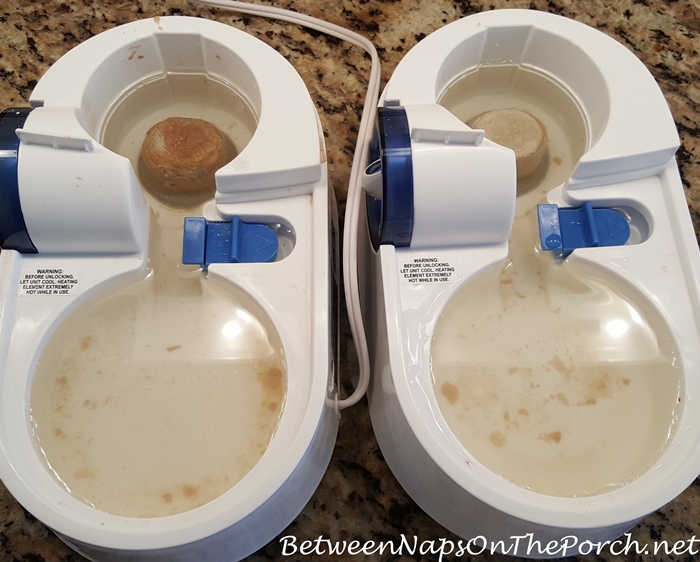
Remove Mineral Scale Buildup in 20 Minutes
Remove the water tank, cooling chamber, and removable tray. Pour undiluted white vinegar into the base until the heating element is fully submerged—typically ½ cup. Critical: Vinegar must cover only the heating element, not electronic components. Soak for 20 minutes (extend to 4 hours for heavy crust). Use a soft toothbrush to gently scrub deposits off the element—never metal tools that scratch surfaces. Drain vinegar, then rinse until water runs clear.
Disinfect Without Damaging Components
Mix ½ teaspoon bleach into ½ gallon of water. Pour into the tank, cap it, and swirl to coat all interior surfaces. Place the tank on the base so solution drains into the tray. Soak exactly 20 minutes—no longer, as bleach degrades rubber seals. Remove the mist chimney by sliding its blue latch forward, then lift the heating element cover from the large opening. Rinse every part under running water until bleach odor vanishes. Wipe the heating element with a damp paper towel to eliminate residual fumes.
Clean Cool Mist Humidifiers: Target the Nebulizer
Scale Removal for Ultrasonic Models
Empty tank and base water. Pour vinegar into the base just enough to cover the nebulizer disc (usually ¼ cup). Soak 20 minutes, then use cotton swabs to wipe mineral deposits off the disc’s edges—this vibrating component fails fastest when coated. Never run the unit during cleaning; vinegar contact with electronics causes permanent damage. Drain and rinse thoroughly.
Complete Disinfection Protocol
Prepare the same bleach solution (½ tsp per ½ gallon water). Pour into the tank with the mist nozzle inserted. Position the tank on the base to flood the water tray. After 20 minutes, empty slowly into the sink. Remove the float paddle by lifting its sides, rinse it, and wipe the VapoPad door, medicine cup, and chimney with a bleach-dampened cloth. Reinstall the float paddle ensuring it moves freely—misalignment causes overflow.
Vinegar-Only Deep Clean for Sensitive Households
Skip bleach entirely with this EPA-approved alternative. Unplug and disassemble the unit. Soak a cloth in undiluted vinegar and wipe scale from the base. Fill the tank with vinegar, swish to coat seams, and soak 30 minutes. Pour out vinegar, then scrub the tank interior with a vinegar-dampened sponge. Rinse all parts 3x with cold water—residual vinegar attracts dust. Air-dry components upright for 2 hours before reassembly; trapped moisture breeds mold faster than dirty units.
Essential Cleaning Supplies Checklist
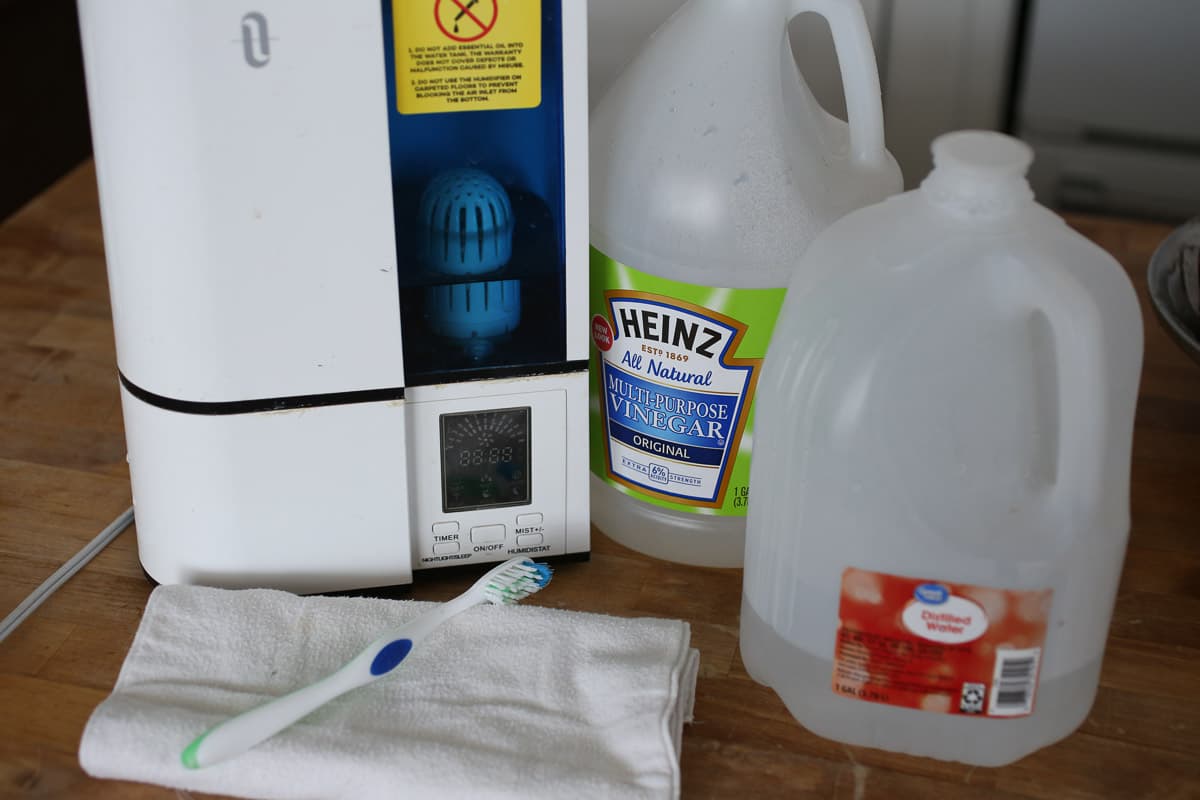
Non-negotiables:
– White vinegar (5% acidity): Dissolves 98% of mineral deposits
– Soft-bristled brush: Reaches heating element grooves without scratching
– Cotton swabs: Cleans nebulizer crevices in cool mist models
– ½ tsp measuring spoon: Critical for safe bleach dilution
– Microfiber cloths: Lint-free drying for sensitive components
Skip these: Lemon juice (too weak), CLR (corrodes seals), or dishwashers (warps plastic).
Prevent Mold Before It Starts: Proven Schedules
Daily/Weekly Routine That Stops 95% of Problems
- Every morning: Empty tank, rinse with distilled water, refill
- Every 3 days: Basic wash with soapy water if using tap water
- Every Sunday: Full descaling + disinfection (vinegar + bleach)
Seasonal Storage Protocol
Before storing off-season, run a vinegar cycle, then a bleach cycle. Leave all components disassembled in a dry, ventilated area for 48 hours. Critical: Clean again when retrieving from storage—dormant mold reactivates in humid conditions.
Why Distilled Water Saves You Hours of Cleaning

Tap water contains calcium and magnesium that bake onto heating elements at 212°F, creating rock-hard scale. Distilled water lacks these minerals, reducing cleaning frequency by 60%. The math: At $1/gallon, distilled water costs $0.07 daily but prevents $40 replacement parts from mineral damage. For cool mist units, it stops the “white dust” that coats furniture and irritates lungs.
Warning Signs Requiring Immediate Shutdown
Stop using your humidifier NOW if you see:
– Pink slime in tank corners (bacteria Serratia marcescens)
– Black spots on the nebulizer disc (toxic mold)
– Reduced mist despite full tank (scale blocking output)
– Musty odor when first turned on (hidden mold growth)
These indicate active contamination—clean immediately using the bleach protocol.
Critical Safety Reminders Nobody Tells You
Never plug in during cleaning—even residual moisture causes short circuits. Always verify bleach odor is gone before use; fumes trigger asthma attacks. Never soak entire base units; electronics corrode in 10 minutes. If your model has a filter, replace it every 2 months—cleaning won’t revive clogged filters. Most importantly: If you have lung conditions, clean in a garage or outdoors. Disturbing mold releases spores that linger in indoor air for hours.
Final Takeaway: Your humidifier’s health depends on three non-negotiables: daily distilled water refills, weekly vinegar descaling, and monthly bleach disinfection. This routine prevents dangerous airborne contaminants while extending your unit’s life by 3+ years. Start tonight—your lungs will thank you by morning.