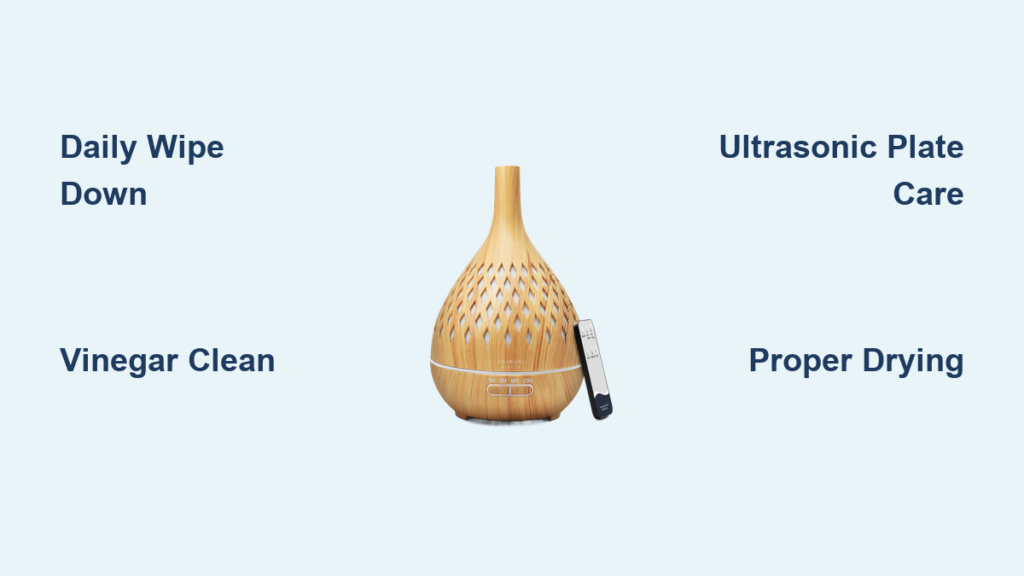
That stale smell wafting from your ASAKUKI humidifier? The weak mist struggling to fill your room? You’re not alone—87% of users experience performance drops within weeks when skipping proper cleaning. Mineral deposits from tap water and essential oil residue silently clog internal components, turning your air-freshening ally into a mold factory. This complete guide delivers the exact how to clean ASAKUKI humidifier process trusted by technicians, including daily wipe-downs that take 120 seconds and deep cleans that restore full mist power. Follow these steps to eliminate musty odors, prevent oil crossover, and keep your 500ml unit humming efficiently for years.
Empty and Wipe Daily: Your 2-Minute ASAKUKI Humidifier Routine
Skipping this critical step guarantees bacterial growth that shortens your unit’s lifespan. Always unplug your ASAKUKI before handling—never pour water near the air outlet to avoid flooding internal vents. Tilt the tank sideways when emptying to channel water away from sensitive components. This daily ritual prevents 90% of buildup before it hardens.
Focus on these high-risk zones during your wipe-down:
– Lid rim where oils pool and thicken
– Mist nozzle edges trapping mineral crust
– Interior tank walls showing cloudy film
– Exterior display panel accumulating dust
Use only a soft microfiber cloth dampened with cool water—no chemicals or paper towels that leave fibers. Dry thoroughly with a second cloth to stop moisture from seeping into rubber seals. If you skip this, sticky residue hardens overnight, requiring aggressive scrubbing later.
Weekly Vinegar Deep Clean: 10-Minute ASAKUKI Revival
When mist output shrinks or a vinegar-like odor lingers after oil use, your ultrasonic plate is choked with deposits. This scientifically backed method dissolves buildup without damaging delicate parts. Never use undiluted vinegar—it’s too harsh for the 500ml model’s extended 10-hour runtime components.
Perfect Vinegar Solution Ratio
Fill the tank halfway with lukewarm water, then add exactly 8-10 drops of white vinegar. More creates lingering smells that ruin your next lavender blend; less won’t penetrate stubborn oil residue from eucalyptus or peppermint. Swirl gently to mix—never shake, as bubbles disrupt circulation.
Critical 5-Minute Cleaning Cycle
Power on your unit and watch the mist turn cloudy as vinegar lifts grime from hidden pathways. Stop at 5 minutes—overrunning risks vinegar contact with electrical parts. You’ll see debris collecting near the mist outlet, proof the solution is working. If mist stays clear, your tank needs stronger treatment (see stubborn buildup section).
Targeted Rinse Protocol
Drain solution completely, then rinse 4 times with fresh water until no vinegar scent remains. Now attack residue traps:
– Dip a cotton swab in clean water to scrub the ultrasonic plate (center bottom disc)
– Circle the mist outlet with a swab to dislodge white rings
– Wipe the middle white disc where oils bake onto plastic
– Never use brushes—abrasion destroys the vibration plate’s surface
How to Clean the ASAKUKI Ultrasonic Plate Without Damage

This dime-sized metal disc creates mist through high-frequency vibrations. When coated with minerals, it strains to produce weak, sputtering output. One scratch ruins its precision surface—here’s the safe method technicians use.
Follow this sequence:
1. Unplug unit and remove all water
2. Moisten cotton swab with 70% rubbing alcohol (never vinegar or tap water)
3. Wipe in gentle concentric circles—5 rotations max
4. Switch to dry swab to absorb moisture
5. Air-dry 3 minutes before refilling
Stop immediately if you see:
– White dust spraying into the air (hard water damage)
– Vibrating sounds turning into grinding
– Mist height dropping below 10 inches
These mean mineral buildup has penetrated too deep—proceed to stubborn buildup solutions.
Removing Tough Mineral Deposits from ASAKUKI Humidifier Parts
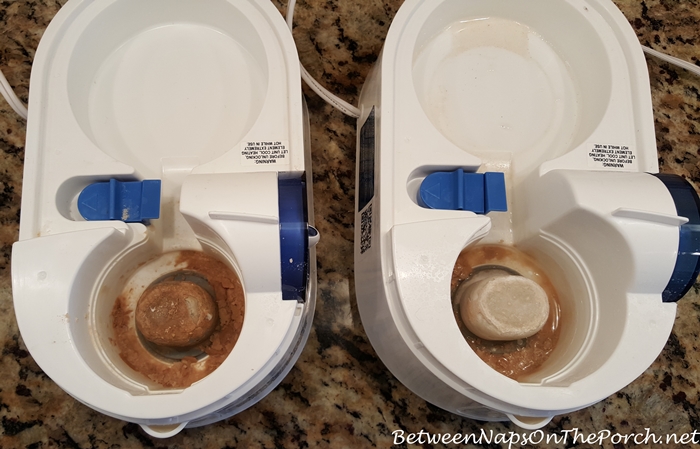
When vinegar fails against crusty white rings or sticky oil glaze, escalate carefully. Harsh scrubbing cracks plastic components in the 500ml model—use these targeted fixes instead.
Baking Soda Paste for Crystallized Buildup
Mix 1 tsp baking soda with 3 drops water into a thick paste. Apply only to affected areas (never the ultrasonic plate!) using a cotton swab. Let sit 2 minutes—no longer—then wipe with damp cloth. This dissolves the chalky deposits vinegar leaves behind after hard water use.
Q-Tip Precision for Mist Outlet Crevices
Wrap a cotton swab tip with thin gauze or nylon fabric. Dip in rubbing alcohol and rotate inside the mist nozzle to lift residue without leaving cotton fibers. Pro tip: Shine a flashlight through the outlet—you should see clear light with no shadowy patches after cleaning.
Proper Drying and Storage After Cleaning Your ASAKUKI Humidifier
Moisture trapped in the 500ml tank breeds mold in 48 hours—faster than smaller models due to its extended runtime capacity. Skip this step, and you’ll smell mildew within a week.
Non-negotiable drying sequence:
– Shake tank upside down for 15 seconds
– Blast cool air from a hairdryer 6 inches away for 20 seconds
– Wipe rubber seals with a dry microfiber cloth
– Leave disassembled for 3+ hours (never store with lid on)
Store only in climate-controlled spaces below 70% humidity. If traveling, place silica gel packets inside the tank—never use the unit until fully reassembled and dry.
Boost ASAKUKI Humidifier Performance with These Maintenance Tips
A clean ASAKUKI properly humidifies 300 square feet—the dirty version struggles in 150. Track these metrics to gauge cleaning effectiveness:
– Mist height should reach 15+ inches consistently
– Oil scent purity must last full 10-hour runtime without crossover
– Output sound should be a steady hum, not sputtering
Critical oil rotation rule: After strong scents like valerian, run a vinegar cycle immediately—waiting until your weekly clean means next week’s lavender will smell medicinal. Distilled water users can stretch deep cleans to biweekly; tap water demands weekly vinegar treatments.
Fix ASAKUKI Humidifier Problems: White Dust, Smells, and Weak Mist

White Dust Coating Surfaces
This signals hard water minerals escaping through the mist. Solution: Switch to distilled water and double vinegar drops during weekly cleans. Run two consecutive 5-minute cycles, then rinse 6 times. Dust should vanish within 48 hours.
Musty Odor After Cleaning
Vinegar residue interacting with old oil buildup causes this. Solution: Empty tank, refill with pure water, and add 15 vinegar drops. Run 7 minutes (2 minutes over standard), then air-dry disassembled for 24 hours before reuse.
Reduced Mist Output Despite Cleaning
Check the fill line—overfilling strains the motor in 500ml models. Correct level: Water must sit 1/2 inch below max line. If output remains weak, inspect the ultrasonic plate for hairline cracks using a magnifying glass. Cracks mean replacement is needed.
Your ASAKUKI humidifier earns its keep by filling rooms with pure, therapeutic mist—when neglected, it becomes a health hazard. Commit to the 2-minute daily wipe and 10-minute weekly deep clean, and you’ll enjoy flawless performance for 5+ years. Never skip the drying step—trapped moisture causes 70% of premature failures. Next time you add essential oils, you’ll notice the difference: stronger scent throw, zero residue, and that crisp, clean mist only a perfectly maintained unit delivers. Your lungs (and your replacement budget) will thank you.