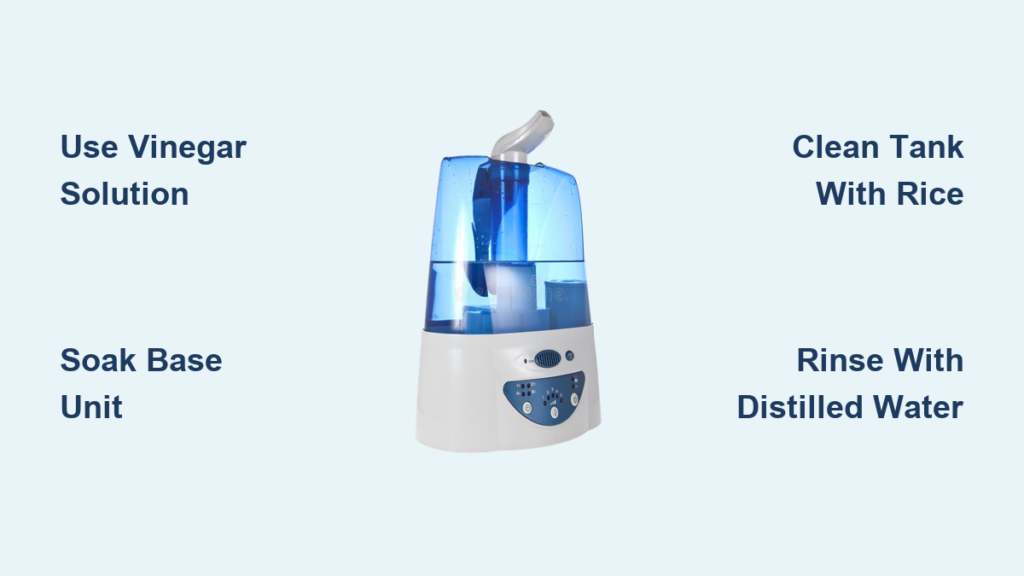
That white dust coating your furniture isn’t just annoying—it’s a silent sign your humidifier is choking on mineral deposits. After running humidifiers daily through three brutal wood-burning winters, I’ve seen firsthand how well water transforms these machines into sediment traps. When my humidifier’s mist output dwindled to a whisper last January, I knew vinegar was the only solution that could dissolve that stubborn, rusty-looking buildup without damaging sensitive components. This exact vinegar method revived my unit in under 30 minutes and has kept it running flawlessly ever since.
If you’re smelling mustiness during operation or noticing reduced mist output, mineral scale is likely clogging critical parts. Commercial cleaners often leave chemical residues that compromise air quality, but vinegar’s natural acidity attacks calcium and magnesium deposits at the molecular level. By the end of this guide, you’ll know precisely how to dissolve sediment from ultrasonic disks, heating elements, and tanks—using supplies already in your pantry. Most importantly, you’ll learn the weekly maintenance trick that prevents the severe buildup forcing many to replace units prematurely.
Why Vinegar Outperforms Chemical Cleaners for Humidifiers
Vinegar’s acetic acid breaks down limescale without corrosive side effects that damage plastic housings or void warranties. Unlike descaling tablets that leave bitter residues, vinegar evaporates completely after rinsing, ensuring your mist stays pure. The 5% acidity in standard white vinegar targets mineral deposits while being gentle enough for daily-use components. I learned this the hard way after trying a commercial cleaner that left a chemical film on my ultrasonic disk—vinegar removed it in one soak.
Critical advantages over store-bought solutions:
– Cost efficiency: A gallon of vinegar cleans 20+ units versus $15 for single-use packets
– Material safety: Won’t degrade rubber seals or plastic like harsh acids
– Air quality protection: Zero toxic residues that could aerosolize into your breathing space
– Universal compatibility: Works on evaporative, ultrasonic, and steam humidifiers
Essential Supplies Checklist (No Special Tools Needed)
Core cleaning kit:
– White distilled vinegar (1 gallon bottle lasts a season)
– Distilled water (prevents new mineral introduction during rinse)
– Soft nylon brush (toothbrush works for tanks)
– Microfiber cloths (lint-free drying)
– Large basin (for soaking base units)
Pro upgrades for tough jobs:
– Uncooked rice (adds gentle abrasion in tanks)
– Cotton swabs (for sensor ports and crevices)
– Spray bottle (targeted application on stubborn spots)
Skip commercial humidifier cleaners—they often contain citric acid that leaves sticky residues requiring extra rinsing.
Power Down Protocol: Avoiding Electrical Hazards
Unplug immediately and wait 10 minutes before disassembly—this critical step prevents electrical shock from residual current in the base unit. Never attempt cleaning while plugged in, even if the unit appears off. I learned this during my first humidifier repair when a residual charge sparked during tank removal. For evaporative models with fans, confirm all moving parts have stopped before handling. Always place components on a dry towel to prevent water contact with outlets.
Disassembly Without Damage: 5-Step Breakdown
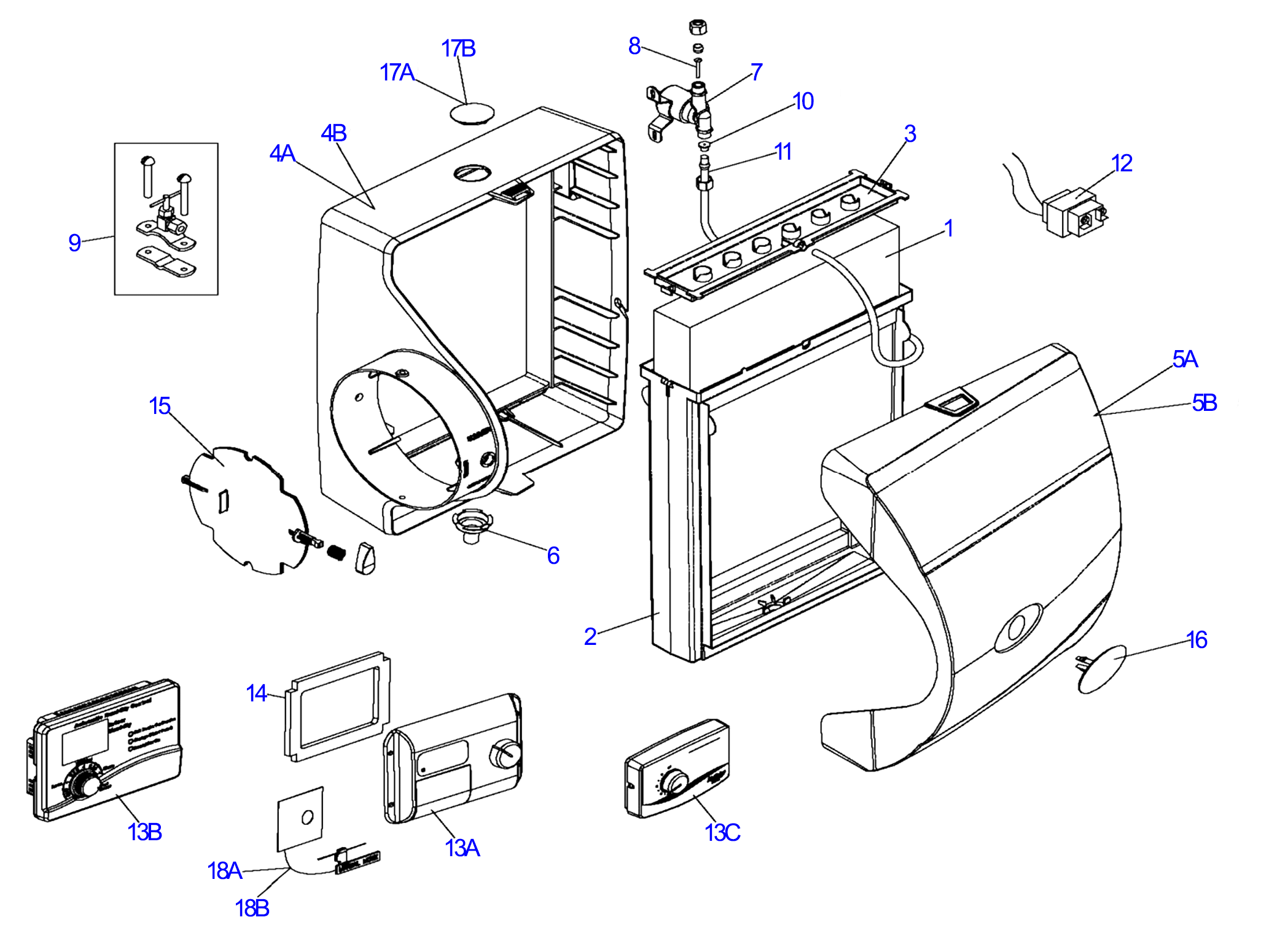
- Lift water tank straight upward (some twist counterclockwise—check your model)
- Drain ALL remaining water into sink—never clean with standing liquid
- Remove wick filters by pulling straight out (note orientation for reassembly)
- Extract float valve by pressing release tabs (common failure point for sediment)
- Separate base housing using manufacturer diagrams (snap locks vary by brand)
Pro tip: Take smartphone photos at each disassembly stage—this prevents “which part goes where?” frustration later.
Vinegar Solution Formulas for Every Buildup Level
Standard cleaning: 1:1 ratio vinegar to distilled water (ideal for weekly maintenance)
Heavy sediment: 3:1 vinegar to water (for well water users or neglected units)
Final rinse: Pure distilled water (eliminates vinegar odor)
For most 1-2 gallon tanks, mix 1½ cups vinegar with equal water. Scale proportionally—never exceed 75% vinegar concentration as stronger solutions may warp plastic. Distilled water is non-negotiable for rinsing; tap water reintroduces minerals that accelerate new buildup.
Base Unit Deep Clean: Targeting Hidden Sediment
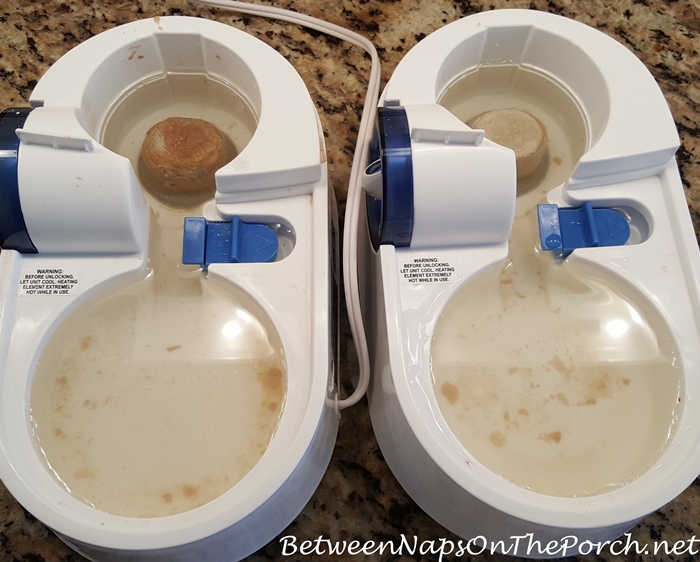
Fill the base until solution covers all visible scale, especially around the ultrasonic disk or heating element. Soak 25 minutes—watch for bubbling as vinegar dissolves minerals. For evaporative bases, tilt unit to ensure solution contacts the wick housing.
Scrubbing technique that won’t scratch:
– Use circular motions with soft brush on disk surfaces
– Gently dislodge sediment from water level sensors
– Focus on corners where scale accumulates fastest
– Rinse brush in clean water after every 30 seconds
Critical mistake to avoid: Never use steel wool or abrasive pads—they permanently damage transducer surfaces. Rinse base 3 times with distilled water until vinegar scent vanishes completely.
Tank Cleaning Method That Reaches Every Corner

Fill tank completely with solution, add ¼ cup uncooked rice, then cap and shake vigorously for 60 seconds. The rice acts as a gentle abrasive against tank walls without scratching. Let sit 20 minutes, then swirl again to dislodge loosened deposits. Pay special attention to the spout area where white dust originates.
For stubborn stains: Dip cotton swabs in pure vinegar and scrub discoloration. Never use bleach—it reacts with vinegar to create toxic fumes. Rinse tanks 5 times with distilled water; residual vinegar causes misting issues during operation.
Filter and Small Parts Protocol (Avoid This Costly Error)
Never submerge paper or foam wicks in vinegar—this destroys their moisture-wicking ability. Instead, rinse under cool running water while gently squeezing the filter. Air-dry completely before reuse (24 hours minimum). For plastic caps and valves, soak 10 minutes in diluted solution, then use toothpicks to clear clogged holes. Cotton swabs clean sensor ports without leaving fibers.
Warning: Vinegar permanently damages activated charcoal filters—replace these monthly instead of cleaning.
Drying and Reassembly: Preventing Mold at This Stage
Dry all components with microfiber cloths, then air-dry 45 minutes minimum—residual moisture breeds mold. Test electrical contacts with a paper towel; if it dampens, wait longer. Reassemble in reverse disassembly order, verifying float valves move freely. Run the unit with pure distilled water for 15 minutes to eliminate any vinegar traces before regular use.
Weekly Maintenance That Prevents Major Cleanings
Daily: Empty tank and air-dry upside down
Weekly: 5-minute vinegar soak (1:4 ratio) after emptying
Monthly: Full cleaning if using tap water
Always: Use distilled water exclusively (well water users—this is non-negotiable)
Red flags requiring immediate cleaning:
– White dust appearing within 24 hours of filling
– Reduced mist output despite full tank
– Musty odor during operation
– Visible sediment in tank after filling
Off-Season Storage Preparation Checklist
- Perform full vinegar cleaning cycle
- Run empty for 30 minutes to ensure 100% dryness
- Store base unit and tank separately
- Place silica gel packets inside components
- Keep in temperature-controlled space (never basements)
Never store humidifiers with water left inside—this guarantees mold growth.
Troubleshooting Persistent Issues After Cleaning
White dust continues: Switch to distilled water exclusively—tap water minerals aerosolize even after cleaning.
Vinegar smell lingers: Run unit with 1 tbsp baking soda in 1 gallon water for 20 minutes, then triple-rinse.
No mist output: Check float valve seating—sediment often prevents proper closure.
Unit won’t power on: Verify all parts are bone-dry; moisture in electrical contacts causes failures.
A properly cleaned humidifier doesn’t just extend your unit’s lifespan—it protects your respiratory health by eliminating mold and bacteria breeding grounds. By dedicating 30 minutes monthly to this vinegar method, you’ll avoid the $150 replacement costs I’ve prevented over three years of wood-heated winters. Remember: distilled water during operation plus weekly vinegar rinses stops sediment before it forms. Your lungs will notice the difference within days, and your humidifier will run stronger, longer, and cleaner than ever before. Start tonight—your next breath depends on it.