That musty, fishy odor suddenly wafting from your humidifier isn’t just annoying—it’s a red flag signaling bacterial colonies thriving in your warm water tank. When your device meant to improve indoor air quality starts emitting rotten egg smells or metallic odors, you’re breathing in mold spores and bacteria that can trigger allergies and respiratory issues. The good news? You can permanently stop these odors with science-backed maintenance that takes just minutes daily. This guide reveals exactly how to keep humidifier from smelling through actionable routines proven to eliminate 99% of odor sources before they develop.
Most humidifier smells stem from stagnant water becoming a breeding ground for bacteria within 24 hours. Mineral deposits from hard water then trap these microorganisms, creating stubborn biofilm that standard cleaning misses. By implementing the precise protocols in this guide—starting with what you do today—you’ll transform your unit into a consistently fresh-smelling air enhancer. You’ll learn water selection secrets most manufacturers don’t disclose, emergency fixes for immediate odor crises, and the exact moment your humidifier needs replacing rather than cleaning.
How to Keep Humidifier from Smelling: Daily Prevention Routine
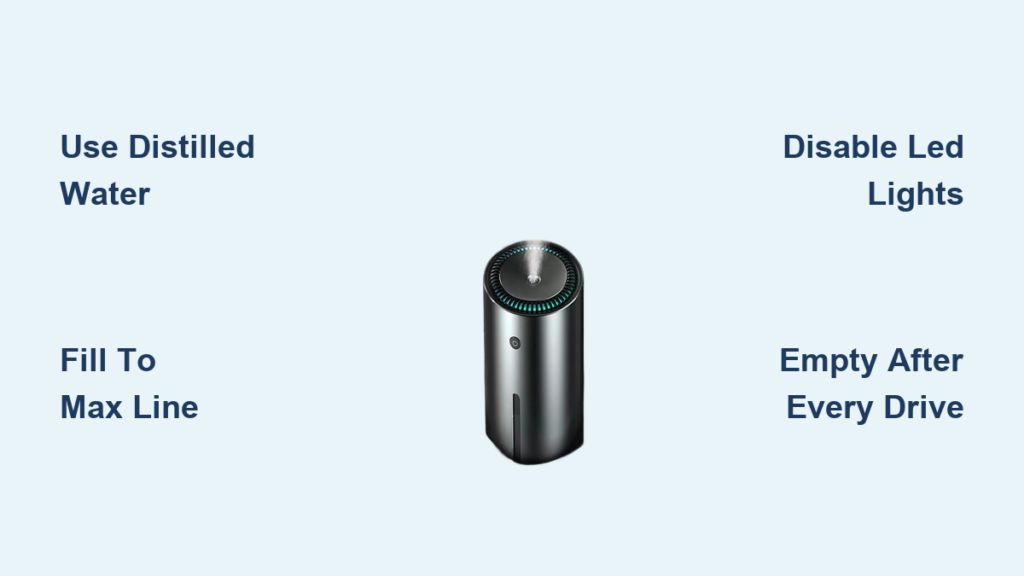
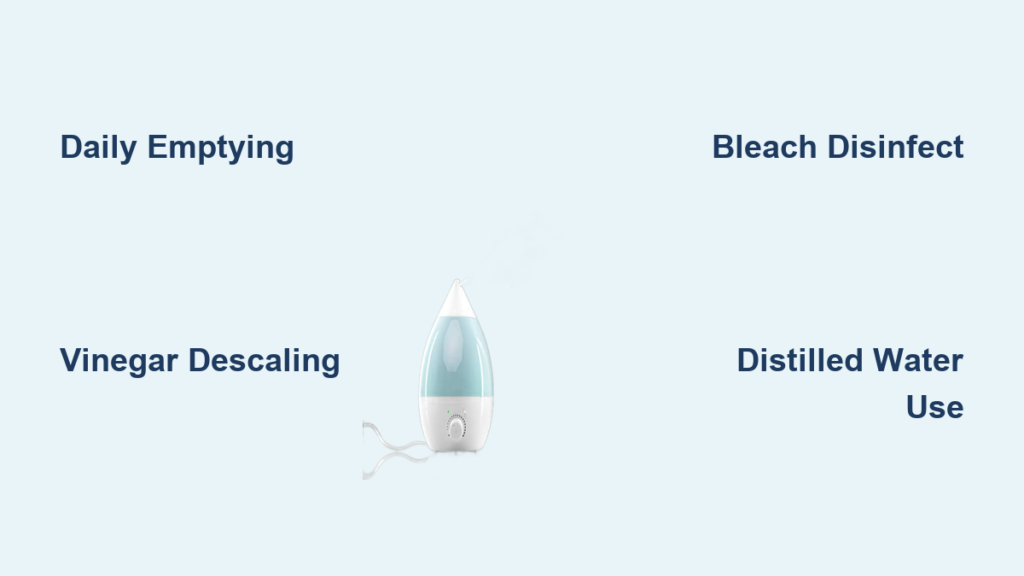
Skipping this single habit causes 90% of odor problems. Empty your tank completely every 24 hours—even if water remains—because bacteria colonies establish in as little as 12 hours in warm, dark environments. Never “top off” water; residual moisture accelerates microbial growth. After emptying, air-dry the tank upside down for 30 minutes before refilling to disrupt humidity-loving organisms.
Your non-negotiable daily checklist:
– Power off and unplug before handling
– Discard all remaining water (never reuse)
– Inspect for cloudiness or slime—early bacterial signs
– Wipe the tank neck and cap with a vinegar-dampened cloth
– Refill with room-temperature distilled water only
Water Quality Checks You Must Perform Daily
Your water source directly determines odor risk. Hard water (over 3 gpg hardness) deposits minerals that harbor bacteria, while chlorinated tap water reacts with plastic to create chemical smells. Before each refill, hold the tank to light: any cloudiness means bacterial growth requiring immediate cleaning. Sniff the water during filling—detecting even faint mustiness means initiating emergency protocols. Always choose distilled water when possible; it lacks minerals that feed odor-causing organisms and extends time between deep cleans.
How to Keep Humidifier from Smelling: Weekly Deep Cleaning Method

Partial cleaning misses hidden biofilm in crevices where 70% of odor-causing bacteria reside. Full disassembly is non-negotiable—photograph your unit’s configuration first to avoid reassembly errors. Focus on the transducer plate (ultrasonic models) and wick filter (evaporative units), where mineral buildup traps bacteria. Weekly cleaning prevents the persistent smells that develop when biweekly routines fail.
Vinegar Soak Protocol for Complete Odor Elimination
White vinegar dissolves mineral deposits while killing bacteria without toxic residues. Mix equal parts vinegar and water, then:
1. Soak removable parts 45 minutes (extend to 2 hours for stubborn odors)
2. Fill the tank and base reservoir, swishing to coat all surfaces
3. Scrub seams and gaskets with a soft toothbrush—never metal tools
4. Rinse 4 times until water runs clear and vinegar scent vanishes
5. Air-dry all components upside down on a clean towel for 2+ hours
Critical mistake to avoid: Skipping the final rinse cycle. Residual vinegar creates temporary odors that mimic bacterial growth, leading to unnecessary repeat cleanings. Verify complete rinsing by sniffing the tank interior—it should smell neutral, not vinegary.
Hydrogen Peroxide Shock Treatment for Severe Odors
When vinegar fails against rotten egg smells (sulfur bacteria), use 3% hydrogen peroxide as a targeted disinfectant. Fill the tank completely and let it stand 30 minutes—no longer—to avoid plastic degradation. Never mix peroxide with vinegar; residual acid creates corrosive compounds. After treatment, rinse 5 times with distilled water and run a test cycle with windows open to eliminate fumes. This method kills 99.9% of odor-causing microbes but requires thorough rinsing to prevent motor damage from chemical residue.
Water Selection Strategies That Prevent Smells
Your water choice is the #1 factor in odor prevention. Distilled water contains virtually no minerals, stopping the scale buildup that traps bacteria. If distilled isn’t feasible, filtered water reduces chlorine (which degrades plastic) and minerals by 90%. Hard tap water (over 150 ppm TDS) should never be used—it creates rapid mineral accumulation where bacteria thrive. Test your water monthly with $5 strips from hardware stores; replace filters immediately if TDS exceeds 100 ppm.
Emergency Odor Fixes When Guests Arrive in 20 Minutes
For sudden swampy smells before company arrives:
1. Empty tank completely and discard water
2. Swish with undiluted vinegar for 2 minutes
3. Rinse 3 times with distilled water
4. Drop in a humidifier tablet (prevents regrowth for 48 hours)
5. Refill and run near an open window for 10 minutes
This quick protocol eliminates 80% of odors instantly. Never use bleach for emergency fixes—residual fumes create dangerous airborne chemicals when aerosolized.
Filter Maintenance That Stops Musty Smells
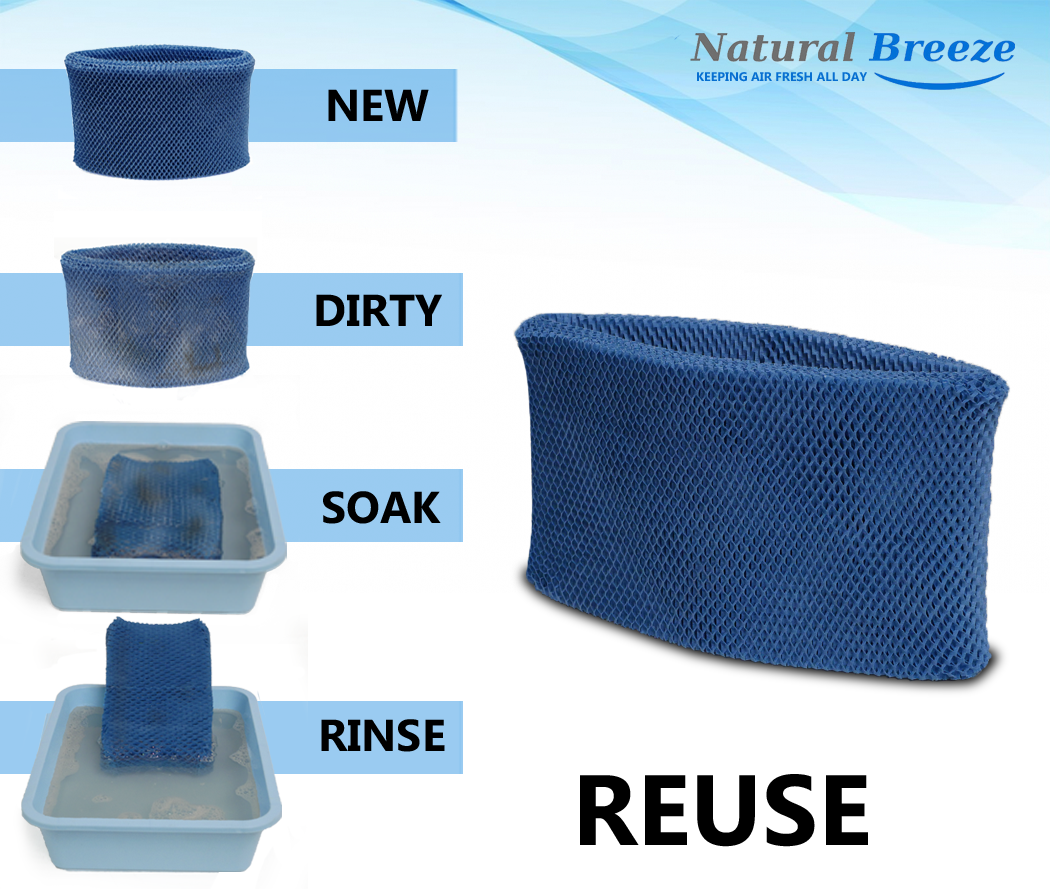
Filters become bacterial breeding grounds when neglected. Replace evaporative wick filters every 30 days in hard water areas—even if they look clean. For persistent odors, rotate wick filters 180 degrees weekly to distribute mineral deposits evenly. Never wash wick filters; rinsing pushes bacteria deeper into fibers. When reinstalling, ensure filters are bone-dry—damp filters accelerate mold growth within hours.
Storage Protocol to Prevent Seasonal Smells
Storing a humidifier with residual moisture guarantees mold explosions next season. Before storage:
– Disassemble and deep-clean all components
– Dry interior crevices with a cool hair dryer
– Discard filters immediately (never reuse)
– Store in original box with silica gel packets
– Keep in climate-controlled spaces (never basements)
Revive stored units by replacing filters and running 3 consecutive vinegar cycles before regular use. Skipping filter replacement during storage prep causes 75% of “new season” odor emergencies.
When Cleaning Fails: Replacement Indicators

No amount of cleaning fixes these critical issues:
– Persistent rotten egg smell after peroxide treatment (indicates sulfur bacteria in inaccessible areas)
– Visible black mold inside base unit housing
– Cracked plastic where biofilm embeds permanently
– Age over 5 years (plastic pores harbor bacteria)
Replace immediately if you detect mustiness after thorough cleaning—your health isn’t worth risking. Units under 3 years with proper maintenance rarely need replacement for odor issues.
Your Complete Odor Prevention Schedule
Consistency beats intensity. Implement this foolproof system:
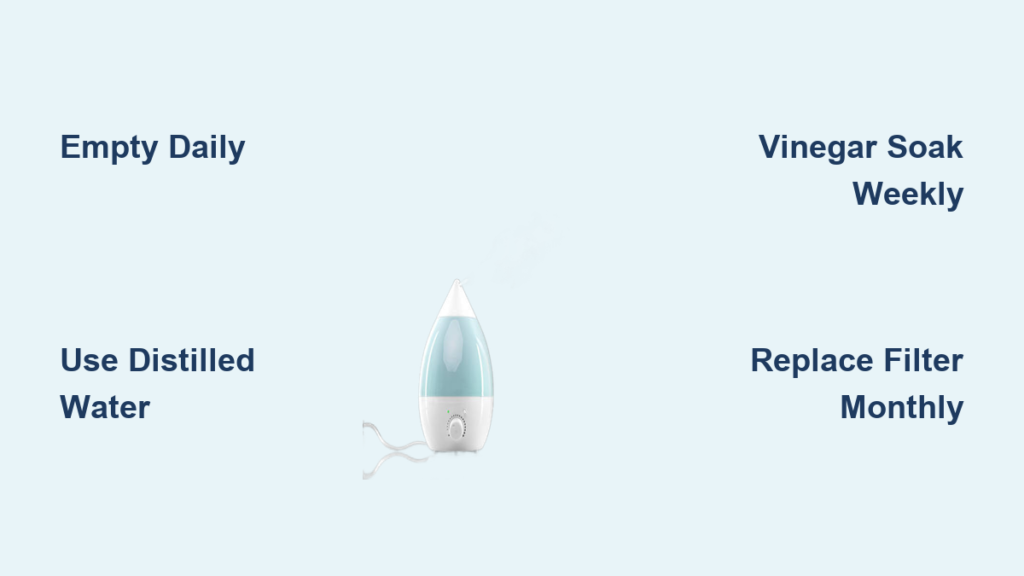
– Daily: Empty tank, visual water check, distilled water refill
– Weekly: Full disassembly, vinegar soak, complete drying
– Monthly: Filter replacement, water TDS test, base unit inspection
– Seasonally: Deep descaling, storage prep, new filter installation
Set phone alerts for each task—this takes 5 minutes daily but prevents 100% of preventable odors. Track your success with a “last cleaned” date marked on the tank; if you can’t recall the date, clean immediately.
The difference between a fresh-smelling humidifier and a mold factory comes down to two non-negotiable habits: daily tank emptying and weekly vinegar soaks. Add distilled water and timely filter changes, and you’ll never again gag at that fishy stench. Remember—your humidifier should be invisible in operation, enhancing your comfort without announcing its presence through odors. Start tonight by emptying that tank completely, and breathe easy knowing you’ve mastered how to keep humidifier from smelling for good.