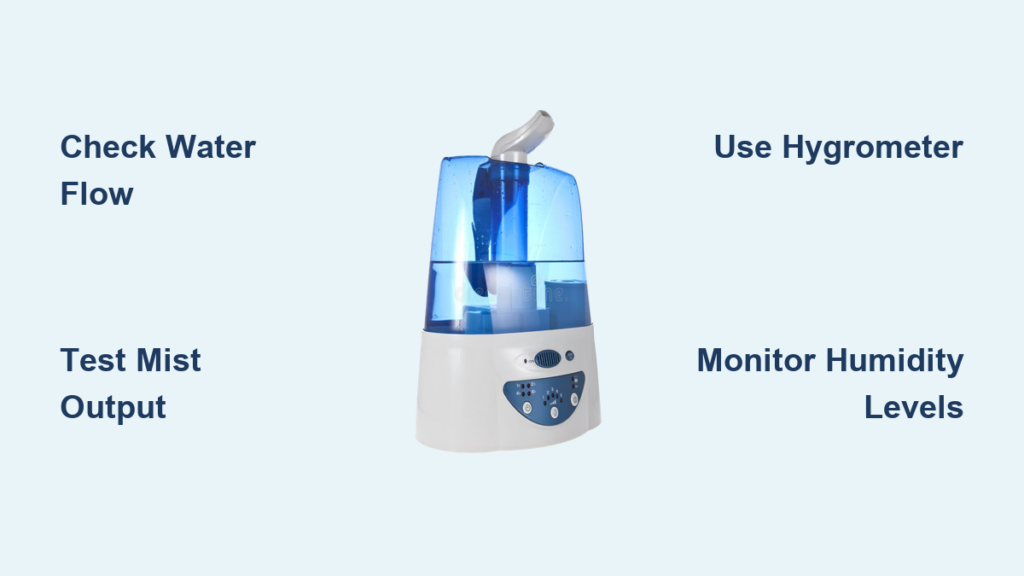
That quiet hum from the corner of your bedroom might be deceiving—your humidifier could be running while doing absolutely nothing to improve your indoor air quality. Many homeowners only discover their unit failed when they wake up with a bloody nose, experience painful static shocks, or notice their wooden furniture starting to crack. Knowing exactly how to verify your humidifier is working can prevent these uncomfortable issues and ensure your home maintains proper moisture levels during dry winter months.
Without proper verification, you might be wasting electricity while suffering from dry sinuses, itchy skin, and damaged wood surfaces. This guide delivers specific, actionable methods to confirm your humidifier’s operation—no guesswork required. Whether you own a small portable unit for your bedroom or a whole-house system integrated with your HVAC, these proven techniques will help you determine if your humidifier is actually working within minutes.
Check Water Movement in Whole-House Systems

For homeowners with HVAC-integrated humidifiers, the most immediate verification method involves observing water flow. Locate the drain line where water exits your humidifier—typically a small tube running to a floor drain or utility sink. When functioning properly, you should see a continuous stream of water flowing through this tube.
What to look for: A pencil-thin, steady stream of water indicates proper operation. Intermittent dripping or complete absence of flow signals a problem that needs immediate attention. Remember, this water flow confirms basic operation but doesn’t guarantee optimal efficiency—your unit might still need maintenance even with visible water movement.
Pro Tip: Place a small container under the drain line for 15 minutes. A properly functioning system should produce approximately 1-2 cups of water during this period. Less than this suggests reduced performance that requires troubleshooting.
Monitor Mist Output in Portable Units
Your portable humidifier should visibly reduce indoor dryness within minutes of activation. Stand near the unit and watch for a steady stream of mist that projects outward into the room—not just hovering around the device. Within 2-3 minutes of turning on a cool mist humidifier, you should see consistent vapor emission.
Key indicators of proper function:
– Visible mist that gradually fills the room
– Noticeable decrease in water level after 8-12 hours of operation (typically 1-2 inches)
– Gentle gurgling or humming sound during operation
Important Note: Some ultrasonic models produce minimal visible mist while still effectively humidifying the air. Consult your user manual to understand what’s normal for your specific model before concluding it’s malfunctioning.
Test Whole-House Systems Step-by-Step
For HVAC-integrated humidifiers, follow this precise verification process:
1. Activate the System Properly
Turn your humidistat to maximum (usually 55-60%) and set your thermostat to trigger the heating cycle. Remember—most whole-house humidifiers only operate when your furnace or heat pump is running.
2. Verify Water Supply
Lift the supply tube slightly to confirm water is flowing to the unit. No water flow means checking your main water supply valve first—this simple fix resolves 30% of “non-working” humidifier complaints.
3. Confirm Seasonal Settings
Check that the seasonal dial matches current conditions. Winter settings differ significantly from summer configurations, and an incorrect setting prevents proper operation.
4. Inspect Humidifier Pad
Remove and examine the water panel or evaporative pad. A clean, properly installed pad should be uniformly damp—not dry in spots or completely saturated.
Portable Unit Quick Diagnostics

When your portable humidifier seems underperforming, these tests deliver definitive answers:
Water Consumption Test
Mark your water level with tape before operation. After 6-8 hours of continuous use, the level should drop noticeably. No change indicates a malfunction requiring immediate attention.
Hand Test for Airflow
Place your hand near the mist output. Even if you don’t see visible vapor, you should feel consistent air movement. Complete silence combined with no airflow confirms the unit has stopped working.
Sound Analysis
– Normal operation: Soft humming or gentle gurgling
– Warning signs: Grinding noises, loud clicking, or complete silence when activated
– Critical issue: Continuous buzzing without mist output (indicates motor problems)
Measure Humidity Levels Accurately
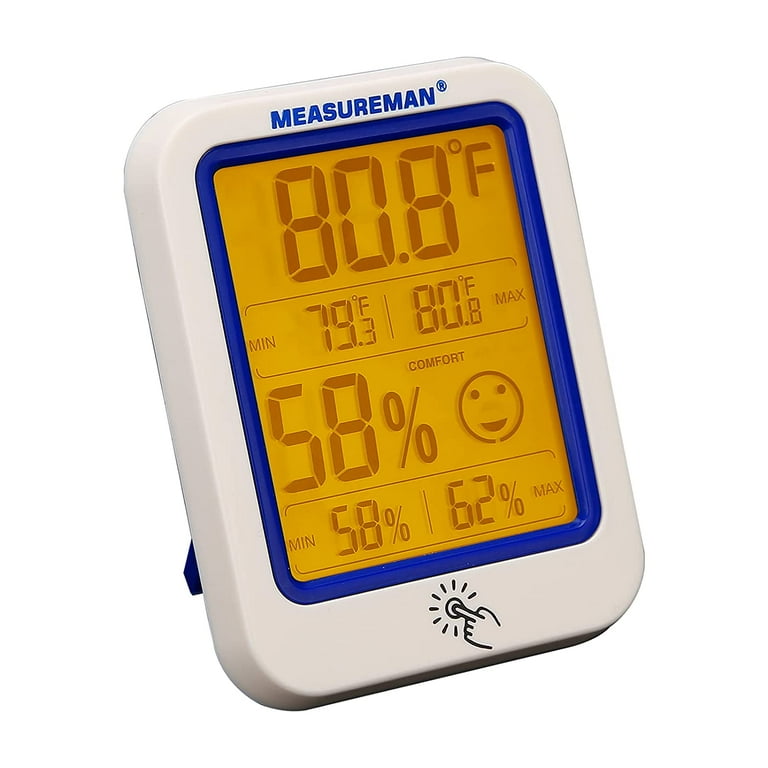
Your body shouldn’t be your only humidity gauge. Invest in a digital hygrometer ($10-15 at most hardware stores) for precise verification:
Testing Protocol:
1. Place the hygrometer in the room away from direct mist output
2. Record initial humidity reading
3. Run your humidifier for 2-4 hours
4. Check reading again—proper operation should increase humidity by 5-15%
Target Range: Maintain 30-50% relative humidity for optimal health and comfort. Below 30% indicates dry air problems; above 50% risks mold growth.
Quick Alternative Method: Fill a glass with ice water and set it in the room for 5 minutes. If condensation forms on the outside, humidity levels are adequate. A completely dry glass confirms your humidifier isn’t working.
Recognize Physical Symptoms of Failure
Your body provides early warning signs when your humidifier stops working:
Static Electricity Surge
Notice increased shocks when touching metal surfaces, petting your cat, or brushing your hair? This sudden increase in static electricity indicates humidity levels have dropped below 30%.
Respiratory Warning Signs
Frequent nosebleeds, bloody noses upon waking, or persistent dry sinuses often signal your humidifier has stopped maintaining proper moisture levels.
Skin and Furniture Changes
Cracked wood furniture, peeling paint on walls, or noticeably dry, itchy skin all indicate your humidifier isn’t doing its job. These symptoms typically appear within 48-72 hours of humidifier failure.
Prevent Common Performance Issues
Many “broken” humidifiers simply need routine maintenance. Implement these practices to ensure consistent operation:
Weekly Cleaning Protocol
1. Unplug and disassemble per manufacturer instructions
2. Soak tank and components in 1:1 white vinegar and water solution for 60 minutes
3. Scrub mineral deposits with a soft brush
4. Rinse thoroughly and air dry completely before reassembly
Water Quality Matters
Hard water accelerates mineral buildup that clogs mist output. Reduce cleaning frequency by:
– Using distilled water (cuts mineral deposits by 80%)
– Installing a demineralization cartridge
– Alternating between tap and distilled water
Filter Maintenance Schedule
– Rinse reusable filters weekly in cold water
– Replace disposable filters when visibly discolored or per manufacturer schedule
– Mark replacement dates on your calendar (typically every 1-3 months)
Troubleshoot Silent Failures
When your humidifier runs but doesn’t humidify, these fixes often resolve the issue:
Reset Electronic Units
For glitches caused by power surges:
1. Unplug completely
2. Wait five full minutes
3. Reconnect power
4. Reset settings to previous configuration
Adjust Humidity Settings
If your unit has adjustable controls but produces minimal output:
– Increase humidity level gradually
– Wait 30 minutes between adjustments
– Ensure settings exceed current room humidity (check with hygrometer)
Check for Mineral Buildup
White dust around the unit or reduced mist output despite full tank indicates mineral clogs. Perform a deep cleaning with vinegar solution and consider switching to distilled water.
When to Call Professionals
HVAC-integrated systems require professional attention when:
– Water supply checks confirm flow but unit remains inactive
– Electrical components show visible damage
– Annual maintenance is overdue (most require service every 12 months)
– Complex repairs beyond simple pad replacement are needed
Most HVAC companies service whole-house humidifiers during routine heating system maintenance, ensuring proper integration and optimal performance. For portable units with persistent issues, contact the manufacturer before attempting advanced repairs that might void warranties.
Maintaining proper humidity isn’t just about comfort—it prevents costly damage to wooden floors and furniture, reduces heating costs by making your home feel warmer at lower temperatures, and protects your respiratory health. By implementing these verification methods and maintenance practices, you’ll know immediately when your humidifier needs attention, ensuring consistent, healthy indoor air quality throughout the dry seasons. Don’t wait for uncomfortable symptoms to appear—verify your humidifier’s operation today and breathe easier knowing your home environment remains optimally humidified.