Your bedroom windows are dripping condensation again this morning. The air feels thick enough to swim through, and your hardwood floors creak like a haunted house. These aren’t just winter quirks—they’re urgent warnings that your humidifier is working too hard. Knowing exactly how to know when to turn off your humidifier prevents mold explosions, structural damage, and sleepless nights. Most homeowners overshoot safe humidity levels by 15-20%, risking $5,000+ in repairs. This guide reveals the precise visual, physical, and technological cues telling you to shut it down—before costly damage occurs. You’ll learn to spot danger signs your hygrometer misses and master seasonal adjustments for year-round safety.
Window Condensation Means Immediate Shutdown
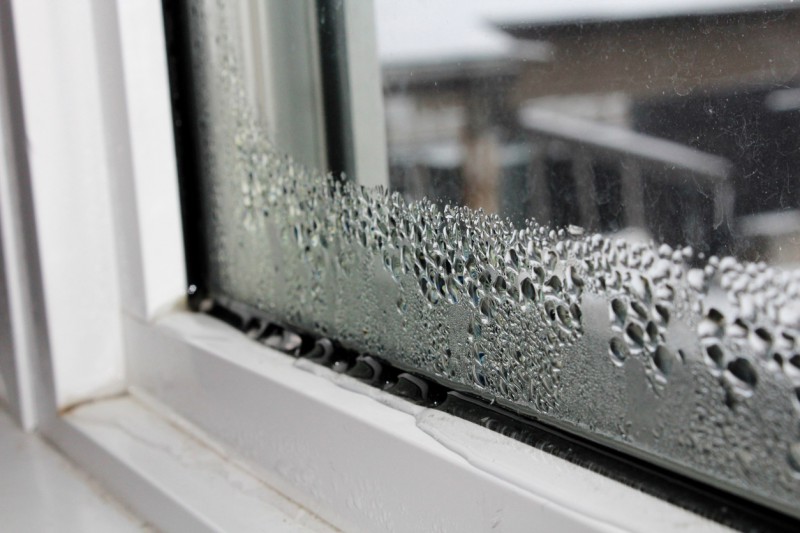
Water droplets streaming down interior windows demand instant action—this is your home’s emergency alert system. Single-pane windows fog first, starting as a milky haze that escalates to actual rivulets. Check window frames and sills: moisture pooling there confirms humidity has breached 55%, the threshold where mold spores activate within 24-48 hours. Don’t wait for puddles; condensation inside double-paned windows indicates catastrophic oversaturation requiring immediate shutdown and professional moisture inspection. Position your hygrometer 3-6 feet high near problem windows, but trust your eyes first—digital sensors can lag 30+ minutes while damage progresses.
Wall and Floor Warning Signs You’re Over-Humidifying
Peeling paint, bubbling wallpaper, or discoloration on walls are irreversible damage indicators. Hardwood floors telegraph danger through subtle gaps between planks or a “spongy” feel underfoot—shut off your humidifier the moment you notice these. White water rings on wooden furniture mean airborne moisture has hit saturation point, actively warping surfaces. For immediate assessment:
– Press your palm against interior walls—if it feels cool/damp, humidity exceeds 50%
– Run your hand along baseboards for sticky residue (early mold colonies)
– Check closet interiors where airflow is restricted (common mold hotspots)
Health Symptoms That Demand Humidifier Shutdown
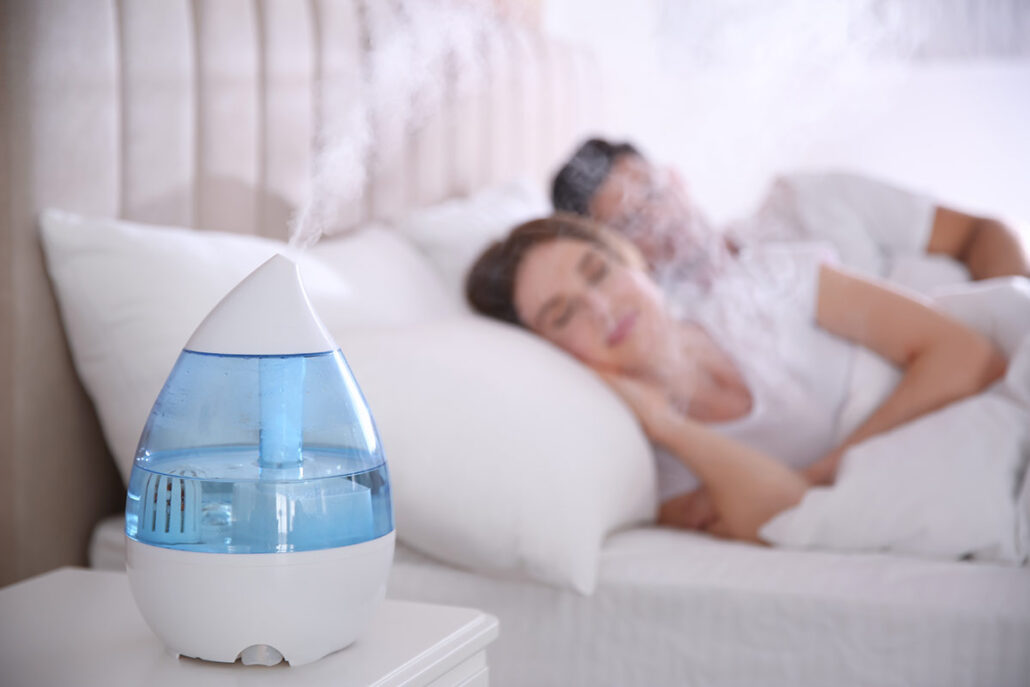
Your body detects humidity problems before instruments do. That clammy, sticky skin sensation at normal room temperatures? Your humidifier has pushed levels above 50%, creating prime conditions for dust mites (which thrive at 55%+ RH). Allergy sufferers experience sudden symptom spikes—stuffy nose, wheezing, or persistent musty odors signaling active mold growth. Infants show distress through labored breathing when humidity exceeds 50%, while asthma patients need levels below 45% to avoid attacks. Shut off your humidifier immediately if you wake with damp bedding or sleep disruption—overnight saturation damages lungs and bedding irreversibly.
Winter-Specific Humidity Danger Zones
During December-February, your humidifier requires military-grade precision. For every 10°F drop in outdoor temperature, reduce indoor humidity by 5%—at 20°F outside, cap levels at 35-40% max. Exceeding this causes hidden condensation inside wall cavities (where you can’t see mold growing). Most homeowners err by maintaining summer humidity levels in winter, triggering “ghost sweating” on cold surfaces. Use this emergency shutdown checklist when outdoor temps plummet:
– ❌ Single-pane windows fogging within 1 hour of heater startup
– ❌ Water beads on toilet tanks or cold-water pipes
– ❌ Damp spots appearing on ceilings above exterior walls
Humidifier Performance Red Flags You’re Ignoring
A healthy humidifier cycles on/off throughout the day. Continuous operation signals either an oversized unit or—more critically—your home has already reached dangerous humidity saturation. Dramatically reduced water consumption? That’s your unit telling you “mission accomplished.” Listen for these auditory warnings:
– Gurgling sounds indicating oversaturated wicks
– Dripping noises from overflow tanks
– Electrical buzzing from strained motors
Check filters weekly: green/black mold on wicks means humidity exceeds 55% and requires immediate shutdown. Never ignore water pooling beneath the unit—that’s active flooding risk demanding disconnection and floor inspection.
Smart Tech Alerts That Beat Manual Checks
WiFi hygromats with 50% humidity alerts prevent overshooting danger zones—set push notifications for real-time shutdown triggers. Smart thermostats like Ecobee or Nest track historical trends, showing how kitchen cooking or showers spike humidity (e.g., 15-minute shower = +8% RH in bathrooms). For fail-safe automation:
1. Program IFTTT applets to kill power at 50% RH
2. Place separate sensors in nurseries for infant-safe thresholds (40-50% max)
3. Review weekly humidity graphs to spot creeping saturation
Consumer hygrometers vary ±5% RH—cross-verify critical readings with the salt test: seal table salt in cup with damp paper towel inside airtight container for 6 hours (should read 75% RH). If your device shows 70% or 80%, recalibrate or replace it immediately.
Emergency Shutdown Triggers for Safety
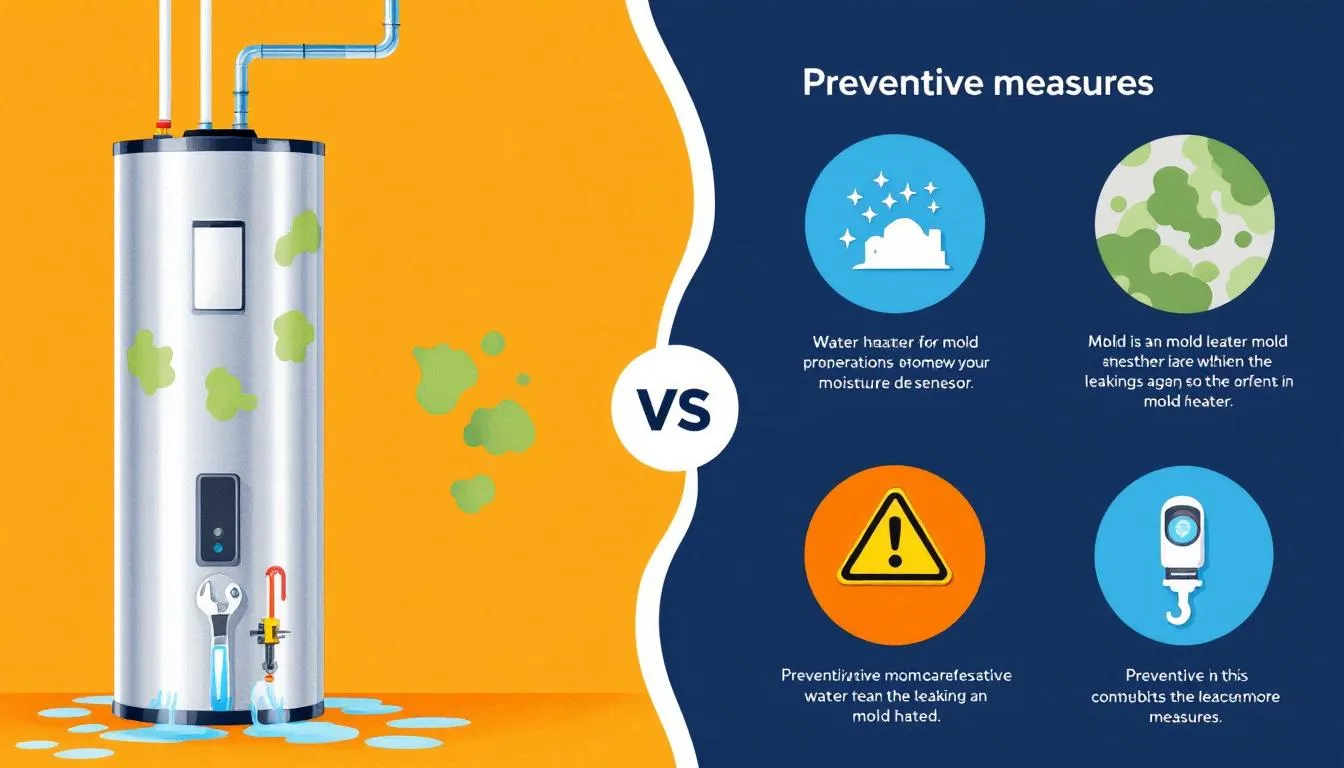
Shut off immediately and unplug if you see:
– Water leakage from tanks or hoses
– Sparks, burning smells, or electrical arcing
– Visible mold in reservoirs or vents
Persistent condensation 24+ hours after shutdown indicates hidden moisture intrusion requiring professional remediation. Structural red flags like sagging drywall, buckled flooring, or water stains mean mold has penetrated building materials—call a moisture specialist before restarting your humidifier. Health symptoms worsening despite “correct” humidity levels often reveal hidden mold colonies in ducts or walls.
Room-Specific Shutdown Rules You’re Missing
Bedrooms need stricter monitoring: morning window condensation means overnight levels exceeded 45%. Reduce settings by 5% and reassess—damp bedding directly causes allergy flare-ups. Kitchens require automatic shutdown during cooking (boiling water adds 10-15% RH instantly). Basements tolerate up to 50% humidity but need double the monitoring due to poor airflow; switch to dehumidifiers when outdoor temps hit 60°F.
Maintenance Shutdowns That Prevent Disaster
Empty reservoirs daily—this 2-minute pause prevents bacterial growth that thrives above 40% humidity. Weekly deep cleaning requires 2-4 hours of shutdown while components soak in vinegar. Never skip end-of-season shutdown (typically March/April): clean thoroughly, dry completely, and store in breathable bags. Restarting a moldy unit after storage floods your home with pathogens—always sanitize before first seasonal use.
Calibration Checks That Save Your Home
Verify hygrometer accuracy monthly using the ice water test: fill sealed container with ice water, insert sensor for 30 minutes (should read 100% RH). If it shows 95% or 105%, your readings are dangerously inaccurate. Place multiple sensors in critical zones—nurseries need medical-grade units (±2% accuracy) versus standard ±5% models. Move sensors away from vents or windows; placement near heat sources skews readings by 10-15% RH.
Your humidifier isn’t a set-it-and-forget appliance—it’s a precision instrument requiring constant vigilance. By acting on these nine shutdown triggers, you’ll maintain the 35-45% humidity sweet spot for health and home safety. Remember: when window condensation appears, turn it off immediately. It takes 72 hours to remediate mold but only 10 seconds to flip the power switch. For ongoing protection, pair your humidifier with a smart dehumidifier to auto-correct seasonal shifts—your floors, lungs, and wallet will thank you.