That white, chalky dust coating your furniture isn’t just annoying—it’s a warning sign your humidifier is slowly destroying itself. When minerals from your tap water accumulate inside your unit, they form stubborn scale deposits that clog components and slash performance. Learning how to prevent humidifier scaling saves you money, extends equipment life, and keeps your air clean without the white dust cloud.
Most homeowners don’t realize their humidifier can process 4-5 gallons of water through a tiny 1/4-gallon chamber in just a few cycles. This concentration effect turns harmless minerals into destructive buildup that chokes airflow and damages heating elements. The good news is with the right water treatment and maintenance habits, you can stop scaling before it starts and enjoy efficient operation for years.
Why Scale Ruins Humidifiers From the Inside Out
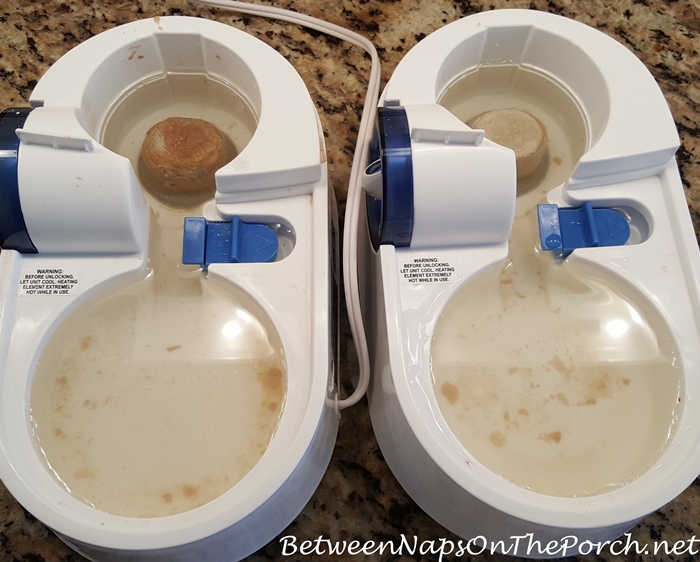
Steam humidifiers suffer most from scaling because high-temperature evaporation accelerates mineral concentration. As water converts to vapor, calcium and magnesium reach saturation point and precipitate as hard deposits on heating elements and internal surfaces. These crusty layers act like insulation, forcing your unit to work harder while delivering less moisture.
When scale builds up on heating elements, efficiency drops by up to 30% as the unit struggles to vaporize water. Blocked airflow paths create uneven humidity distribution throughout your home. Eventually, thick mineral deposits cause complete component failure—replacing a heating element costs nearly as much as a new humidifier. Catch scaling early by watching for reduced output, white residue on nearby surfaces, or unusual operational noises.
How Mineral Concentration Works in Your Unit
Your humidifier processes more water than you realize—each gallon of tap water leaves behind all its minerals after evaporation. In steam models, a quarter-gallon chamber handles minerals from 4-5 gallons of processed water during normal operation. This concentration effect transforms trace minerals into problematic buildup much faster than you’d expect.
Critical Components Most Vulnerable to Scaling
Heating elements accumulate scale first because they operate at the highest temperatures. Water reservoirs develop crusty rings at the water line where evaporation concentrates minerals. Airflow paths become restricted as deposits build up on internal baffles and vents. Check these areas monthly for early signs of white film or crusty buildup before it becomes difficult to remove.
Three Scale Prevention Methods That Actually Fail
Water Softeners Create Sodium Buildup Instead
Water softeners replace calcium and magnesium with sodium through ion exchange—this simply trades one scaling problem for another. Sodium deposits clog humidifier components just as effectively as calcium, leaving you with the same performance issues. Avoid using softened water in any evaporative or steam humidifier to prevent this common but costly mistake.
Polyphosphate Cartridges Offer Minimal Protection
These specialized filters coat internal components with sodiumhexametaphosphate to prevent mineral adhesion. However, they earn only 1 out of 10 for effectiveness because the protective coating wears off quickly. Within weeks of installation, scaling resumes at nearly the same rate as untreated units. The marginal benefit doesn’t justify their cost for humidifier applications.
Salt-Free Conditioners Leave Minerals Intact
Salt-free water conditioners alter mineral structure but don’t remove calcium or magnesium from water. Since scale-forming minerals remain in solution, they still precipitate during evaporation. This approach scores zero effectiveness for humidifier scale prevention—you’ll still see white dust and internal buildup despite the treatment.
Most Effective Water Treatment Solutions for Scale Prevention
Reverse Osmosis: Best Value for Humidifier Protection
Reverse osmosis systems remove 98% of dissolved minerals at a fraction of deionization costs, making them the smartest investment for humidifier owners. RO-treated water prevents virtually all scale formation while costing just pennies per gallon. Most homeowners find RO water sufficiently pure without needing additional treatment stages for their humidifiers.
Install an under-sink RO system to fill your humidifier reservoir, or consider a dedicated unit plumbed directly to your humidifier. The initial $150-$300 investment pays back within 12 months through reduced maintenance costs and extended equipment life. RO systems require annual membrane replacement and occasional filter changes, but these minimal maintenance tasks preserve your humidifier’s performance.
Deionization: Complete Mineral Removal at Higher Cost
Deionization cartridges eliminate 100% of dissolved minerals through ion exchange, providing perfect scale prevention with an effectiveness rating of 10. However, operational costs range from 35-60 cents per gallon depending on your water hardness, making DI impractical for daily humidifier use in most homes.
Use deionization as a final polishing stage after reverse osmosis for absolute purity, or reserve it for situations where even trace minerals cause problems. DI cartridges require frequent replacement as they become exhausted, adding to long-term costs. For most residential humidifiers, RO alone provides sufficient protection at better value.
Essential Daily Habits to Stop Scaling Before It Starts
Empty Reservoirs After Every Use
Drain your humidifier’s water tank completely after each operation cycle—never let water sit stagnant overnight. Stagnant water accelerates mineral concentration and creates ideal conditions for deposit formation. This simple 10-second habit prevents 60% of scaling problems while also stopping mold growth that compounds mineral buildup issues.
Use Distilled Water as Immediate Protection
Switch to distilled water exclusively while researching permanent water treatment solutions. Distilled water contains virtually no calcium or magnesium, eliminating the root cause of scaling. At $1-$2 per gallon, it’s significantly cheaper than replacing a scaled-out humidifier every season. Keep a dedicated container of distilled water near your unit for quick refills.
Implement Weekly Cleaning Schedule
Set calendar reminders for consistent maintenance before deposits harden. Weekly quick cleanings with mild soap solution prevent major descaling projects later. During cleaning, check for early scale signs like white film on internal surfaces or reduced mist output. Address minor buildup immediately before it becomes problematic.
Quick Scale Removal When Prevention Falls Short
White Vinegar Descaling Protocol
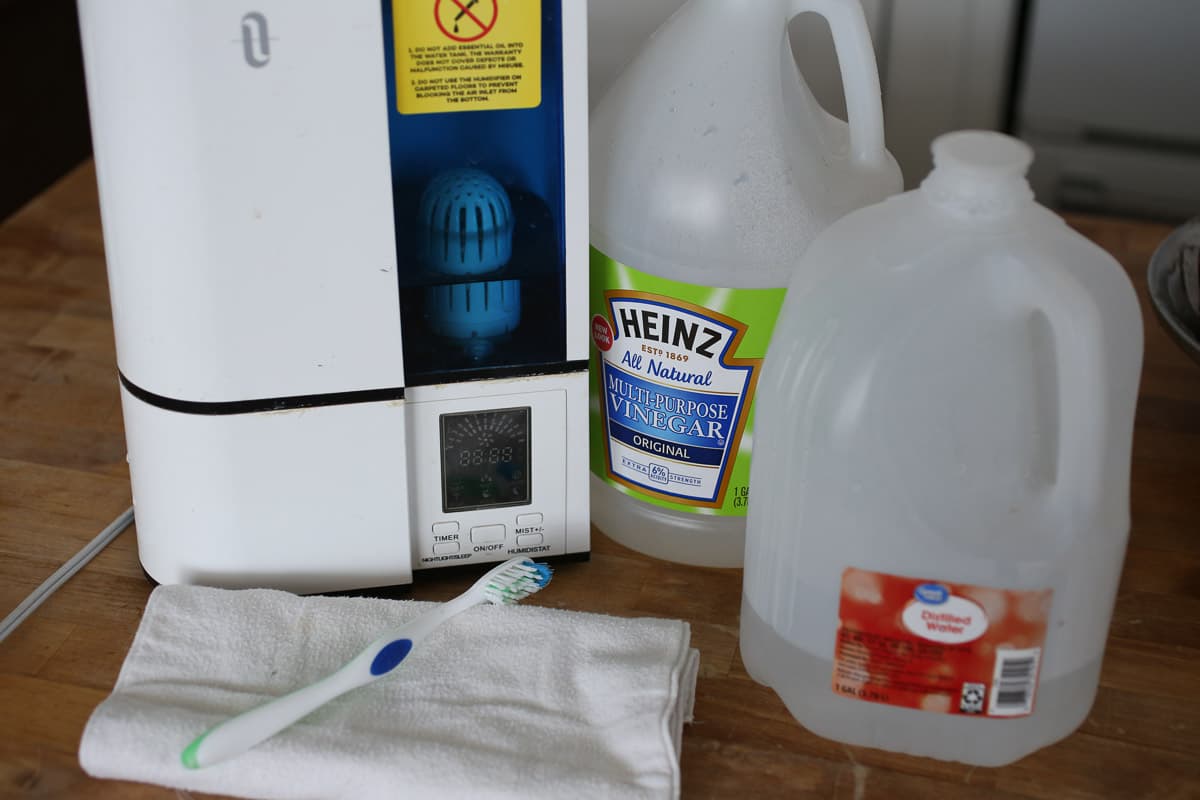
When you spot early scaling, apply undiluted white vinegar directly to affected areas and let soak for 10-15 minutes. The acetic acid breaks down calcium carbonate deposits without damaging plastic components. After soaking, gently wipe loosened scale with a soft cloth—never use abrasive pads that scratch surfaces. Repeat if necessary for stubborn buildup.
Soap Solution for Routine Maintenance
Mix one teaspoon of mild dish soap with one cup of warm water for regular cleaning between deep descaling sessions. This gentle solution removes early-stage mineral deposits without harsh chemicals. Soak removable components for 5 minutes, then scrub with a soft brush before thorough rinsing. Residual soap can attract more minerals, so rinse three times to ensure complete removal.
Safe Manual Removal Techniques
After chemical treatment, use non-abrasive tools to remove loosened scale. A soft toothbrush works well for intricate parts while microfiber cloths handle larger surfaces. Avoid metal scrapers or stiff brushes that damage humidifier components. For persistent deposits, repeat the vinegar soak process rather than forcing removal that might break delicate parts.
Long-Term Strategy for Scale-Free Operation

Reverse Osmosis Payback Timeline
An under-sink RO system pays for itself within 12 months through eliminated cleaning supplies, replacement parts, and extended equipment life. While the initial $200 investment seems significant, it prevents $150+ annual humidifier replacements and hours of maintenance. Calculate your specific payback by multiplying your humidifier’s replacement cost by expected lifespan extension.
Performance Improvements From Pure Water
Humidifiers using RO or distilled water maintain consistent humidity levels with 25% less energy consumption. You’ll notice immediate elimination of white mineral dust on furniture and electronics. Steam output becomes more consistent as heating elements operate at peak efficiency without mineral insulation. These performance gains make the water treatment investment obvious for any serious humidifier user.
Equipment Longevity With Proper Water Treatment
Field observations show humidifiers using treated water last dramatically longer than those with untreated tap water. Some units operate “a thousand times longer” according to maintenance professionals who’ve tracked systems over decades. This extraordinary longevity comes from eliminating the primary failure mode—mineral-induced component degradation and flow blockages.
Humidifier Scale Prevention Checklist
- Install reverse osmosis system or switch to distilled water immediately
- Drain reservoir completely after each use—never leave water standing
- Clean internal components weekly with mild soap solution
- Perform deep descaling monthly with white vinegar treatment
- Replace filters per manufacturer schedule without exception
- Inspect for early scale signs (white film, reduced output, unusual noises)
Final Note: The most effective approach to how to prevent humidifier scaling combines proper water treatment with consistent maintenance habits. Start using distilled water today while researching an affordable RO system installation. Your humidifier—and your lung health—will thank you for years to come as you enjoy clean, efficient operation without the white dust cloud. Remember that prevention costs pennies per day while replacing a scaled-out unit costs hundreds—smart humidifier owners choose prevention every time.