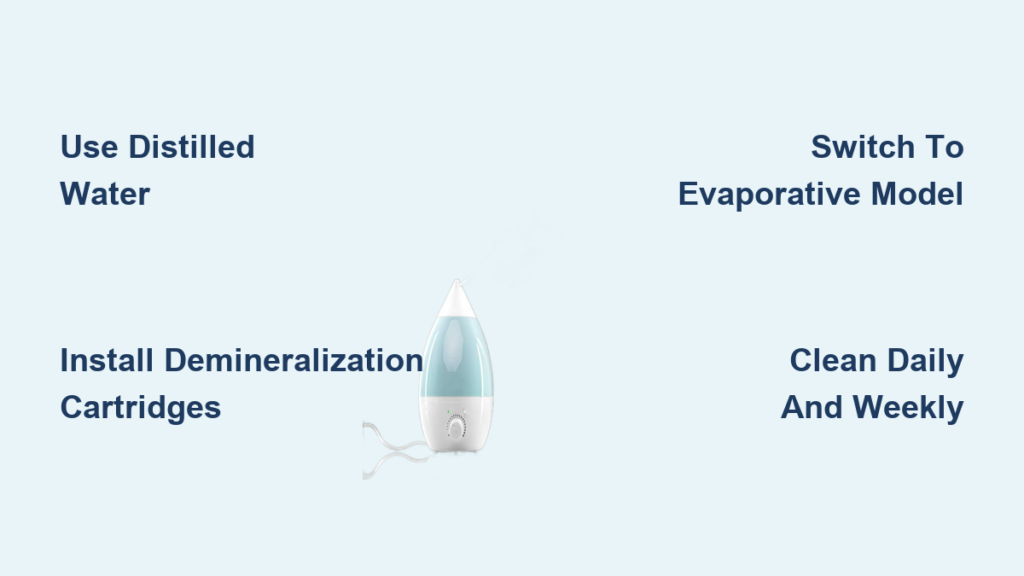
That fine white powder coating your furniture and electronics isn’t mysterious—it’s mineral residue from your humidifier. Every time you see this white dust, your device is essentially spraying calcium and magnesium throughout your home while potentially clogging your HVAC system. The good news? You can eliminate this problem completely with the right approach. Understanding how to stop white dust from humidifier units is crucial for protecting both your health and your home’s expensive mechanical systems.
This invisible problem creates visible consequences almost immediately. Within days of using hard water in your humidifier, you’ll notice white residue on surfaces near the unit. Left unaddressed, this mineral dust infiltrates your entire living space, settling on electronics, furniture, and even inside your HVAC system. By implementing the right strategies today, you’ll enjoy cleaner air, healthier breathing conditions, and significantly extend the life of your heating and cooling equipment.
What Causes White Dust Buildup
White dust forms when hard water minerals become airborne through humidification. As water vaporizes, calcium and magnesium particles separate from the water molecules and settle throughout your home. This process intensifies with ultrasonic and cool mist humidifiers, which create the finest water particles that easily carry minerals into your indoor air.
Mineral Content in Water Sources
- Hard water: Contains high levels of calcium and magnesium that vaporize into dust
- Tap water: Typically contains enough minerals to create noticeable residue
- Well water: Often has even higher mineral concentrations than municipal supplies
Humidifier Types That Create Dust
- Ultrasonic models: Use high-frequency vibrations to create mist, dispersing minerals efficiently
- Cool mist units: Force water through wicks or diffusers, carrying mineral particles along
- Warm mist versions: Less problematic but can still produce residue with very hard water
Health Risks Beyond Dust
While white dust itself isn’t classified as a serious health threat, the process that creates it can disperse harmful microorganisms. When humidifiers vaporize water containing bacteria or mold, these pathogens become airborne and breathable. The EPA specifically warns against using untreated tap water in ultrasonic and cool mist humidifiers due to microorganism dispersal risks.
Respiratory Concerns
- Lung inflammation: Breathing contaminated mist can trigger respiratory issues
- Bacterial exposure: Standing water breeds harmful microorganisms that become airborne
- Mold spores: Can colonize in humidifier tanks and spread throughout rooms when dispersed
HVAC System Damage Timeline

White dust doesn’t just coat surfaces—it systematically destroys your heating and cooling system. The damage occurs faster than most homeowners realize, with filters clogging dramatically sooner than expected.
Filter Failure Schedule
- 1-inch filters: Plug completely within days when white dust is present
- 5-inch filters: Last only 1-2 months instead of the expected year
- Standard lifespan: 60-90 days for basic filters, annually for premium ones
System Stress Indicators
- Restricted airflow: Creates pressure similar to blocking a garden hose
- Overheating components: Motor and heat exchanger work harder
- Frozen AC coils: Reduced airflow causes ice formation and water damage
- Electronic failures: Dust infiltrates sensitive components
Eliminate Dust With Distilled Water
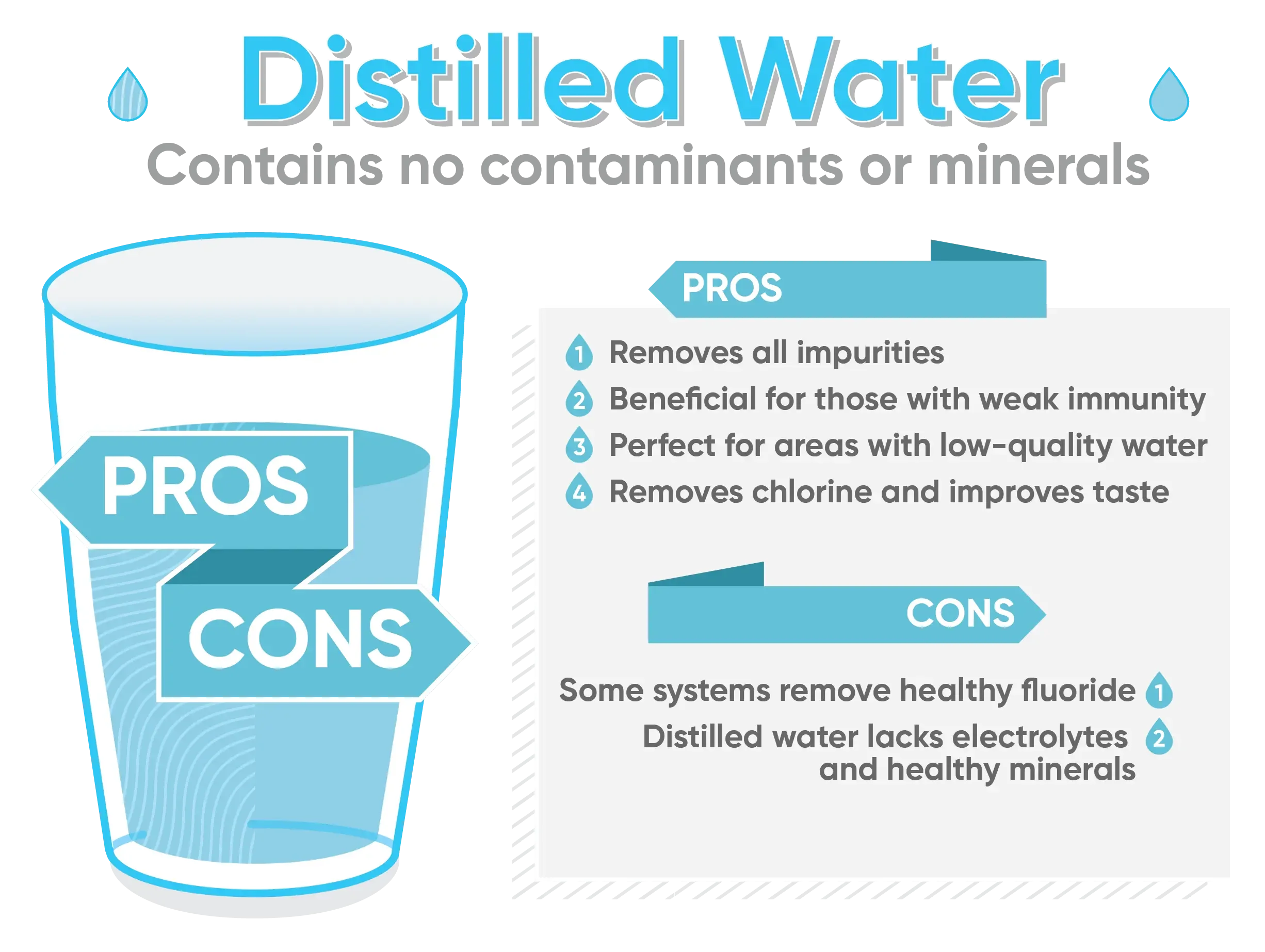
Using distilled water represents the simplest, most effective solution for white dust elimination. Distillation removes virtually all minerals, preventing dust formation entirely. This approach addresses the root cause rather than just treating symptoms.
Cost-Benefit Analysis
- Gallon of distilled water: $1-2 at most stores
- HVAC filter replacement: $15-50 every few days vs. months
- Furniture cleaning time: Hours saved weekly from constant dusting
Storage Tips
- Bulk purchasing: Buy 5-gallon containers for cost savings
- Safe storage: Keep sealed containers away from direct sunlight
- Weekly planning: Calculate usage to avoid last-minute store runs
Install Demineralization Cartridges
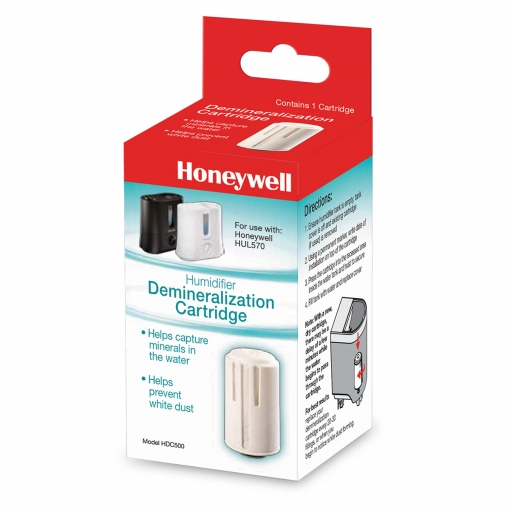
Many modern humidifiers accept specialized cartridges that remove minerals before water dispersal. These built-in solutions provide convenience without requiring daily water purchases.
Cartridge Types
- Demineralization cassettes: Slide into water reservoir
- Mineral-absorbing filters: Replace monthly for best performance
- Built-in systems: Some models include permanent demineralizers
Replacement Schedule
- Standard cartridges: Replace every 30-40 fillings
- Premium filters: Last 2-3 months under normal use
- Indicator systems: Some models alert when cartridges need changing
Switch to Evaporative Technology
Evaporative humidifiers naturally prevent white dust through their operating mechanism. Instead of vaporizing water, they use fans to blow air through moistened wicks.
How Evaporative Systems Work
- Wick absorption: Water saturates replaceable wicks
- Air circulation: Fan blows dry air through moist wick
- Natural evaporation: Water vapor releases without minerals
Maintenance Requirements
- Wick replacement: Every 1-3 months depending on water quality
- Weekly cleaning: Rinse wick and reservoir to prevent mold
- Seasonal storage: Dry completely before storing
Install Whole-House Solutions
Whole-home humidifiers connect directly to your HVAC system, eliminating portable unit problems while providing consistent humidity throughout your home. These systems represent only 4% of the residential market but offer superior performance for serious humidity control needs.
System Types
- Bypass humidifiers: Use furnace airflow, require duct modification
- Fan-powered units: Independent operation, higher capacity
- Steam systems: Generate pure water vapor, zero mineral dispersal
Professional Installation Benefits
- Proper sizing: Covers up to 6,000 square feet efficiently
- Automatic control: Humidistat maintains optimal levels
- Direct water connection: No tank filling required
- Annual maintenance: Professional service ensures peak performance
Daily Maintenance Protocol
Preventing microorganism growth requires consistent daily attention, regardless of white dust concerns. The EPA recommends specific maintenance steps to keep your humidifier operating safely.
Quick Daily Steps
- Empty tank completely every morning
- Wipe all surfaces with clean cloth
- Refill with fresh distilled water
- Check for film or residue formation
Weekly Deep Cleaning
- Unplug unit before any maintenance
- Disassemble completely following manufacturer instructions
- Scrub interior with soft brush or sponge
- Rinse thoroughly to remove cleaning residue
- Dry completely before reassembly
Monitor Filter Performance
Your HVAC filter serves as the canary in the coal mine for white dust problems. Regular inspection helps catch issues before they cause system damage.
Inspection Schedule
- Weekly checks during humidifier season
- Visual inspection for white coating or rapid clogging
- Airflow test: Reduced flow indicates filter saturation
Replacement Best Practices
- Mark installation date on filter edge with permanent marker
- Track usage patterns to predict replacement needs
- Stock spare filters for immediate changes
- Upgrade to higher capacity if frequent changes required
Test Your Water Quality
Understanding your water’s mineral content helps predict white dust severity and select the most appropriate solution for your specific situation.
Simple Testing Methods
- Home test strips: Available at hardware stores for quick assessment
- Professional testing: Provides accurate mineral analysis
- Local water reports: Municipal data available online
Hard Water Indicators
- Soap scum buildup in sinks and tubs
- Spotty dishes after washing
- Stiff laundry after washing
- Scale deposits on faucets
Prevent Future Problems
Long-term white dust prevention combines proper humidifier selection with consistent maintenance habits. The right strategy eliminates both the visible dust and hidden dangers to your HVAC system.
Technology Selection Guide
- First choice: Whole-house steam humidifier
- Second choice: Evaporative portable unit
- Avoid: Ultrasonic models without demineralization
Maintenance Calendar
- Daily: Empty and refill with distilled water
- Weekly: Deep clean all components
- Monthly: Replace filters or cartridges
- Seasonally: Professional whole-house system service
White dust from humidifiers creates more than cleaning hassles—it threatens your expensive HVAC system while potentially impacting your health. By switching to distilled water, upgrading to appropriate technology, and maintaining consistent cleaning schedules, you eliminate both the visible dust and hidden dangers. Your furniture stays clean, your air stays healthy, and your HVAC system operates efficiently for years to come. Implement these how to stop white dust from humidifier strategies today to protect your home and health from this pervasive problem.