Waking up in the middle of the night with a dry, hacking cough that won’t let you sleep? You’re not alone. Millions struggle with nighttime coughs triggered by dry indoor air, especially during winter months when heating systems strip moisture from every room. A properly used humidifier can transform your breathing comfort within hours, but only if you know exactly how to harness its therapeutic power.
This guide walks you through the precise steps to use a humidifier effectively for cough relief, from selecting the right settings to avoiding common mistakes that can worsen your symptoms. You’ll learn the science behind why humidified air works, plus the critical maintenance steps most people skip that determine whether your device helps or harms your recovery.
How Humidifiers Stop Coughing Instantly
Moisture Coats Irritated Airways
When your humidifier releases water vapor into dry air, you’re creating an invisible protective shield for your respiratory system. This moisture layer immediately reduces the friction between inflamed tissues in your throat and nasal passages, calming the hypersensitive cough receptors that fire constantly in dry conditions. Think of it like applying a soothing balm to sunburned skin—the relief starts within minutes of exposure.
Your body’s natural defense mechanism triggers coughing when airway tissues become too dry and irritated. Proper humidity levels prevent this reaction by keeping these tissues optimally moistened. This is why many people experience immediate relief when they start using a humidifier correctly—the constant tickle in the throat that triggers coughing simply disappears as moisture restores the natural protective barrier.
Thins Stubborn Mucus
Dry air transforms normal respiratory secretions into thick, sticky mucus that’s nearly impossible to clear. Your humidifier prevents this dehydration process, keeping mucus at the optimal consistency for your body’s natural cleaning mechanisms. The cilia—tiny hair-like structures lining your airways—can then effectively sweep mucus upward and out, reducing the need for forceful coughing to clear your chest.
This mucus-thinning effect is particularly valuable for productive coughs where you’re trying to expel phlegm. Without adequate humidity, mucus becomes viscous and difficult to dislodge, leading to repeated, unproductive coughing fits that only further irritate your throat. Proper humidification transforms this cycle, making each cough more effective at clearing your airways.
Restores Natural Breathing Patterns
Mouth breathing caused by stuffy nasal passages exposes your throat to even drier air, creating a vicious cough cycle. Proper humidity levels open nasal passages, allowing you to breathe naturally through your nose. This nasal breathing humidifies incoming air more effectively than mouth breathing, preventing the throat irritation that triggers additional coughing.
When your nasal passages function properly, you avoid the dry throat that comes from mouth breathing during sleep. This is crucial because nighttime coughing often starts with nasal congestion that forces you to breathe through your mouth, drying out your throat and triggering coughing fits that wake you up repeatedly throughout the night.
Setting Up Your Humidifier for Maximum Cough Relief

Choose Strategic Room Placement
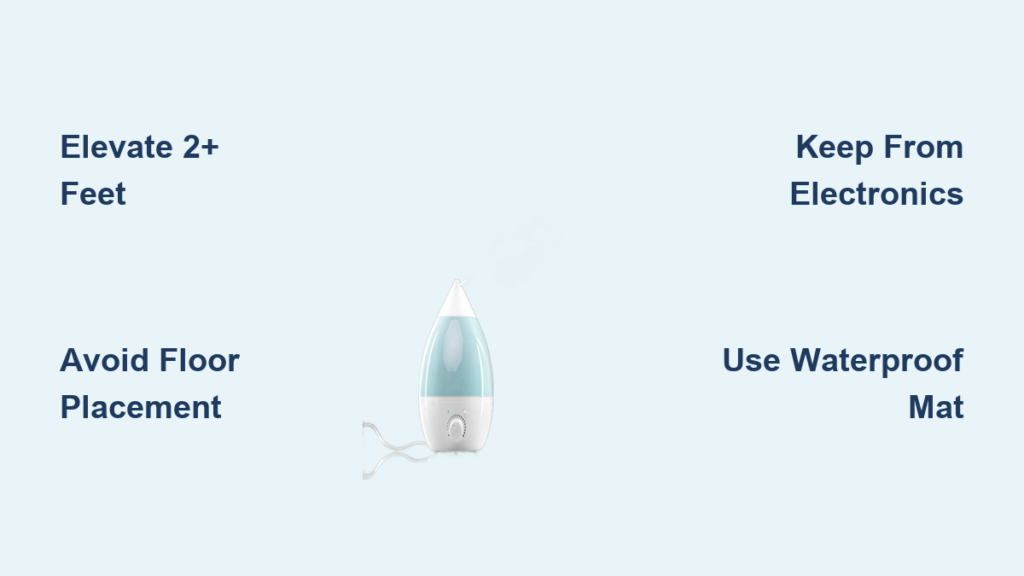
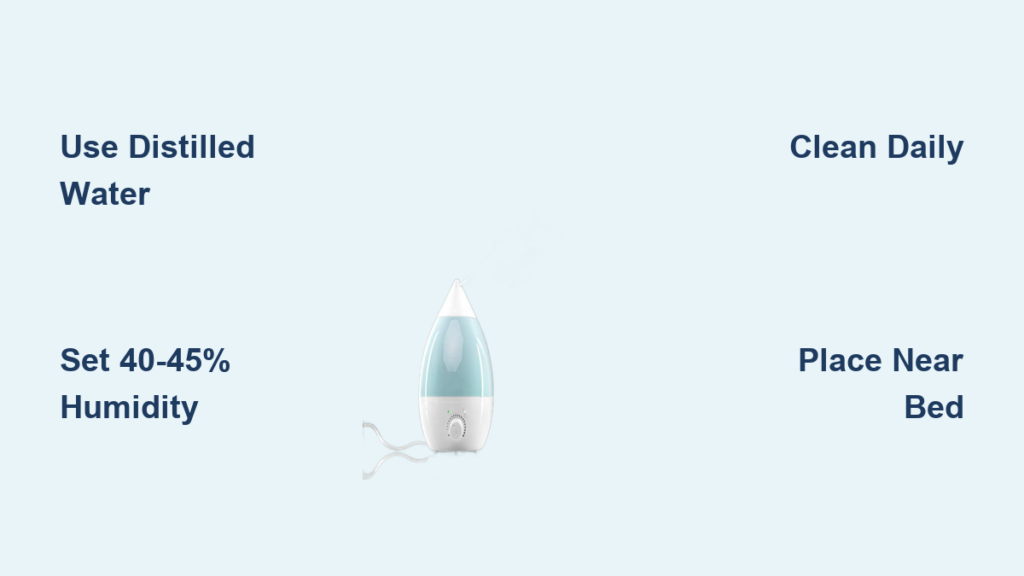
Position your humidifier 3-4 feet from your bed or main seating area, elevated on a stable surface at least 2 feet above the floor. This placement ensures optimal moisture distribution while preventing condensation from settling on bedding or furniture. Avoid corners where air circulation is limited, and never place units directly on carpet where accidental spills can cause mold issues.
Your humidifier needs proper airflow to distribute moisture evenly throughout the room. Placing it too close to walls or furniture creates dead zones where humidity doesn’t reach, while positioning it too far from your sleeping area means you won’t benefit from the moistened air where it matters most. The ideal spot allows mist to circulate freely without directly hitting surfaces where condensation could form.
Fill With Proper Water Type
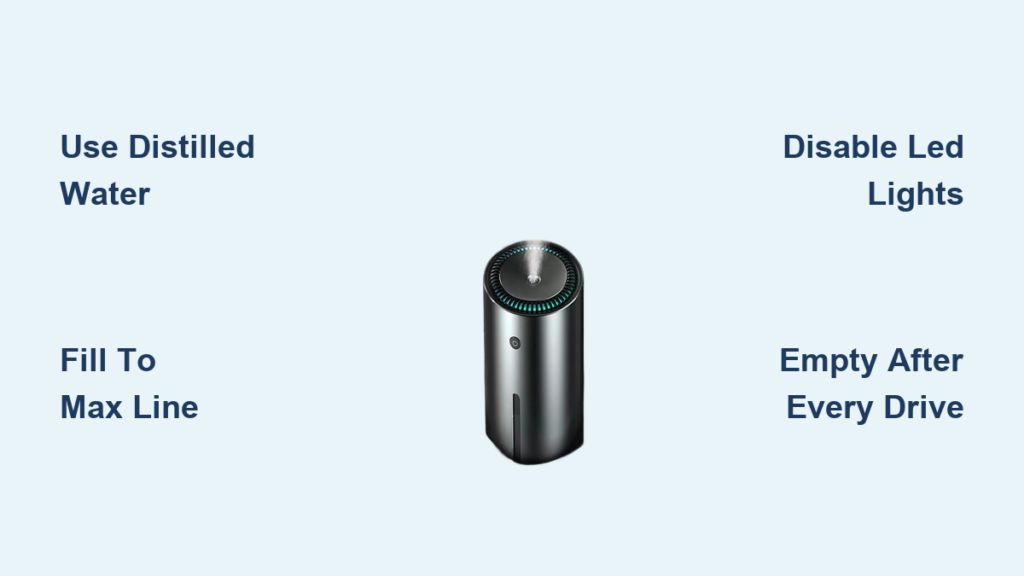
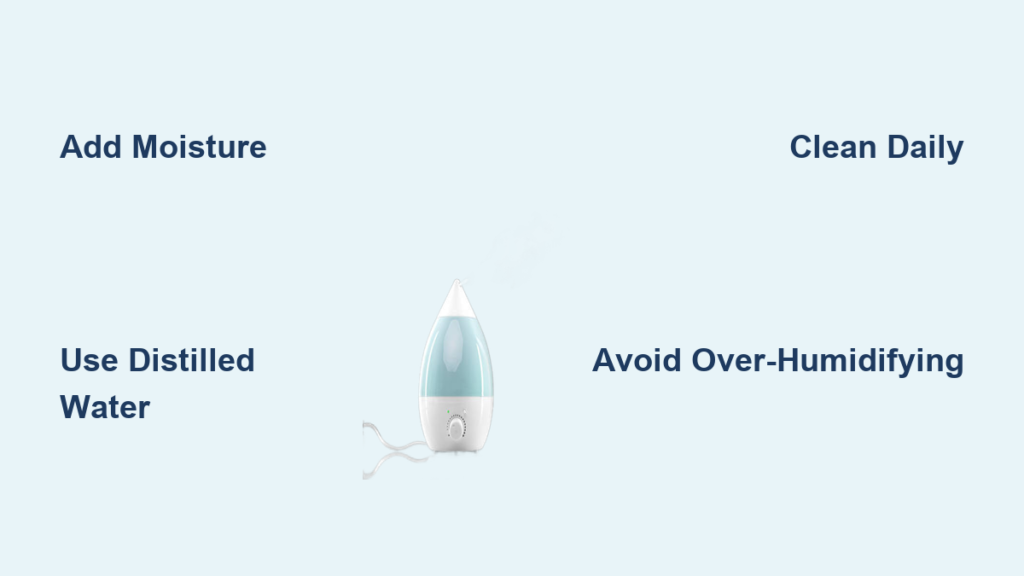
Always use distilled or demineralized water in your humidifier tank. Tap water contains minerals that create white dust particles when dispersed, potentially irritating already-sensitive airways. These minerals also accumulate inside your machine, reducing efficiency and creating breeding grounds for harmful microorganisms that could worsen your cough.
Hard water areas pose particular challenges, as the high mineral content creates more white dust that settles on surfaces and potentially enters your lungs. This dust can further irritate inflamed airways, triggering additional coughing. If you must use tap water temporarily, consider installing a demineralization cartridge, but distilled water remains your best option for therapeutic cough relief.
Set Optimal Humidity Levels
Target 40-45% humidity for cough relief—high enough to soothe irritated tissues but low enough to prevent mold growth. Use a digital hygrometer to monitor levels accurately, as built-in humidistats often provide unreliable readings. During initial use, check levels every 2-3 hours until you establish the correct setting for your specific room size and season.
Many users make the critical mistake of setting humidity too high, not realizing they’re creating conditions favorable for mold and dust mites. Humidity above 50% can actually worsen respiratory symptoms despite providing initial relief. The sweet spot for cough relief without health risks falls squarely in that 40-45% range—enough moisture to soothe airways without promoting biological contaminants.
Daily Operation for Maximum Cough Relief
Nighttime Relief Protocol
Start your humidifier 30 minutes before bedtime to establish proper humidity levels before you lie down. Run continuously throughout the night, as this is when cough symptoms typically peak due to natural changes in breathing patterns and reduced swallowing that normally keeps throats moist. Position the unit so the mist flows toward your breathing zone without creating condensation on your pillow.
This preemptive approach ensures you’re breathing optimally humidified air from the moment you begin sleeping, preventing the dry throat that often wakes you up 2-3 hours into the night. Continuous operation maintains consistent humidity levels, avoiding the fluctuations that can trigger coughing as your body reacts to changing moisture conditions.
Monitor for Over-Humidification
Watch for warning signs of excessive moisture: condensation on windows, damp feeling in bedding, or musty odors. Over-humidification can trigger mold growth and dust mite proliferation, potentially worsening respiratory symptoms. If humidity exceeds 50%, reduce the mist output immediately and increase room ventilation.
These visual and sensory cues provide immediate feedback about your humidity levels. Don’t wait for symptoms to worsen—address over-humidification as soon as you notice these signs. Keeping your bedroom window slightly cracked (even in winter) can help balance humidity levels while maintaining therapeutic benefits for your cough.
Adjust for Room Conditions
Increase humidifier output during extremely cold weather when heating systems work hardest, and decrease settings during milder periods. Larger rooms require higher settings or longer operation times to achieve therapeutic humidity levels. Consider using multiple smaller units in open-concept spaces rather than one oversized unit.
Your humidifier settings aren’t “set and forget”—they require seasonal and daily adjustments based on outdoor conditions and indoor heating use. During deep winter when indoor air becomes extremely dry, you may need to run your humidifier at higher settings to reach that therapeutic 40-45% range. Conversely, during spring and fall when humidity naturally rises, you’ll need less output to maintain optimal levels.
Cleaning Protocol Prevents Health Risks
Daily Water Maintenance
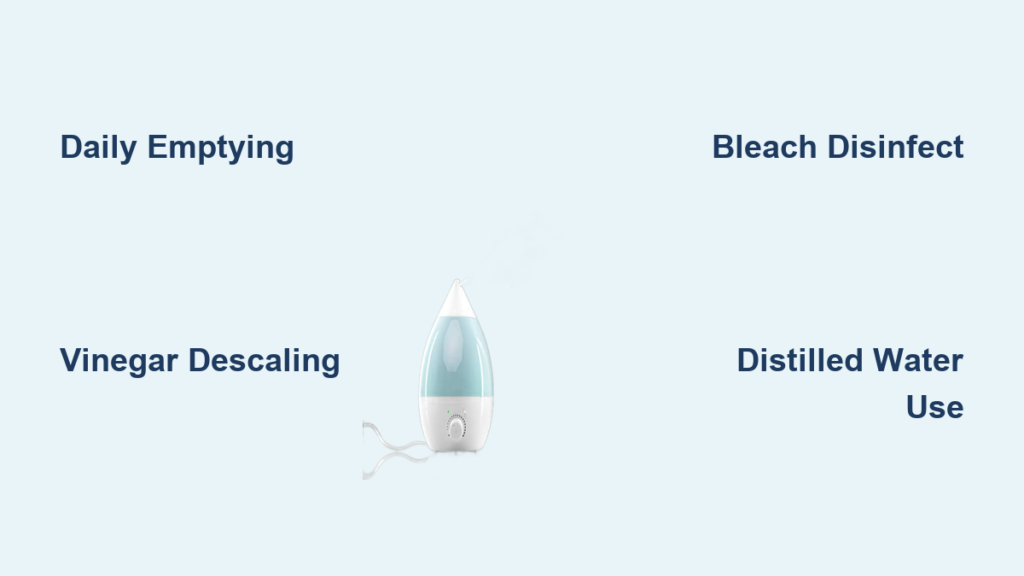
Empty the tank completely every 24 hours, even if water remains. Stagnant water becomes a breeding ground for bacteria and mold within 48-72 hours, potentially dispersing harmful microorganisms directly into your breathing space. Rinse the tank with warm water and refill with fresh distilled water each day you’re using it for cough relief.
This simple daily habit is the single most important factor in ensuring your humidifier helps rather than harms your cough. Dirty humidifiers can actually worsen respiratory symptoms by introducing contaminants into the very air you’re trying to clean. Think of it as changing your water filter daily—without this step, you’re breathing potentially contaminated mist that could trigger more coughing.
Weekly Deep Cleaning Process
Disassemble your humidifier completely once per week for thorough sanitization. Soak all water-contact parts in a solution of 1 teaspoon bleach per gallon of water for 20 minutes, then rinse thoroughly and air-dry. This prevents biofilm formation that harbors bacteria and ensures your device continues providing therapeutic moisture rather than harmful contaminants.
Most humidifier problems stem from inadequate cleaning. That slimy film you sometimes see inside tanks isn’t just unsightly—it’s a thriving colony of microorganisms that gets aerosolized and inhaled. Weekly deep cleaning disrupts this cycle, keeping your humidifier functioning as the therapeutic tool it’s meant to be rather than becoming a source of respiratory irritation.
Common Mistakes That Worsen Coughing

Ignoring Mineral Buildup
White crusty deposits inside your humidifier indicate mineral accumulation that reduces efficiency and potentially releases irritating particles. Soak affected parts in white vinegar for 30 minutes, then scrub gently with a soft brush. Rinse thoroughly before resuming use—vinegar residue can trigger additional coughing in sensitive individuals.
This maintenance step often gets overlooked but directly impacts your cough relief. Mineral deposits not only reduce your humidifier’s effectiveness but can also flake off into the mist, creating airborne particles that irritate already-sensitive airways. Regular descaling ensures you’re getting pure moisture without additional irritants.
Setting Humidity Too High
Many users mistakenly believe “more is better” when it comes to humidity. Levels above 55% create ideal conditions for dust mites and mold, common triggers for allergy-related coughing. If your windows fog up or bedding feels damp, your settings are dangerously high. Reduce output immediately and ventilate the room.
This counterintuitive mistake turns a potential solution into a problem. While you might feel immediate relief from higher humidity, the long-term consequences often worsen cough symptoms through increased biological contaminants. Stay disciplined with that 40-45% target—your cough will thank you within days.
Integrate With Other Cough Treatments
Combine Hydration Strategies
Drink warm liquids throughout the day while using your humidifier to attack cough from multiple angles. Warm tea, broth, or water helps thin mucus internally while humidified air works externally on your airways. This dual approach provides faster relief than either method alone.
This synergistic strategy addresses coughing from both inside and outside your body. While the humidifier keeps your airways moistened from the air you breathe, internal hydration ensures your respiratory secretions remain at optimal consistency. The combination creates a comprehensive approach to cough management that targets multiple aspects of the problem simultaneously.
Time Medication Effectively
Use your humidifier 15-20 minutes before taking cough suppressants or expectorants. Moist airways absorb medications more effectively, potentially enhancing therapeutic effects. Never add medications directly to humidifier water—this creates inconsistent dosing and can damage your device.
This timing technique maximizes your medication’s effectiveness by preparing your airways for optimal absorption. The moistened tissues create better conditions for medications to work, potentially allowing you to use lower doses while achieving better results. Just remember—your humidifier is for water only, not medication delivery.
Key Takeaway: A properly maintained humidifier operating at 40-45% humidity can transform your nighttime cough from a sleep-destroying nuisance to a manageable symptom within 48 hours. The critical factors separating therapeutic benefit from potential harm are consistent use of distilled water, strategic placement near your breathing zone, and rigorous daily cleaning. Most users experience noticeable reduction in cough frequency and intensity after just two nights of correct humidifier use, making this one of the fastest-acting non-pharmaceutical interventions for respiratory discomfort. For best results, combine your humidifier with warm fluids and proper medication timing to create a comprehensive cough management strategy that works while you sleep.