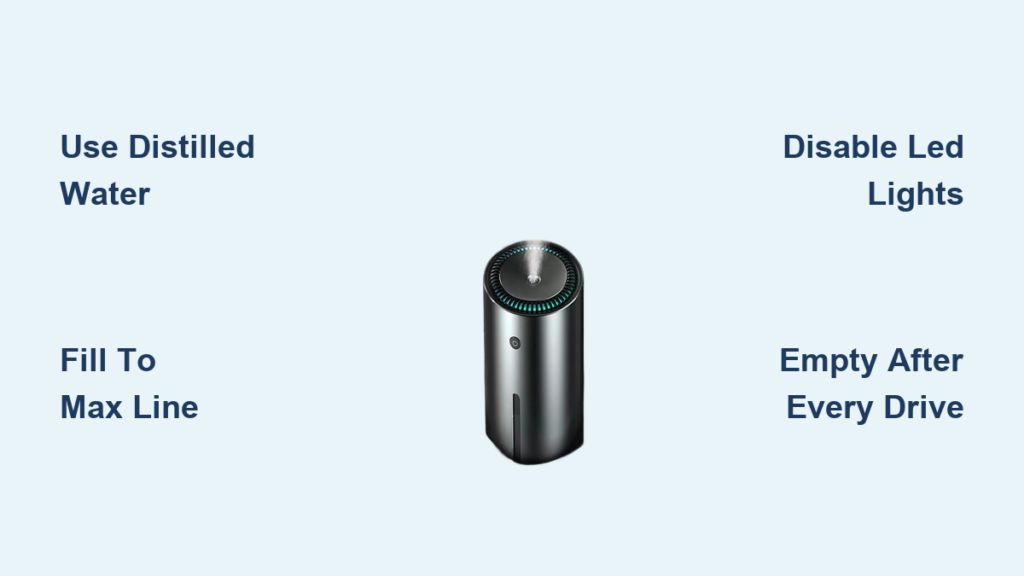
That dry, crackling sensation in your throat during winter commutes? Or static shocks every time you touch your car door? Your vehicle’s HVAC system is stealing moisture from the air—leaving you with irritated sinuses, parched skin, and fogged windows when humidity levels swing. A car humidifier solves this instantly, but only if you use it correctly. Most drivers unknowingly create white dust clouds on their dashboards or trigger dangerous windshield fogging within days. This guide reveals the exact steps to harness moisture control in your cabin without compromising safety or creating new headaches. You’ll learn how to fill, position, and maintain your device so it lasts years—not weeks.
Select the Right Humidifier for Your Commute Length
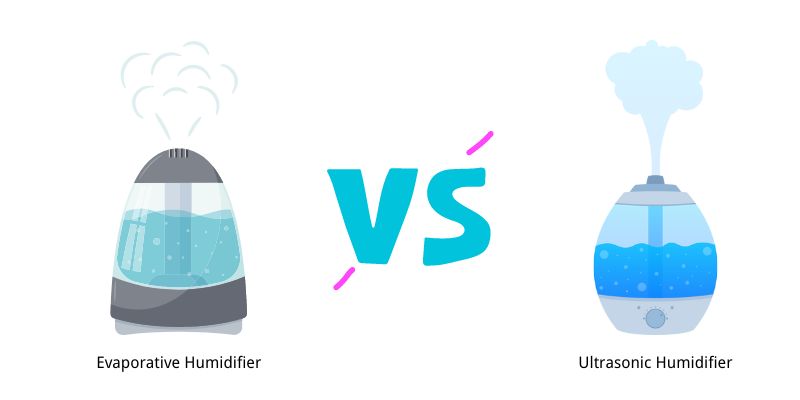
Ultrasonic Models Dominate for Good Reason
Skip evaporative units with their monthly filter replacements and fan noise. For 95% of drivers, ultrasonic humidifiers deliver the quietest operation (under 35 dB) using high-frequency vibrations to create cool mist. Match your tank size to your drive time: 50 mL units suit quick trips under 2 hours, while 300 mL tanks power through 10-12 hour shifts on intermittent mode. Always verify 5V/2A power compatibility—weak cigarette lighter adapters cause weak mist output.
Why Evaporative Models Fail in Cars
Wick-based humidifiers require constant airflow across their filter, which conflicts with stop-and-go traffic. The fan noise becomes intrusive during quiet drives, and filter replacements cost $15 monthly. Worse, blocked vents during heavy use can overheat the unit near flammable materials. Stick with ultrasonic unless your manual explicitly states evaporative compatibility for vehicles.
Fill Your Tank Without Creating White Dust
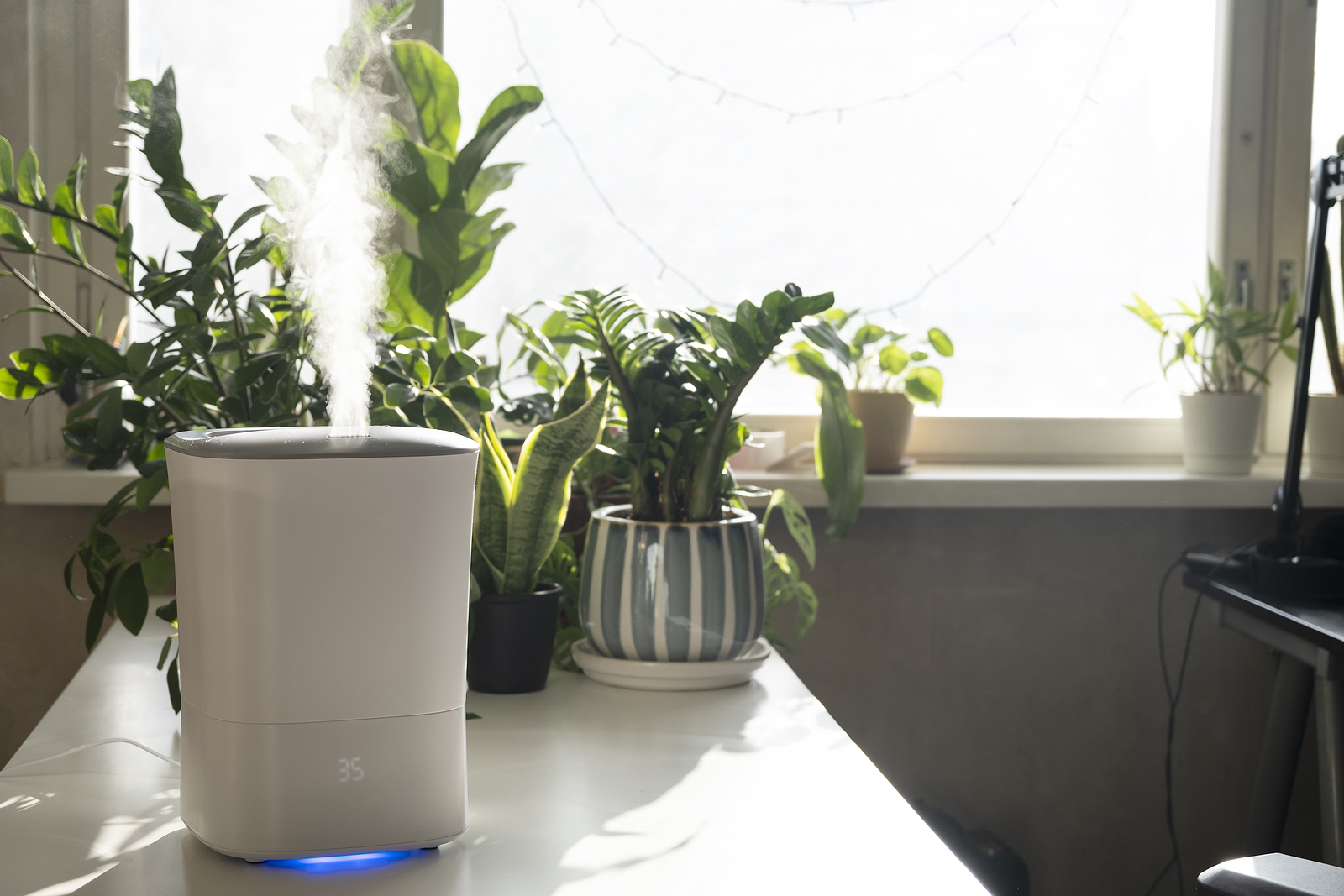
The Water Quality Rule That Saves Your Dashboard
Distilled or demineralized water isn’t optional—it’s your defense against chalky mineral deposits. Tap water below 60 ppm hardness works temporarily, but expect weekly cleaning demands. One driver’s test showed tap water left visible white dust on their steering wheel within 3 days, while distilled water kept surfaces clean for 3 weeks. Fill only to the MAX line etched inside the reservoir; overfilling causes spills that short-circuit USB ports.
Aromatherapy: When Essential Oils Help (and When They Destroy)
Add exactly 2-3 drops of water-soluble oil per 100 mL water only if your manual says “aroma diffuser compatible.” Carrier oils like coconut or jojoba will permanently clog the ultrasonic plate within hours. One Uber driver learned this the hard way—adding lavender oil not meant for humidifiers turned his $18 unit into a silent paperweight after 48 hours of use.
Power Up Without Electrical Risks
USB Port Selection That Prevents Weak Mist
Plug into ports delivering at least 1.5 amps—check by testing if your phone charges quickly there. Weak ports from older vehicles cause intermittent operation. Position the cable so it won’t snag seatbelts; use 90° right-angle adapters if your port faces downward. Watch for the amber power light: some models auto-start misting, while others need a 3-second hold on the power button.
Night Driving Mode Activation
LED indicators become dangerous distractions after dark. On most units, a 3-second press disables all lights while maintaining humidification. Test this before driving—you shouldn’t need to glance at the device more than twice during your commute. One trucker’s dashboard glare incident proved why this step matters: blue lights reflecting in his rearview mirror caused a near-miss during a rainstorm.
Position for Maximum Comfort, Zero Fogging
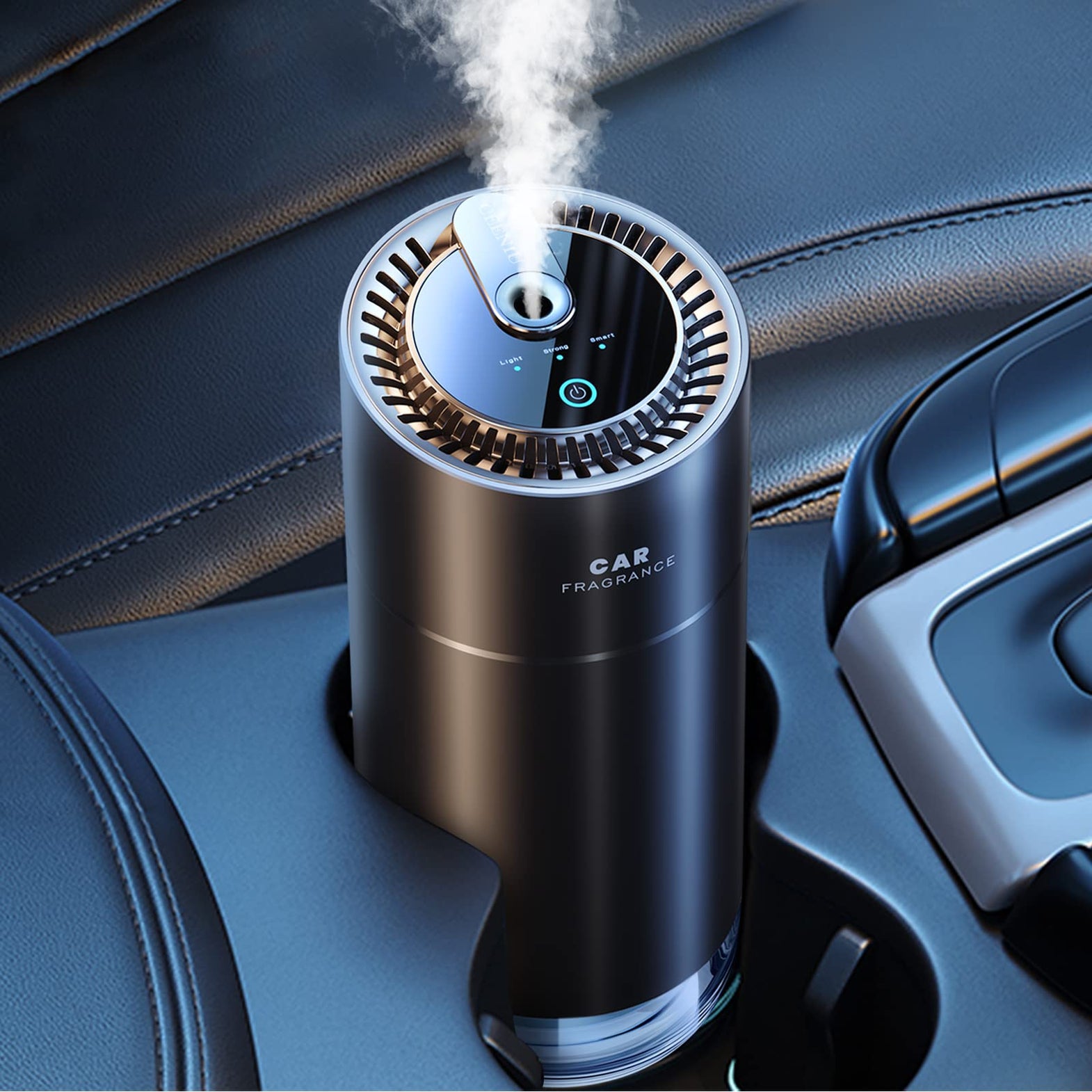
Cup Holder Placement That Avoids Electronics
Mount with mist vents facing upward and away from touchscreens. Angle the unit 15° toward the passenger side so moisture doesn’t hit your windshield. Never let seatbelts or gear shifts block the outlet—this redirects mist onto your center console, causing sticky residue on buttons. A taxi driver’s hack: place a microfiber cloth under the unit to catch condensation drips.
Dash Mounting Without Windshield Condensation
Use anti-slip pads (like Sugru) and tilt the unit 5° forward toward the cabin. This angles moisture away from cold glass surfaces. During winter, position it near footwell vents—your HVAC system distributes humidified air more evenly than direct misting. Critical warning: Never place within 12 inches of side airbag zones; mist could corrode deployment sensors over time.
Monitor Water Levels Before Damage Occurs
Recognize the Empty-Tank Warning Signs
When water drops below 20%, LEDs shift from blue to red or begin flashing rapidly. Some models emit double beeps. Ignoring this for more than 5 seconds risks dry-burn damage to the ultrasonic plate—a permanent failure requiring replacement. One commuter’s oversight led to burnt plastic smells after running his unit dry during a 45-minute drive.
Runtime Calculations That Prevent Mid-Drive Shutdowns
A 300 mL tank lasts 6-10 hours continuously but stretches to 10-12 hours on intermittent mode (30 seconds on/off). For 8-hour shifts, fill to MAX line and use intermittent mode. Refill during lunch breaks—never while driving. Keep distilled water in your glove compartment; tap water refills after work cause mineral buildup.
Daily Emptying That Prevents Musty Smells
The 30-Second Ritual Saving 90% of Units
Empty residual water after every drive, even if the tank isn’t fully depleted. Stagnant water breeds bacteria within 24 hours, creating foul odors that linger in your cabin. Wipe the tank interior with a dry microfiber cloth—no soap needed. One parent’s mistake: leaving water overnight turned her humidifier into a sour-smelling hazard that contaminated her infant’s car seat air space.
Why Vinegar Rinse Beats Soap Every Time
Soap residue reacts with minerals to form sticky films on the ultrasonic plate. For daily cleaning, only use distilled water rinses. Reserve vinegar solutions for weekly deep cleans. Skipping daily emptying forces more aggressive cleaning later—you’ll spend 20 minutes scrubbing instead of 30 seconds dumping water.
Weekly Cleaning to Stop White Crust Buildup
The Vinegar Soak Procedure That Restores Mist Output
Fill the tank with equal parts distilled water and white vinegar, soak 30 minutes, then gently brush the ultrasonic plate with a soft toothbrush. Rinse until no vinegar smell remains—typically 3 full water cycles. One sales rep’s neglected unit lost 70% mist output in 3 weeks; this process restored full performance in 10 minutes.
Citric Acid Descaling for Hard Water Emergencies
When white crust coats the plate, mix 1 teaspoon citric acid per 100 mL water, soak 15 minutes, then scrub. This dissolves minerals vinegar can’t touch. Never use metal tools—scratches permanently damage the ceramic disc. Replace cotton filters monthly if your model has them; discolored filters reduce output by 40%.
Troubleshoot Weak Mist in Under 60 Seconds
Power Port Testing Without Tools
Plug in your phone—if charging slows, the port delivers under 1.5 amps. Swap to your car’s rear USB port or a power bank. Weak mist always means inadequate power, low water, or clogs—never “normal operation.” One delivery driver fixed his problem by replacing a frayed cable that looked intact but carried insufficient current.
Immediate Fixes for Foul Odors
Smelly units need a hydrogen peroxide rinse: fill with 3% H₂O₂ solution, run for 5 minutes, then air-dry 24 hours. Do this weekly if you drive with pets or food. Persistent smells mean bacterial colonies have formed—replace the unit. Never ignore odors; they indicate airborne contaminants you’re breathing.
Safety Settings for Winter Driving
Humidity Balance That Prevents Deadly Fogging
In temperatures below 40°F, excess moisture fogs windshields instantly. Set output to intermittent mode and crack windows 1/4 inch to vent humidity. Target 40-50% cabin humidity—above 60% risks mold growth. One commuter’s dashboard humidifier caused near-zero visibility during a snowstorm when he maxed out continuous mode.
Child Safety Positioning Near Car Seats
Place units at least 24 inches from infant seats with mist directed away from restraints. Use distilled water only—no oils. The goal is subtle moisture, not aromatic therapy. One mom’s lavender oil experiment triggered her toddler’s coughing fit when airflow carried concentrated vapors toward the car seat.
Perfect Settings for Your Driving Profile
Long-Haul Truckers: 300 mL Tank Tactics
Run on intermittent mode with the unit near footwell vents. Refill during meal breaks using distilled water jugs stored in your cab. Disable all LEDs after sunset—flashing colors cause eye strain on night drives. This setup delivers 12-hour comfort without maintenance stops.
Ride-Share Drivers: 5-Minute Cabin Refreshes
Use 50 mL mini units between passengers. Top up with distilled water, run continuous mode for 5 minutes with windows cracked, then empty. This eliminates odors from previous riders and adds perceived luxury—drivers report 15% higher tips with “fresh air” noted in reviews.
Master these steps and your car humidifier becomes an invisible comfort upgrade. Skip them, and you’ll battle white dust, foul smells, and dangerous fogging within weeks. The difference? Just 30 seconds of daily emptying and weekly vinegar soaks. Start tonight—your next drive should feel like a breath of fresh air, not a desert wind.
Quick Reference Checklist
– [ ] Fill only to MAX line with distilled water
– [ ] Verify USB port delivers ≥1.5A power
– [ ] Disable LEDs for night driving with 3-second press
– [ ] Position vents away from windshield and electronics
– [ ] Empty tank after every drive—no exceptions
– [ ] Weekly vinegar soak prevents 90% of failures