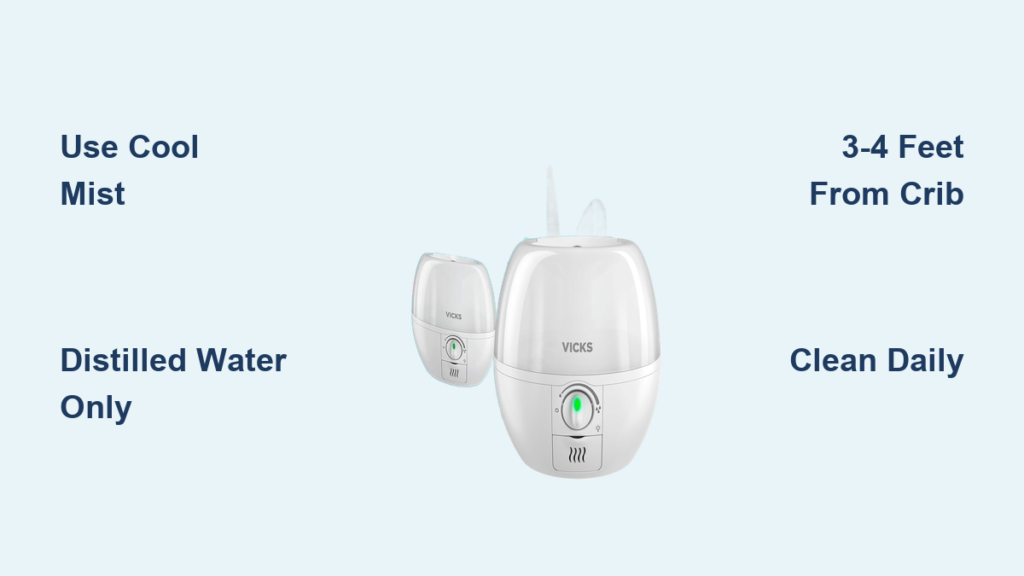
Your baby’s congested breathing sounds like tiny snorts and wheezes through the baby monitor. You’ve tried saline drops and nasal suction, but those congested passages still make feeding and sleeping nearly impossible. A humidifier could be the game-changer you need—but only if you use it correctly. This guide walks you through exactly how to safely and effectively use a humidifier to ease your baby’s congestion, from choosing the right model to daily maintenance that prevents mold growth. Learn the precise steps to create optimal breathing conditions while avoiding common safety pitfalls that many parents overlook.
Choose Safe Humidifier Type

Cool Mist vs Warm Mist Options
Selecting the right humidifier type is critical for baby safety. Ultrasonic cool mist models use sound vibrations to create mist without heating water, eliminating burn risks entirely. These units operate at whisper-quiet levels under 30 decibels—quieter than a library. Their fine mist disperses evenly without creating damp spots near your baby. Evaporative cool mist versions use a fan to blow air through a wet filter, naturally filtering out minerals while self-regulating humidity output based on room conditions.
Avoid warm mist humidifiers for babies despite their bacteria-killing steam. Pediatricians consistently warn against these units due to serious burn risks. Even models with “cool-touch” exteriors can cause severe injuries if knocked over during middle-of-the-night care routines. The American Academy of Pediatrics specifically recommends cool mist humidifiers for infants to prevent accidental scalding.
Essential Safety Features Checklist
When shopping for your baby’s humidifier, prioritize these non-negotiable features:
- Automatic shut-off that activates immediately when water runs low
- Cool-touch exterior throughout operation, verified by independent testing
- Secure tank design with locking mechanisms to prevent spills
- BPA-free materials in all water-contact components
- Wide tank opening (at least 2 inches) for thorough hand cleaning
Skip any unit lacking these basic safety elements. Your baby’s delicate respiratory system demands equipment designed specifically for infant use, not just general household models.
Position Humidifier Correctly

Ideal Distance From Crib
Place your humidifier 3-4 feet away from your baby’s crib on a stable, elevated surface like a dresser or shelf. This distance prevents direct mist exposure while ensuring effective humidity distribution throughout the room. Never position units on the floor where pets might investigate or toddlers could accidentally tip them over. The moisture needs to circulate gently around the room, not blast directly onto your baby’s face.
Avoid these dangerous placement mistakes:
– Windowsills (sunlight promotes algae growth)
– Near heating vents (affects humidity readings)
– Directly beside the crib (creates over-humidified zones)
– On carpeted surfaces (moisture damage risk)
Room Preparation Steps
Before first use, prepare the nursery environment properly:
– Close windows and doors to maintain consistent humidity
– Remove damp laundry or wet towels from the room
– Verify room temperature stays between 68-72°F
– Ensure electrical cords are safely secured out of baby’s reach
This preparation creates optimal conditions for the humidifier to work effectively without creating damp spots that could encourage mold growth.
Daily Operation Guide
Morning Setup Routine
Start each day fresh with this simple routine:
1. Empty yesterday’s water completely—never let water sit for multiple days
2. Rinse tank thoroughly with warm water to remove residue
3. Refill with distilled water to prevent mineral deposits and white dust
4. Set humidity target precisely to 40-50% using a separate hygrometer
5. Start on low setting and adjust based on baby’s breathing response
This daily ritual ensures your humidifier delivers clean moisture without introducing contaminants into your baby’s breathing space.
Optimal Usage Schedule
During active congestion: Run continuously during all sleep periods. Night-long operation provides maximum benefit since babies breathe primarily through their noses during sleep. Consistent humidity prevents mucus from drying and hardening overnight.
Preventive approach: Start 30 minutes before naps and bedtime to pre-humidify air before baby settles in. This makes breathing easier from the moment your baby lies down.
Weather considerations: Increase use during winter heating season or in air-conditioned spaces where air tends to be exceptionally dry.
Water Quality Essentials
Best Water Types for Babies
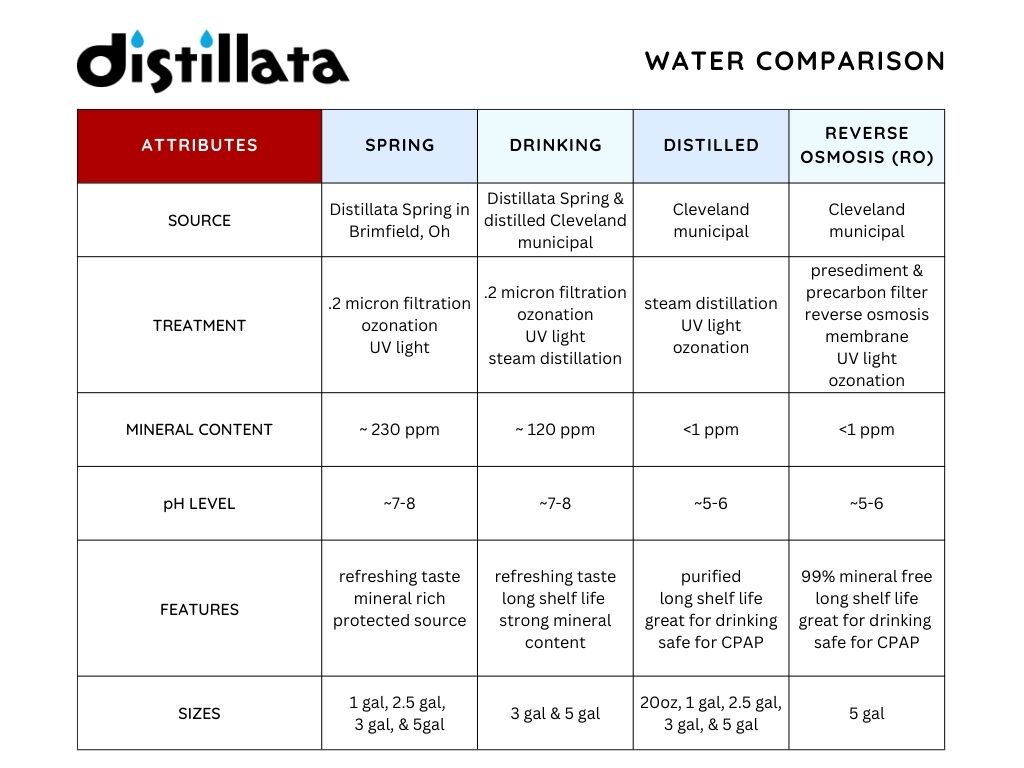
- Distilled water: Purest option, prevents mineral deposits and white dust
- Demineralized water: Budget-friendly alternative available in grocery stores
- Filtered water: Acceptable only with high-quality filtration systems
- Never use tap water (causes lung-irritating white dust with mineral particles)
Using proper water prevents microscopic mineral particles from being inhaled by your baby’s developing respiratory system.
Daily Maintenance Routine
Every morning:
– Empty remaining water completely
– Rinse tank and base with warm water
– Wipe exterior with damp cloth
– Refill with fresh distilled water
Warning signs requiring immediate cleaning:
– White dust on nearby surfaces
– Any visible film or buildup in tank
– Musty odors during operation
Monitor Baby’s Response
Positive Signs Humidifier Is Working
Watch for these improvements within 24-48 hours:
– Easier breathing – less nasal flaring during sleep
– Better feeding – can nurse without gasping for air
– Improved sleep – fewer wake-ups from congestion
– Clearer nasal passages – less visible mucus during suction
These indicators confirm the humidifier is creating the optimal breathing environment your baby needs.
Warning Signs to Stop Use
Discontinue immediately if you notice:
– No improvement after 48-72 hours of proper use
– Increased coughing or respiratory distress
– Skin rash potentially from over-humidification
– Fever development (over 100.4°F in babies under 6 months)
– Room feels damp or windows show condensation
These signals indicate either improper usage or a more serious medical condition requiring pediatric attention.
Troubleshoot Common Issues
White Dust Problems
Cause: Minerals in tap water creating airborne particles that irritate baby’s lungs
Solution: Switch to distilled water immediately
Cleanup: Wipe surfaces with damp cloth, vacuum carpets to remove settled particles
Excessive Humidity Warning
Signs to watch:
– Condensation on windows
– Damp feeling in room
– Baby’s skin feels clammy
– Musty odors developing
Immediate actions:
– Reduce mist output setting
– Increase ventilation slightly
– Run for shorter periods
– Keep humidity below 60% to prevent mold growth
When to Call Pediatrician
Immediate Medical Attention
Seek help for:
– Babies under 3 months with any congestion
– Fever over 100.4°F (38°C) in babies under 6 months
– Visible difficulty breathing with chest retractions
– Refusing to eat or significantly reduced feeding
– Symptoms lasting beyond 7-10 days
Before Your Appointment
Document these details:
– How long you’ve used the humidifier
– Humidity levels maintained
– Baby’s response pattern
– Any additional symptoms
– Feeding and sleeping changes
This information helps your pediatrician determine if the congestion is viral, bacterial, or related to environmental factors.
Long-Term Storage Tips
End-of-Season Process
Proper storage prevents mold:
1. Deep clean all parts thoroughly with vinegar solution
2. Completely dry every component for 24-48 hours
3. Remove filters and store in sealed bags with desiccant packets
4. Original packaging protects from dust during storage
5. Store in cool, dry location away from sunlight and moisture
Reactivation After Storage
Before baby’s first use:
– Inspect all parts for damage or mold growth
– Replace filters if stored over 3 months
– Test operation in empty room first
– Perform initial cleaning even if stored properly
Key Takeaway: Using a humidifier correctly transforms your baby’s congested nights into peaceful sleep. The combination of cool mist operation, proper positioning, daily maintenance with distilled water, and careful monitoring creates an environment where tiny airways can clear naturally. When in doubt, trust your pediatrician’s guidance and remember that persistent symptoms always warrant professional medical attention. By following these precise steps for how to use humidifier for baby congestion, you’ll provide safe, effective relief while avoiding common mistakes that could compromise your baby’s health.