
Your new humidifier arrived from Temu, but you’re staring at the box with no clear instructions. You’re not alone—many customers report missing manuals or unclear documentation with budget-friendly humidifiers. Without proper guidance, you might accidentally damage your unit or get subpar performance. This guide provides essential setup and operation steps based on common humidifier designs, helping you create comfortable, healthy indoor air without confusion.
Whether you’re combating dry winter air or creating optimal conditions for your houseplants, understanding basic humidifier operation is crucial. Following these evidence-based practices can prevent common issues like mold growth, mineral buildup, and electrical problems that often plague users of affordable humidifiers. You’ll learn the fundamental setup process, maintenance routines, and troubleshooting techniques to maximize your investment.
Unbox and Identify Components Properly

Start by carefully opening your package and laying out all components on a clean, dry surface. Most basic humidifiers include a water tank, base unit, power adapter, and sometimes a filter cartridge. Since Temu rarely includes comprehensive manuals, identifying each part correctly prevents assembly errors that could damage your unit.
Critical First Steps
- Remove all protective packaging from water tank and base components
- Locate the filter if included (many budget models have simple foam or paper filters)
- Inspect power cord for any shipping damage before plugging in
- Check for hidden compartments that might contain small accessories
Common Missing Documentation
If your package lacks printed instructions, look for a model number on the bottom of the unit. Search online using this exact model number plus “user manual” for manufacturer documentation. Many generic humidifiers sold on Temu follow standard Chinese manufacturing designs with similar operation protocols.
Fill Water Tank Correctly
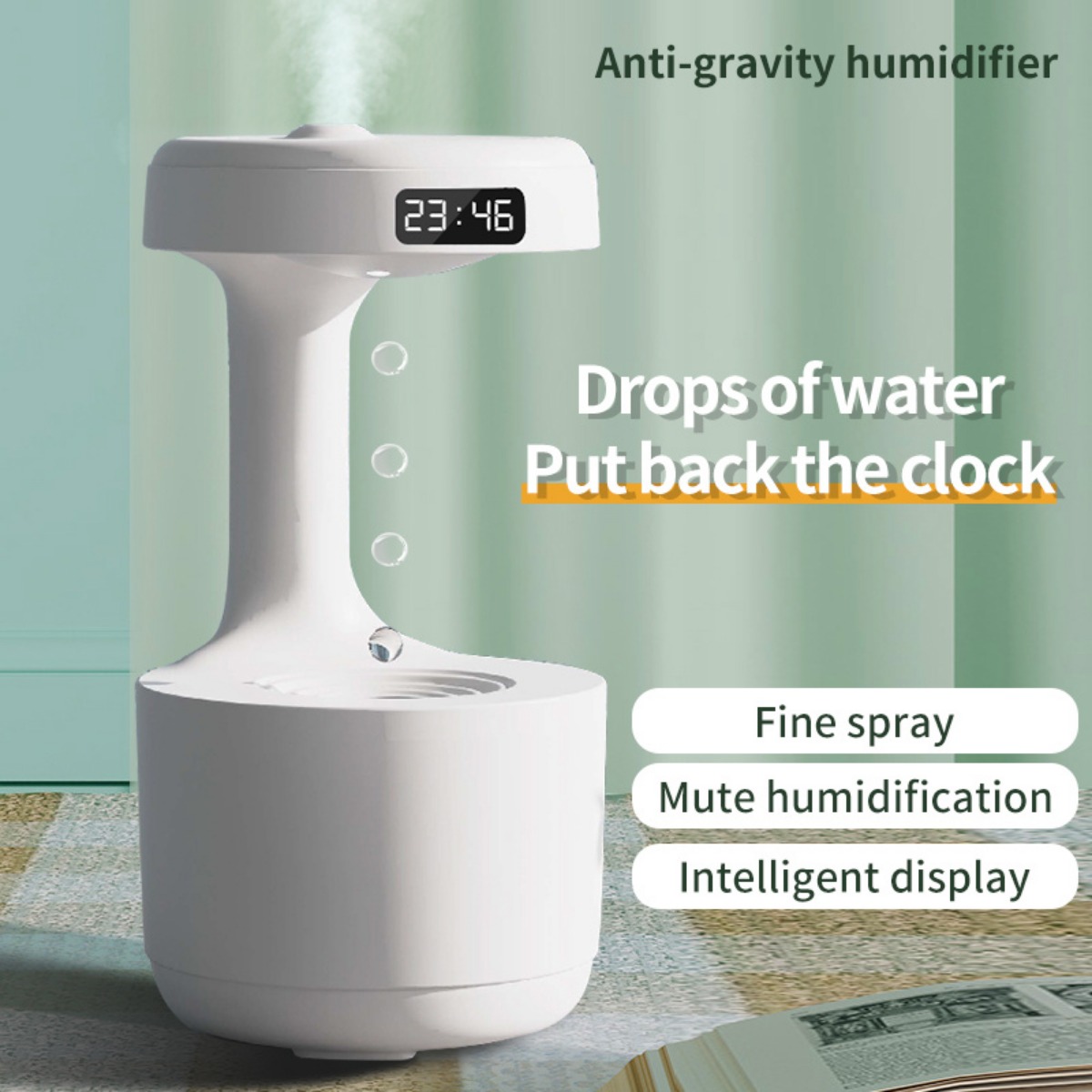
Lift the water tank straight up from the base—most basic humidifiers don’t require twisting. Locate the fill opening, typically covered by a cap marked with a water symbol. Use cool or room-temperature tap water only; hot water can warp plastic components and create excessive condensation.
Water Quality Considerations
- Tap water: Works initially but causes mineral buildup over time
- Filtered water: Reduces white dust and extends unit life
- Never use: Hot water, essential oils, or tap water in areas with hard water
Fill Level Guidelines
Fill to the max line inside the tank, typically about 1-2 inches from the top. Overfilling causes immediate leaks when reassembling the unit. Underfilling reduces runtime significantly—most small humidifiers provide 4-6 hours of operation per full tank.
Power On and Select Basic Settings
Connect the power adapter to the base first, then plug into a wall outlet. Most basic humidifiers feature a single power button that cycles through available mist settings. LED indicators typically show power status—flashing during operation, solid when on standby.
Button Functions Explained
- Power button: Press once for continuous operation, twice for intermittent misting
- Timer function: Many models offer 1-4 hour auto-shutoff (check for hour symbols)
- Night light: Some units include a dimmable LED—press and hold power button to adjust
Recommended Initial Settings
For bedrooms, begin with low mist setting and increase only if needed. Living areas typically require medium settings for proper coverage. Avoid maximum settings for extended periods—they drain water quickly and create excess moisture that can damage nearby surfaces.
Position for Maximum Effectiveness
Place your humidifier on a stable, elevated surface at least 2 feet from walls and furniture. Nightstands work well for bedrooms, but ensure the mist outlet points away from electronics and bedding. Never place on carpeted surfaces—moisture can seep through and cause mold growth underneath.
Room Size Guidelines
- Small rooms (under 150 sq ft): Position centrally for even distribution
- Medium spaces (150-300 sq ft): Place near natural air circulation paths
- Large areas: Consider multiple smaller units rather than one oversized unit
Surface Protection Essentials
Use a waterproof tray or mat underneath your humidifier—condensation forms under all units during operation. This simple step prevents water stains on wood surfaces and protects electronics from accidental moisture exposure.
Clean Weekly to Prevent Health Hazards
Unplug and empty the tank completely every 5-7 days. Rinse with warm water and mild dish soap, using a soft brush for hard-to-reach areas. The base requires similar attention—mineral deposits build up quickly, especially in hard water areas.
Essential Cleaning Process
- Prepare a 1:3 white vinegar to water solution
- Fill tank halfway, let soak 20-30 minutes
- Scrub interior with soft brush (no abrasive materials)
- Rinse thoroughly until vinegar smell disappears
- Air dry completely before next use
Filter Care Routine
If your model includes a filter, rinse it weekly under cool water and allow to air dry. Replace filters every 30-60 days depending on usage frequency. Without regular filter changes, your humidifier will disperse contaminants into your air instead of cleaning it.
Address Common Issues Immediately

No mist output usually indicates empty water tank or improper assembly. Check that the tank is fully seated on the base—most units have safety switches that prevent operation when misaligned. If water is present but no mist forms, the ultrasonic plate may need cleaning.
Quick Problem Resolution
- Unit won’t turn on: Verify power connection, test with different outlet
- Water leaks: Ensure tank cap is tight, check for cracks in tank
- White dust: Switch to distilled water immediately
- Unusual noises: Clean fan blades, check for loose components
When to Seek Replacement
Contact the seller if your unit powers on but produces no mist after proper cleaning, or if you notice electrical burning smells. Most budget humidifiers have limited lifespans—typically 6-12 months with regular use.
Optimize for Health Benefits
Maintain indoor humidity between 40-50% for optimal health. Levels above 60% encourage mold growth, while below 30% causes dry skin and respiratory irritation. Invest in a separate hygrometer for accurate readings—built-in sensors on budget units are often unreliable.
Recommended Usage Patterns
- Daytime: Run intermittently (2 hours on, 1 hour off)
- Nighttime: Use low setting with timer function
- Winter months: Increase frequency due to dry heated air
- Plant care: Position away from direct mist to prevent leaf damage
Seasonal Adjustments
During heating season, run your humidifier more frequently but at lower settings. In summer, you may only need it during air conditioning use. Monitor your comfort level—if your throat feels scratchy or skin becomes dry, increase humidity output gradually.
Store Appropriately Between Seasons
When not in regular use, clean thoroughly and dry completely before storage. Empty the tank, remove any filters, and let all parts air-dry for at least 24 hours. Store in a breathable container—never in plastic bags which trap moisture and encourage mold growth.
Proper Storage Checklist
- [ ] Complete cleaning cycle with vinegar solution
- [ ] Replace filter if near end of life
- [ ] Wrap power cord loosely (no tight bends)
- [ ] Include silica gel packets to absorb moisture
- [ ] Note storage date for future reference
Restarting After Storage
Expect some odor on first use after storage. Run through complete cleaning cycle, install fresh filter if applicable, and operate empty for 10 minutes on highest setting to clear any residue. This eliminates musty smells and ensures clean operation.
Your humidifier should now provide consistent, healthy moisture levels throughout your space. Remember that regular light maintenance prevents major problems later—set phone reminders for weekly cleaning and monthly filter checks. Most importantly, always follow safety guidelines: never leave your humidifier unattended for extended periods, keep it away from children and pets, and unplug when not in use. With proper care, your unit will create comfortable indoor air while protecting your health and home.