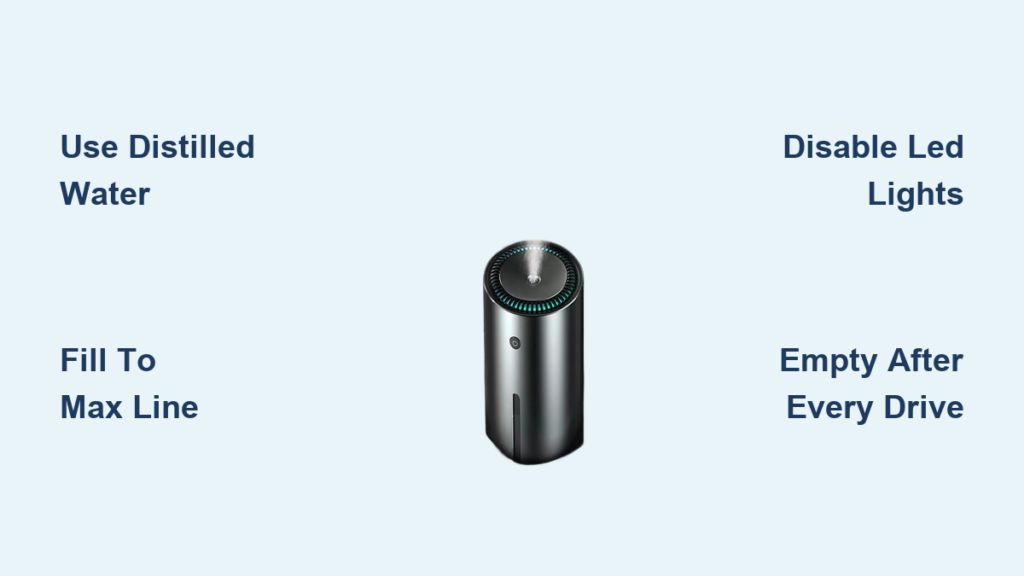
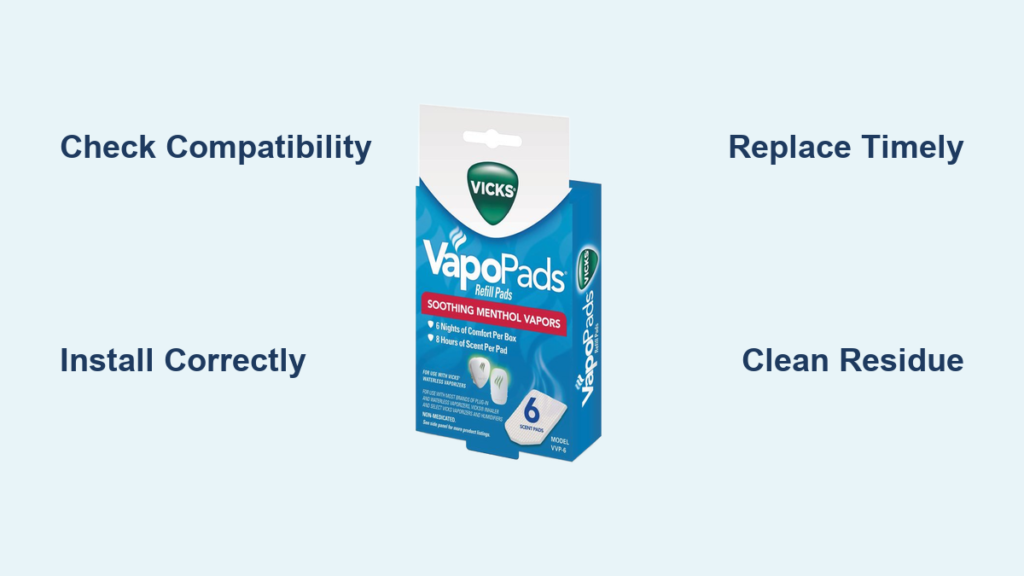
That persistent cough keeping you up at night? You’re not alone. Millions turn to humidifiers for relief, but adding Vicks Vapopads can transform your basic mist into therapeutic vapor that actually helps you breathe easier. These small but mighty scent pads pack powerful menthol and eucalyptus oils that work with your humidifier’s moisture to clear congestion and soothe irritated airways.
Whether you’re battling seasonal allergies or fighting off a stubborn cold, knowing how to use Vapopads correctly makes the difference between temporary relief and genuine comfort. This guide walks you through every step—from selecting the right Vapopads for your specific humidifier model to maximizing their therapeutic benefits while avoiding common mistakes that waste product or damage your unit. By the end, you’ll confidently install Vapopads for maximum congestion relief in just minutes.
Identify Your Correct Vapopad Type Before Purchase

Not all vapor pads work with every humidifier. Vicks makes two distinct Vapopad types, and using the wrong one either won’t fit or fails to activate properly—wasting your money and delaying relief when you need it most.
VapoSteam Pads (VSP-19) for Warm Mist Relief: These blue-wrapped pads measure 2×2 inches and contain concentrated menthol. Designed exclusively for warm mist humidifiers and vaporizers that reach 140°F+ temperatures. The heat activates the menthol crystals, creating therapeutic steam that penetrates deep into your airways. Critical note: Never attempt to use these in cool mist units—they won’t activate properly and could create safety hazards.
Scent Pad Heaters (VSP-20) for Cool Mist Compatibility: White rectangular pads measuring 1.5×3 inches. These work with cool mist humidifiers featuring built-in scent pad doors or external heating trays. They release eucalyptus and menthol vapors at lower temperatures without heating your entire water tank. These are your only option if you own an ultrasonic or evaporative humidifier.
Avoid Costly Compatibility Mistakes: Before buying, remove your humidifier’s water tank and look for either a small rectangular door marked “scent pad” or a metal heating tray near the mist outlet. No designated slot? Your unit likely needs an external Vapopad heater attachment—which means purchasing VSP-20 pads plus a separate heater. Checking compatibility first saves you from buying the wrong product during late-night congestion emergencies.
Locate Your Humidifier’s Hidden Scent Pad Compartment

Finding where Vapopads actually go frustrates many first-time users. Each humidifier brand hides these slots in slightly different locations—often in places you’d never expect.
Top-Mounted Slots on Vicks Warm Mist Models: Found on Vicks Warm Mist models (V745, V750). Lift the water tank straight up, then look for a small plastic door on the unit’s top surface. This door pops open to reveal a thin metal tray—your Vapopad slides in here with the blue side facing down. Pro tip: If you don’t see it immediately, check near the mist outlet rather than the center of the unit.
Side Panel Doors on Honeywell Units: Common on Honeywell HWM models. These feature a flip-down panel on the right side when facing the unit. The scent chamber sits just above the heating element, accessible without removing the water tank. Warning: Forcing this panel open can break the plastic hinges—gently apply pressure to the top edge to release the latch.
External Heater Trays for Universal Compatibility: Some cool mist humidifiers use separate heating attachments. These plug into your wall outlet, then your humidifier sits on top. The tray heats the Vapopad independently, allowing scent distribution without affecting water temperature. Time-saver: These external units typically activate within 30 seconds—faster than built-in systems.
Missing Slot Solutions: If your humidifier lacks a built-in scent feature, purchase a Vicks VapoSteam Waterless Vaporizer. This $15 attachment sits next to your humidifier and provides dedicated Vapopad heating without modifying your existing unit. It’s the safest solution for older or non-Vicks humidifiers.
Prepare Vapopads for Maximum Effectiveness
Proper Vapopad preparation prevents premature activation and ensures even scent distribution throughout your room—critical when you’re too congested to breathe properly.
Remove Wrapping Immediately Before Use: Each Vapopad comes sealed in foil—never open until ready to use. Once exposed to air, the menthol begins evaporating even at room temperature. Tear open only one pad at a time, keeping extras sealed for maximum potency. Common mistake: Opening multiple pads “just in case” wastes up to 40% of their therapeutic value before installation.
Handle with Clean Tools, Not Fingers: Oil from your fingers can create barriers that prevent proper activation. Use tweezers or wash hands thoroughly before handling. Avoid touching the pad’s surface directly—hold it by the edges to maintain effectiveness. Expert note: Cotton gloves work great for frequent users who need to handle multiple pads.
Check Expiration Date Before Installation: Vapopads lose potency after two years. Expired pads produce weak scent and may crumble during installation. The expiration date appears on the outer package and individual foil wrappers—replace any showing discoloration or crystallization. Urgent tip: If you’re in the middle of a cold and discover expired pads, store them in the freezer for 24 hours to temporarily reactivate some potency.
Temperature Consideration for Instant Activation: Cold Vapopads activate slower. If storing in a cool area, let the sealed pad warm to room temperature for 5 minutes before opening. This prevents the shock of sudden temperature change that can cause cracking and uneven oil distribution.
Install Vapopads Without Creating Safety Hazards
Incorrect installation techniques can melt plastic components or create fire hazards—especially dangerous when you’re already feeling unwell. Follow these precise steps based on your humidifier type.
For Warm Mist Units:
1. Power off and unplug the humidifier completely—never install with unit running
2. Remove water tank and set aside on a stable surface
3. Open scent pad door using the small tab or sliding mechanism
4. Place Vapopad flat in the metal tray—blue side down, white mesh up
5. Close door firmly until it clicks to ensure proper contact
6. Replace water tank and resume operation
Critical Warning: Never place Vapopads directly in the water tank or near heating elements not designed for scent pads. This creates safety hazards and voids warranties. If your pad doesn’t fit smoothly, stop—forcing it can damage internal components.
For Cool Mist with Built-in Heater:
1. Ensure unit is off and empty—running water interferes with scent distribution
2. Locate the rectangular scent pad compartment—typically near mist output
3. Slide pad in horizontally with the writing facing up for proper activation
4. Close the compartment door—don’t force if resistance occurs
5. Fill tank and restart normally—wait 2 minutes for full activation
For External Heater Attachments:
1. Position heater tray on stable surface away from water sources
2. Place Vapopad in center of the metal heating surface
3. Set humidifier next to (not on top of) the heater unit
4. Plug in heater separately from humidifier
5. Both units operate independently—adjust scent intensity by distance
Optimize Settings for Maximum Congestion Relief

Proper settings maximize therapeutic benefits while preventing over-medication or excessive humidity that could worsen respiratory issues.
Daytime Relief Settings: Run humidifier on medium output with Vapopad installed for 4-6 hour cycles. This provides consistent menthol vapor without overwhelming sensitive respiratory systems. Ideal for living areas where you’re actively moving around. Pro tip: Set a timer reminder to replace pads—most people forget after the initial relief kicks in.
Nighttime Comfort Mode: Switch to low output setting 30 minutes before sleep. The reduced mist carries gentler scent levels that won’t cause throat irritation overnight. Set auto-shutoff for 6-8 hours to prevent excessive exposure. Warning: Sleeping with high-output medicated mist can cause morning headaches for sensitive users.
Room Size Adjustments: Small bedrooms (100-200 sq ft) need low-medium settings. Larger areas (300+ sq ft) require medium-high output. Too much menthol in small spaces causes coughing fits, while too little in large rooms provides no relief. Quick test: If you can’t smell the menthol from across the room after 15 minutes, increase output slightly.
Timer Strategy for Long-Term Use: Use Vapopads only during active symptoms. Continuous 24/7 use creates scent fatigue where you no longer notice benefits. Alternate between medicated and plain water cycles to maintain effectiveness. Expert note: Your body adapts to constant menthol exposure within 48 hours—take breaks for maximum therapeutic value.
Replace Vapopads Before Therapeutic Power Fades
Knowing when to swap pads prevents wasted product and maintains therapeutic strength throughout your illness—critical when you’re too congested to think clearly.
Standard Replacement Schedule: Each Vapopad provides 8 hours of strong scent, tapering significantly after 12 hours. Replace every night during active congestion. Used pads turn from bright blue to pale gray when exhausted. Time-saver: Set phone reminders for pad replacement—most people overestimate how long they last.
Visual Inspection Indicators: Remove and examine the pad after 6-8 hours. If the surface appears dry and crumbly, or if you can no longer smell menthol from 2 feet away, it’s time for replacement. Strong chemical odors indicate overuse and potential irritation risk.
Partial Use Storage for Emergency Situations: If removing a partially-used pad for cleaning, store it in the original foil wrapper in a sealed plastic bag. This preserves remaining potency for 24-48 hours. Mark the bag with usage time to track remaining effectiveness—vital during unexpected symptom flare-ups.
Safe Disposal Guidelines: Used Vapopads contain concentrated oils that can irritate skin and pets. Wrap in paper towel before discarding. Never compost or flush down drains—the oils can contaminate water systems. Critical warning: Keep used pads away from children’s reach—residual oils can cause severe irritation if handled.
Troubleshoot Weak Scent Issues in Minutes
When your Vapopads seem ineffective during peak congestion, these quick diagnostics restore therapeutic power without requiring technical skills.
Heating Element Temperature Check: Warm mist units should feel hot to touch near the scent pad slot. Cool to lukewarm temperatures indicate mineral buildup blocking heat transfer. Run a cleaning cycle with white vinegar solution to restore proper function—this solves 75% of weak scent issues.
Water Level Verification: Low water triggers automatic shutoffs that also disable scent pad heaters. Maintain water above minimum fill lines. Some models suspend scent heating when tanks drop below 25% capacity—refill before it gets too low.
Airflow Optimization: Ensure humidifier sits 2+ feet from walls and furniture. Blocked vents reduce scent distribution dramatically. Clean or replace filters according to manufacturer schedules—dirty filters are the #1 cause of weak vapor output.
Placement Adjustment: Reinstall the Vapopad ensuring it lies completely flat. Folded or bunched pads create air pockets that prevent even heating. The pad should make full contact with the metal surface—this simple fix solves most “dead spot” issues.
Clean Residue Without Damaging Your Unit
Menthol and eucalyptus oils leave oily residues that accumulate over time, affecting future performance and potentially harboring bacteria—especially important when fighting illness.
Daily Quick Clean Protocol: After each Vapopad use, wipe the scent compartment with a dry paper towel while still warm. This removes fresh oil deposits before they harden. Never use water on electrical components—residual moisture causes short circuits.
Weekly Deep Clean Procedure:
1. Unplug unit completely and cool for 30 minutes
2. Remove any remaining pad fragments—use tweezers for stubborn pieces
3. Dampen cotton swab with 50/50 vinegar solution
4. Clean metal tray and surrounding plastic thoroughly
5. Dry completely with lint-free cloth—no moisture left behind
6. Run plain water cycle for 15 minutes to flush scent residue
Residue Prevention Hack: Place a small piece of aluminum foil under the Vapopad during use. This catches drips and makes cleanup effortless—simply remove and replace the foil weekly. This simple trick extends your humidifier’s lifespan by preventing oil buildup in hard-to-reach areas.
Safety Guidelines for Household Protection
Vapopads contain concentrated essential oils that can harm sensitive individuals if misused—critical knowledge when you’re too sick to think clearly about safety.
Child Safety Protocol: Never leave Vapopads where children can access them. The menthol concentration can cause severe mouth and throat irritation if chewed. Install humidifiers on high shelves or in adult bedrooms only. Emergency tip: If ingestion occurs, contact Poison Control immediately at 1-800-222-1222—do not induce vomiting.
Pet Precautions: Cats and birds are particularly sensitive to essential oils. Keep humidifiers with Vapopads in rooms pets can’t access. Watch for symptoms like excessive drooling, difficulty breathing, or unusual behavior. Critical note: Never use medicated pads in rooms with birds—their respiratory systems can’t process the oils.
Proper Room Ventilation: Crack windows slightly during Vapopad use to prevent essential oil buildup. This is especially important in small bedrooms where concentration can reach harmful levels. Expert recommendation: Maintain 10-15% fresh air exchange when using medicated pads.
Age Restrictions: Vicks recommends Vapopads for children 3+ years only. For younger children or infants, use plain humidifier mist or consult pediatricians for safe congestion relief alternatives. Urgent warning: Never use medicated pads in nurseries or infant sleeping areas.
Your next step? Check your humidifier model number against Vicks compatibility charts, grab the correct Vapopad type, and experience the difference properly medicated humidity makes for your next cold or allergy flare-up. Proper installation transforms your humidifier from simple moisture provider to targeted congestion relief system—just remember to replace pads regularly and maintain proper safety protocols for maximum benefit.