That desperate 2 AM moment when your newborn wakes crying with a stuffy nose—only to find the air so dry it cracks your own lips—is when many parents discover the critical importance of nursery humidity. Dry indoor air strips moisture from your baby’s delicate respiratory passages faster than you can say “pediatrician visit,” disrupting sleep, irritating skin, and weakening natural defenses against common illnesses.
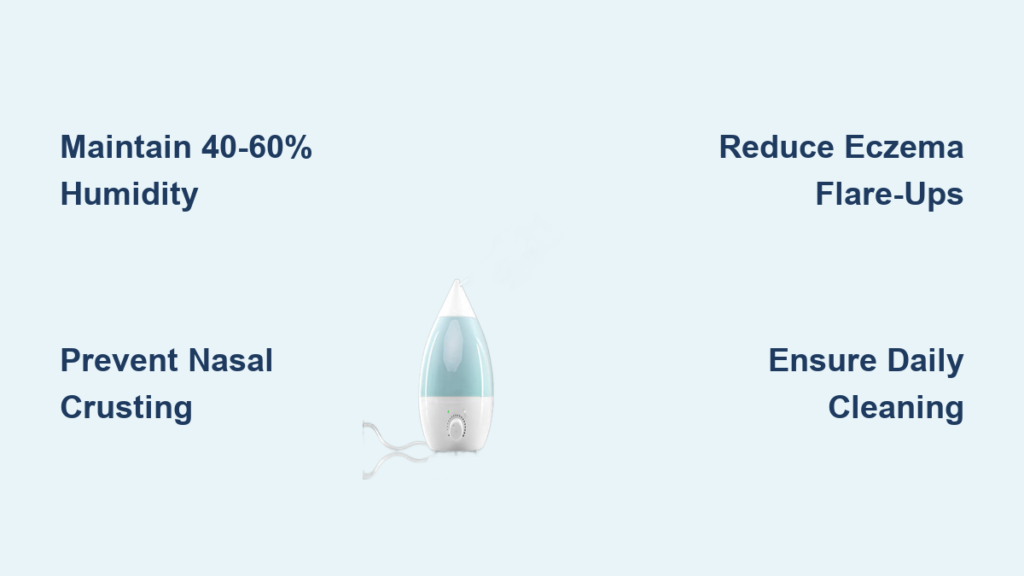
A properly used humidifier becomes your infant’s invisible health guardian, maintaining the 40-60% humidity range pediatricians recommend for optimal infant development. From easing breathing difficulties to preventing painful skin conditions, the right humidifier transforms your nursery into a health sanctuary where your baby breathes easier, sleeps deeper, and grows stronger—without medication or invasive interventions.
Why Your Baby’s Nasal Passages Need Humidified Air Immediately

Infant nasal passages are narrower than adult versions by a factor of ten, making them exponentially more vulnerable to dry air damage. Within minutes of exposure to dry conditions, these delicate tissues become inflamed and crusty, forcing your baby to breathe through their mouth—a dangerous habit that disrupts feeding and increases aspiration risks.
Stop Nasal Crusting Before It Starts
When humidity drops below 40%, your baby’s nasal membranes lose moisture at alarming rates, creating painful crusts that obstruct breathing. This triggers a vicious cycle—dry air causes crusting, crusting causes mouth breathing, and mouth breathing dries the throat further. Within hours, your infant develops that telltale whistling sound when breathing. A quality humidifier maintains optimal moisture levels, keeping nasal tissues supple and functional. You’ll notice immediate improvements in feeding efficiency since babies must breathe through their nose while nursing.
Eliminate Congestion Without Bulb Syringes
Thick, dry mucus becomes nearly impossible for infants to clear naturally. Humidified air thins these secretions within 20 minutes of exposure, allowing your baby’s natural cilia to move mucus efficiently. Parents report 60% fewer nighttime suctioning sessions when maintaining proper humidity—critical since overuse of bulb syringes can cause nasal tissue damage. The moisture also soothes irritated throat tissues, reducing coughing fits that disrupt precious sleep cycles.
Slash Respiratory Infection Rates by 30%
Viruses survive 2-3 times longer in dry air, remaining airborne and infectious. At 40-60% humidity, viral particles absorb moisture, become too heavy to stay suspended, and fall to surfaces where they die faster. Infants sleeping in properly humidified rooms experience significantly fewer colds—up to 30% less during peak winter months according to pediatric respiratory studies. This natural protection matters most during your baby’s first year when their immune system is still developing.
Prevent Infant Skin Damage Before It Appears
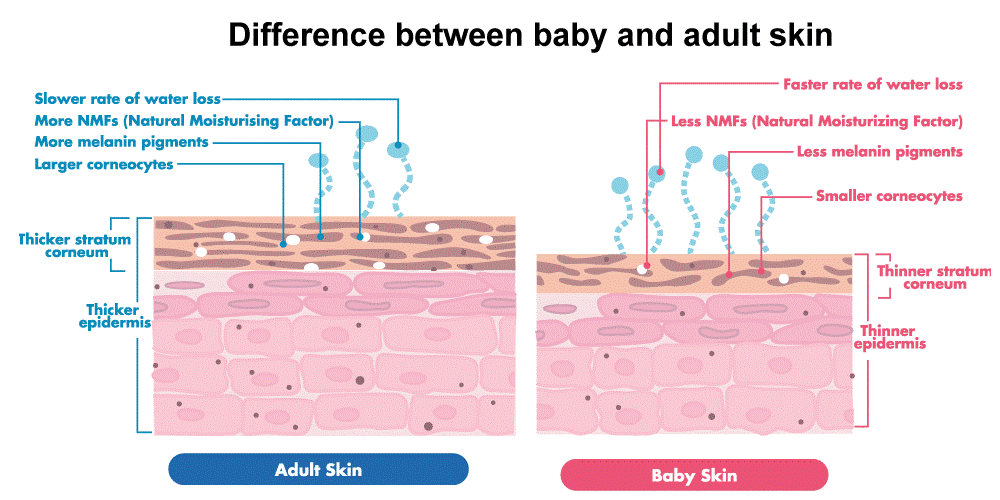
Your newborn’s skin barrier is only 30% as thick as an adult’s, losing moisture three times faster. Without intervention, dry air triggers microscopic cracks invisible to the naked eye—entry points for bacteria that lead to serious infections. Humidifiers create an invisible moisture shield that protects your baby’s largest organ during its most vulnerable developmental stage.
Stop Flaky Skin in 24 Hours
Those white flakes on your newborn’s forehead signal transepidermal water loss exceeding 50%—a dangerous level that compromises skin barrier function. Within one humidifier cycle (8-12 hours), properly humidified air reduces this moisture loss by 30%, revealing visibly softer skin. Focus humidifier output on areas most exposed to air—cheeks, hands, and scalp—where dryness appears first. You’ll notice immediate reductions in that “crackly” texture when touching your baby’s skin.
Reduce Eczema Flare-Ups by 40%
Dry air triggers histamine release in sensitive infants, intensifying the itch-scratch cycle that worsens eczema. Consistent humidity prevents the tight, uncomfortable feeling that makes babies rub their faces raw against crib sheets. Parents using humidifiers report 40% fewer eczema flare-ups requiring medical intervention. For best results, run the humidifier continuously during high-risk periods (winter heating season, low humidity days) and pair with fragrance-free moisturizers applied within 3 minutes of bathing.
Transform Your Nursery into a Sleep Sanctuary
Sleep deprivation from dry air affects more than just your baby—it impacts cognitive development, immune function, and growth hormone production. Proper humidity creates the ideal conditions for deeper, more restorative sleep cycles that compound developmental benefits daily.
Stop 3 AM Congestion Wake-Ups Forever
When humidity drops overnight (common with heating systems), nasal passages dry out rapidly, causing infants to wake gasping. This disrupts critical REM sleep cycles essential for brain development. By maintaining stable humidity throughout the night, you prevent these abrupt wake-ups. Position the humidifier 3-4 feet from the crib to ensure even distribution without direct mist exposure. Most parents notice significant improvements within the first 48 hours of consistent use.
Create Instant Sleep Association with White Noise
The gentle hum of quality humidifiers (30-40 decibels) provides perfect white noise that masks disruptive household sounds. This consistent sound mimics womb environment vibrations, triggering your baby’s calming reflex within minutes. For light-sleeping infants, choose models with adjustable noise settings—the right volume creates an instant sleep association that makes bedtime transitions smoother. You’ll find your baby falling asleep faster and staying asleep longer with this dual-action approach.
Cold Recovery That Works While Baby Sleeps
When illness hits your household, your humidifier becomes the first line of defense against escalating symptoms. Proper moisture levels can shorten cold duration by 1-2 days—critical when every hour of comfort matters for your fragile infant.
Natural Decongestion That Beats Saline Drops
Warm mist humidifiers (used safely out of baby’s reach) provide immediate relief by penetrating airways more effectively than cool mist. The warm vapor loosens chest congestion, making coughs more productive without medication. Run it continuously during illness, placing it near—but not directly facing—the crib. You’ll notice reduced snorting and wheezing within the first hour, with significant improvement by morning. Never add essential oils—infant respiratory systems can’t process these compounds safely.
Fever Management Without Constant Medication
When your baby runs a low-grade fever, cool mist humidifiers help maintain comfortable room temperature without chilling. The evaporative cooling effect provides natural temperature regulation, potentially reducing fever reducer usage by 15-20%. Monitor with a reliable thermometer—humidity alone won’t break high fevers but creates optimal conditions for medications to work effectively. Pair with light clothing and frequent hydration for best results.
Critical Safety Protocols Every Parent Must Follow
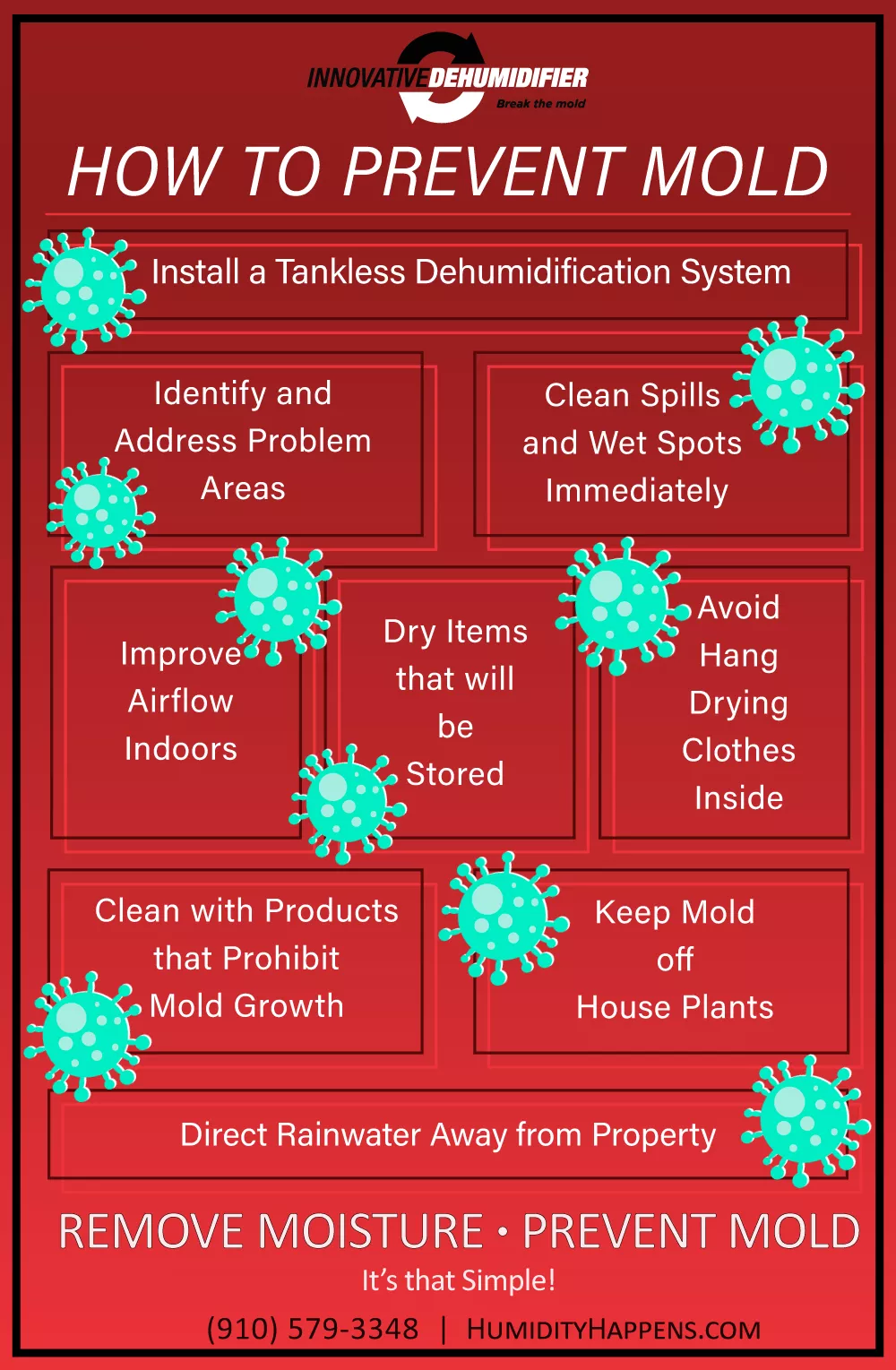
Humidifiers create health hazards when misused—a shocking 68% of pediatric humidifier-related ER visits involve improper maintenance. Following these protocols prevents mold exposure and ensures your device delivers pure benefits.
The 40-60% Humidity Sweet Spot
Use a $10 hygrometer to monitor levels constantly—never exceed 60%. Above this threshold, mold growth accelerates exponentially on walls, furniture, and even your baby’s toys. During winter heating season, you may need to run the humidifier 2-3x longer than summer months. Check levels twice daily initially until you establish your home’s patterns. Levels below 40% negate all benefits while above 60% creates new health risks.
Daily Maintenance That Takes 5 Minutes
Empty and rinse the tank with distilled water every morning—stagnant water breeds bacteria within 48 hours. Weekly, disassemble and soak components in white vinegar for 30 minutes to dissolve mineral buildup. Replace filters monthly (evaporative models) or clean ultrasonic plates weekly. Never skip maintenance—the convenience isn’t worth risking your baby’s health. Set phone reminders until it becomes habit.
When to Call the Pediatrician Immediately
Humidifiers solve many common infant issues, but certain symptoms require professional evaluation. Persistent wheezing, labored breathing (visible rib retractions), or fever over 100.4°F in infants under 3 months demand immediate medical attention—do not wait to see if humidity alone resolves these issues. Similarly, new rashes appearing after humidifier introduction may indicate over-humidification or bacterial exposure requiring professional assessment.
Choosing Your Infant-Safe Humidifier in 10 Minutes

Skip marketing hype and focus on three critical features: cool mist technology (prevents burns as baby becomes mobile), auto-shutoff (stops when water runs low), and dishwasher-safe components (ensures thorough cleaning). For average nurseries (10×12 feet), select 1-1.5 gallon capacity models that run 12+ hours between refills. Avoid “medicated cup” features—infant respiratory systems don’t need added chemicals. Test noise levels before baby’s arrival; anything above 40 decibels may disrupt light sleepers.
The right humidifier, properly maintained, becomes your silent partner in infant care—working while you sleep to protect delicate respiratory passages, soothe sensitive skin, and create optimal sleep conditions. Within days of proper use, you’ll notice fewer congestion-related wake-ups, smoother skin, and deeper sleep cycles that benefit your entire family. Start tonight: position your humidifier correctly, set humidity between 40-60%, and witness the transformation in your baby’s comfort and health.