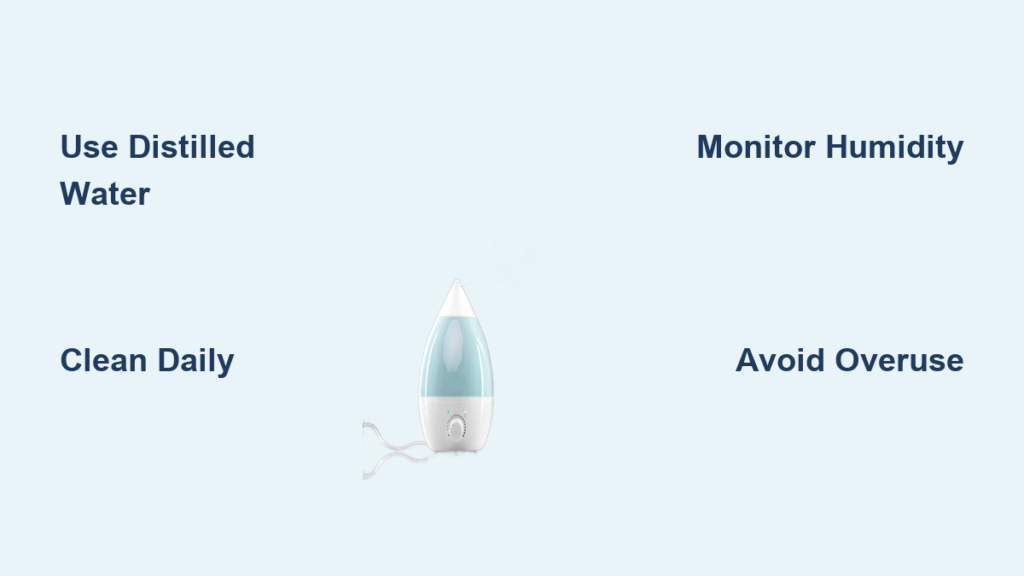
Waking up with a persistent cough or stuffy nose despite running your humidifier all night? You’re not alone. Millions of people unknowingly expose themselves to significant sleeping with humidifier risks while seeking better sleep through improved air quality. These devices can silently transform your bedroom into a breeding ground for bacteria or pump excessive moisture into your sleeping space—creating health hazards you never anticipated.
Understanding these hidden dangers is crucial for protecting your health while still enjoying the benefits of proper humidity. This guide reveals specific threats associated with overnight humidifier use and provides actionable steps to maintain a safe sleep environment. You’ll learn how to identify warning signs, prevent contamination, and implement maintenance protocols that eliminate most sleeping with humidifier risks.
Why High Bedroom Humidity Worsens Breathing Problems at Night

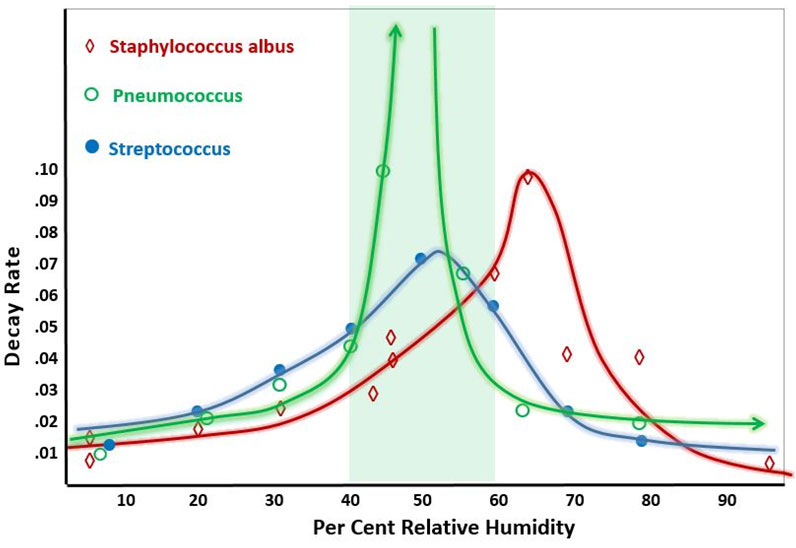
Contrary to popular belief, sleeping with humidifier risks includes the potential for high humidity to tighten your airways—creating breathing difficulties similar to those caused by dry air. When bedroom humidity exceeds the EPA’s recommended 60% threshold during your 6-8 hour sleep cycle, allergens like pollen, dust, and dust mites linger in the air longer, potentially triggering nighttime asthma attacks or allergy flare-ups.
Watch for these nighttime warning signs:
– Waking up wheezing or short of breath
– Increased coughing episodes after midnight
– Stuffy nose that progressively worsens overnight
– Morning headaches from poor bedroom air quality
Your sleeping environment becomes particularly vulnerable to humidity damage when levels stay elevated for extended periods. Walls and ceilings absorb excess moisture while you sleep, creating perfect conditions for mold growth that might not be visible until significant damage occurs. Bedding and mattresses act like sponges for humidity, trapping moisture deep within fibers where mold colonies can establish themselves undetected.
Bacterial Breeding Grounds in Your Sleep Zone
Leaving water sitting in your humidifier tank overnight creates a perfect bacterial soup that you breathe for hours while sleeping. These microorganisms multiply rapidly in the dark, warm conditions of your humidifier, then become airborne through the vapor output—directly entering your respiratory system while you’re most vulnerable.
Contamination develops on this timeline:
– 8 hours: Bacteria begins multiplying exponentially
– 24 hours: Significant bacterial colonies form
– 48+ hours: Heavy contamination creates serious health risks
Mineral dust from tap water poses another sleeping with humidifier risk you might not consider. As minerals accumulate in your humidifier, they break down into microscopic particles that become breathable dust settling in your lungs during sleep. Over time, this mineral dust can irritate airways and worsen chronic breathing conditions.
Your water source directly impacts risk level:
– Distilled water: Minimal mineral risk (best option)
– Filtered water: Reduced but still present mineral content
– Tap water: Highest risk of mineral accumulation and bacterial growth
Nighttime Burn and Fire Hazards You Can’t Afford to Ignore
Steam vaporizers present serious burn dangers during overnight operation that many users overlook. Boiling water can splash unexpectedly, and curious children or pets face severe burn risks if they approach the unit while you’re asleep. Even the hot steam itself can cause skin burns if you roll too close during sleep—potentially resulting in serious injuries you won’t notice until morning.
Safer alternatives for bedroom use:
– Cool-mist ultrasonic humidifiers (no heat element)
– Evaporative models with cool output
– Units with automatic shut-off features
– Models with child lock safety mechanisms
Warm mist humidifiers that boil water also create fire hazards in bedrooms you should never ignore. Electrical components combined with water heating elements increase fire risk, especially in older units or those with damaged cords. Never use extension cords with humidifiers, and always position units away from bedding and curtains to prevent potential ignition sources from contacting flammable materials.
Unmonitored Humidity Escalation During Sleep

While you’re asleep for 6-8 hours, humidity levels can climb dangerously high without detection. Closed bedroom doors and windows trap moisture, creating a humid microclimate that promotes mold growth and dust mite proliferation—turning your sleep sanctuary into a health hazard zone.
Essential humidity monitoring solutions:
– Digital hygrometer with audible alarm for high humidity
– Humidistat-controlled units that automatically adjust output
– Wireless phone apps that send humidity alerts to your device
– Visual condensation checks on windows each morning
Unlike daytime use where you can adjust settings immediately, overnight operation means breathing potentially contaminated air for hours. This extended exposure significantly increases health risks from bacteria, mold spores, or excessive humidity—making proper monitoring and control systems essential for safe nighttime use.
Warning Signs That Require Immediate Humidifier Shutdown
Discontinue humidifier use immediately if you experience any of these respiratory red flags:
– New or worsening cough that appears after starting humidifier use
– Difficulty breathing specifically during sleep hours
– Morning chest congestion that wasn’t present before
– Persistent throat irritation that clears during the day
– Unusual fatigue or malaise that correlates with humidifier operation
Environmental warning signs demanding action:
– Visible mold spots on walls, ceiling, or furniture
– Persistent window condensation that doesn’t clear by midday
– Musty odors when entering your bedroom
– Visible mold growth inside the humidifier tank
– White mineral dust accumulating on nightstands or electronics
Essential Prevention Protocols for Safe Overnight Use
Replace water every single day to prevent bacterial growth—this simple step eliminates most contamination risks associated with sleeping with humidifier risks. Empty the tank completely, rinse with clean water, and refill with fresh water before each use. Never top off existing water, as this dilutes contaminants rather than removing them.
Critical daily maintenance routine:
– Empty tank completely (don’t just add more water)
– Rinse all surfaces with clean water
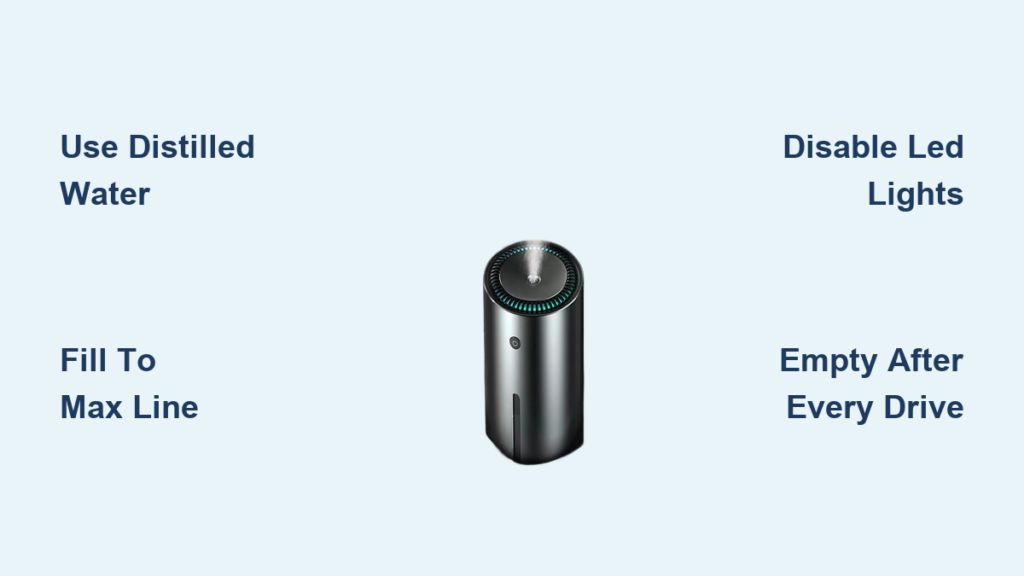
– Refill with fresh distilled water
– Wipe exterior surfaces to prevent dust accumulation
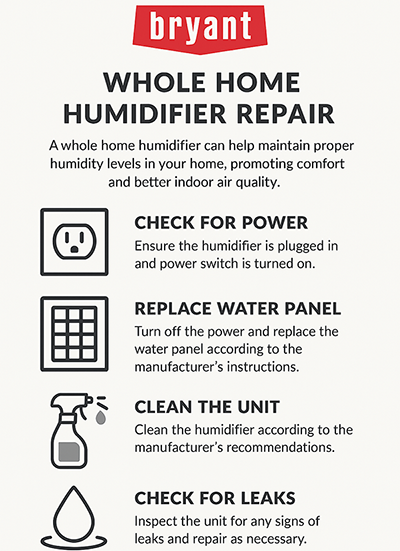
Follow manufacturer instructions for thorough weekly cleaning to prevent mineral buildup and eliminate bacterial colonies forming in hidden crevices. This should include disassembling components, cleaning with vinegar solution, thorough rinsing, filter replacement, and checking for mold or mineral deposits.
Install a hygrometer in your bedroom to monitor levels continuously and maintain the EPA-recommended 30-50% humidity range. Position your humidifier at least 3 feet from your bed on a stable, waterproof surface, ensuring the mist output doesn’t directly hit bedding or walls. Never exceed 60% humidity, as this threshold creates ideal conditions for mold growth and dust mite proliferation.
Emergency Response Actions for Common Nighttime Issues
If you wake to find condensation or suspect high humidity:
1. Turn off humidifier immediately
2. Open windows for ventilation
3. Run bathroom or kitchen exhaust fans if available
4. Check all surfaces for moisture accumulation
5. Monitor humidity levels until they return to safe range (30-50%)
At first sign of contamination:
1. Stop using humidifier completely
2. Thoroughly clean and disinfect all components
3. Replace all filters and wicks immediately
4. Switch exclusively to distilled water for next use
5. Monitor your health for any adverse symptoms
Contact your doctor immediately if you experience persistent respiratory symptoms, worsening asthma or allergies, fever after humidifier use, chest pain, or signs of respiratory infection that correlate with humidifier operation.
Key Takeaways for Risk-Free Humidifier Sleep
Sleeping with humidifier risks doesn’t have to compromise your health when you implement proper safeguards. The critical factors are maintaining proper humidity levels between 30-50%, using distilled water exclusively, and following strict daily and weekly cleaning protocols.
Your health symptoms serve as the most reliable indicator—if you notice increased coughing, congestion, or allergy issues after starting humidifier use, investigate immediately. Most problems stem from poor maintenance rather than device malfunction, so establish non-negotiable routines: daily water changes, weekly deep cleaning, and continuous humidity monitoring.
By implementing these targeted strategies, you can enjoy the sleep benefits of proper humidity while avoiding the hidden risks that plague careless users. Remember that prevention takes just minutes each day but protects your health and home from potentially serious consequences.